Greater Kaweah GSA requires farmers to register their wells

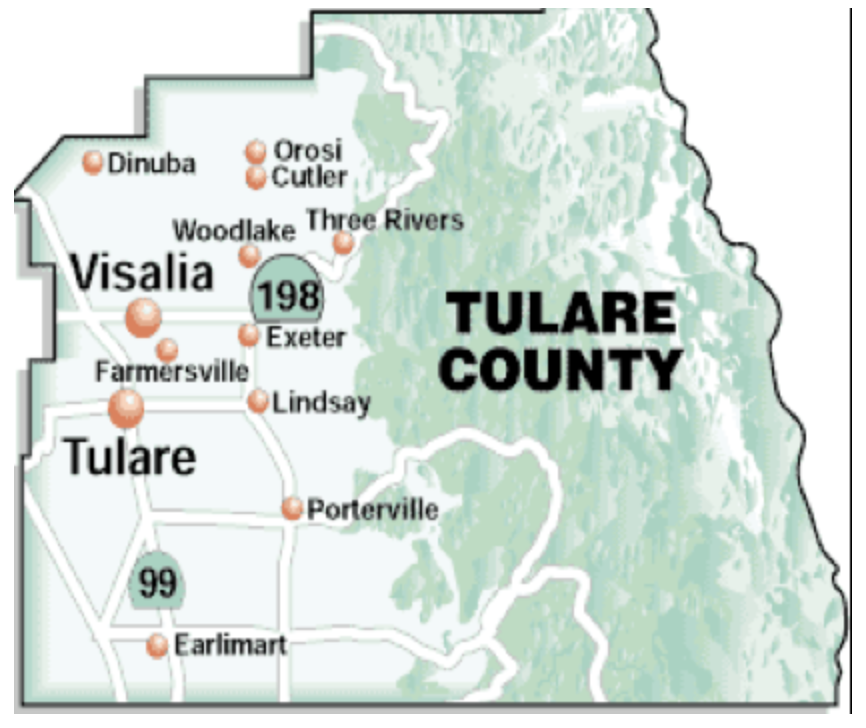
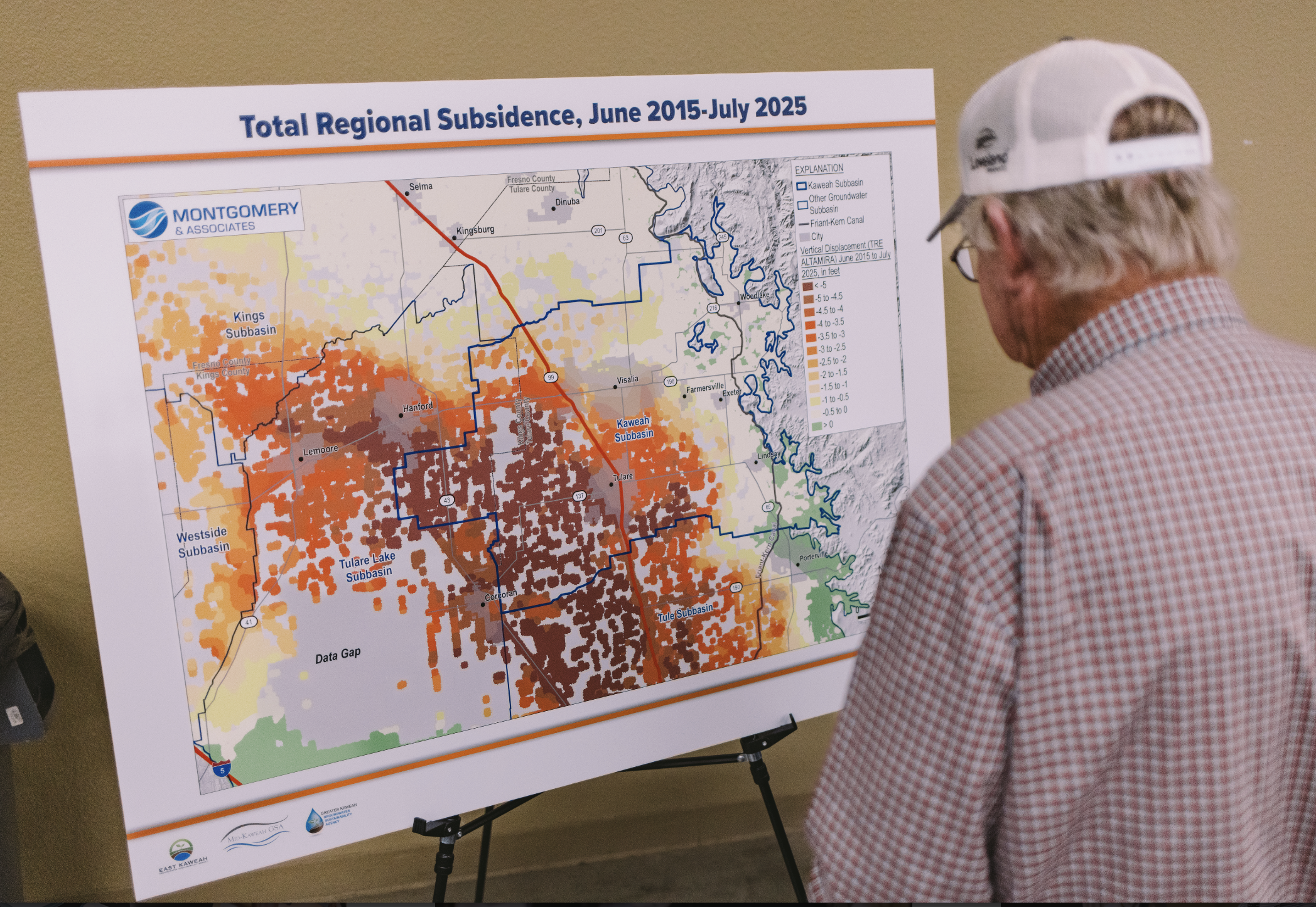
Under SGMA all Groundwater Sustainability Agencies (GSA) are required to reduce groundwater pumping in their jurisdiction as the region faces land subsidence. That’s also true in the Greater Kaweah district that wraps around the perimeter of Visalia.

Studies show an overdraft of the local aquifer by around 180,000 acre feet per year that will be reduced by one third with plans to do recharge and other conservation projects. That leaves 120,000 acre-feet of excess demand – too much to overcome without reduced pumping.

Greater Kaweah administrator Mark Larsen says they have asked all well owners in the district to provide information about their well by registering them with the district. So far that has been a voluntary request. Now that has changed as of Feb 9, to a mandatory requirement with only 150 of the wells registered out of 1800 to 2000 wells in the district to date. These landowners in Tulare and Kings counties now face a mandatory deadline of July 1, 2026.

The district says they need to gather data on the depth, location, and type of wells “to keep us from just flying in the dark” says Larsen.

GSAs are tasked with managing local aquifers to reduce potential subsidence that is damaging hydraulic infrastructure up and down the Valley. Unchecked, the price tag to fix not only the damage but to do restoration of capacity to move water has been estimated in the billions.
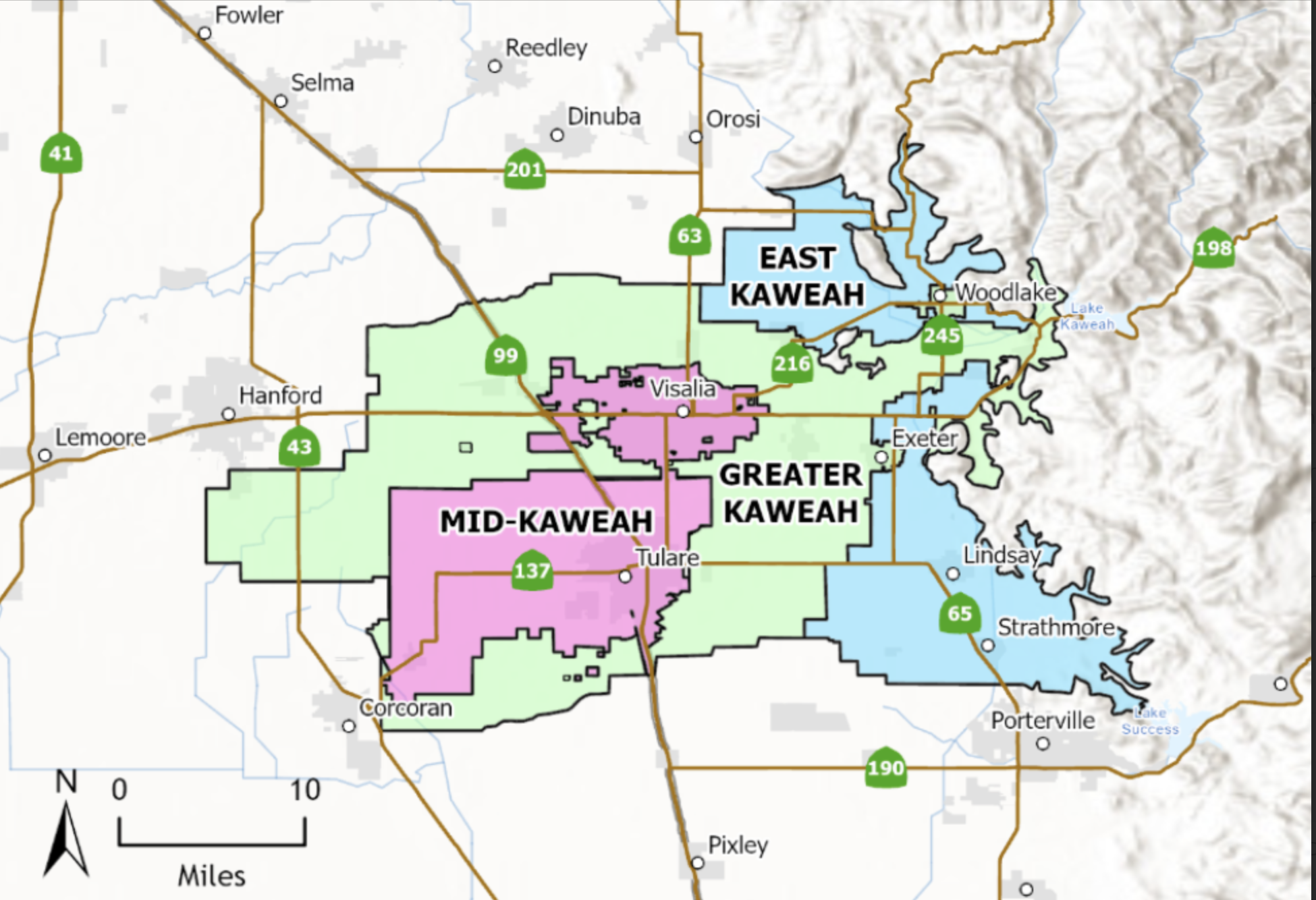
Unlike some other Valley GSAs, the Kaweah subbasin avoided state intervention when the state Water Resources Control Board recommended the basin return to the oversight of the Department of Water Resources late in 2025.

In a statement the Greater Kaweah announced “In of the most exciting achievements for the Greater Kaweah and the Kaweah Subbasin as a whole, on December 2, 2025 the State Water Resources Control Board in Sacramento voted to officially remove the Kaweah Subbasin from the treat of probation and pass oversight back to the California Department of Water Resources. The State Board action acknowledged the significant work the GSA made in revising the Groundwater Sustainability and supported the elements developed to reach sustainability by 2040. This has been a multi-year effort and the Greater thanks their GSA partners for a monumental, collaborative effort! “

In general, farmers would rather deal locally with an elected regulatory body – in this case the board of directors of Greater Kaweah- then dealing with the state where costs and oversight are more painful.

If a GSA is on probation, it requires landowners to register their wells with the state at $300 each, report extractions and pay $20 per acre foot pumped.

In the case of Greater Kaweah with acceptance of the local plan by the state, the Greater Board of Directors voted to ease off some of the restrictions relating to groundwater transfers, allowing growers more flexibility and options to manage their water supplies. But they still will get penalties for over pumping.

Subsidence focus

The Greater Kaweah GSA subsidence issues are most concerning around Highway 99 and west of there within the district, says Larsen. This western area within the district coincides with the Corcoran clay soil profile that has seen declining groundwater levels.

It rains about 7 inches less in the western part of the GSA than in the east and the east has more surface water options. There is not one management tool that fits everyone.

Larsen says the real test of the GSA efforts will be in drought years when farmers will turn to their groundwater pumps. “In the past two years we’ve had good water years” resulting in beneficial river flows on the Kaweah as well as supplemental surface water supply.

The GSA needs this information to come up with strategies to reduce groundwater pumping. Right now they rely mostly on aerial Land IQ data that estimates the amount of water used in a particular area.

Larsen says the GSA‘s latest effort is to focus on management areas within the sprawling district down to perhaps 16 sq miles that could result in measures to address issues in that narrowed area

Besides agricultural wells, Greater Kaweah is focusing on any potential impact that groundwater pumping has on domestic wells nearby. Recently the district replaced three domestic wells, and there are three or four more in the pipeline. He says state regulations mandate that GSA‘s address any impact on domestic wells that groundwater pumping by agriculture affects.

Some are anxious

Why are some growers reluctant to register their wells? “Some growers are anxious that the information could be used against them while others recognize the benefit“ observes Larsen.

They need information on agricultural, domestic, industrial and retired wells that have not been destroyed.

The Kaweah subbasin GSAs, which also include East Kaweah and Mid-Kaweah, all have voluntary well registration programs as part of their groundwater sustainability plan. If some Greater Kaweah farmers refuse to submit their well information by the deadline, the Greater board may potentially take the next step to penalize the late comers.That is happening in a Kings County GSA.

This effort here does not just focus on the demand side for water. In December of 2025, with its partner Kaweah Delta Water Conservation District, the Greater was able to import 600-acre feet of CVP Class 1 water into the Kaweah River system, recharging the groundwater table. “We hope this is a first in many such opportunities and partners to help sustainability from the supply side!

The Greater Kaweah Groundwater Sustainability Agency (Greater Kaweah GSA) was formed with the intent to comply with the 2014 Sustainable Groundwater Management Act (SGMA) and initiated its effort by executing a Joint Powers Agreement (JPA) on August 23, 2016. The Greater Kaweah GSA became an “exclusive” GSA for its service area by the California Department of Water Resources in August 2017. The JPA members and partners consist of:
Kaweah Delta Water Conservation District
Kings County Water District
Lakeside Irrigation Water District
St. Johns Water District
Tulare County
California Water Service Company

The Greater Kaweah GSA is one of three GSAs formed in the Kaweah Subbasin that, in total, cover the entire Subbasin without overlap. The three GSAs have each developed Groundwater Sustainability Plans (GSPs) and executed a Coordination Agreement for the Subbasin to utilize the same data and methodologies ensuring consistent interpretations of the Basin Setting.


Citrus Mutual CEO departs

Exeter-based California Citrus Mutual is looking for a new CEO/President after Casey Creamer departed the organization in February. Creamer’s profile has been removed from the CCM website.

CCM Board Chair Julia Inestroza said in a statement to the organization’s members that CCM and Creamer parted ways on February 11,2026.

“We appreciate his service to our industry and wish him the best in his future endeavors,” Inestroza said.

“California Citrus Mutual remains committed to its mission of representing the California citrus industry. Our day-to-day operations will continue under the direction of our experienced staff, and the Board has begun the process of identifying CCM’s next leader.”

Inestroza said the board will keep members informed during the search for a new CEO and asked members to direct any questions they have to her.

Creamer was appointed in January 2019 to replace CCM President, Joel Nelsen who stepped down after 37 years at the helm. Mr Nelsen has since passed away.

Citrus Mutual will soon hold their annual event called the
Citrus Showcase – set for Wednesday, March 11, 2026, at the Visalia Convention Center.

The citrus grower based organization reports regularly to its members tracking the current citrus season with its latest report noting that the navel season is about half over. They report that the average navel orange prices for all sizes is $13 per carton, lower than the same week for the past two years.

California produces over 90% of the United States’ fresh citrus crop, with a total acreage of nearly 269,000.USDA has pegged the initial 2025-26 California Navel orange forecast at 80.0 million cartons,up 6% from the previous year. Fruit size is also larger.

Ralphs eyes plan to build Los Osos gas station

Officials with Ralphs grocery store have met with county staffers to discuss the possible construction of a new 12-pump gasoline station on LOVR in Los Osos. A presentation at the most recent Los Osos Community Advisory Council (LOCAC) described that Ralph’s was considering the purchase of the vacant gas station across LOVR from Starbucks that has been for sale for several years.The property is at 1055 Los Osos Valley Rd, has 1.9 acres and is listed for $1.2 million. Ralphs is the largest grocer in Los Osos.

Los Osos motorists often complain they have to travel to Morro Bay or San Luis Obispo to fill up on gas. That is where the competition is.This week in Morro Bay you can still buy gas for the bargain rate of $3.99 a gallon. Meanwhile Los Osos’ two filling stations, a Chevron and a Shell often match each other, each selling regularly today for $4.59.

UPDATE: Chevron Los Osos increased the retail price 40 cents on Tuesday March 3 to $4.99

Heading to San Luis Obispo, the state’s top gasoline retailer Costco is selling gas for $4.29 a gallon.

Ralph’s gas station in Camarillo, the closest Kroger-owned fueling station to San Luis Obispo County, is selling regular today for $4.19. To date there are 13 Ralphs gas stations in the state,all in Southern California. Grocer-owned discount gas stations have grown in popularity in California where the state average prices are high, with Vons having 19 stations in Southern California, including one in Nipomo and Safeway with numerous stations in Northern California. The largest fuel discounter, Costco has 139 gas stations in the state including a new 32-pump expanded station in San Luis Obispo.

Chevron has some 300 company-owned stations in the state typically posting the highest prices.

SLO citizen signature drive could put road tax on the ballot


Unlike SLOCOG measure, vote requires only simple majority

On January 12 the San Luis Obispo Council of Governments (SLOCOG) announced a plan for a new dedicated local funding source — a countywide, voter-approved ½-cent sales tax — to generate approximately $35 million annually for local roadway improvements and other transportation projects. The proposed November ballot measure carries one very tall order – it needs two-thirds of SLO County voters to approve of it.

Now as of March 1 there is a new advocate for virtually the same measure. Better Roads For All -San Luis Obispo County – has launched a signature drive as of last week to place the same proposal on the November ballot as a citizen-led initiative that requires only a simple majority (50% plus one vote) to pass.

A citizen-initiated road tax measure in California bypasses the strict supermajority requirement typically associated with local tax increases. Ten year ago a similar road tax measure requiring a two thirds majority -lost by a few hundred votes in San Luis Obispo County. But now, a decade later, a new effort has risen from the ashes.

One of the advocates who organized the citizen group, civil engineer with the Wallace Group, Jorge Aguilar, was there ten years ago and argues the key benefit of such a self-help tax is that it leverages far more money for projects than what it raises here.

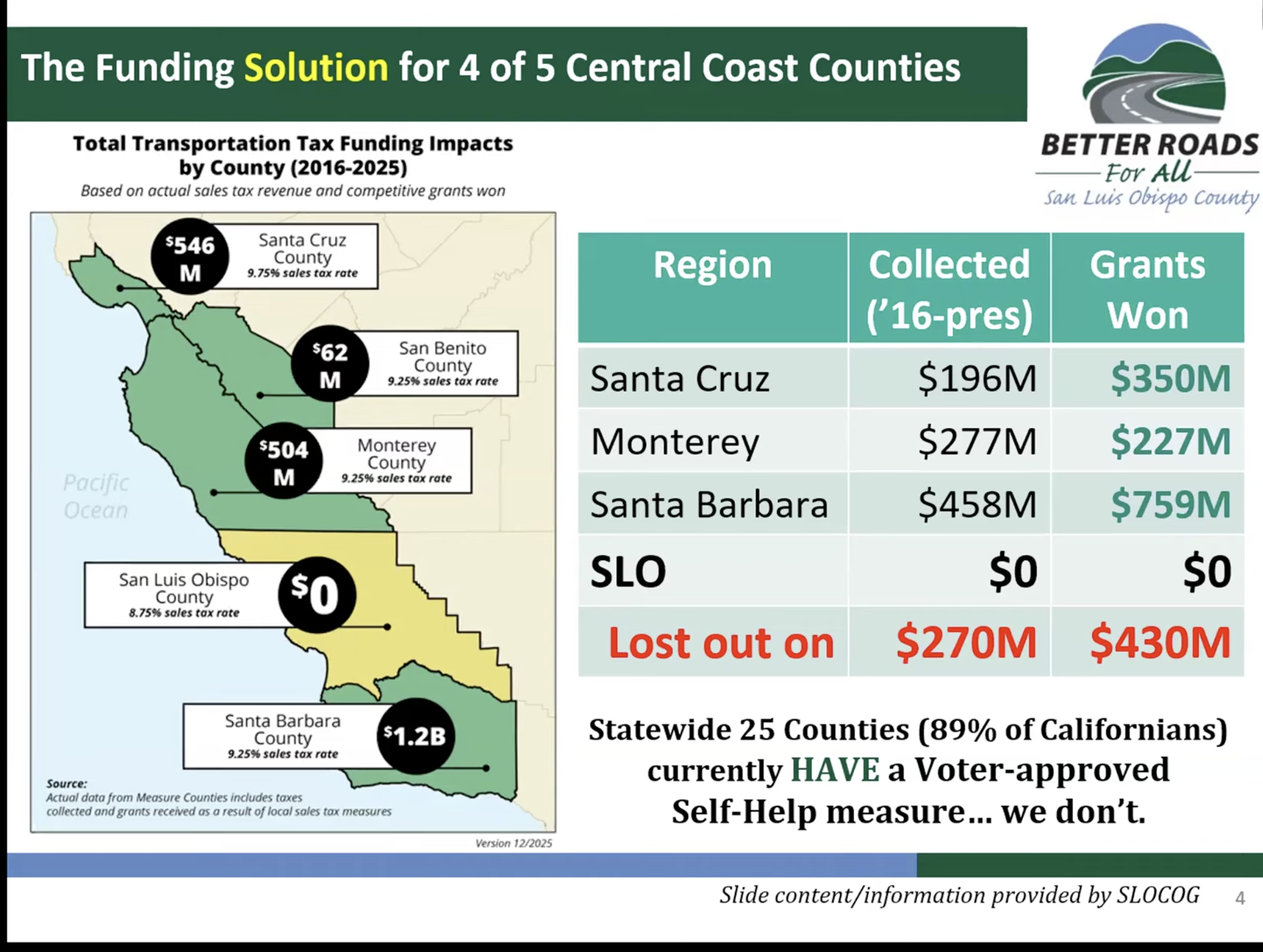
Aguilar in their presentation to community groups around the county says we have lost out on funding our neighbor counties have enjoyed. When the similar ballot measure narrowly failed in 2016, our county lost access to hundreds of millions of dollars in transportation funding that went to neighboring counties instead. “Over the past decade, San Luis Obispo County has missed out on an estimated $700 million in infrastructure improvements” he told the Los Osos Community Advisory Committee (LOCAC) last week.

Aguilar says time is short to place the plan on the ballot and they are – as of last week – busy circulating petitions to gather up to 18,000 signatures by mid-April to ensure there are 12,000 valid signatures to submit to the county clerk needed to meet election deadlines.

If the petition is successful the SLOCOG version would be tabled ensuring voters won’t be confused by two ballot measures.

Supporting this effort by new Better Roads For All is the SLO Chamber of Commerce who have recently posted “Our businesses have paid the price through delayed projects, increased congestion, reduced accessibility and a worse commuting experience for locals and visitors.’The San Luis Obispo Chamber of Commerce is in full support of the citizen’s initiative for the Better Roads for All SLO County ballot measure. Despite our traditional tendency to advocate for lower taxes, we believe this half-cent sales tax measure represents a critical investment in our business community’s future by tapping into funds not previously available to our community. We hope you will dive deep into the details of this issue to best inform your position.”

“Supporting a sales tax ballot is not a position we’ve taken lightly. The Chamber has always championed fiscal responsibility and opposed unnecessary tax increases. However, after careful analysis, we’ve concluded that the SLO County Self-Help Sales Tax for Transportation is fundamentally different from typical tax proposals. It’s a strategic investment that will directly strengthen our local economy and business climate…”

“Without becoming a Self-Help county, we cannot fairly compete for billions of dollars in available transportation funding, putting our safety, economy, and infrastructure at risk.” Better Roads For All

Aguilar points out that Luis Obispo County’s transportation funding has plummeted by more than 50% since 2018, dropping from $7.8 million to approximately $3.6 million today.The group’s website says “Nearly 89% of Californians already live in “Self-Help” counties, counties that have approved a modest, voter-supported local transportation funding measure. These counties receive priority access to state and federal grants, while San Luis Obispo County is increasingly left behind. Without becoming a Self-Help county, we cannot fairly compete for billions of dollars in available transportation funding, putting our safety, economy, and infrastructure at risk.”

They note that funding will provide:

  • Repair and maintenance of local streets, roads, and highways
  • Traffic congestion relief and safety upgrades
  • Improved public transportation services
  • Mobility enhancements for seniors, veterans, and people with disabilities
  • Safe Routes to School projects
  • Bicycle and pedestrian safety and connectivity
  • Local matching funds to compete for state and federal transportation grants

Management of the program would be overseen by the County through the SLOCOG joint -powers organization with money divided among the cities and the five unincorporated supervisorial districts, with each district getting an equal share.

To sum up, Better Roads for All San Luis Obispo County is a citizens-led initiative to fix San Luis Obispo County’s aging transportation system. The San Luis Obispo County Transportation Investment Act will generate $35 million annually for local repairs, safety, and emergency access, while unlocking millions in state and federal matching funds. Petitions are available on the Better Roads For All website.

Better Roads For All chart shows how neighboring counties have
fared since 2016 when SLO county failed to pass a self-help road
tax while our neighbors have collected millions.

Forecast  calls for more cold & wet storms for Sierra


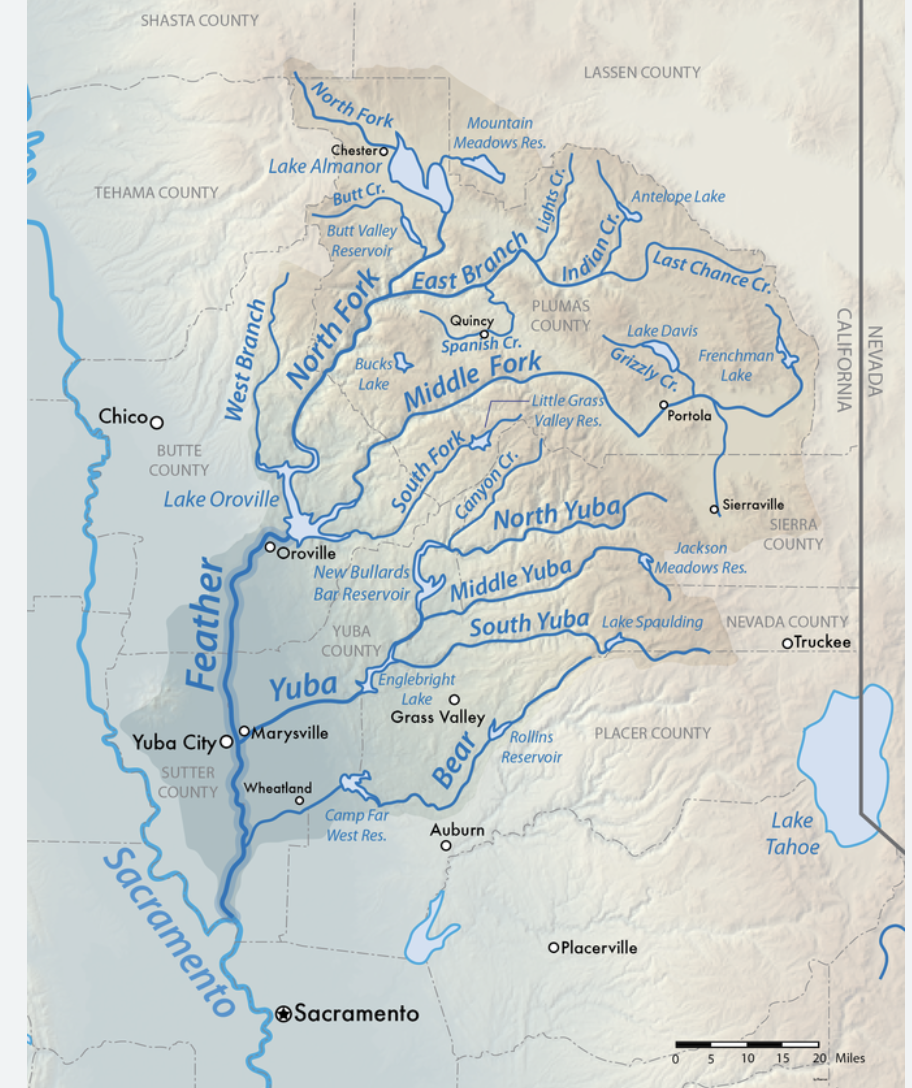
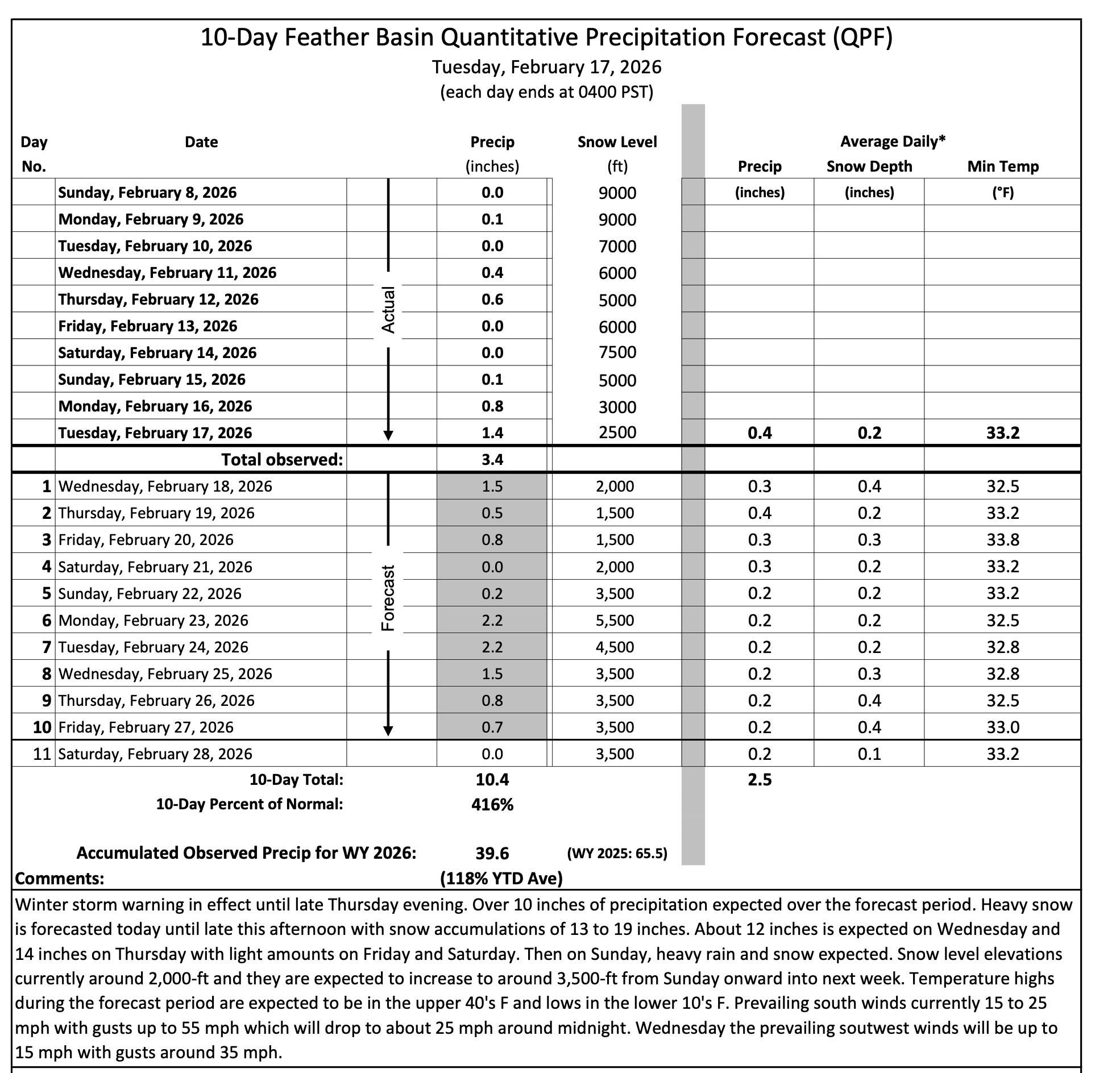
The closely watched 10-day forecast for the Feather River watershed around Oroville anticipates more than 10 inches of precipitation and heavy snow accumulation. Rainfall is expected to be 416% of average for the period. Already the water year stands at 118% of average despite a month-long drought in January storms. Cold weather is expected during the coming period with snow levels predicted at 3500ft. Forecast is from the California Department of Water Resources.

Kings County: Former Del Monte property for sale /Faraday Future stock drops

Former Del Monte property on market for $70 mil

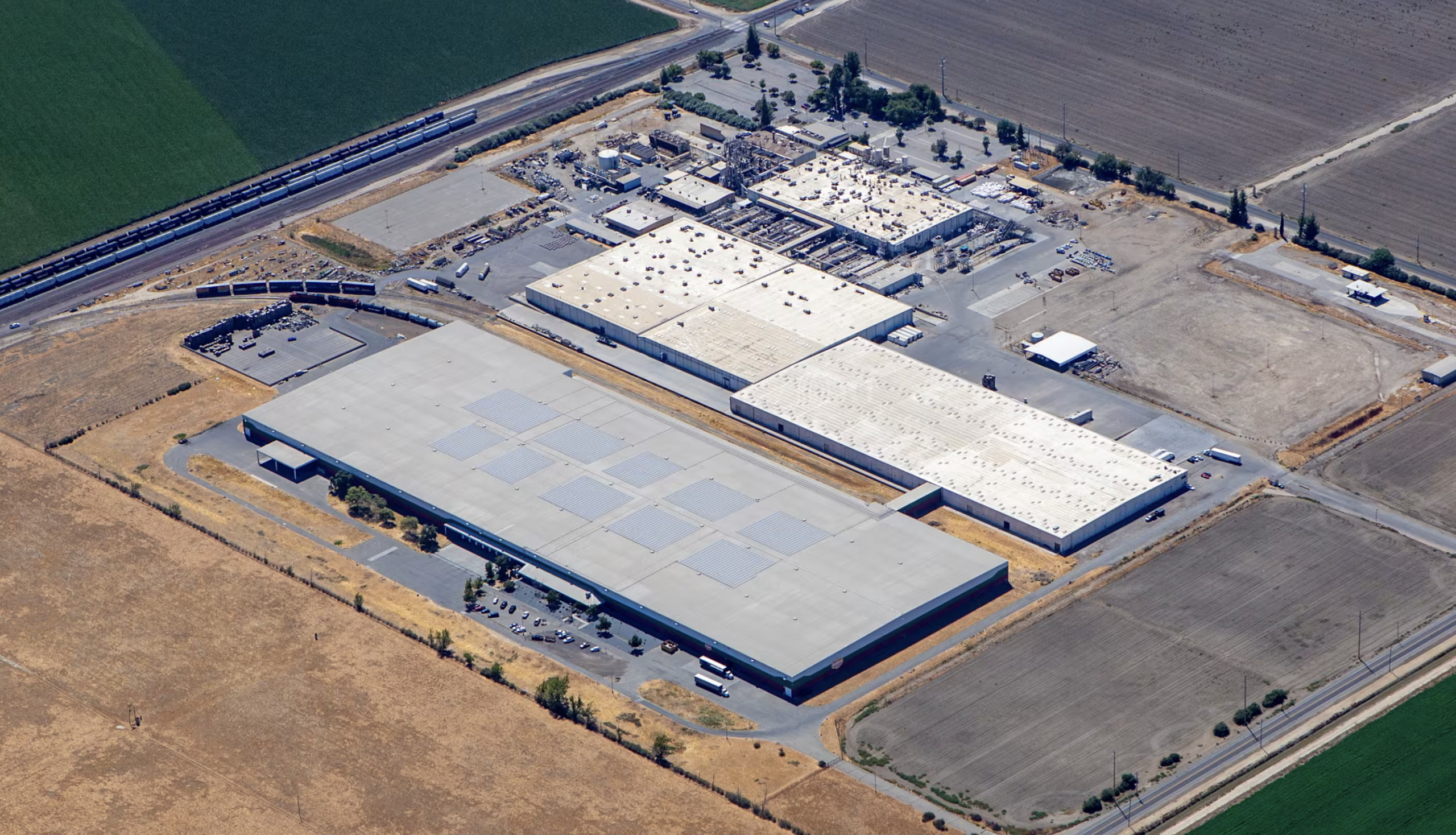
Looking to the future of the 1.3 million square-foot Del Monte processing plant that closed last year in Hanford, the owner says as a result of a December auction, all major processing ag equipment has been sold off and the property is on the market for around $70 million.

“It’s an attractive package” says Morningstar Farms CEO Chris Rufer who says they have no plans to reuse the facility to process tomatoes. Instead he will sell off the multiple building package with 650 acres of open land and 25 car rail spur at Jackson and South 11 Ave near Hanford. Del Monte has been exiting the food processing business in California and just recently decided to close its cling peach cannery, laying off 600.The move left growers with no home for their crop.

Rufer says the logical use for the vacant Hanford buildings is for a logistics use as a distribution center. Rufer says the tomato business has consolidated as contracts have led to reduced acreage.

Faraday Future stock falls below $1 NASDAQ-required level

Investors may not be impressed despite Faraday Futures’ splashy launch of robot sales announced at the recent NADA auto show in Las Vegas earlier this month. The company may be first out of the gate to begin selling humanoid type robots at the end of this month. But the company’s stock has slid below a key threshold of under a dollar per share for the first time since April 2025. It was 77 cents today and fell below $1 as of Feb 3 when the Las Vegas event was underway. The company could lose its listing on the NASDAQ exchange if the low value persists.If the closing share price remains below $1 for more than 30 consecutive trading days, a deficiency notice is automatically triggered, and the company is granted no less than 180 days to regain listing compliance. The decline makes it harder for the company to convince investors to take a chance.

Longer wait for cheaper fuel

  • Also New bird flu find, fewer foreign visitors
Screenshot 2026-02-10 at 1.31.57 PM.png

Renewable Fuels Assn expects your pump choices will look like this in the near future
You may have to wait a little longer to fill up with E15 ethanol/ gasoline blend at your local gas station.It is now approaching the fifth month after California Governor Gavin Newsom signed a bill Oct 2 allowing “immediate” sale of higher blends of ethanol in gasoline sold in the state – up to E15 (15% ethanol & 85% gasoline) instead of E10. Legislation was signed as an “urgency statute,” meaning retailers could sell E15 immediately after Newsom signed the bill. At the time ethanol industry advocates celebrated the news after a decade of seemingly futile attempts to convince CARB, the California Air Resource Board, to allow the option but then suddenly getting what looked like a green light to launch a new 650-million-gallon market for ethanol.
Midwest corn growers are excited  about the potential here with 40% of U.S. corn production directed toward ethanol. California is the nation’s  largest fuel market and E15 is allowed everywhere else.
‘Right now it is down to just one hiccup” says Renewable Fuels Assn representative Robert White.That last step is approval by the fire marshall that the vapor recovery mechanism in the fuel pumps works as certified by the manufacturer.  Only Underwriters Lab can do this according to the regulations although White is requesting help from the governor to cut what he considers to be red tape blocking the rollout of the fuel across the state.”CARB was accepting what the manufacturer promised.”
Once this issue is resolved, sales can move forward “very quickly” , suggests White, with no need to dig up underground tanks or change the dispensers to offer E15. At retail, all stations need are new labels.
The blending of ethanol by percentage happens at dozens of locations across the state including two terminals in the Central Valley in Fresno in Stockton and the move to a higher blend is a simple computer program.No holdup here.
In our reading area, the company Calgren, based in Pixley supplies ethanol to the regional market.
At the gas station, Renewable Fuels Assn believes motorists will see the familiar three choices that vary by octane level and price. Most will choose the budget friendly E15 blend with 87 octane level although E15- octane 89- and E10 octane 91- will be available as well (see pic).
In approving the new blend, Newsom has said the availability of E15 could help bring down the cost of gasoline in California. A study conducted by the University of California, Berkeley and the United States Naval Academy, showed E15 could lower gasoline prices by up to $0.20 per gallon and save Californians as much as $2.7 billion annually. Another study at the University of California, Riverside found that increasing ethanol blending in gasoline would not affect NOx emissions and would reduce particulate emissions.

Besides offering a cheaper option for motorists, the approval of E15 could also benefit the state’s fuel supply that will be expanded, even as refiners in California are making less gasoline, notes White.
One refinery in the Bay Area has closed and one in Wilmington (LA) owned by Phillips 66 just announced it would layoff 277 employees as it winds down operations and is slated to be closed later in the year.
Critics of California policies say the state is making it too tough for businesses including refiners and as a result of the closures, gas prices will skyrocket.
Part of the reason California gas prices are high is that the market is isolated with no connecting pipelines to the east. It looks like that will change with the competitive race to complete a petroleum pipeline that will connect the Midwest and Texas over the Rockies to California and Arizona.Phillips 66 who is closing a refinery here, is one of the pipeline builders.
But skeptics of E15 make several arguments downplaying its significance.I it’s worth remembering that the oil industry has always opposed more blending of corn ethanol in America’s fuel supply for the simple reason that they don’t make the product. It is worth remembering that the oil industry has always opposed more blending of ethanol into our fuel supply because  they don’t make it.
Oil company manufactured MTBE was phased out because, although  the octane booster was added in the 1990s to help fuel burn cleaner, it was found to be a possible carcinogen and contaminated groundwater.
Some skeptics 
Some say E15 won’t be widely adopted,noting that it is not that popular in the rest of the nation. Fears continue that it could harm some older engnes.Others note that the mileage filling up with E15 could fall.
Adoption of the new standard- a three-option pump choice by major gas retailers like Costco (140 warehouses in the state), the big truck stops- Love’s,TA and Pilot and the 37 tribal stations could bring the rest of the retail sector with them if motorists vote with their credit cards lured by a 20-25 cent break at the pumps. Still, 80% of all gasoline purchased in the U.S. is sold at convenience stores and here is where we should watch what happens. 
One political note: This February President Donald Trump called for allowing the year-round sale of E15 petroleum.

New bird flu find in Sonoma County
USDA reports that highly pathogenic avian influenza (HPAI) was confirmed on February 9 in a commercial broiler flock in Sonoma California. The bird flu find required the destruction of 84,000 birds. Commercial poultry were decimated in California  in 2024/2025. This is the first  commercial  flock impacted  in 2026 although a game bird flock in Butte County was hit  in January with 36,000 birds.USDA says 53 flocks in the past 30 days  across the nation have  been been impacted by bird flu .

Fewer foreign visitors 
There was a 6 percent drop in foreign visitors to the US last year, according to industry body the World Travel & Tourism Council, amid tensions between the Trump administration and other countries, including Mexico and Canada. 

Tulare County EDC loses CEO after Porterville withdrawal

Reorganization in works

The future of the Tulare County Economic Development corporation is uncertain with the departure of their CEO and withdrawal by the City of Porterville as of October from the countywide organization.

Airica de Oliveira had been the CEO of the business recruitment nonprofit since 2022 and as operations manager since 2021.

The departure leaves the county and city supported organization with one staffer, says county administrator Mike Washam.”We are trying to help them out as they go through a transition”,says Washam, providing a place for the office to locate. The EDC had offices in Exeter but later moved to 309 Main St in Visalia.

Now the former chair of the organization and Visalia City Council member Brian Poochigian confirms that “we are working together to revamp the program and hire a consultant to help us set it up.”

Poochigian says the EDC no longer has the office space on Main Street but is working out of a county Resource Management space for now. Apparently the reorganization will need to be inplace before they go out to solicit for a new CEO for the top spot.

“The whole idea is for all of us to work together.”

The program is funded annually through city and county membership fees, as well as some private funding, but has faced a history of confidence questions by members. At one time that lack of confidence included Tulare County, but most recently it has been the City of Porterville that has decided to withdraw from the organization as of October 2025. The city decided to operate their own business development program based on conclusions that the EDC had not done enough to bring new business to Porterville.

Washam says the consensus at the County is that the Tulare County EDC deserves support because of the need for our “regional approach to economic development.” The county itself has its own economic development department that has been active developing leads and projects in Goshen, Pixley, Earlimart and Traver among other locations around the county.

Visalia has its own economic development department as well, the Visalia Economic Development Corporation that is active in the Visalia Industrial Park with recruitment and retention.Tulare has its own staff that works on recruitment and development projects as well.

Steering the board of the EDC is Tulare County Supervisor Amy Shuklian.

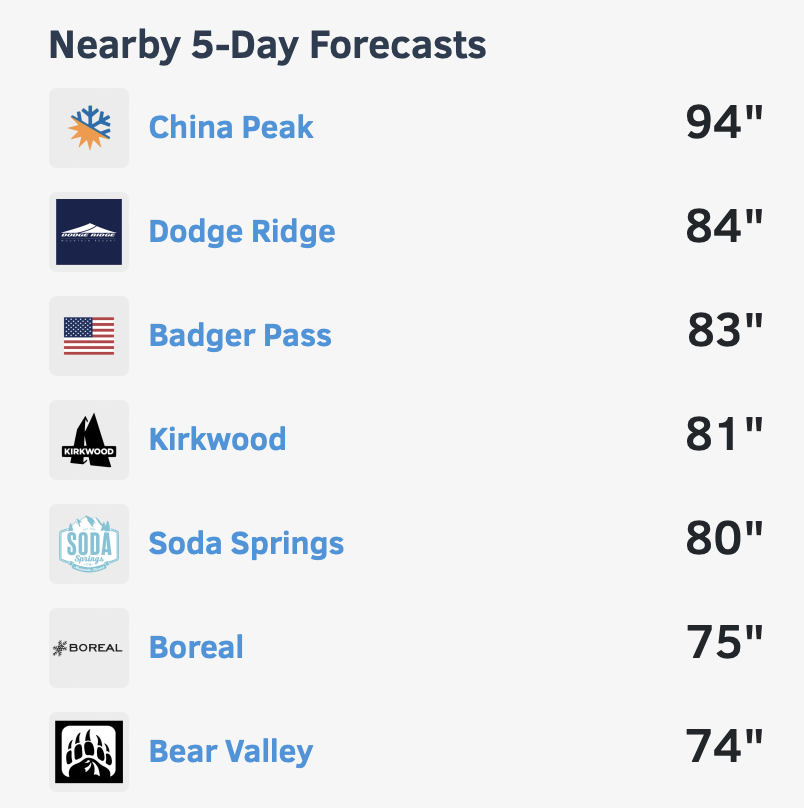
China Peak could get 8 feet of snow

Storms promise big boost for lagging California snowpack


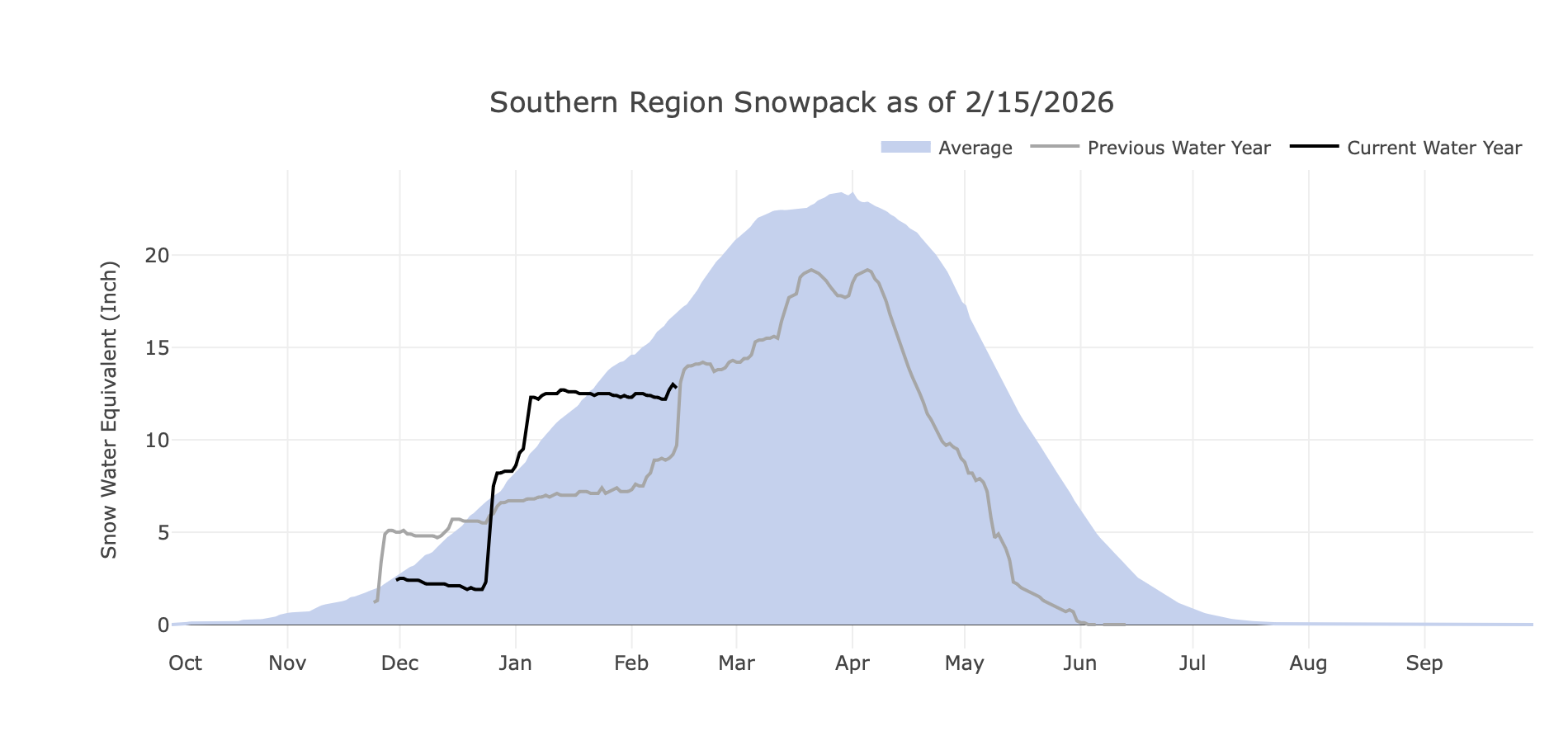
Below is the 5-day forecast as of Feb 15 before a big round of cold storms hit California

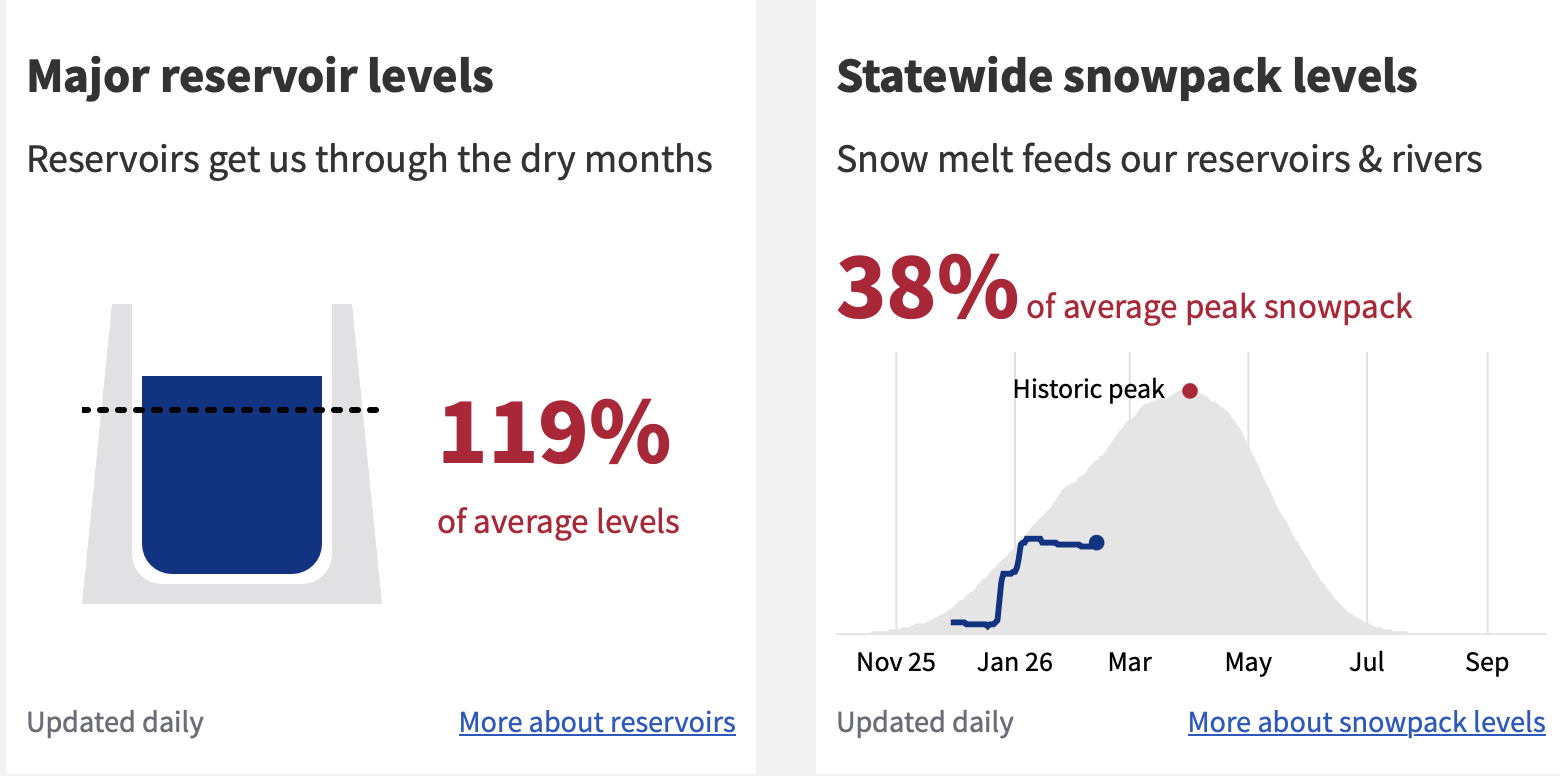
California’s snowpack this year is hurting with just 38% of average statewide as of today says California Water Watch, a state website.But later this week a series of cold storms promises to change all that as multiple waves hit the state and drop significant snowfall in the Sierra. 


We know the southern Sierra already is better off than the state average and one forecast suggests a Fresno area ski resort will be the beneficiary gaining nearly 8 feet of snow over the next five days.That is China Peak next to Huntington Lake. This forecast comes from Bryan Allegretto, forecaster with Tahoe Daily Snow report.


That is good news for skiers and snowboarders, but also for farmers who depend on snowmelt to irrigate their fields later this summer. 

Farmers are pleased that despite the snowpack drought, the state’s  reservoirs are in good shape at 119% of average. 

Right now the southern Sierra snowpack looks like this.

Allensworth getting new water well

Kings County celebrates its own Black History

The African American community in both Tulare and Kings counties can take a bow as we remember Martin Luther King and locally celebrate the pending return of fresh water to Allensworth, the state’s only town founded by African Americans 118 years ago.Arsenic-laced groundwater and dry wells all just about killed the hopes of California’s only town founded by African Americans, many formerly enslaved.

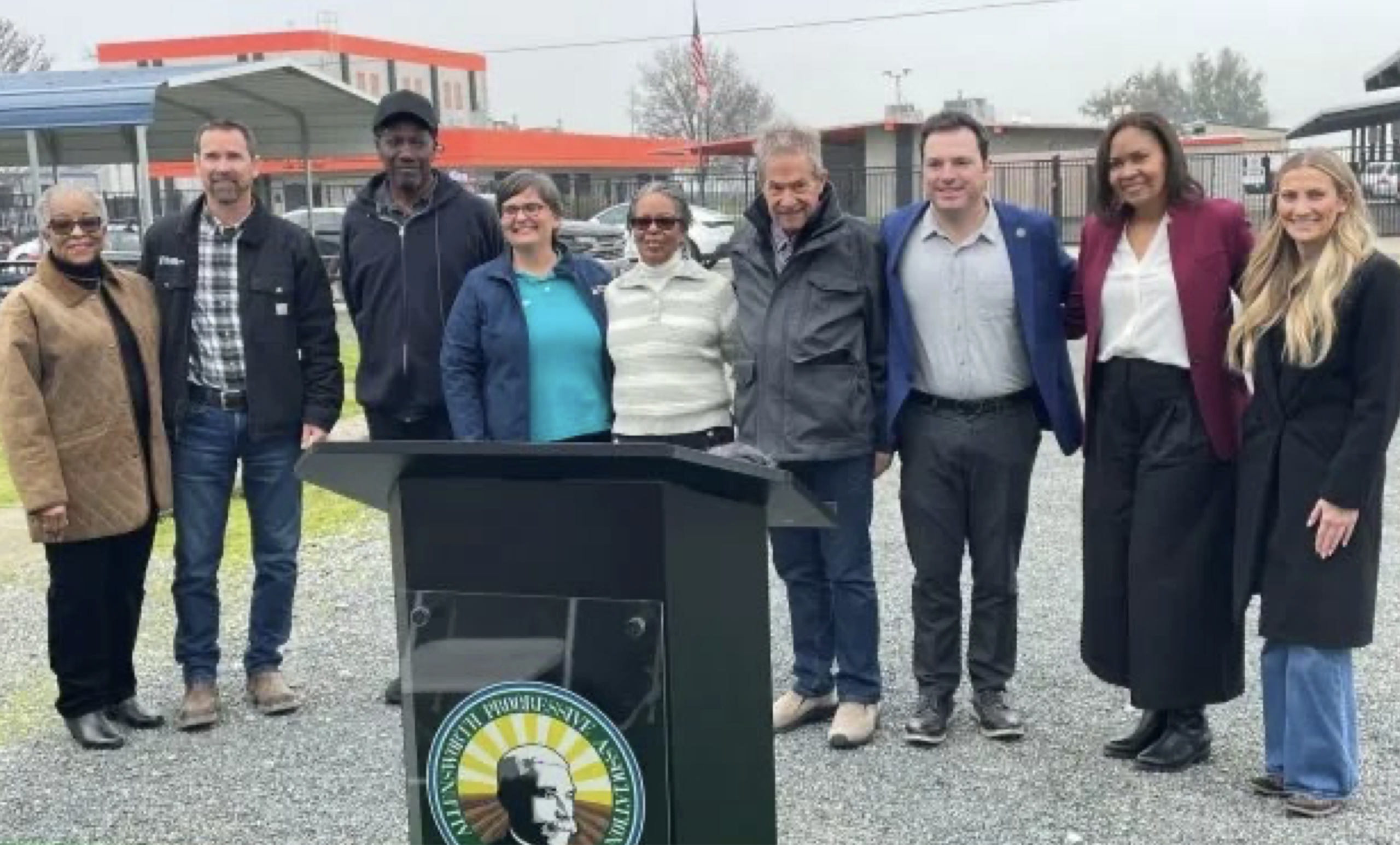
A Jan. 20 2026 groundbreaking ceremony officially launched the construction of a new groundwater well for Allensworth in Tulare County near the Kings County line.
Funding for the project comes from the California State Water Board in the form of a $3.8 million Safe and Affordable Funding for Equity and Resilience (SAFER) drinking water program grant for the construction of the well, and an accompanying storage tank, to supply safe drinking water to the town of about 500.


Perhaps finally the town can thrive.


Kings County history


In Kings County the Board of Supervisors proclaimed February as Black History Month – the annual celebration of achievements by African Americans and a time for recognizing their central role in the nation’s history. What started as “Negro History Week,” the brainchild of noted historian Carter G. Woodson and other prominent African Americans, and is now Black History Month.
The board viewed a presentation delivered by Paula Massey of Women With Visions Unlimited, Inc. detailing information on local Black History in Kings County.
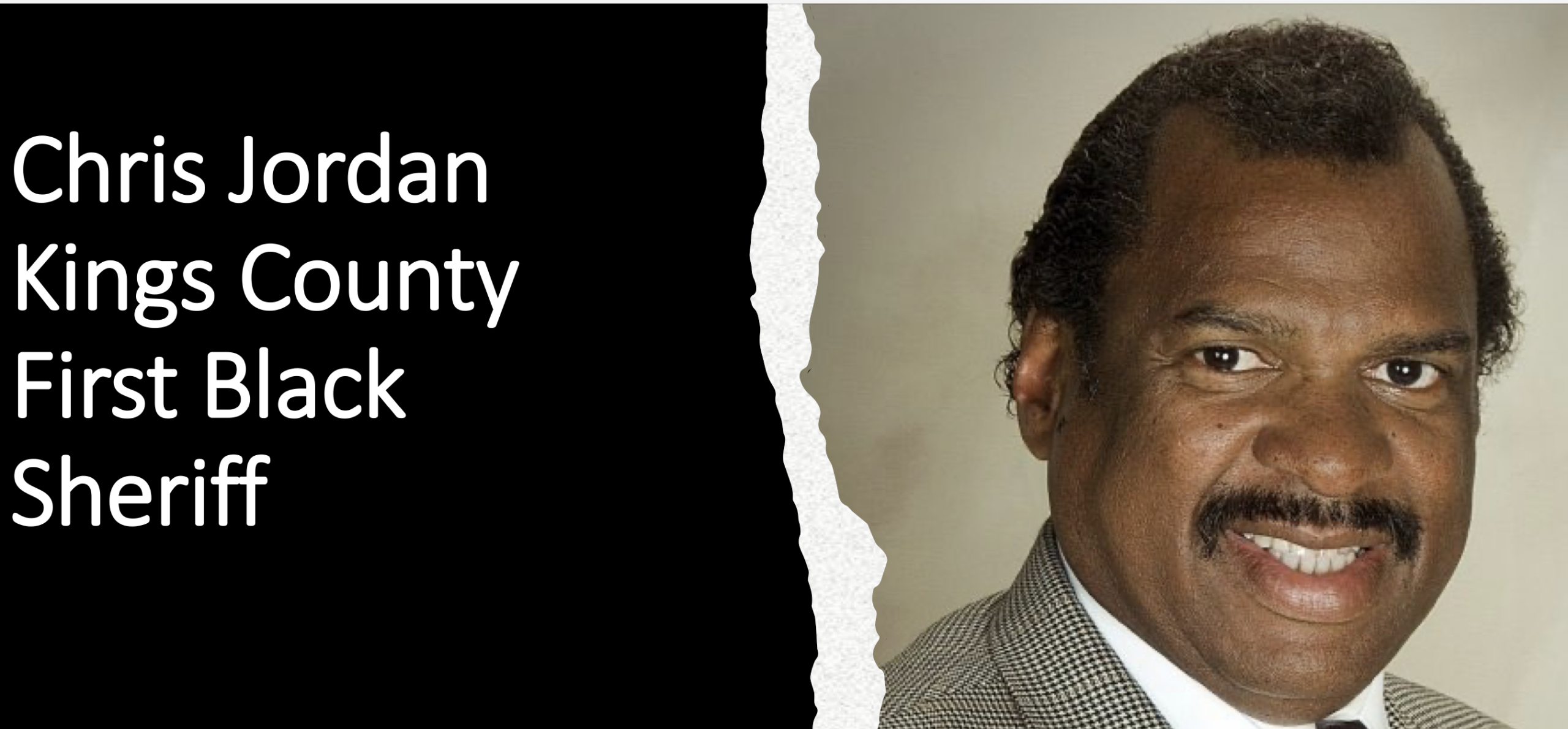
Massey’s presentation included the first black family to settle in Kings County, the first black Sheriff in Kings County,Chris Jordan, the first black Mayor of the City of Corcoran, Patricia Nolan, the first black City Councilwoman of the City of Hanford, Catherine (Cathy) Willis, the first black City Council member of the City of Lemoore, Edward Neal among other firsts.


The migration to California was launched by the Dust Bowl, says Massey, when many Black America families lived and worked on farms in Oklahoma, Arkansas, Texas, and other areas where there was no longer any work for them.There were farmers who owned labor camps in the Kings County Area. They recruited these families to come to California where there was plenty of work.Some of the families packed up what they could, and others came with the clothes on their backs. They were housed in buildings like Red’s Camp that was located off the 41 freeway. The long blue house was called the Big House. It housed large families. Many families were able to save money and buy homes or land after living on the camps for a few years.
The first family to settle in Hanford was Loyd and Bessie Welcher. Loyd moved to Hanford in 1888. He was the first Black graduate at Hanford High. He went on to college at Tuskegee University in Alabama.


Tommie Smith


The presentation also included a famous Kings Country Black activist, the 1968 Olympic champion Tommie Smith. Smith was a Lemoore High grad and holder of 11 world records.
Tommie’s Black Power salute with John Carlos standing on the medal podium caused controversy, and was criticized as politicizing the Olympic Games but remembered as a symbolic moment in the history of the Black movement. Born in 1944 Tommie later played several years of professional football, is a coach and teacher and continues to advocate for civil rights.