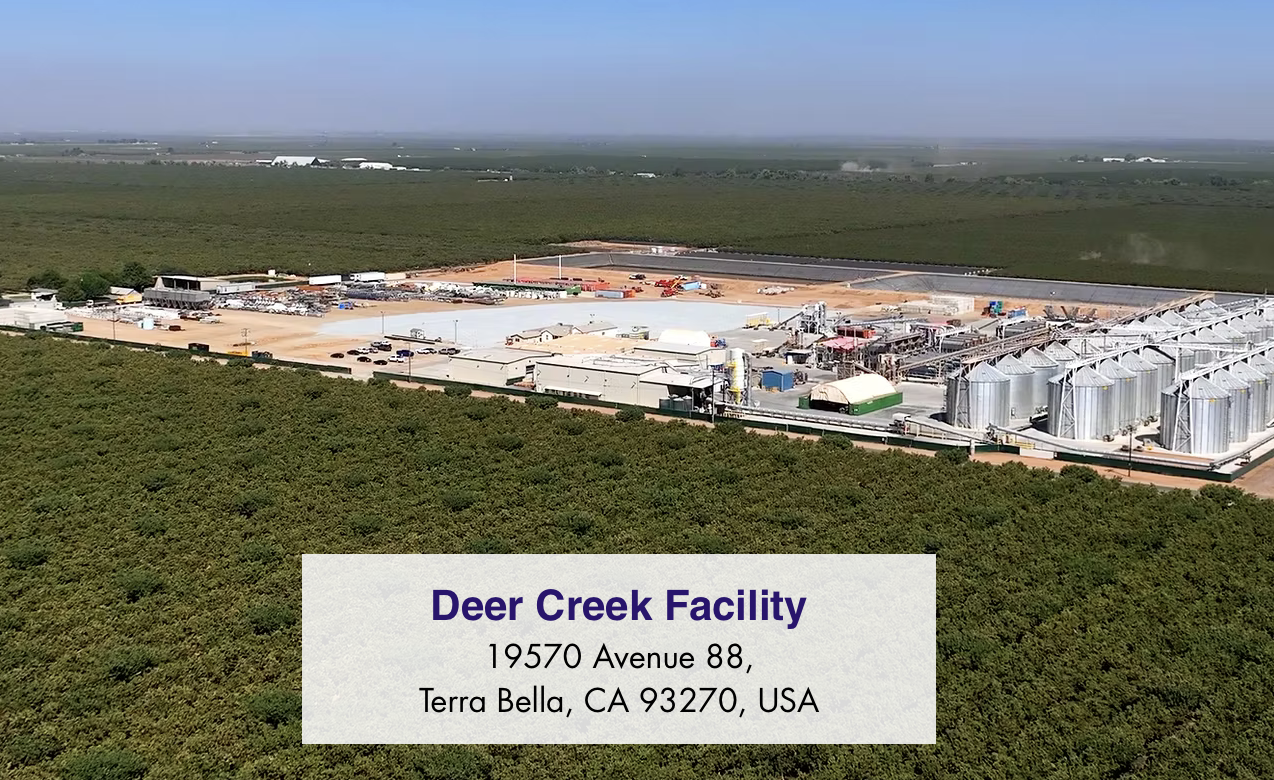
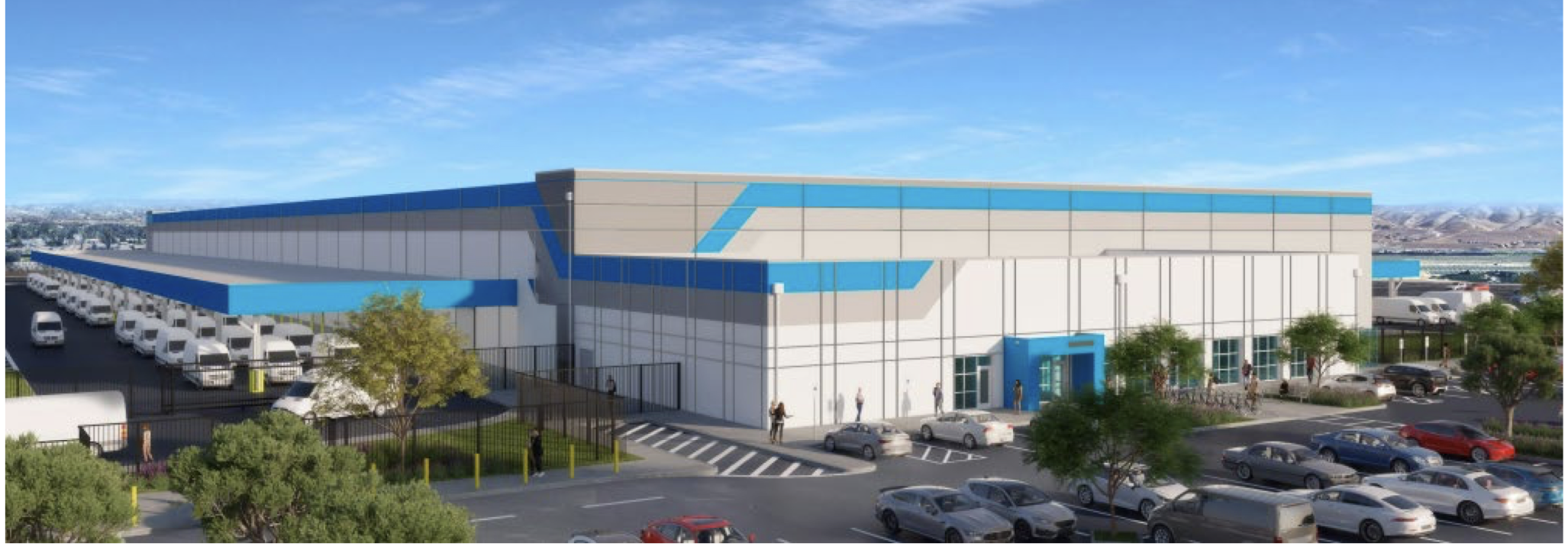
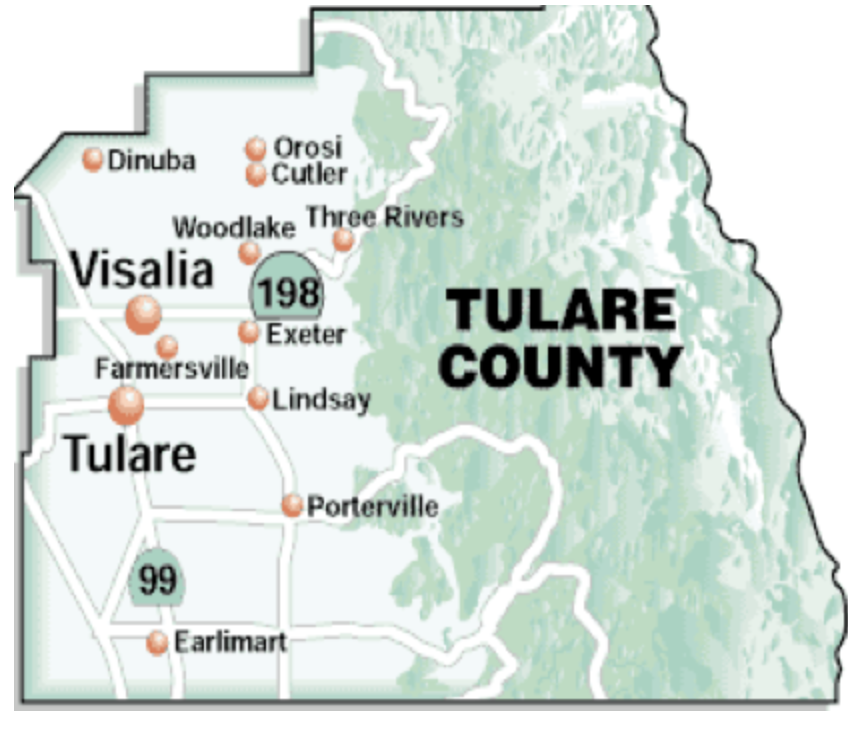
The number two pistachio processor in the nation, Setton Pistachios now has five campuses handling and processing the popular nut in California. There is a new northern California plant near Davis in Zamora,their main plant in Terra Bella California in Tulare County, a plant near Terra Bella that the company bought out of bankruptcy in 2025 (former Touchstone) now called Brooklyn and what they call Plant No 2 or Deer Creek. Back in 2020 the company announced they wanted to expand this plant and recently they updated that plan. Setton has operated its main pistachio processing plant in Terra Bella since 1995. In August 2006, they applied to operate a new satellite plant (Plant No. 2- Deer Creek)on Avenue 80 between Roads 184 and 192, approximately eight miles from its existing pistachio processing plant in Terra Bella (Plant No. 1). Plant No. 2 is designed to receive, hull, dry, and store pistachios. The final processing and packaging is done at Plant No. 1. This summer Setton updated their plan to expand Plant 2 adding two new logistics and shipping buildings ,130,00 square feet each,16 new silos and two new scales with a scalehouse.The facility has some 55 silos currently, key to handling the increase in pistachio volume expected to grow in coming years . This year, the nut crop is expected to decline by as much as 60% due to extremely hot weather during the bloom this past March. But Setton has always planned for the long term. They also have pioneered an organic facility in nearby Ducor.The number one pistachio producer, Wonderful Pistchios has commented on the challenging crop year.
According to the July 2026 issue of Nutfruit Magazine, the official publication of the International Nut & Dried Fruit Council (INC), the upcoming Fall 2026 crop at the time of reporting was forecasted at 315,000 metric tons (about 695 million pounds), which is about 60% below last year’s 2025 on-year crop and about 40% down from the previous off-year in 2024. More recent orchard evaluations project an even greater reduction in crop.:asst year thr indsyty ptdeced a record 1,57 bioolon pound crop.
This level of reduction is solely attributed to extreme heat during the critical spring bloom period, including a record-setting March with more than 10 days exceeding 90°F (~32°C). These conditions led to significant cluster and nut drop, reducing overall yield potential across California orchards.
“These high temperatures and conditions were entirely outside of a pistachio growers’ control,” said Andy Anzaldo, Senior Vice President of Grower Operations at Wonderful Pistachios. “While pistachios naturally follow a two-year cycle, the 2026 crop will be lighter than a typical off year due to these weather dynamics.”
Pistachios are what growers refer to as an alternate-bearing crop, meaning trees naturally cycle between larger yielding “on years” and smaller crops during “off years.” This alternating pattern has been a defining characteristic of pistachio production for decades and is factored into long-term planning across the industry.
The contractor for the new Chick-fil-A drive-thru on S. Mooney Blvd. has received a permit to install a construction trailer at the job site this week. The news means that work on the popular fast food restaurant should begin soon. The new double drive-thru will be in the same retail center as the Sam’s Club gas station where construction is well underway and in the same center to be anchored by a Sam’s Club warehouse in the 4300 block of Mooney Blvd in Visalia.
New Italian restaurant opens in downtown Visalia
The newest addition to the downtown Visalia Italian dining scene is La Piazza Italian Bistro on the corner of Main and Locust. The site is the former location of Sequoia Brewing that closed in Feb 2025. The new restaurant already has a strong following at its Tulare location and now has opened a second eatery at 124 W Main in Visalia.
Kaweah Health opens new Therapy Clinic in Tulare Kaweah Health held a ribbon cutting ceremony for its new Therapy Specialists – Tulare clinic on Thursday, July 23. This Tulare location is now open and accepting new patients.
This new facility is the seventh therapy specialists location for Kaweah Health, the first in southern Tulare County. It is the third Kaweah Health facility in Tulare.
“Having a location in the Tulare area has been a goal for a long time,” said Jag Batth, Kaweah Health chief operating officer. “Being able to care for those patients without them having to make the drive to Visalia extends our compassionate care farther into the county.”
The clinic features physical therapy evaluation and treatment, balance and vestibular therapy, gait training, hand therapy, pain management, range of motion, sport-specific training and conditioning, strengthening, orthopedic joint care, and treatment of neurological disorders. There are plans to offer occupational therapy in the future. The new clinic is located at 1927 N. Hillman St. The clinic is open 8 a.m. to 5:30 p.m. Monday through Thursday and 8 a.m. to 3 p.m. Friday. For appointments, call 559-624-6582.
Kaweah Health will start work on expansion of Mental Hospital
Kaweah Health, is seeking sealed bids for its Kaweah Health Mental Health Expansion located at 1100 S. Akers St., Visalia. This project will expand an existing 48,000 sq. ft. 63 bed mental health hospital by adding a new 12,800 sq. ft. wing. The new wing will consist of two separate units, one with 14 adolescent beds, the other with 8 pediatric beds.
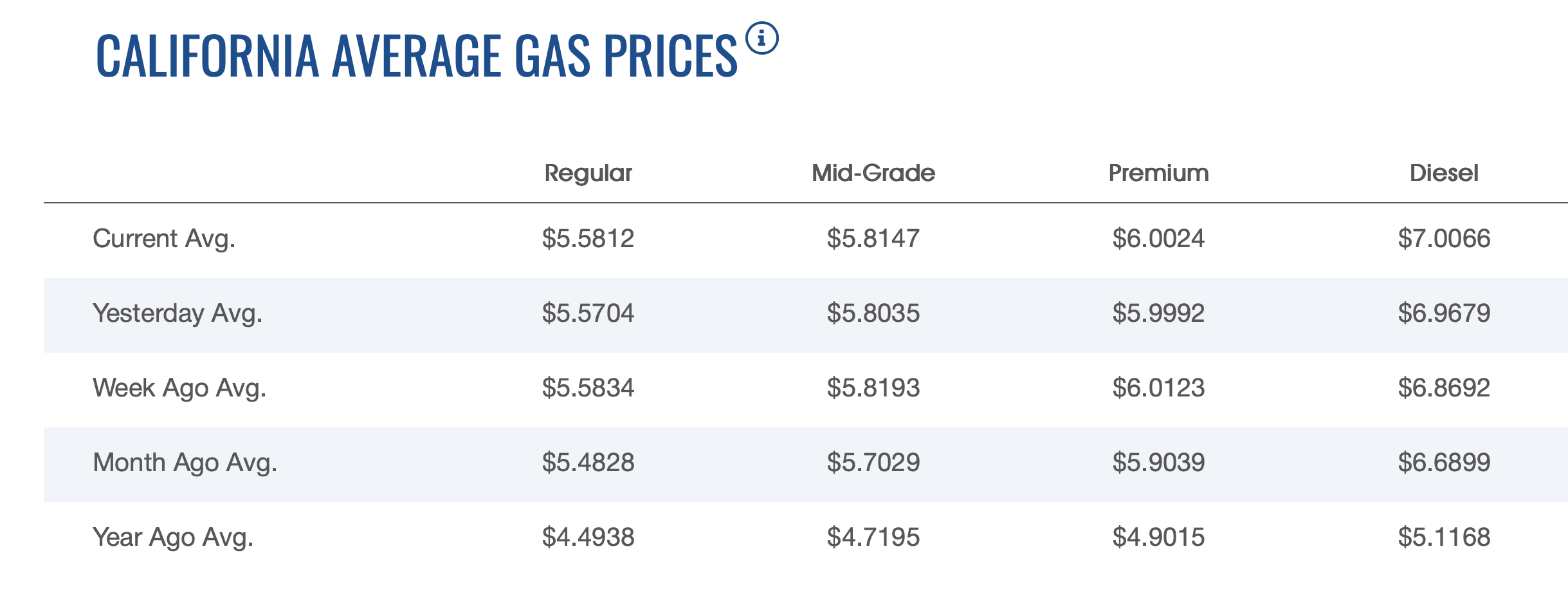
Is California about to get some good news at the pump?Governor Newsom is expected to sign the newly approved E15 Clean-Up Act (SB 795) that passed unanimously in the Assembly and State Senate in the past few days. Approval of the E15 blend in California -15% ethanol with 85% gasoline – comes as motorists are confronted with a daily spike in fuel prices. Oil – due to the war with Iran – tops $90/barrel this week and our state gas prices are ever higher, the most expensive in the nation. Studies suggest that the sale of E15 at your local station could save you up to 25 cents a gallon at the pump. Data from the Department of Energy shows drivers in other regions saving an average of up to $0.47 per gallon. The good news – as a result of the legislation – the new blend could show up at your corner station in the first quarter of next year, experts say. Critics suggest E15 mileage is lower than the current E10 blend in your car now. It is a long running debate we will address. First, the latest news. Another study? You may remember that Newsom signed a bill to make this happen last October. But a bottleneck surfaced over whether the vapor recovery unit on gas station nozzles would do their job with a higher blend? The State Fire Marshal said they needed a lengthy study overseen by a national lab. This new legislation solves that bottleneck by allowing gas stations to use their existing equipment to dispense E15 provided that the equipment manufactures submit a standard statement of compatibility. The vapor recovery systems are already approved for E10 and now the manufacturer would certify that it works the same with the slightly higher blend. Gee, why didn’t they think of that a year ago? It looks like a unanimous vote by the otherwise heavily divided California legislature, red or blue- appreciates that motorists in the Golden State need a break from gas prices that today average $5.80/gal compared to $4.60 a year ago with diesel up to $7.71 on average, rising 80 cents in just one month, according to AAA. Now the California Air Resources Board (CARB) is expected to officially consider and approve this final E15 rule during its upcoming meeting on September 24, 2026. The E15 blend is not new – the fuel is legal in all states except for California. Advocates say E15 is safe and federally approved for use in all light-duty cars, SUVs, and light trucks built in model year 2001 or newer, which encompasses the vast majority of vehicles on the road today. Next hurdle:will state fuel retailers adopt the new standard? Fuel marketers will be pleased that “most fuel tanks in the state are ready for E15”, says Robert White, VP with the RFA. The Renewable Fuel Association (RFA) says they will continue its work to advise California fuel retailers and others about implementing E15 sales, with a set of workshops coming to San Diego Sept. 9 in conjunction with the CFCA Summit.The California Fuels & Convenience Alliance (CFCA) is a nonprofit association that represents California’s fuel marketers, common carriers, gas station convenience store operators, and industry suppliers. Fuel marketers will be pleased that “most fuel tanks in the state are ready for E15”, says Robert White, VP with the RFA. RFA hopes the transition to E15 at your neighborhood station will not be confusing since the same pump that now dispenses E10- your cheapest gas – will now dispense the E15 blend – but the fuel will be cheaper.
The legislation implements a year-end deadline for the final hurdle. “On or before December 31, 2026, the State Fire Marshal shall adopt regulations governing the labeling and safe use of gasoline and ethanol blends containing more than 10 percent and up to 15 percent ethanol with vapor control systems and their components that have been deemed certified or approved pursuant to subdivision (a) of Section 41954.1.” Long road to green light Efforts to allow E15 sales in California have been ongoing for nearly a decade, says the RFA. The process to approve new fuel blends within the state is “uniquely difficult,” which has caused significant delays in approving E15 blends. Under a state law implemented in 1999, any regulatory change to California’s gasoline blend requires a multimedia evaluation and approval by the California Environmental Policy Council—an intensive process unique to California. The multimedia evaluations are conducted by a working group and typically take 2-5 years to complete. They are performed based on a three-tier structure. The California Air Resources Board began the process of a multimedia evaluation for E15 in 2018. A Tier III report, the multimedia risk assessment final report, was circulated to relevant agencies in late 2022, but little progress was made in the following years. The multimedia evaluation process, however, may finally be coming to an end. The California Environmental Policy Council voted also unanimously on Aug. 18 to approve the E15 multimedia analysis—the final step in the regulatory process to formally approve E15. CARB is now expected to approve its E15 regulation at its Sept. 24 meeting Good news for farmers How could all this impact corn demand? Oil companies may not be cheering for E15 – but our farmers are. Full adoption of E15 in California is projected to create a market for an additional 200 million to 250 million bushels of corn annually: The transition could expand California’s ethanol demand to roughly 1.3 billion gallons per year, serving as a major boost for Midwest and national corn growers.Of course that is 1.3 billion gallons of petroleum that we won’t need. According to Ethanol Producer Magazine, “If fully adopted in California, E15 would represent a market for an additional 250 million bushels of corn.Corn growers hope to convince Congress to approve year-round E15 use across the nation as well.
Pluses and Minuses
If E15 is cheaper, critics note that each gallon of ethanol supplies about one third less energy as pure gasoline.So fuel economy drops by about 3% they say. Others point out that the fuel additive hurts some engines.
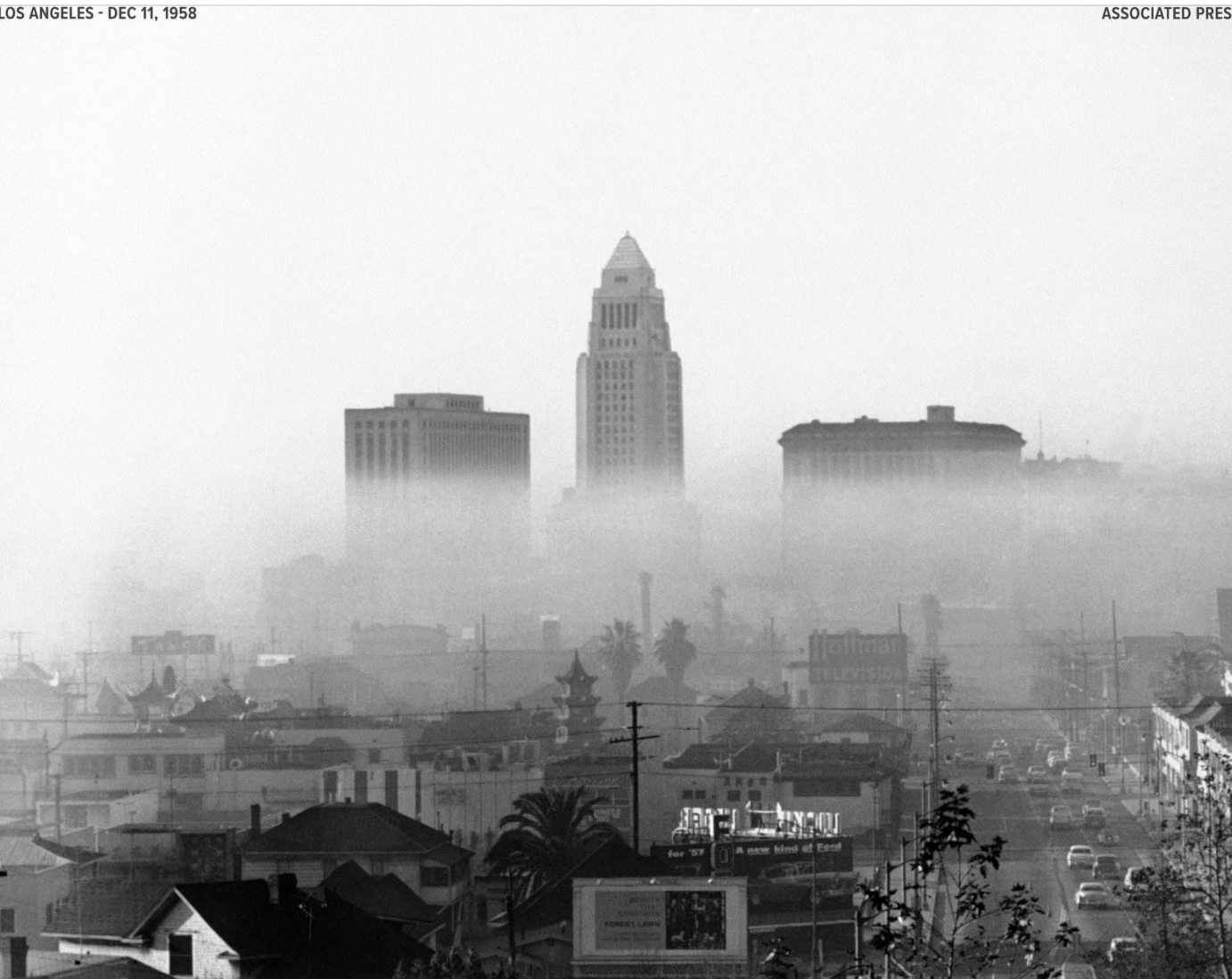
But supporters point out that ethanol, made from corn, is not fossil fuel-based so does not drive-up global warming.In fact,blending plant-based ethanol with petroleum gasoline reduces smog levels that used to choke California cities like LA and the entire San Joaquin Valley.Thank the Clean Air Act signed into law by President Nixon to work to resolve this. “Hydrocarbons were leaking like crazy out of people’s gas tanks,” said the state’s first Air Board chair. “Every time you filled your car at the gas station, huge amounts of hydrocarbons were emitted,” when that action was multiplied daily across the region.”
MTBE saga
While the Clean Air Act demanded cancer-causing lead be taken out of gasoline, it replaced it with an oil-based chemical MTBE – introduced in 1979 as an oxygenate and an octane booster. It increased the compression the fuel could withstand before igniting to prevent engine knocking. While MTBE reduced carbon monoxide, it turned out to be a major pollution problem in communities up and down California, particularly in the San Joaquin Valley. The chemical easily migrated into our drinking water supply.
According to an extensive study by the Environmental Working Group (EWG), 127 public drinking water systems in California detected MTBE contamination, affecting supplies that served an estimated 30 million people. At the peak of the crisis, California had roughly 10,000 MTBE-contaminated sites.It not only contaminated ground water, it polluted surface water. Modern vehicles and agencies like CAL FIRE now use ethanol as an alternate oxygenate to safely meet octane requirements without the same problems.
In 2025, the San Joaquin Valley experienced the cleanest air quality conditions ever recorded in the region’s history- Valley Air Board
Meanwhile the air quality benefits not only impacted Los Angeles but here in the San Joaquin Valley reports the Valley Air Board. “In 2025, the San Joaquin Valley experienced the cleanest air quality conditions ever recorded in the region’s history. Based on monitoring data, every air monitoring site across the Valley recorded levels below the federal 24-hour PM2.5 standardof 35.4 micrograms per cubic meter. For the first time since monitoring began, the entire region met this benchmark, marking a transformative moment in the Valley’s decades- long journey to improve air quality.”The Air Board adds that “95% of the days in 2025 met federal health standards – 20% better than in 2012, and 78% better than in 2002.”
Blending ethanol with our gas supply offers one other important benefit. It adds to our fuel supply that is otherwise tight, particularly in California, made worse when we lose refiners. Lastly, you will never need to worry about sending our troops to make sure Kansas farmers send us our fuel.
The Iran war has propelled diesel prices skyward across the nation with California leading the way – up nearly $2 a gallon in the past year. AAA reports the average price of diesel in California is $7/gallon as of Aug 19,c nearing the all time record of $7.74 this past April. By contrast the average price of gasoline is up in California by about $1 dollar- half as much- from the same time last year.
The high cost of diesel is hitting major users of the fuel hardest including farmers, truckers, logistics and ocean shippers as well as the construction industry who need the fuel to move goods. That increase is, of course, passed on to consumers.
California farmers alone use 240 million to 300 million gallons of diesel fuel each year. This powers about 118,500 pieces of off-road mobile agricultural equipment statewide, including tractors, harvesters, and irrigation pumps.
Tom Kloza, chief oil advisor to Gulf Oil, says that disruption in the global oil market from the Iran war is likely to make this harvest season extremely costly as average diesel prices are well over $5 a gallon, nationally. Harvest season of the big Midwest crops are at-hand.
Besides blaming the conflict for the run-up in diesel, you might as well also blame AI with the surging demand for backup power from data centers underway.
If many of us are paying more for diesel, some companies are making big profits. Diesel refining profits have surged to all-time highs, with the diesel “crack spread” topping a record $102 per barrel.A wider crack spread means refined products are selling at a much higher price relative to crude oil, signaling high potential profits for refiners. Driven by global supply crunches, geopolitical conflicts, and refinery disruptions, major energy companies like Marathon Petroleum and Valero have more than doubled their per-barrel margins.
Loss of refining capacity worldwide has had a big impact according to Forbes. “The world has lost a significant amount of refining capacity, and when you cannot turn oil into gasoline and diesel, prices rise. According to S&P Global, the world has lost 7.5 million barrels a day of refining capacity at this point, and it is not getting any better as the Houthis are now targeting these same facilities in Saudi Arabia. In July, Russia, which is responsible for 10% of global diesel supply, stopped diesel exports for a month; that pause was eventually extended to the end of the year, as it is estimated that Russia has lost nearly 40% of its refining capacity. This leads to the United States sending more diesel to countries around the world to pick up the slack. As of now, U.S. diesel inventories are a full 10% below the five-year average and dropping. This is causing much higher wholesale prices for diesel here at home, and the national average price has reached $5.40 a gallon.”
ABC reported the ” pricing gap has left many drivers wondering why diesel is so expensive. Farhad Sabetan, an economics professor at Cal State East Bay, says the answer comes down to supply and demand.
“Diesel inventories were already low before recent global conflicts,” Sabetan said. “Years of high freight demand, along with limited refinery capacity, have kept diesel stockpiles thin.”
Unlike gasoline, diesel is heavily tied to the global supply chain – powering trucks, trains, ships and industrial equipment. When supply tightens, prices can rise quickly and remain elevated for extended periods.”
Pop Goes the Diesel! Average US diesel prices hit $5.446/gal, up nearly $1.75/gal from one year ago. Highest prices ever for harvest season and costliest freight surcharges ever on tap for the last 140 days of 2026.-oil analyst Tom Kloza
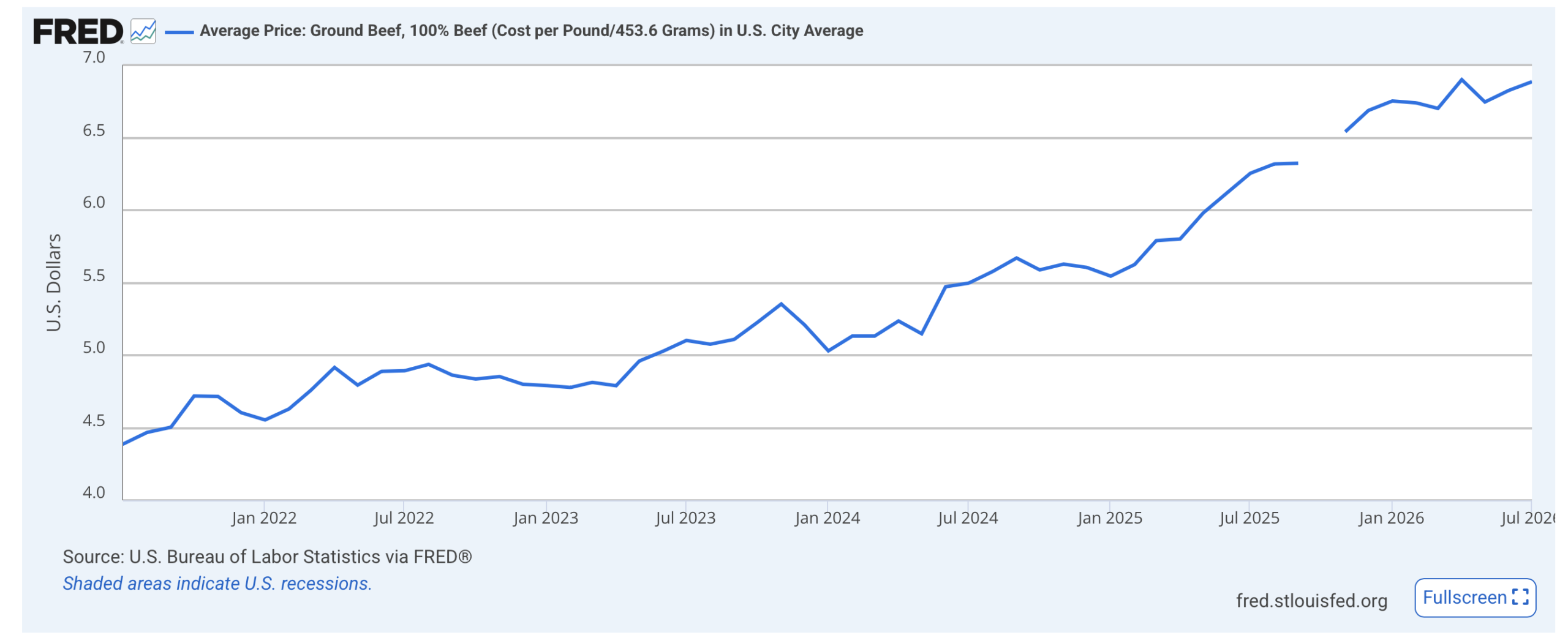
Beef prices: Tyson Foods is closing beef processing plants in Illinois and Utah while selling its Washington facility to streamline operations and adapt to one of the most severe cattle shortages in U.S. history, consolidating production at three centrally located facilities in Nebraska, Kansas, and Texas.When Tyson Foods on August 3 reported its financial results for the third quarter, it revealed that the company’s beef segment experienced an operating loss of $142 million. Here is a 5-year St Louis Fed chart of hamburger prices, now near $7/ lb.
Sorry Charlie:Tuna giant Bumble Bee Seafoods is shuttering their Santa Fe Springs Calif facility (LA) laying off 197 workers as of November 19 according to a state WARN notice. The seafood processing brand previously executed a smaller permanent layoff affecting 56 employees at the same location in December 2025.The business may be impacted by a confluence of factors including limits on fishing, a consumer shift away from traditional canned products toward innovative flavor pouches or alternative fresh proteins, Also the company has faced ongoing litigation costs over charges of human trafficking and forced labor. Higher Mortgage rates: Real estate analysts say that the 30-year mortgage rate climbed upward in July to 6.69%, the highest since July 2025 says Freddie Mac.The prediction is that it will continue to rise over the next few months. The boost in the rate is expected to hurt both new home purchases and refinance activity. The Freddie Mac figures show that the rate has risen from 6.43 per cent at the beginning of July and from 5.98 per cent before the Iran war began in late February.
Modesto wine cap maker lays off 66 workers: G3 Enterprises announced the layoff of 66 workers at their wine cap factory in Modesto, reflecting decling demand in the wine industry in California “Like many companies in our industry, we have experienced changes in customer purchasing patterns and production volumes,” Laura Bream, the company’s vice president of human resources, said in a statement. “While these changes have contributed to the need for restructuring, they reflect broader market dynamics affecting the entire wine sector.”
Wheat farmers hurt by higher costs: Kansas farmer Gary Millershaski is blunt in describing the economics of wheat production.“There has not been any profitability,” Millershaski said. “Our profitability is nothing right now.”
Millershaski took over as chairman of U.S. Wheat Associates in June, and will serve a one-year term. He spoke with Capital Press the morning of Aug. 7.Millershaski cites increased input costs as a result of first Russia invading Ukraine, and then conflicts with Iran. “Our nitrogen went from 60 cents a pound to $1 a pound; our fuel probably went up $1.50 a gallon,” he said. “Any time you mess with either one of those, it’s a domino effect that just explodes.” Machinery parts are also affected.
“We are in a hand-to-mouth society on parts,” Millershaski said. “Freight has just exploded. It used to be, we would get parts on stock order … that’s almost a thing of the past. If you do that, you may not get it for a month. Nobody inventories anything. A cylinder on my sprayer broke, nobody had one, it came out of Canada. It got tied up in Buffalo, N.Y., it sat there for a week. We can’t do that.” From Capital Press
The Santa Maria Planning Commission is expected to make a final decision on a 588 job package delivery distribution center on Stowell Rd at its May 6 meeting. The name of the tenant has not been announced although there are strong signals it is Amazon.
If a project gets a thumbs up from the planning commission, there would be a 14-day appeal period. If the project is not challenged, the applicant after that could move to construction. Construction is expected in stages to start this spring and last into summer of 2027.
Santa Maria city planner Frank Albro says as of May 1 the city will release its final response to comments to the draft EIR for the big project. Concerns have been raised over traffic as a result of the project.
According to the draft EIR, the proposed delivery warehouse would operate 24/7 to support delivery of packages to customer locations between 10:00 a.m. and 9:00 p.m. The main on-site facility would include delivery and distribution, office and processing uses, including shipping and receiving of packages. The operation would support some 588 jobs.
Approximately 34 line-haul trucks (semi-trailer trucks) would be expected to deliver packages to the warehouse each day. The customer packages would be sorted by address groupings, assigned to the delivery routes, placed onto movable racks, and staged for dispatch. Delivery drivers would arrive at the delivery warehouse around 9:20 a.m. and begin queuing for loading.
Steady stream of delivery vans
Up to 345 delivery vans would depart from the delivery warehouse at a rate of up to 72 vans per 20 minutes to facilitate a regulated traffic flow into the surrounding area. Approximately 8–10 hours after dispatch, delivery routes would be completed, and the vans would return to the station intermittently between 8:10 p.m. and 9:50 p.m.
One objective of the parcel delivery facility incorporates sustainability features like EV, solar, and low-water usage, says the EIR. Solar roof arrays would be installed to offset electrical energy demand with a design capacity of 750 kilowatts direct current. To manage energy supply and demand, the project would include an ‘after the meter’ Battery Energy Storage System to store energy for later use by the facility, with a design rating of 650 kilowatts direct current.
The project is being spearheaded by Seefried Industries who manages industrial projects for tenants, including a number in California and elsewhere for Amazon. The Santa Maria Center is thought to be a grocery delivery operation with an aim to offer same-day delivery to customers around the Central Coast.
Visalia issued 562 new home permits in 2025, more than double the 270 permits in 2024. So far in 2026 in only a quarter of the year, builders here have taken out permits to build almost 200 new single family homes. See chart below issued by the City of Visalia.
Tulare County existing home sales slow
The latest figures for the Tulare County real estate market point to slow sales the first week of April 2026 with the number of homes sold is down 62% year over year but the number of homes for sale up 6%.Pending sales were also down 25% compared to the same period year ago. A year ago there were some 550 homes on the market in March 2025 and now there are about 600. Late winter is also the slowest time of the year for real estate sales
.
Tulare County Jobless rate climbs EDD reports that the unemployment rate in Tulare County was 11.1 percent in January 2026, up from a revised 10.2 percecent in December 2025, and above the year-ago estimate of 10.9 percent. This compares with an unadjusted une rate of 5.5 percent for California and 4.7 percent for the nation during the same period.
While the county’s jobless rate year over here has climbed slightly, two sectors continue to show strength. Leisure and Hospitality jobs are up by 600 from January 2025 and healthcare jobsare up by 1400 the past year.
A closer look at the numbers shows Tulare County civilian labor force has declined in the past year by over 3500 indicating that these people are perhaps gone and clearly unavailable for work here. Fresno County has the same trend showing his lower labor force, but a big jump in both healthcare and accommodation jobs.
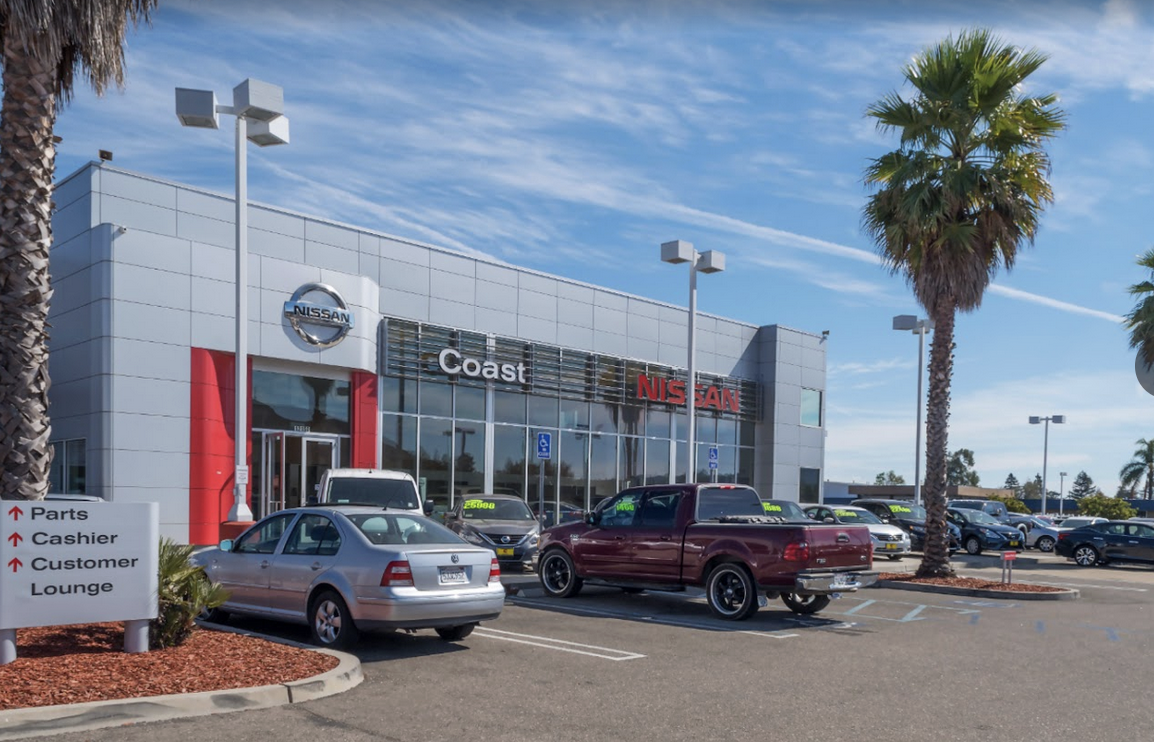
New car dealership Coast Nissan on Los Osos Valley Rd has closed its operation as of this weekend according to the dealer website. Sales members at the Porsche dealership next door say the building is being remodeled to accommodate pre-owned Porsche cars and other high-end sports cars and exostics “including some Ferraris”. Owned by the Cardinale Automotive Group, the company has 26 dealerships in the West including BMW of SLO on San Joaquin St and the Porsche dealership on LOVR. Cardinale posted on the Coast Nissan website that warranty work could be directed to other Cardinale dealerships in SLO. But local Nissan owners who want the car maker to service their vehicle will now have to travel to San Maria.The San Luis Obispo Nissan closure comes as a number if other West Coast Nissan dealerships shut down including North Bay Nissan in Petaluma, CA last summer, Vallejo Nissan converted into a Hyundai location, Nissan of Sacramento who closed in late 2025, Town Nissan (East Wenatchee, WA) who closed in March 2026 and Nissan of San Juan Capistrano who closed with inventory and customer service transitioned to Nissan of Irvine according to its website. Like other foreign-made imports Nissan has been hit by President Trump’s tariffs including many Nissan cars made in Mexico. A new report says tariffs on Mexico-made entry-level vehicles increase per-car costs by $2,500–$3,000. Now Nissan is pressing U.S. officials to ease tariffs on vehicles made in Mexico, citing the need to keep entry-level models affordable as average new car prices hover near record highs.Nissan’s line-up of cars and trucks have faced challenges of tariffs,higher costs and tough competition not just here but overseas from Chinese exports. Most recently the company reported a 7.5% decrease in total U.S. sales for Q1 2026. Car sales were way down but Nissan truck lines improved their sales. In the most recent quarter in California, Nissan had a 4% market share while Toyota enjoyed an 18% share according to the California New Dealers Assn. Last year
Nissan Motor Co. reported a net loss of $4.5 billion for the fiscal year ending March 2025. To address this crisis, the company is cutting 15% of its global workforce (approx. 20,000 jobs) and closing seven manufacturing plants, according to The Japan Times and Automotive News. The company hopes to return to profitability by fiscal year 2026. It’s not just this Japanese car maker that is hitting the brakes. Reports say all U.S. auto sales for March 2026 are projected at roughly 1.37 million units, a sharp drop from the 1.79 million units sold in March 2025. Now high gas prices won’t help.
California strawberry growers are harvesting more fruit in the first quarter of 2026 according to the California Strawberry Commission.From January through March, growers have picked 27,500 cartons compared to 17,000 at this time in 2025 and 18,000 cartons in the first 3 months of 2024.
The Santa Maria district is enjoying a particularly bountiful year- double the volume- with over 10 thousand crates picked already this year vs 4800 in the same period in 2025 and 4500 in the same three months of 2024. Of course, the busiest harvest season is ahead of us when California harvests about 240 million crates on an annual basis. The juicy berry crop is the top crop money maker for Santa Barbara, San Luis Obispo and Monterey counties.
Unseasonably warm temperatures are accelerating crop growth prompting this early start to the strawberry season, say industry sources.
One major company, California Giant Berry Farms, is forecasting “a bountiful harvest” of California strawberries, signaling a season of high quality and promotable volumes. “With production hitting its stride in key growing regions, the berry purveyor is prepared to meet surging consumer demand with a steady supply of both conventional and organic” says a news release.
“The Santa Maria region is currently delivering strong production, characterized by strawberries with great flavor and vibrant color. Retailers should prepare for a significant volume surge as the region reaches its conventional peak between Week 14 and Week 19 (April). Notably, the organic harvest in Santa Maria is forecasted to hit its peak during Weeks 16 and 20, aligning with the conventional peak.”
“”We are seeing a strong influx of volume as Santa Maria reaches its full potential,” said Brad Peterson, Director of Business Development at California Giant Berry Farms. “With production hitting its stride and yields coming in strong, we are prepared to meet large-scale demand with a very robust and consistent high-quality supply of fresh strawberries.”
In the San Joaquin Valley UC Farm Advisor Michaeil Ynaf says this season is “like three weeks ahead.”
The Trump administration has earmarked $540 million to repair subsidence impacted Central Valley canals and funding to plan the raising of Shasta Dam.
Passed in 2025, the so-called One Big Beautiful Bill provides $1 billion to the Bureau of Reclamation through 2034 to restore and expand existing water conveyance systems and increase surface water storage capacity across the West.
California projects include the Delta-Mendota Canal that like all the canal projects funded – is suffering from land subsidence due to nearby groundwater pumping, The canal will receive $235 million, the largest allocation from the legislation.
Funding will support rehabilitation of the upper canal, including raising canal embankments, repairing check structures and advancing potential construction of a new concrete-lined canal segment.
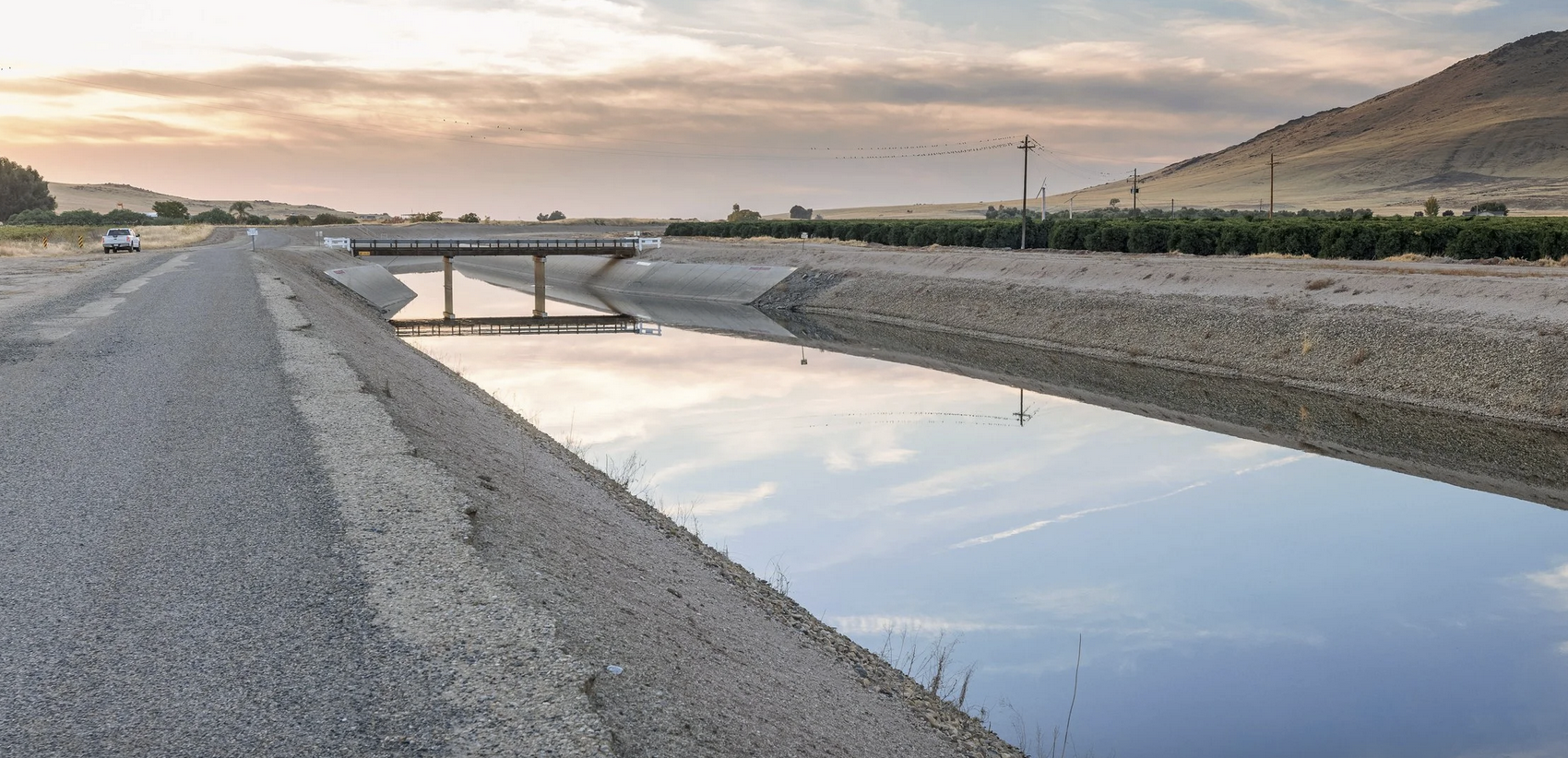
The Friant-Kern Canal will receive $200 million for subsidence correction efforts along the canal.
In an update the Friant Water Authority board voted this week to use this funding from the federal government to continue more subsidence-related repairs on the canal.
The SJV Water publication reported this week “The canal had sunk over 33 miles from about Pixley to the Kern County line due to excessive groundwater pumping that caused the ground to collapse. Repairs on just one 10-mile section have cost $326 million so far.”
The San Luis Canal will receive $50 million to address subsidence issues affecting water delivery reliability.
The Tehama-Colusa Canal Authority pumping plant will receive $15 million to increase flow rates and improve system performance.
An additional $40 million will support planning and preconstruction activities associated with raising Shasta Dam, which will increase water storage capacity by approximately 634,000 acre-feet. That volume of water is enough to supply about 2.5 million people for a year, says the Dept of Interior.