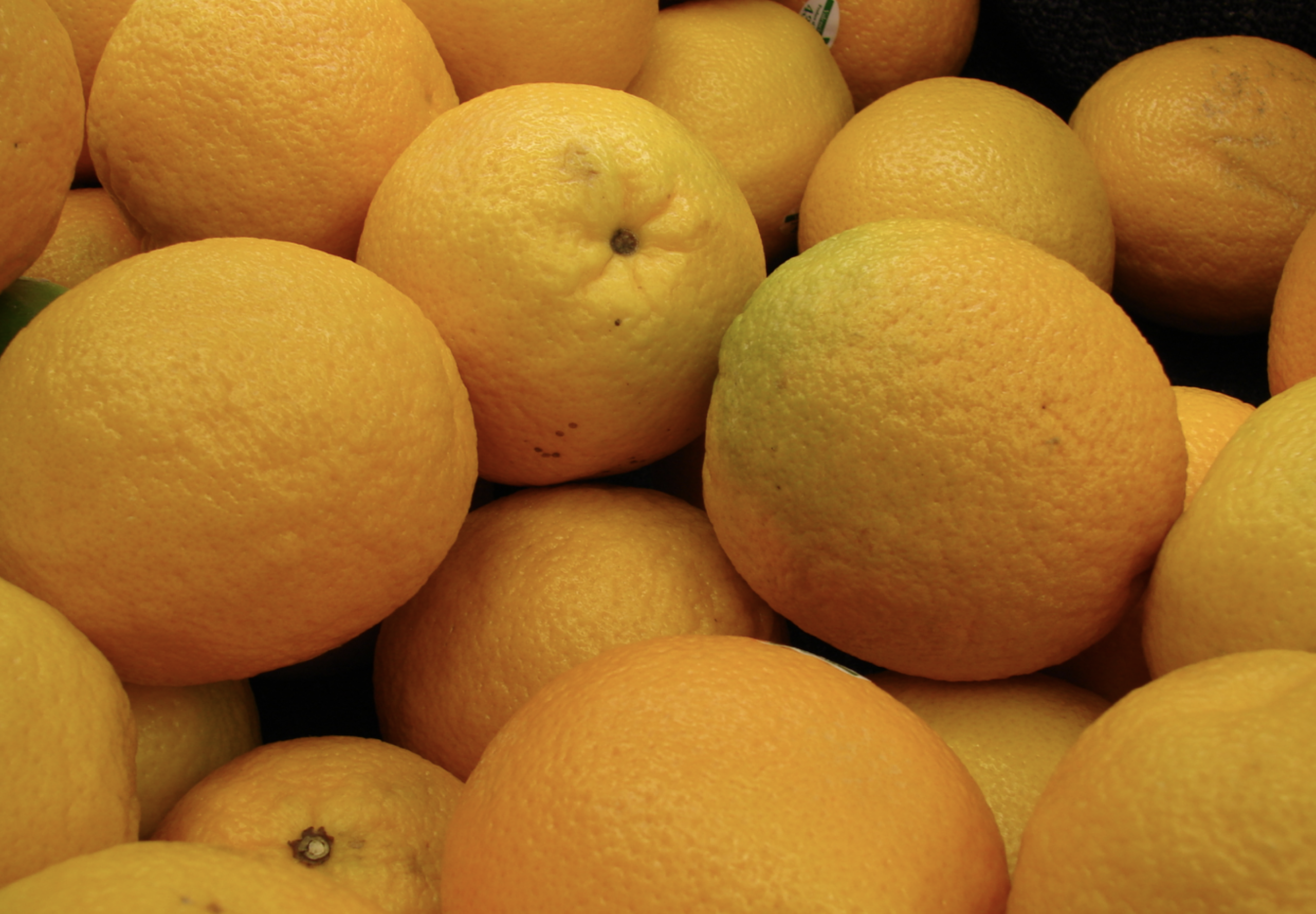
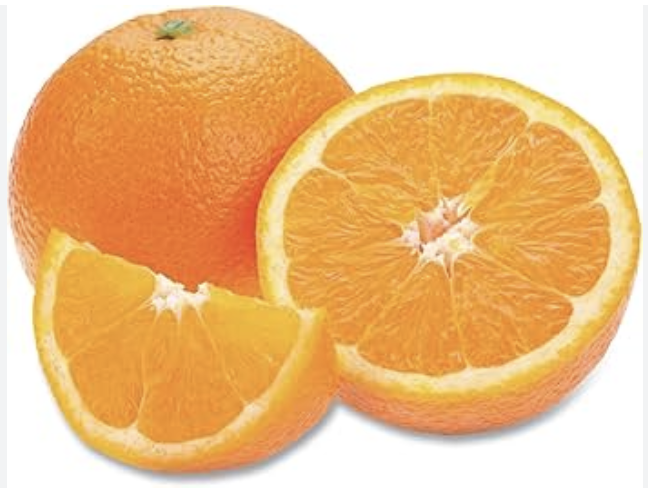
USDA reports that the initial 2026-27 California Navel orange forecast is 84.0 million cartons, higher than average over the past decade.
Survey data indicated a fruit set per tree of 388, up 3 percent from the previous year. Fruit set in Tulare County is 421 per tree, higher than average. The average diameter from the survey was 2.176 inches, down less than 1 percent from the previous year.
Bearing acreage of navels is estimated at 109,000, which results in a forecasted yield of 771 cartons per acre. Bearing acres of navels are down from 140,000 in 2020 to 109,000 acres today.Yet growers are producing more fruit on the same piece of dirt in part because trees are planted more densely.
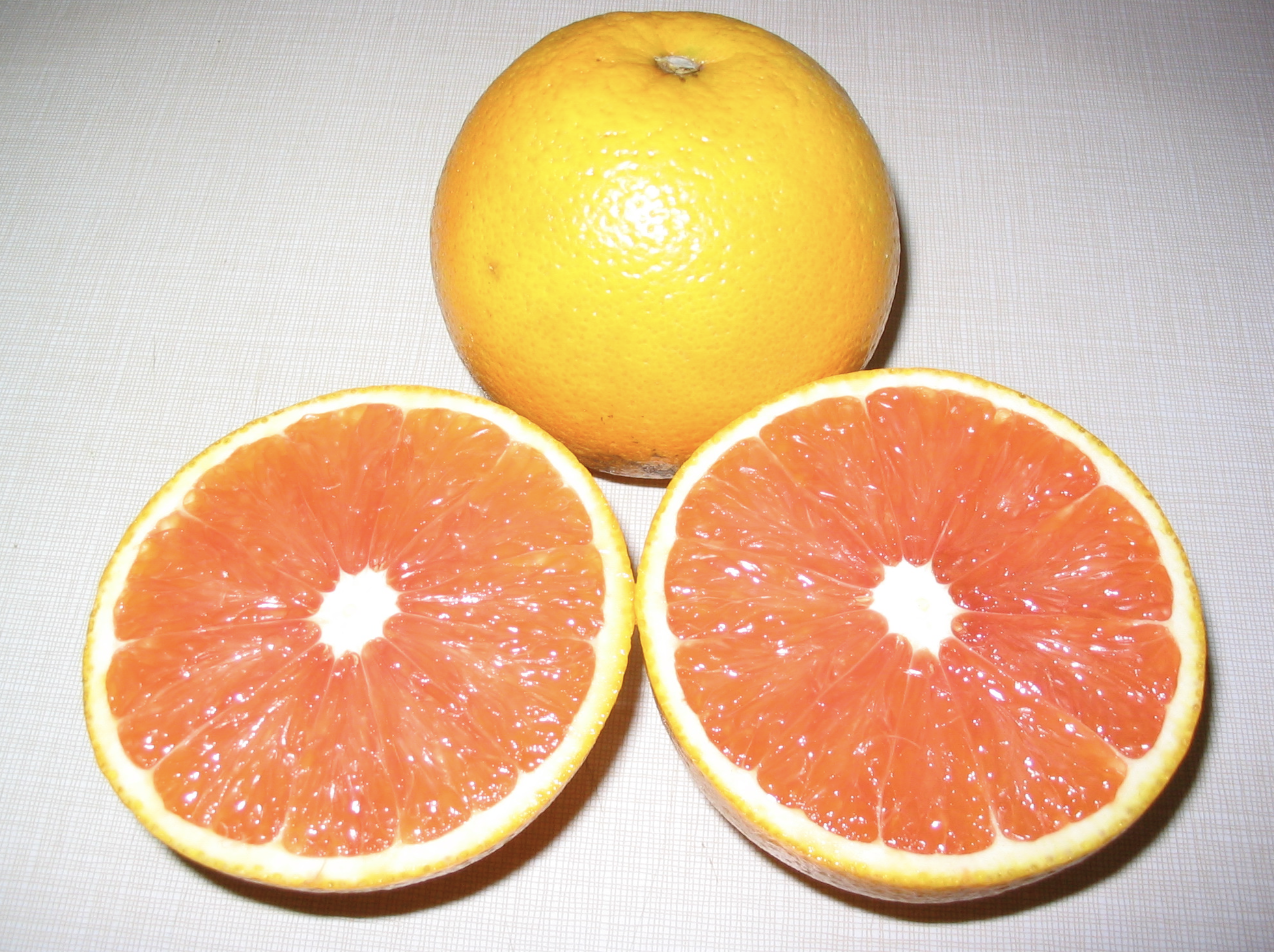
CARA CARA PRODUCTION FORECAST
Cara Cara variety production is forecast at 13.0 million cartons. Survey data indicated a fruit set per tree of 312, up 8 percent from the previous year. The average diameter from the survey was 2.231 inches, up less than 1 percent from the previous year. Bearing acreage is estimated at 15,000, which results in a yield of 867 cartons per acre Bearing acreage of this tangy variety has more than doubled since 2020.
Mandarin Forecast
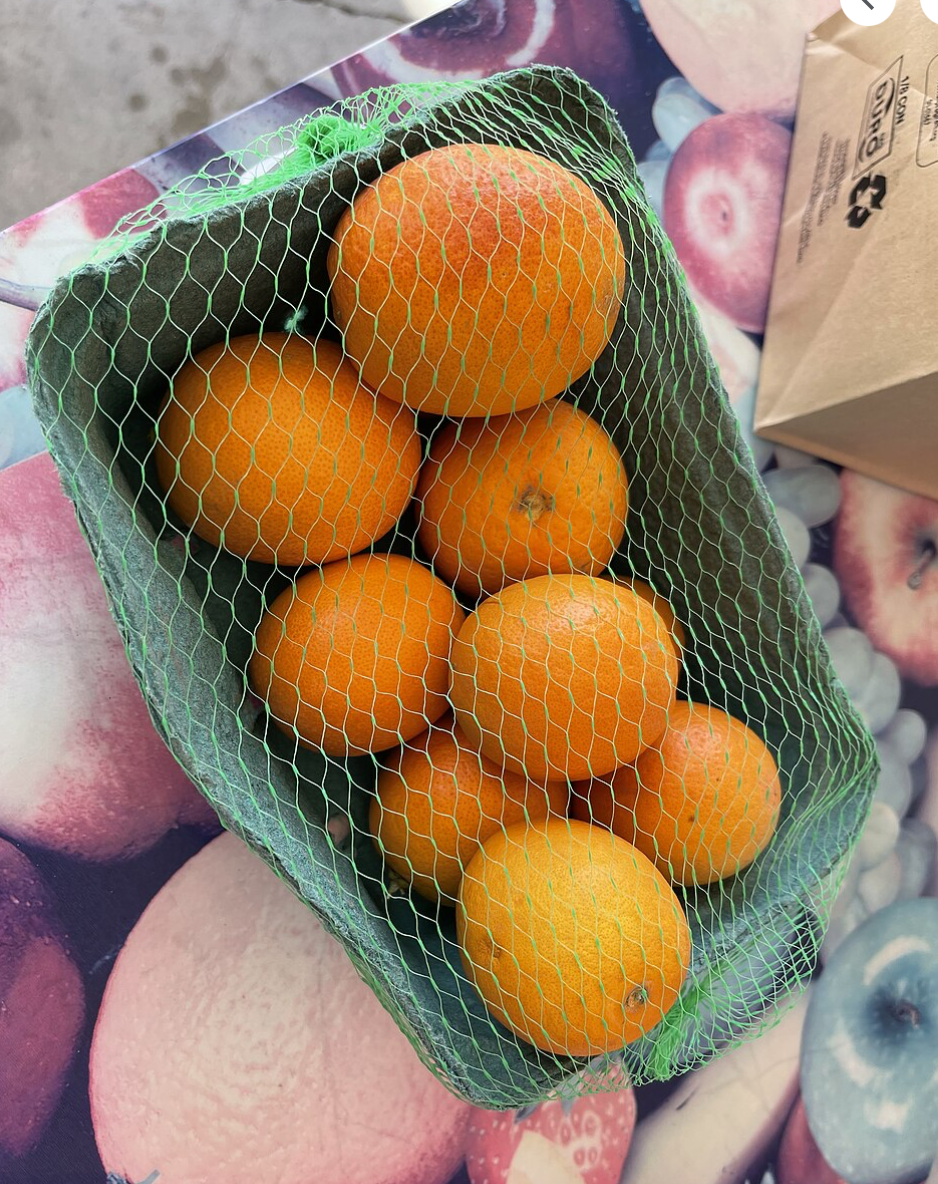
California Department of Food and Agriculture (CDFA), in cooperation with the U.S. Department of Agriculture (USDA) National Agricultural Statistics Service (NASS), released its 2026/2027 California Mandarin Objective Measurement Report.The initial estimate for Tango and W. Murcott Afourer varieties is 38 million 40-lb. cartons, up 5 million cartons from last year’s estimate.
Fruit set is down 2% from last year at 493 per tree. Diameter is up less than 1% from last year at 1.365 inches. Bearing acreage is estimated at 36,000, which results in a yield of 1,056 40-lb. cartons per acre. This is the fourth year of the Mandarin production forecast.
Exeter-based California Citrus Mutual announced the selection of Tom Danowski as its new Chief Executive Officer following an extensive search conducted by the CCM Board of Directors.
Danowski brings more than three decades of executive leadership experience spanning agriculture, advocacy, trade association management, and marketing. Most recently, he served for 13 years as President and CEO of the Oregon Wine Board and Oregon Winegrowers Association. During his tenure, he helped drive the Oregon wine industry’s total annual economic impact from $2.7 billion to $8 billion through industry collaboration, strategic advocacy, and public policy work.
Prior to leading Oregon’s wine industry, Danowski held senior executive positions with several nationally recognized consumer brands, including Chateau Ste. Michelle Wine Estates, Starbucks, and Coca-Cola. His background combines strategic marketing expertise, operational leadership, and extensive experience working with both agricultural producers and policymakers.
Danowsoki replaces Casey Creamer who left the trade group in mid-February 2026, after which day-to-day operations have been handled by the existing staff.
The Packer farm newspaper this month pointed to weak regulation of mounting imports of lettuce and other produce from Mexico as a problem citing increases of foodborne illness -Cyclospora in the US.
Salinas-based Taylor Farms has been linked to iceberg lettuce imports from Central Mexico caused by fecal matter contamination of irrigation water and Jalapeno peppers linked to salmonella.
The newspaper pointed to a decline in oversight by the FDA.
“Food and Drug Administration’s ability to oversee imported food, experts say. FDA’s employment fell by 22% in 2026 compared to 2024, according to agency data, in part due to workforce cuts since Donald Trump returned to the White House. Foreign food-facility inspections by FDA fell by nearly 13% in fiscal 2025, while imports have continued to rise.”
The news has hit the US fresh produce industry hard as consumers have balked on purchase of salad makings at their local store. No California grown produce has been linked to any illness.
NBC reports that lettuce prices have recently plunged 16% as the cyclosporiasis outbreak has rattled consumers.
It’s very likely due to the cyclospora outbreak and consumers just not wanting to buy lettuce right now,” said Jeremy Horpedahl, an associate economics professor at the University of Central Arkansas. The “consumer is just wanting to stay away from this product.”
Paraquat out in California
The California Department of Pesticide Regulation (DPR) announced in recent days that all manufacturers of pesticide products containing the active ingredient paraquat-dichloride (paraquat) have voluntarily cancelled their product registrations, beginning the phase-out of the use of paraquat in California.
Exposure to the pesticide has been tied to potential thyroid issues and birth defects in humans, according to reports from the state pesticide regulation agency.
Almond crop sales diverge – exports up, domestic down Chinese sales shrink again
The Almond Board of California has released its final position paper for the 25/26 crop year and it shows export sales continued strong, up 3% over 24/25 but domestic sales were off 11.3%.
While exports overall were strong to Turkey, Pakistan , Morocco,Spain and Italy – sales to a former top customer China /Hong Kong dropped 34%.
Trade war impacts
U.S. almond sales to China have fallen sharply due to high retaliatory tariffs, allowing Australia to overtake the United States as China’s leading supplier. Shipments to China reached 144 million pounds in the 2022/23 marketing year (August–July), but fell by nearly 50% to 51 million pounds in 2024/25.Now as of July 2026 they are down to 33 million pounds for the crop year. That is a drop of 77% from 2022/23.
According to industry reports from the survey company Land IQ, bearing acreage sits at approximately 1.38 million acres, indicating a slight downward trend driven by orchard removals and stricter groundwater regulation
Tractor sales continue downward trend
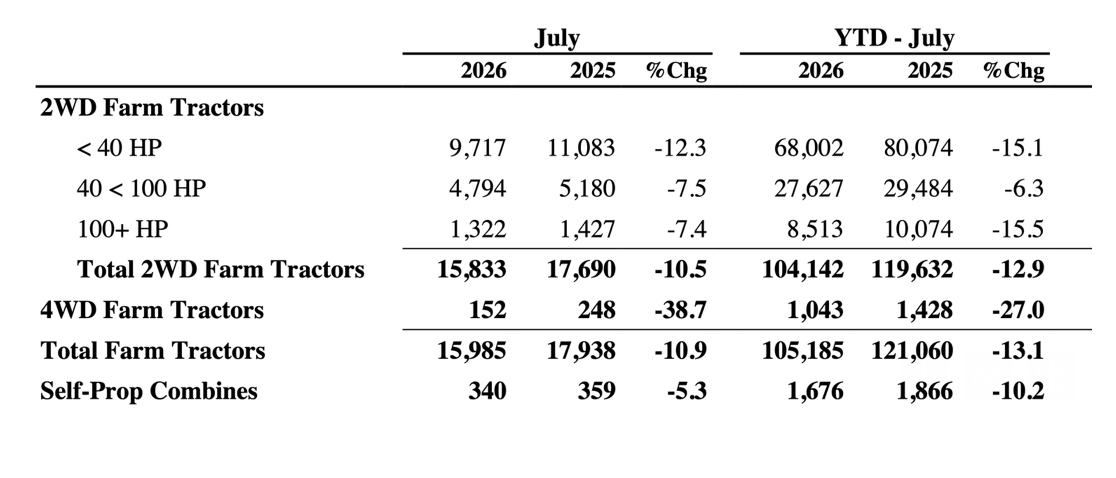
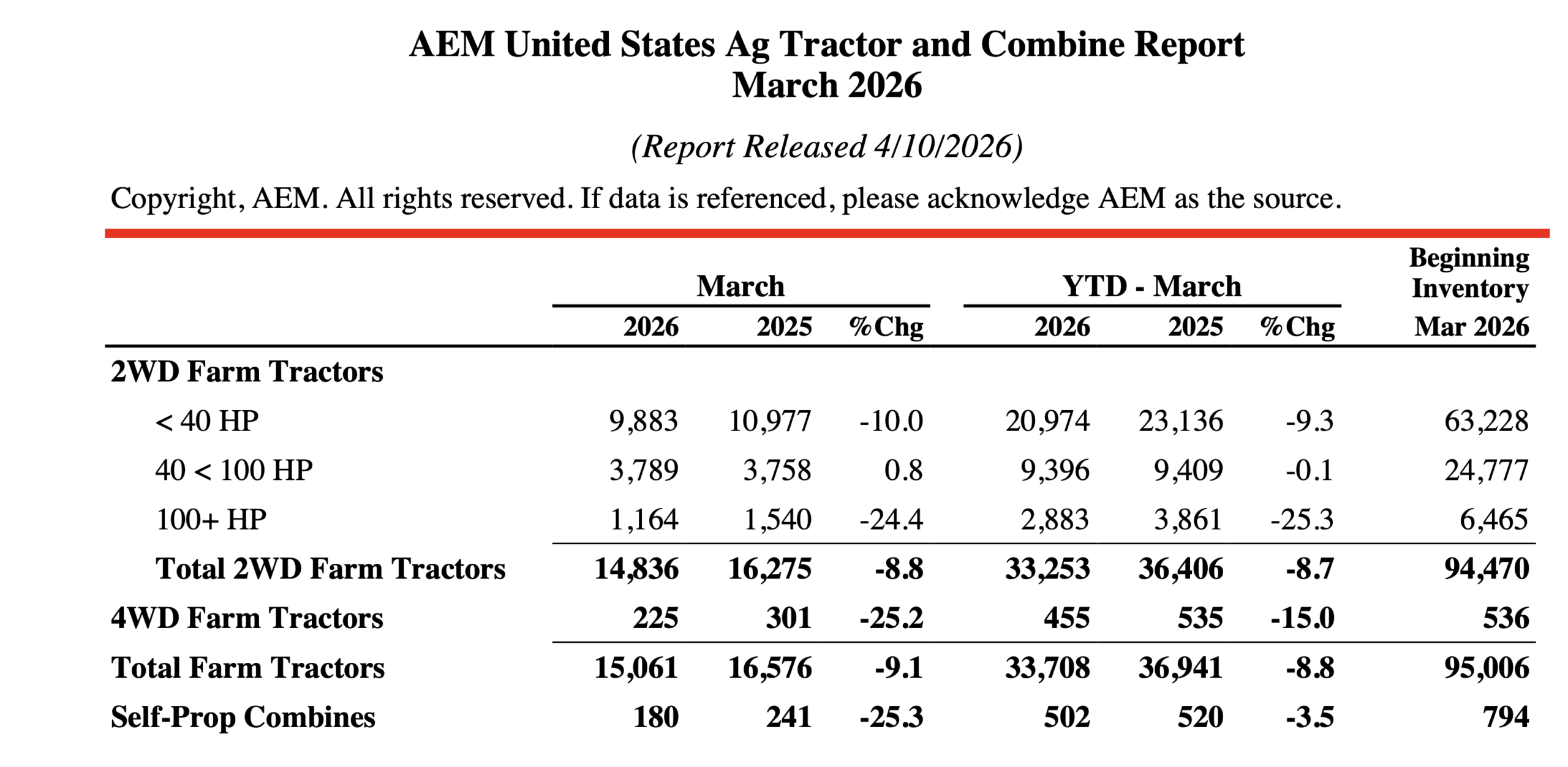
Both 2-wheel and 4-wheel tractor sales were down in July compared to the same month in 2025, says an industry monitor, the Association of Equipment Manufacturers. 4-wheel tractor sales declined 39% and 2-wheels were down 10.5%. and 12.9% on a year to date basis as farmers face uncertainty over the future.
Extreme heat in March and April has stressed a variety of crop yields in the Central Valley continuing this summer and now the fall pistachio crop looks to be impacted big time as well. Estimates are that the important nut crop could be down by more than half as the bloom was off, suffering pollination failure in parts of the Central Valley.
First crop out of the chute were cherries. The California Cherry Board estimated production to total fewer than 5 million boxes this season, compared to an average of about 8 million boxes annually over the past five years. Industry officials said an unusually warm March accelerated crop development before April and May storms caused widespread fruit cracking and quality issues near harvest according to press reports.Multiple counties have requested disaster designations.
This summer’s early grape crop was hurt by very hot temps over multiple days as well.
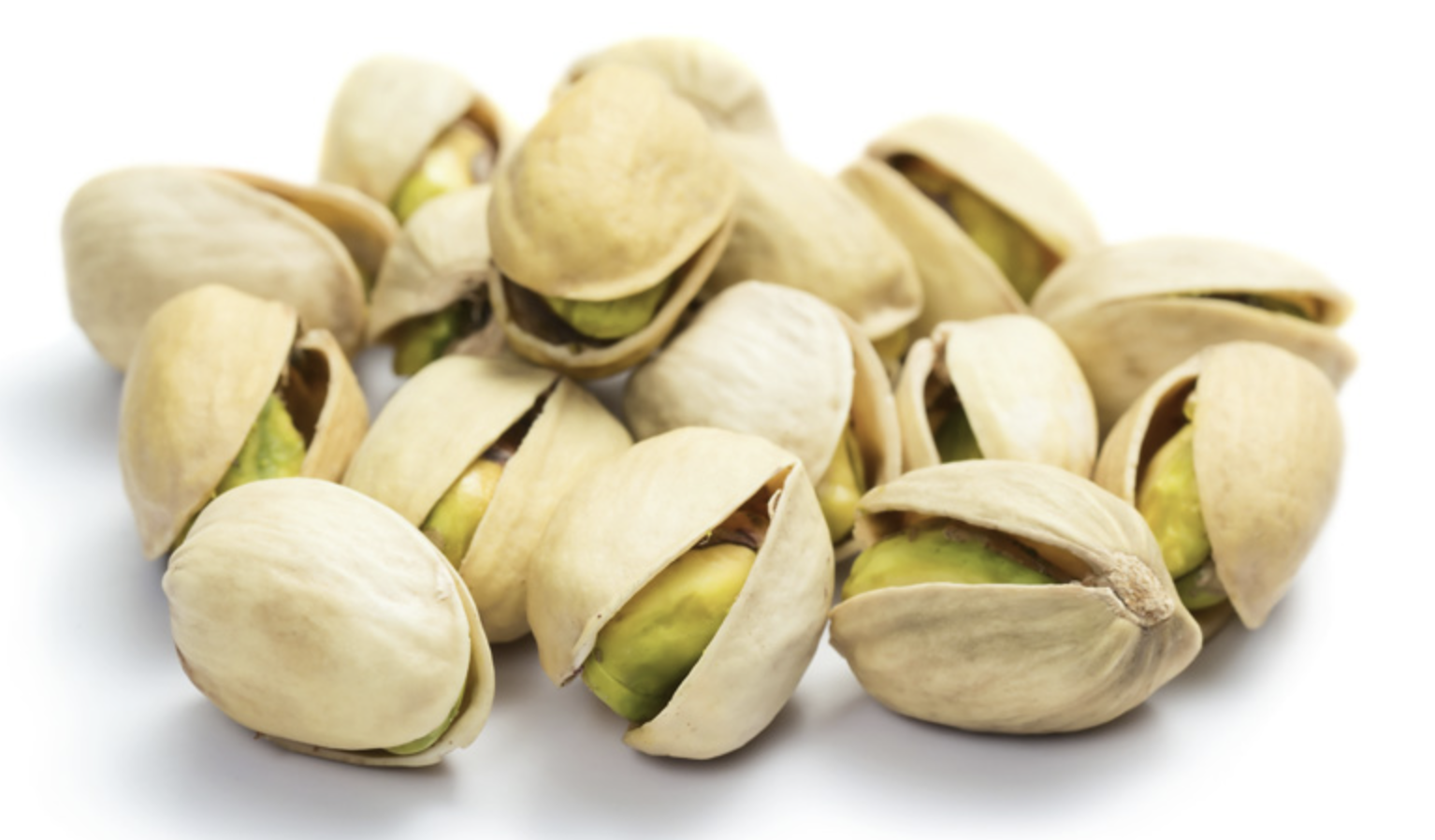
But the big news this month is the pistachio crop that already varies by year – being alternate bearing- has been hit by the heat as well. After producing more than 1.6 billion pounds last season- the highest number ever- industry estimates for this fall have dropped to 600 million to 900 million pounds, with one forecast around 650 million pounds statewide. That would be down by almost one billion pounds from last year.
Growers say high temps above 85 degrees during the spring bloom affected some orchards more than others. There are reports of 90% blank nuts as growers monitor their trees.
The Packer publication reports weather is the big issue this year with crop analyst Matt Wolf quoted saying “We knew it was going to be an off year, but we didn’t know that the heat in March was going to disrupt bloom like we’ve seen,” Woolf says. “Nut clusters are a lot smaller than what they typically are.”
In Kings County pistachios are the number-two crop behind only milk – with a $300 million valuation in 2025 covering about 60,000 acres.
Last year, the Valley saw about 25,000 new bearing acres to harvest. The predictions were for the pistachio crop in California to grow in most years, having reached the 1 billion pound mark in 2020 and perhaps a doubling by 2030.
In 2023, American Pistachio Growers (APG) retained The Tootelian Company to project annual pistachio production in California through 2031. They estimated that with regard to annual new plantings, the total number of acres of pistachios is expected to grow from nearly 583,400 acres in 2023 to nearly 811,300 acres in 2031. This represents a 4.3% increase per year.
Farmers have planted at a rapid pace across the Central Valley starting with just 1,700 acres in 1977, growing to 74,000 acres in 2000, to 178,000 in 2012,488,00 in 2024 and 520,00 in 2025.
Now with SGMA and since 2022, some lower prices, the bulls might need to curb their enthusiasm. Business Insider reports “Pistachio trees thrive in hot, arid climates, but a mature orchard typically needs over a million gallons of water per acre each year in order to produce any nuts for profit, making them vulnerable in times of drought.
Moreover, pistachios are among the most expensive nuts to grow and can cost about $20,000 per acre before a single nut is produced, and trees can take six years to yield a harvest — twice as long as almond trees.”
High Hopes
Pistachio acreage has increased nearly five times in the last two decades and bearing acreage is now more than a half million acres.Headlines in 2025 boasted of record highs and another “massive crop” boding well as demand worldwide was sky high.
We reported that looking to boost their production, at least three pistachio growers and processors in Kings County were indicating expansion plans looking to take advantage of their expectation of more and more nuts. Now it looks like Mother Nature or climate change, if you please, will have a say about that.
Heat is on
The Fresno Bee reported last week that “A dangerous heat wave backed by the largest heat dome on Earth is set to bake Fresno and the San Joaquin Valley this weekend, with temperatures approaching 108 degrees in some areas. The National Weather Service has issued heat advisories through Monday evening, and forecasters warn the triple-digit temperatures will linger into next week.” With the Pacific Northwest literally on fire this week as this heat, drought & fire pattern is sobering.Growers are wondering what a Super El Nino will mean in coming months.
May tractor sales across the US were lower in May down nearly 25% from the same time last year. The numbers say clearly that farmers are not really ready to commit to new equipment at this time.
Stone fruit faces challenges
Ag Net West reports that California’s stone fruit season is running three to four weeks ahead of its typical timeline. The early development has altered the normal harvest progression, with multiple varieties reaching maturity at nearly the same time rather than arriving in the staggered sequence growers and packers typically expect.
Also growers are reporting a higher percentage of smaller-sized fruit this season. Industry observers suggest the accelerated development may have contributed to some orchards missing ideal thinning windows, although weather conditions may also be playing a role.
Consolidation in ag
A recent report suggests consolidation in ag:
Carrots: Two companies control 60% of the carrot supply. Prepared soups: Four companies own 70% of the prepared soups market. Almond milk: A whopping 81% of almond milk is owned by four companies. Dips: PepsiCo, with its popular brands like Tostitos, Lay’s, and Fritos, controls 88% of the dip market.
Meatpacking is one of the most consolidated industries in our food system. Of the more than 70 meat brands marketing to consumers and retailers under the guise of individual names and logos, just four corporations—Tyson, JBS, Cargill, and National Beef—are behind these brands. These four meatpacking giants control 80-85% of the beef industry
UC study shows how trade policy hurt California Ag
New research published by the University of California Giannini Foundation of Agricultural Economics shows how quickly changes in trade policy can destroy market access critical to the success of some agricultural sectors.
Agricultural economists Colin Carter, Sandro Steinbach and Yasin Yildirim found that in aggregate the top 13 California agricultural commodities exported to China fell from an average total annual value of around $1.55 billion in 2024 to $554 million in 2025 – a 64% decline in a single year.
After joining the World Trade Organization in 2001, China became one of California agriculture’s fastest-growing export markets, with exports of key crops (e.g., almonds, pistachios, dairy and cotton) to China expanding over the next two decades. But that trajectory changed in 2018-19 with the first U.S.-China trade war.
Then, in 2025, while California farmers were still recovering from the effects of the 2018-19 dispute, the United States imposed tariffs on Chinese imports under the International Emergency Economic Powers Act. China responded with effective retaliatory tariffs on U.S. goods — including many California-grown agricultural products.
The March forecast for the 2025-26 Valencia orange crop is 17.0 million cartons, good news for fans of this juicy citrus variety. If this production forecast holds, farmers will pick up to 2.4 million more cartons than last year.
While the acreage of this orange variety is the lowest in perhaps 90 years, other signs point to higher production likely this spring. This year bearing acres are down to 24,500 compared to 40,000 acres in 2012. In the mid-1940s California Valencia acreage was nearly 150,000 acres. But plantings over the years shrunk with urbanization in southern California. Acreage has shrunk in the Central Valley in recent times as well. We produced nearly double the cartons of Valencia oranges back in 2012 compared to last year. In recent years, growers have experimented with plenty of the new citrus varieties taking their attention away from standbys like the Valencia orange. More fruit on the trees The most recent survey data indicated an average fruit set per tree of 657, a 19% increase from the previous year and 18% above the five-year average of 557. The average March 1 diameter was 2.555 inches, up 7% from the previous year and 5% higher than the five-year average of 2.445. The Valencia orange was first hybridized by pioneer American agronomist and land developer William Wolfskill in the mid-19th century on his farm in Santa Ana in southern California.Wolfskill sold his patented Valencia hybrid to the Irvine Ranch owners, who planted nearly half their lands in its cultivation. This forecast was based on the results of the 2025-26 Valencia Orange Objective Measurement Survey, which was conducted from January 10 to February 10, 2026.
Funding for the survey was provided by the California Citrus industry.
Is it tea time? Tea is being grown at UC Kearney Agricultural Research and Extension Center in Parlier to develop best varieties and production practices for California farmers.
The Public invited to learn about potential for new crop at Kearney REC Tea Day on Thursday, March 19, at UC Kearney Agricultural Research and Extension Center, south of Fresno.
Tea is the most widely consumed beverage in the world, aside from water, and can be found in almost 80% of all U.S. households, according to the Tea Association of the U.S.A., Inc. More than 160 million Americans drink tea. Yet tea isn’t grown in the US.
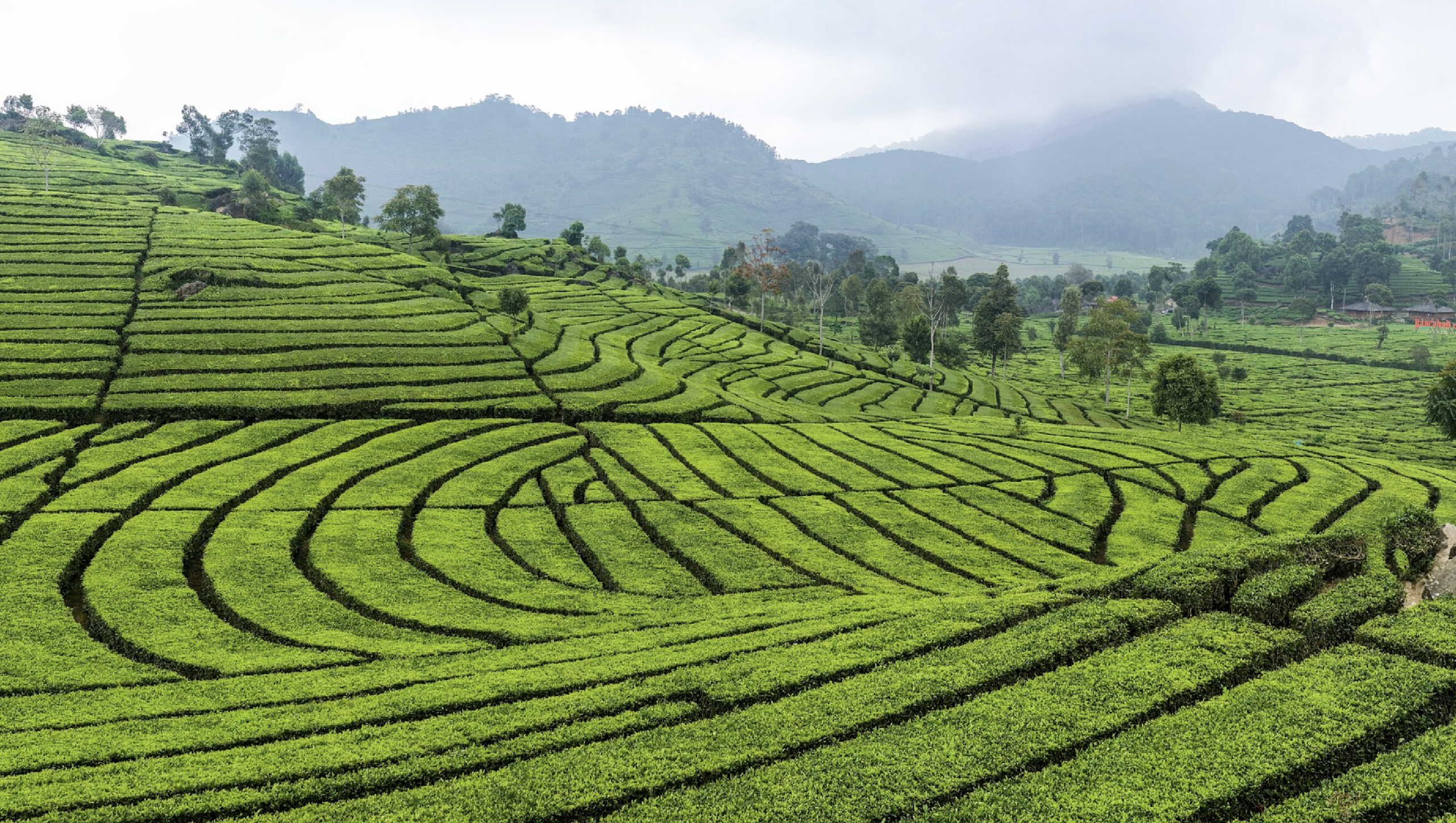
Tea can be harvested by hand or machine.In India it grows in vineyard-like rows in the foothills and is transferred to a nearby tea factory.
KREC Director Atef Swelam would like to see California growers capitalize on this untapped market.
“We import about 120 million pounds of tea into the U.S. annually, spending about $6 billion,” said Swelam.
US consumers drink roughly 84–85 billion servings of tea annually, totaling over 3.9 billion gallons, with more than half of the population drinking it on any given day. About 75–80% of this consumption is iced tea, with high popularity in the South and Northeast, and 84% of it is black tea.
Daily Drinkers: Over 159 million Americans drink tea, with 87% of Millennials being consumers. If young people are drinking less beer and wine and alcohol in general, they are sipping more tea.
As San Joaquin Valley farmland is retired to comply with the state’s Sustainable Groundwater Management Act, Swelam sees the niche crop as a way growers can maximize profit per acre.
Swelam is inviting growers and tea drinkers to see the tea plants growing at Kearney REC, learn about the history of tea in California, explore opportunities for growing and marketing the crop and engage in a sensory experience with teas brewed from varieties grown at the research center.
Tea was first planted at Kearney REC in 1967, when the Lipton tea company funded a tea research project. Although that project ended in 1980, the center has continued to grow and study tea.
UC scientists will present the latest tea research and marketability. Participants will be invited to examine the 18 distinct cultivars planted in the field, and tea plants will be for sale for $25 each from the greenhouse.
UC has a list of top three varieties they recommend that Kearney’s REC team prioritizes for growing in California.
Exeter-based California Citrus Mutual is looking for a new CEO/President after Casey Creamer departed the organization in February. Creamer’s profile has been removed from the CCM website.
CCM Board Chair Julia Inestroza said in a statement to the organization’s members that CCM and Creamer parted ways on February 11,2026.
“We appreciate his service to our industry and wish him the best in his future endeavors,” Inestroza said.
“California Citrus Mutual remains committed to its mission of representing the California citrus industry. Our day-to-day operations will continue under the direction of our experienced staff, and the Board has begun the process of identifying CCM’s next leader.”
Inestroza said the board will keep members informed during the search for a new CEO and asked members to direct any questions they have to her.
Creamer was appointed in January 2019 to replace CCM President, Joel Nelsen who stepped down after 37 years at the helm. Mr Nelsen has since passed away.
Citrus Mutual will soon hold their annual event called the Citrus Showcase – set for Wednesday, March 11, 2026, at the Visalia Convention Center.
The citrus grower based organization reports regularly to its members tracking the current citrus season with its latest report noting that the navel season is about half over. They report that the average navel orange prices for all sizes is $13 per carton, lower than the same week for the past two years.
California produces over 90% of the United States’ fresh citrus crop, with a total acreage of nearly 269,000.USDA has pegged the initial 2025-26 California Navel orange forecast at 80.0 million cartons,up 6% from the previous year. Fruit size is also larger.
California farmers who grow fruit for canned products suffered a major setback last week as Del Monte Foods announced plans to close its only remaining cannery in the state.
The Walnut Creek-based company filed for bankruptcy in July, citing burdensome debt payments stemming from a prior acquisition of the company and missteps in long-term fruit purchasing commitments made when sales briefly spiked during the pandemic.
This month, following a lengthy court-supervised bidding process, Del Monte auctioned off many of its assets, but no buyer came forward to purchase the company’s cannery in Modesto.
“As a result, Del Monte Foods has made the difficult decision to begin an orderly wind-down of operations at the facility,” the company said in a statement. “We recognize the significant impact this decision will have on our team members, their families, and the community.”
The cannery’s closure will reportedly affect roughly 600 employees and 1,200 seasonal workers in Modesto.
The closure ends Del Monte’s more than 100-year history as a processor of California-grown fruits and vegetables, potentially leaving scores of farmers without a buyer for their produce.
“It’s difficult,” said Ranjit Davit, who grows cling peaches in Sutter County and chairs the California Canning Peach Association’s board of directors. “Growers are very upset about the situation.”
Farmers who planted fruit orchards under long-term contracts with Del Monte said they were weighing their options and bracing for steep losses.
Growers of cling peaches are especially impacted as the crop has no fresh market and is sold entirely to processors. In recent years, Del Monte contracted about 35% of California’s cling peaches, while Lodi-based Pacific Coast Producers contracted about 60% of the crop, with the rest purchased by a few smaller processors.
“It’s pretty devastating,” said Richard Lial, who grows cling peaches in San Joaquin County.
Cling peach growers typically plant new orchards—at a cost of several thousand dollars per acre—after securing contracts with processors that last 20 years, roughly the orchard’s lifespan. It can take close to a decade for a farmer to pay off the initial investment, and Del Monte’s exit from the sector means many growers may never make their money back.
A couple years ago, Lial tore out a productive almond orchard to clear the ground for 50 acres of peaches under a long-term contract with Del Monte. He planted the peach trees last year only to be left a year later with no buyer for the fruit.
“It’s horrible,” Lial said.
The third-generation grower farms a total of 105 acres of peaches, all of which was contracted with Del Monte. He said it may be possible to graft almond trees onto his young peach orchard, and to find a short-term buyer for some of the fruit from his bearing acreage, but neither outcome was certain.
The spacing in his peach orchard is “not ideal” for almonds, Lial said, and Del Monte’s departure will likely leave far more fruit on the market than other buyers can absorb.
“One of my options is just to take everything out,” he said. “It will be a total loss.”
Lial added that the closure of the Modesto cannery could have a “huge trickle-down effect” in the Central Valley, with impacts not only on cannery workers and farmers but on the farm workforce and agricultural supply companies. He said the loss of his peach acreage would likely force him to lay off two employees.
For decades, cling peach growers have faced declining demand due to the year-round availability of fresh fruit, while rising input costs and cheap imports have also challenged the sector. Since 1969, California’s bearing acreage declined from more than 63,000 to less than 14,000, according to the U.S. Department of Agriculture.
Chris Zanobini, executive director of the California Pear Advisory Board, said the state’s pear growers were similarly “concerned about whether they’ll be able to sell the fruit they grow” this year.
While pear growers have an important fresh market, most of the fruit is sold to canneries, with Del Monte purchasing more than 40% of the cannery tonnage last year.
Cling peach and pear growers alike said they were looking to PCP, the only major processor left in California, to potentially pick up their fruit.
The grower-owned cooperative purchased some assets from Del Monte during the bankruptcy sale, including unsold canned fruit inventory.
Mona Shulman, vice president of PCP, said the cooperative was also in the process of licensing some of Del Monte’s shelf-stable fruit product brands from Fresh Del Monte Produce Inc., a separate company that purchased the brands from Del Monte.
Shulman said PCP planned to contract more fruit acreage from farmers this year as the cooperative expands its private-label business to include Del Monte-branded products.
“We intend to market and sell the Del Monte brand going forward for shelf-stable fruits,” Shulman said. “In that mix, we will be acquiring more fruit than we currently process.”
As of this week, PCP, which processes fruit at a cannery in Oroville, was still assessing the volume and varieties it would need.
“We are in discussions currently for our peach supply needs with attention to varieties that deliver throughout the production season,” Shulman said, adding that PCP would procure fruit “to support a sustainable volume of Del Monte sales” but could not replace the company’s full production.
Unlike most fruit contracts, purchases made this year by PCP may represent a stopgap solution for growers rather than a long-term guarantee.
“It is possible that the contracts will be for a shorter term simply because we don’t know how this is going to work in the mix,” Shulman said. “To protect our company and not overcommit, it is likely a 20-year contract may not be the initial offering.”
Central Valley tomato growers are producing more per acre in an economy that is facing lower consumer demand.The latest report published January 23 regards 2026 tomato contracts, highlights the dilemma.
Like the wine industry,processing tomato growers face the need to reign in production and not overproduce.
As of January, California’s tomato processors reported they have, or will have, contracts for 9.8 million tons in 2026, a decrease of 11% compared to 11.0 million contracted tons forecast in the August 2025 California Processing Tomato Report.
Tomato grower Don Cameron who serves on the board of the California Tomato Growers Association says “the processors cut their contract by 15% as US consumer demand has dropped.” Eating and drinking habits are changing and some people are eating less and making new food choices as a result of the popularity of weight loss drugs.”It’s happening in the almonds too.” Meanwhile, Cameron worries about the prices paid for contracted tomato product that have been lower recently although the 2026 price has not been agreed-upon yet between growers and processors.
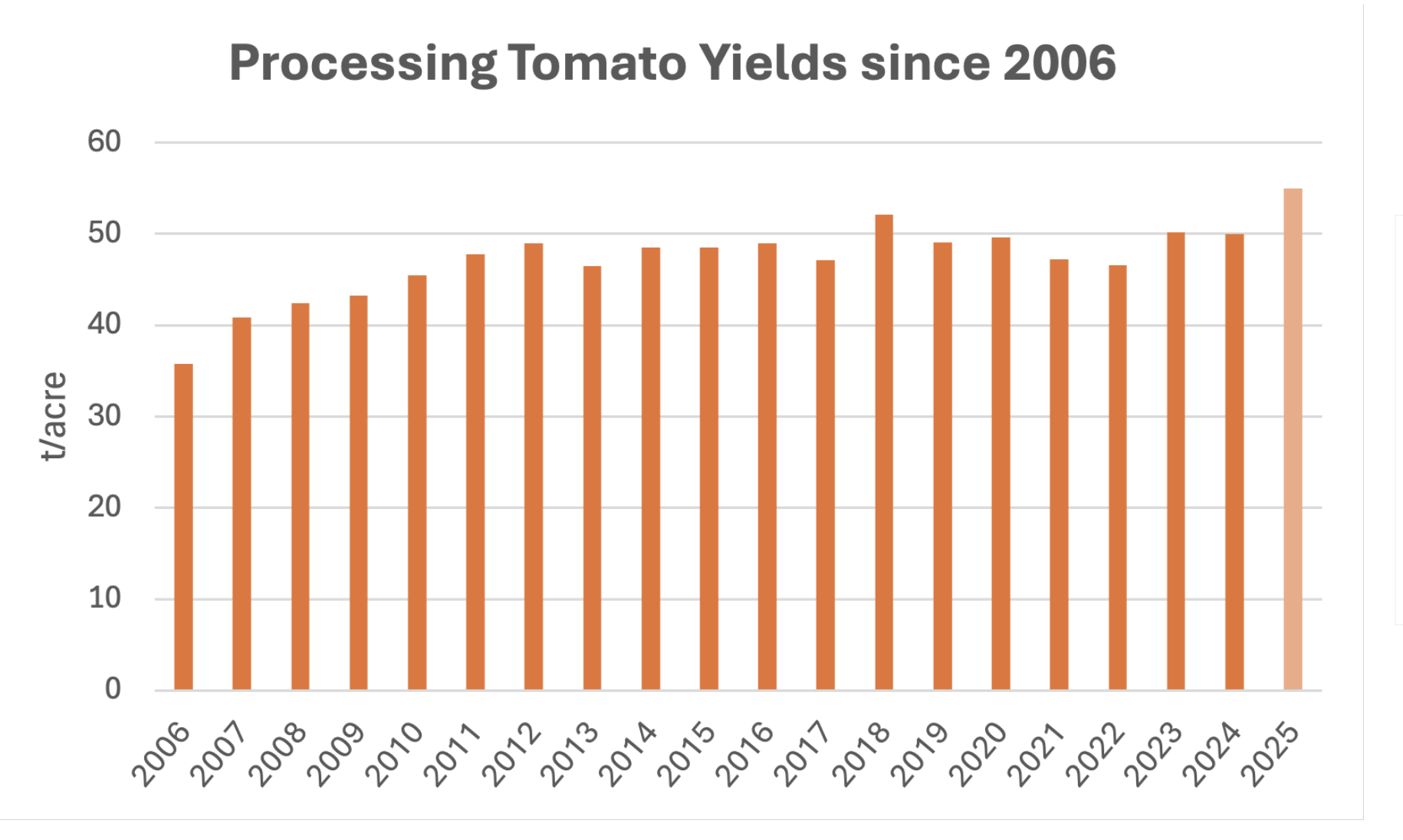
Processors estimate that the contracted production for 2026 will come from 185,000 acres with an average yield of 53 tons per acre. This year’s contracted planted acreage forecast is 10% below the 2025 estimate of 205,000 planted acres under contract in the August forecast.
Shrinking acreage
Growers have been shrinking their planted footprint for processing tomatoes from over 300,000 acres statewide as recently as 2007 to 205,000 acres planted last year. Now that will shrink again to 185,000 acres in 2026. Meanwhile farmers have been producing more product on fewer acres as the yield has increased over the years from 23 tons per acre in 1977 to 53 tons expected in 2026. The big difference, drip irrigation technology.
While yields have more than doubled, total California production has shrunk from a high of 14.3 million tons in 2015 down to an expected 9.6 million tons this year.
Among the factors affecting the industry are the high cost of farming inputs including labor and water, and increasing temperatures. But a slow decline in U.S. per capita consumption may be more telling as oversupply has led to farmers disking crop that had no contracted buyer.
Consumption may have peaked with changes in dietary guidelines that urge reduced sodium in processed food. Now pizza sales may have peaked, suggests some news reports.
California continues to produce 95% of the U.S. processing tomato crop and approximately one-third of the global supply.
Covid’s effect
An Ag Alert story quotes Valley tomato grower Mike Montna,CEO of the California Tomato Growers Association in 2025.. After consumption of processing tomatoes and other canned goods spiked during the COVID-19 pandemic, Montna says the industry is still adjusting to the post-pandemic “new normal,” as consumer eating habits have changed.
Responding to the surge in demand during the pandemic, which zapped tomato inventories, canneries contracted more acres in 2023—some 254,000 at a record-high price of $138 a ton for conventional and $190 a ton for organic. Growers delivered more than 12.7 million tons of tomatoes that year, an all-time high.
“While COVID wreaked havoc on many industries, it brought higher margins to California’s processing tomato industry,” said Matt Woolf, a specialty crop analyst for Terrain, a part of Farm Credit Associations, in a 2024 report.
But product movement during the past two years has stayed “relatively flat,” Montna noted, necessitating the reduced acreage this year to get “inventories a little bit back in line.”
Except for the early years of the pandemic, U.S. per-capita consumption of processing tomatoes has been declining since the 1990s, Woolf reported. And the downward trend will likely continue “as the pandemic fades further into history,” he wrote.
Fresno County grower Bret Ferguson, who also serves on the grower association board, said it’s not just changing diets that have eroded sales of processing tomatoes. He pointed to the struggling fast-food industry, a major buyer of ketchup and other processing tomato products.
“They’re mindful of the cost of the product, and they’ve cut back,” he said, noting how fast-food chains in his area no longer generously give out handfuls of ketchup packets with every meal.
With contracted tomato acres down, Ferguson said he has left more ground fallowed because commodity prices for corn and other grains also are down. Processing tomatoes remains a good option for growers who can get a contract, he said, though he expects contracted acres to shrink.
Despite stagnating domestic consumption, Montna said export demand has remained “relatively consistent.” To open and grow new markets, he said the association has been working with the Trump administration to offer comments “on markets that we think might be beneficial” to processing tomato growers.
But grower Ferguson said he doesn’t believe the sector can “export its way” out of an inventory problem, considering other tomato-growing regions around the world also have produced sizeable crops in recent years. He said the high value of the dollar remains an obstacle for expanding export growth.
“It’s so cost prohibitive,” Ferguson said.
Lots of pressure
Lastly, retaliatory tariffs on our exports are concerning, says Don Cameron.Roughly 20% to 30% of California’s processing tomatoes (used for paste, ketchup, and sauce) are exported with Canada being a primary destination. President Trump has threatened a more vigorous trade war with Canada that has already severely hurt wine sales from California and all products from the US.
Cameron notes some piece of good news is the declining value of the US dollar that makes our exports cheaper to the overseas buyer.
Don adds that if you sum it up “there is a lot of pressure on the California tomato industry right now.”
One of the industry’s main players Morning Star Tomatoes has submitted comments about the 2026 crop on their website recently.
California’s processing tomato industry is driven by scale efficiencies and yield performance. The 2025 season delivered exceptional yields, with average yield per acre approximately 10% higher than historical levels. This resulted in roughly one million additional tons of production with minimal acreage expansion, largely due to improved varieties and favorable growing conditions. Higher yields lowered per-ton production costs, which improved California’s competitiveness in export markets. Exports to Canada and Mexico have remained relatively stable, suggesting that future export growth will need to come from markets outside of NAFTA, where elevated global inventories are creating a highly competitive environment. To support longer-term growth, California is likely to reduce production from 2025 levels to help draw down inventories, while continuing to expand exports beyond NAFTA in order to sustain demand and justify increased acreage in future seasons.