
Tea is being grown at UC Parlier field station
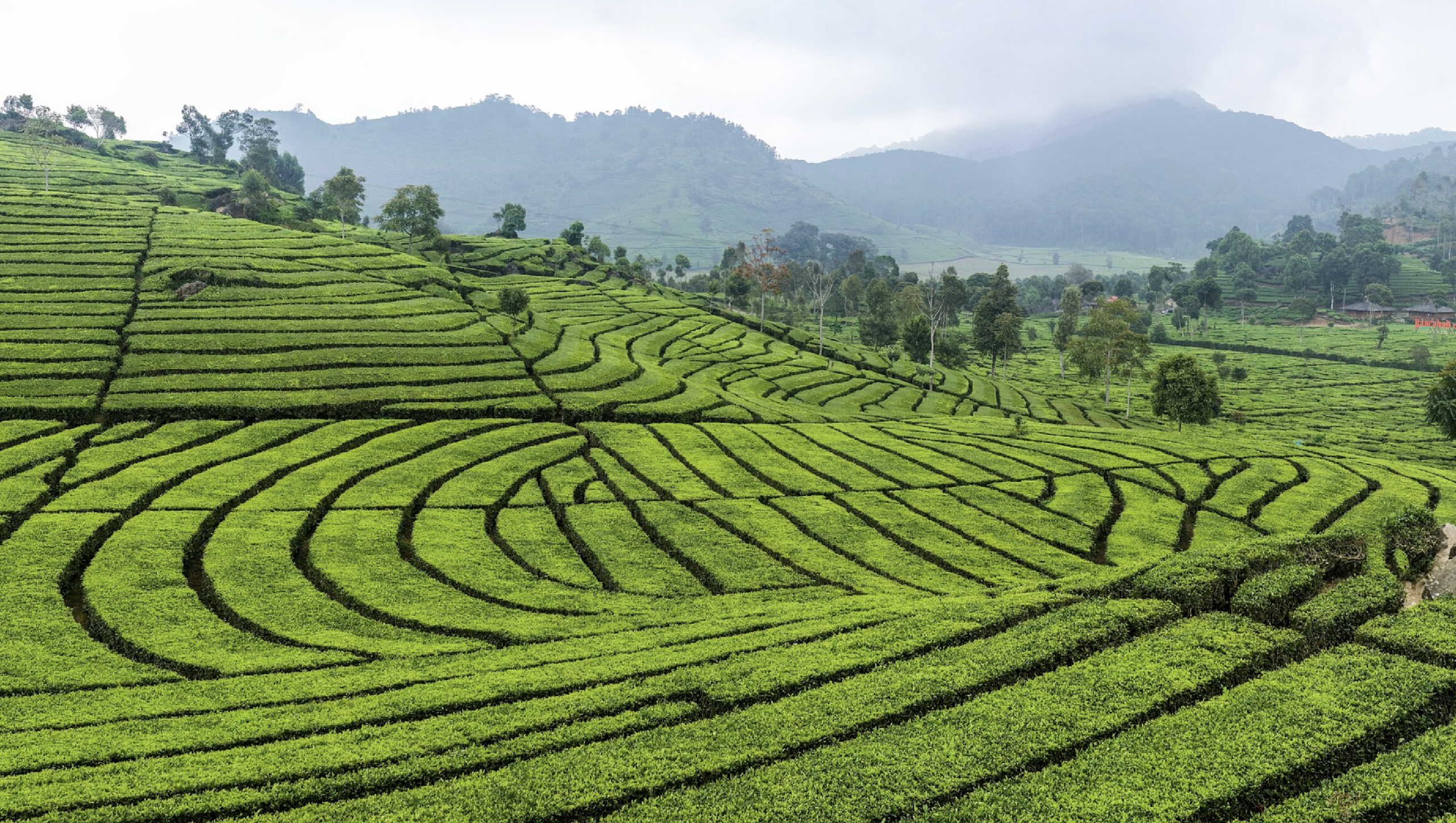
Indonesian tea field
Is it tea time? Tea is being grown at UC Kearney Agricultural Research and Extension Center in Parlier to develop best varieties and production practices for California farmers.
The Public invited to learn about potential for new crop at Kearney REC Tea Day on Thursday, March 19, at UC Kearney Agricultural Research and Extension Center, south of Fresno.
Tea is the most widely consumed beverage in the world, aside from water, and can be found in almost 80% of all U.S. households, according to the Tea Association of the U.S.A., Inc. More than 160 million Americans drink tea. Yet tea isn’t grown in the US.
Tea can be harvested by hand or machine.In India it grows in vineyard-like rows in the foothills and is transferred to a nearby tea factory.
KREC Director Atef Swelam would like to see California growers capitalize on this untapped market.
“We import about 120 million pounds of tea into the U.S. annually, spending about $6 billion,” said Swelam.
US consumers drink roughly
84–85 billion servings of tea annually, totaling over 3.9 billion gallons, with more than half of the population drinking it on any given day. About 75–80% of this consumption is iced tea, with high popularity in the South and Northeast, and 84% of it is black tea.
Daily Drinkers: Over 159 million Americans drink tea, with 87% of Millennials being consumers. If young people are drinking less beer and wine and alcohol in general, they are sipping more tea.
As San Joaquin Valley farmland is retired to comply with the state’s Sustainable Groundwater Management Act, Swelam sees the niche crop as a way growers can maximize profit per acre.
Swelam is inviting growers and tea drinkers to see the tea plants growing at Kearney REC, learn about the history of tea in California, explore opportunities for growing and marketing the crop and engage in a sensory experience with teas brewed from varieties grown at the research center.
Tea was first planted at Kearney REC in 1967, when the Lipton tea company funded a tea research project. Although that project ended in 1980, the center has continued to grow and study tea.
UC scientists will present the latest tea research and marketability. Participants will be invited to examine the 18 distinct cultivars planted in the field, and tea plants will be for sale for $25 each from the greenhouse.
UC has a list of top three varieties they recommend that Kearney’s REC team prioritizes for growing in California.
Tea plantation in Indonesia-Wikipedia