Los Osos intertie pipeline moving forward

Rendering of Los Osos pipeline connecting to State water that comes in along Hwy 1

On September 4 the Los Osos CSD Board awarded a contract to Water Systems Consulting (WSC) for $854 thousand to design the proposed 2.5 mile pipeline intertie project connecting the community to State water at Hwy 1.

Currently the town is 100% dependent on groundwater.The bid from WSC is over $200,000 more than an engineer’s estimate used by the CSD in their planning. The consultant highlighted the complexity of the project.

At the July 10, 2025, board meeting, the board received a report which summarized the current condition of the Los Osos Groundwater Basin.The results of a new baseline scenario indicated that pumping at current average rates and spatial distribution would cause seawater to intrude further into the Basin which is an indication that current average pumping and distribution is “not sustainable.”

At the meeting, staff also provided a Water Resiliency Intertie Project conceptual strategy to enhance the long-term approach to improve the groundwater basin’s water quality and seawater intrusion issues and improve the resiliency of the community’s water supply.

A decision has now been made to move forward on a detailed design of the pipeline even though funding for construction is not yet in place. The theory is to make the project “shovel ready” by moving ahead on detailed design. helping to attract federal, state and local funding including from the purveyors.

Three year construction schedule

The company WSC’s design completion schedule is January 2027, considerably longer than two rival bids but “might be more realistic” says a CSD memo. Construction could be completed in Sept 2028 – three years from now.

“The proposed intertie pipeline alignment is nearly 16,000 linear feet (LF) from the Chorro Valley Pipeline north of Highway 1 to LOCSD’s 16th Street tanks. The alignment navigates a critical arterial road between the coastal communities, environmentally sensitive areas, two bridge crossings, and varied soil conditions. The project presents an opportunity for water supply sustainability and reliability while also presenting numerous challenges” writes WSC.

The pipeline is expected to bring 200 to 600 acre-ft a year into the basin. The urban areas of Los Osos use about 1,000 acre ft through the three water purveyors and the ag acreage east of town uses around 650 acre-ft from wells.

Ron Munds, CSD manager, says the additional supply would be sunk to help push back seawater and make the basin more sustainable.

Strong community support for the project is expected with new estimates that current pumping of groundwater is allowing seawater to intrude into the Los Osos water supply.
Audubon supports offshore wind

September 7,2025

California is home to some of the planet’s most astonishing biodiversity—from the vibrant marine life off our coast to the ancient redwood forests that shelter natural wonders like “Hyperion”, the tallest living tree on Earth. Just a few years ago, I was hesitant about proposals to develop offshore wind along the California coast. The specter of massive structures, potentially more than twice the height of Hyperion (standing as tall as 900 feet, 20 miles offshore), understandably raises concerns for the well-being of murrelets, shearwaters, albatross, pelicans, and other marine life that have depended on those waters for millennia. Over time, though, I’ve come to understand that well-sited and appropriately mitigated offshore wind projects can safeguard birds while providing the essential renewable energy we need.
BIRDS IN THIS STORY


Climate change poses an existential threat to birds and people. It is occurring 20 times faster than it has in the past 2 million years, and Audubon’s climate report estimates that nearly two-thirds of North American birds are at a great risk of extinction due to climate change. But if we act to reduce carbon emissions and work to mitigate the impacts from climate change, we know that climate-vulnerable bird species will be better off, and nearly 150 species would likely be saved from the threat of extinction driven by global temperature rise.

Stabilizing the climate means developing renewable energy like offshore wind and connecting it to California’s grid. California needs approximately 25 gigawatts (GW) of offshore wind to meet our 2045 goal of relying 100% on renewable energy, according to the California Energy Commission. To meet that goal, California currently has five projects in development in the Humboldt Wind Energy and the Morro Bay Wind Energy areas. These projects aim to bring approximately 5 GW of power to shore—enough to power about 5 million homes.

Planning with Birds in Mind

As with all energy sources, there are upfront costs and resources required for offshore wind, and there will be challenges along the way. Thankfully, this is not an entirely new industry. We can apply knowledge gained from offshore wind projects that began in 1991 in Europe and more recent lessons from projects in the Atlantic Ocean. Additionally, we can apply our local knowledge by involving Tribal communities and other local parties like Audubon community chapters early in the planning process, and utilize data from migratory bird and marine life monitoring. This can help ensure offshore wind locations are chosen responsibly, with environmental and cultural considerations.

Audubon knows that introducing large structures like offshore wind turbines and transmission lines into the marine environment can affect birds and other marine life. But we are confident that well-sited and appropriately mitigated projects will produce outcomes that will benefit people and birds by reducing emissions and addressing the worst impacts of climate change.

Following thorough research, Audubon experts are confident that these unintended consequences can be avoided through proper siting and planning. Recent research by the Schatz Energy Research Center studied 44 seabird species off the California coast and found that 8% fly at a height that may conflict with turbine blades. Understanding this, studies can narrow in on mitigation efforts for specific impacted species—such as California Gull, Western Gull, Herring Gull, Glaucous-winged Gull, Heermann’s Gull, Short-billed Gull, Black-legged Kittiwake, Bonaparte’s Gull, and Sabine’s Gull—which are among some of the most common birds flying above 10 meters. The study also showed that “seabirds can actively avoid wind facilities,” and in the Atlantic Ocean, “nearly all birds present at rotor-swept heights in the vicinity of operating turbines are likely to avoid being struck by the blades under typical conditions.”

Cuesta Inlet “Saved”

September 5,2025

The Board of Directors of Save Cuesta Inlet announced September 5 that “It is with great pleasure and excitement that our community has raised sufficient funds to purchase Cuesta Inlet! The 100% volunteer team of local citizens worked tirelessly for more than three years to raise awareness and raise the necessary funds to purchase the Inlet. “

Escrow is scheduled to close on the 13 acre Los Osos property October 1, 2025.The group had a goal of raising at least $735,000, the appraised value.

In early 2026, the nonprofit will invite the community to share input as it begins the next phase of ensuring the Inlet’s long-term care and vitality. Donations will continue to be welcomed in support of this next chapter.

Shrinking Cattle herd drives beef prices

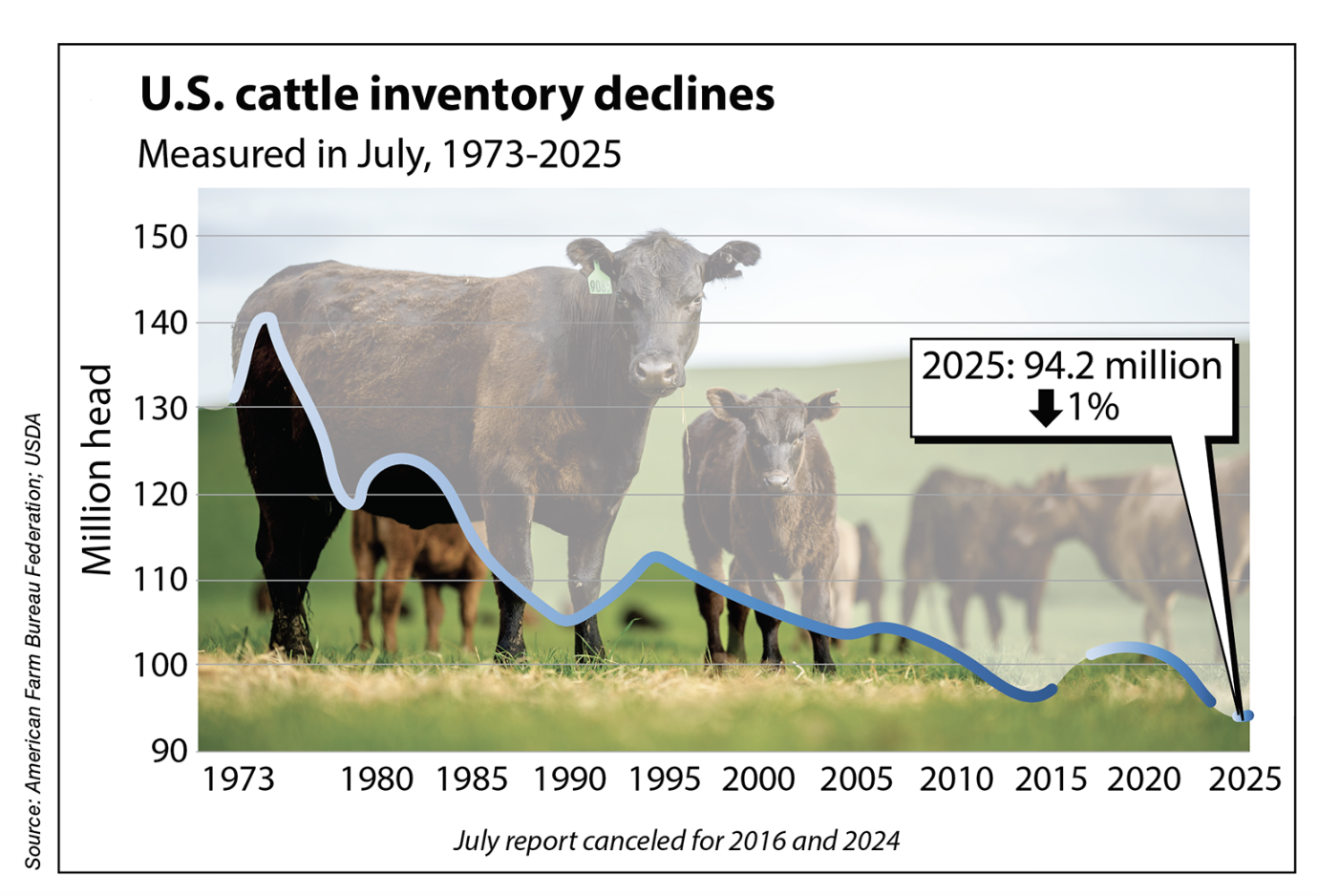
Several reports are detailing an increase in beef prices for American consumers this year driven by a shrinking supply in the nation’s cattle herd.

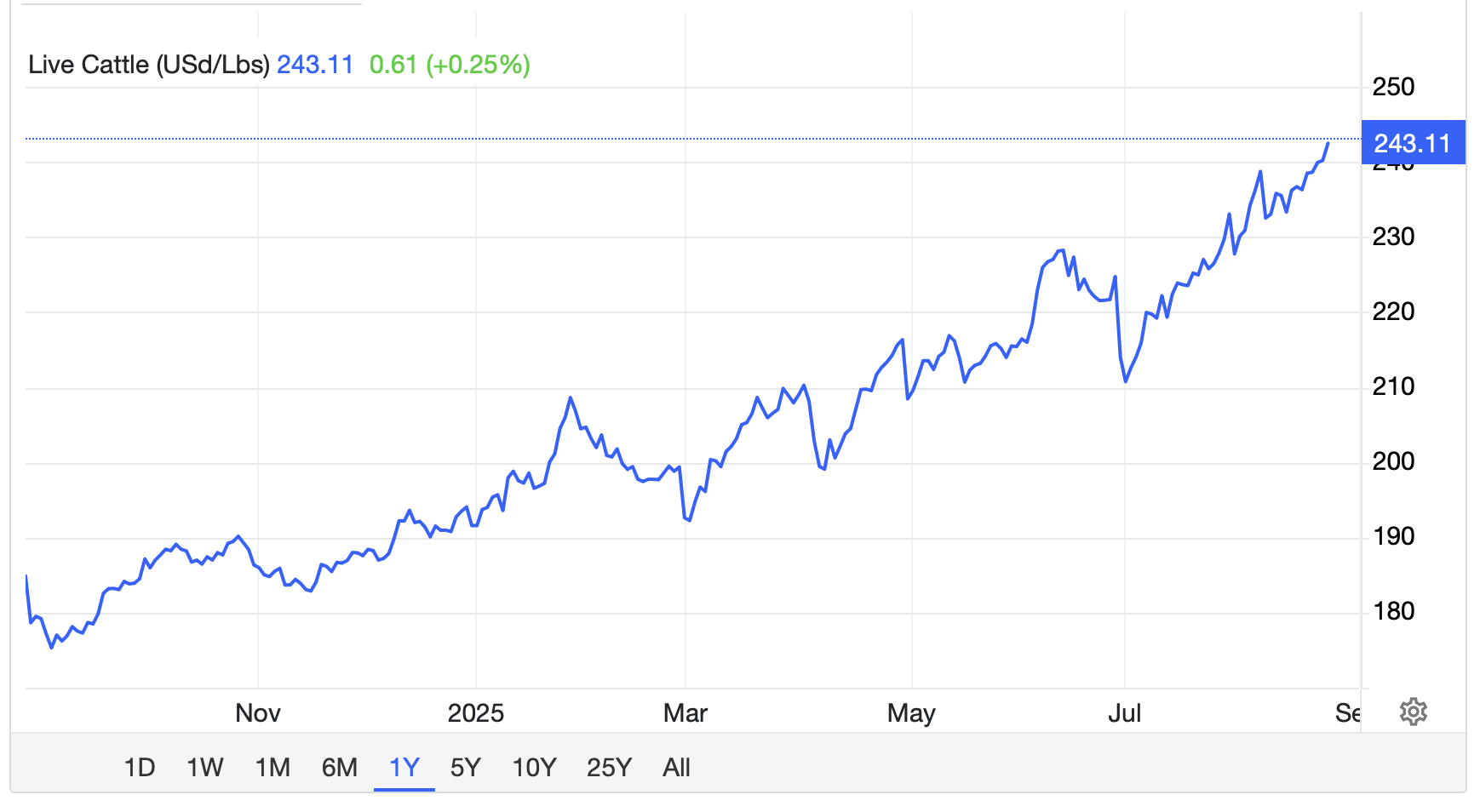
Here is a futures price chart for beef thanks to Trading Economics showing prices up about 25% in one year.

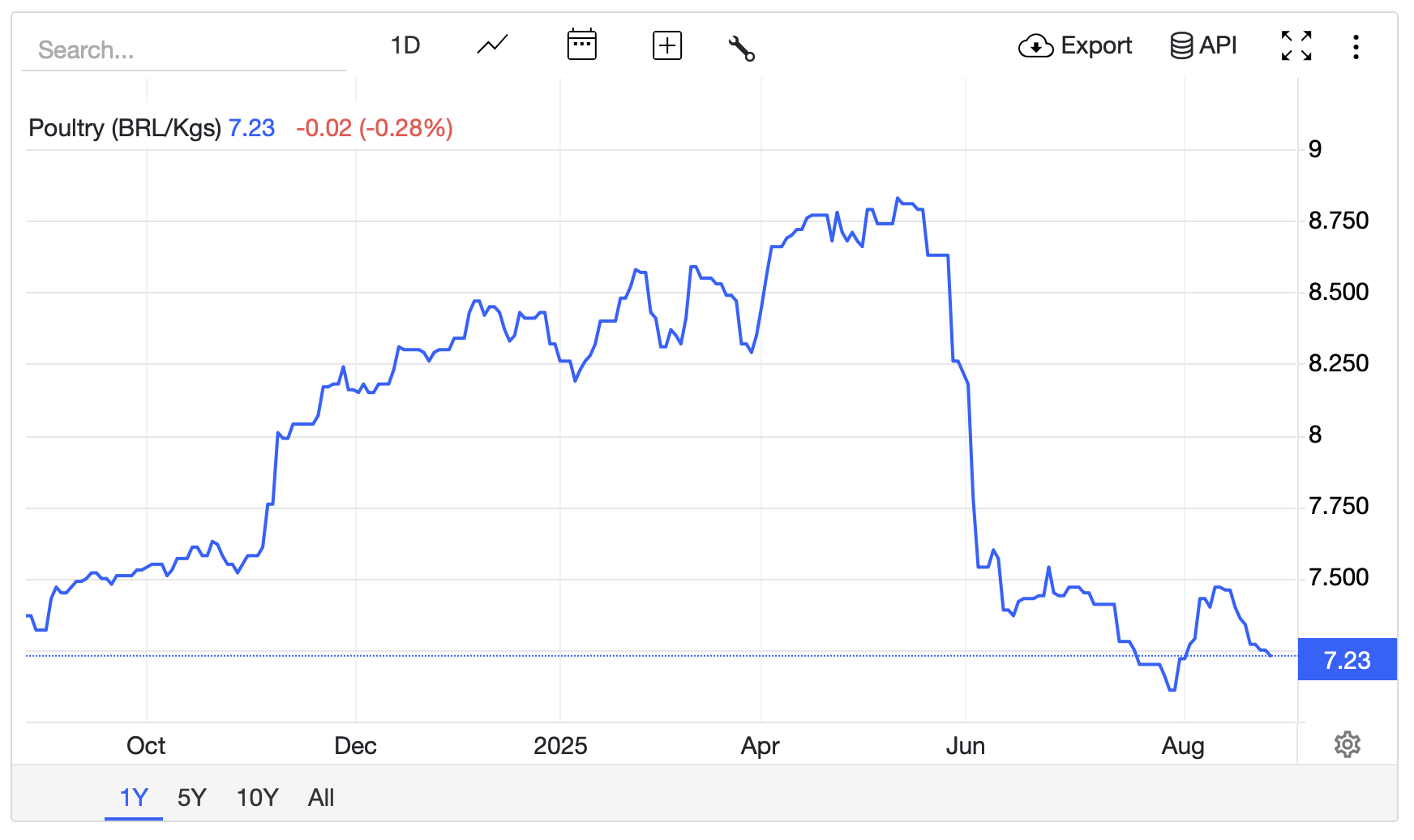
Given the high price for beef. more shoppers are likely to turn to chicken for their protein choice. Here is a contrasting one year chart for poultry prices, showing an actual decline over the past year.

Farm machinery sales drop again 


U.S. sales of combines dropped 43.7%, 4 wheel drive tractors sales fell 40.2% while overall agricultural tractor sales fell by 4.9% in July 2025 compared with July 2024, according to numbers from the Association of Equipment Manufacturers (AEM).On year to date basis all farm tractor sales are down 9.9%.

Farm machinery giant Deere warned this past week that tariff costs for the company could reach a total of $600 million for the fiscal 2025 year.
Deere’s director of investor relations, John Beal, said“Tariff costs in the quarter were approximately $200 million, which brings us to roughly $300 million in tariff expense year to date based on tariff rates in effect as of today,” Beal said. “Our forecast for the pretax impact of tariffs in fiscal 2025 is now adjusted to nearly $600 million.”


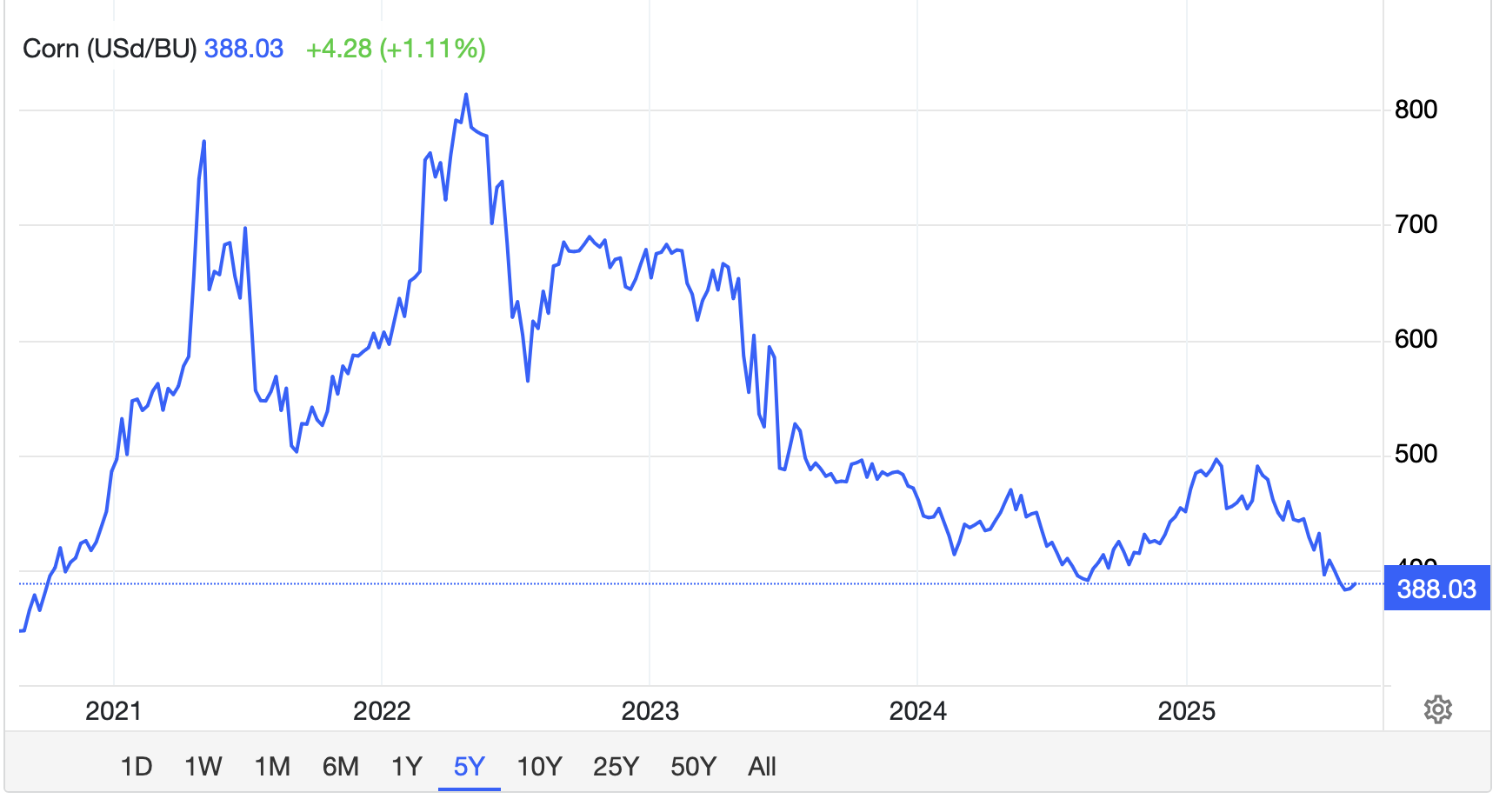
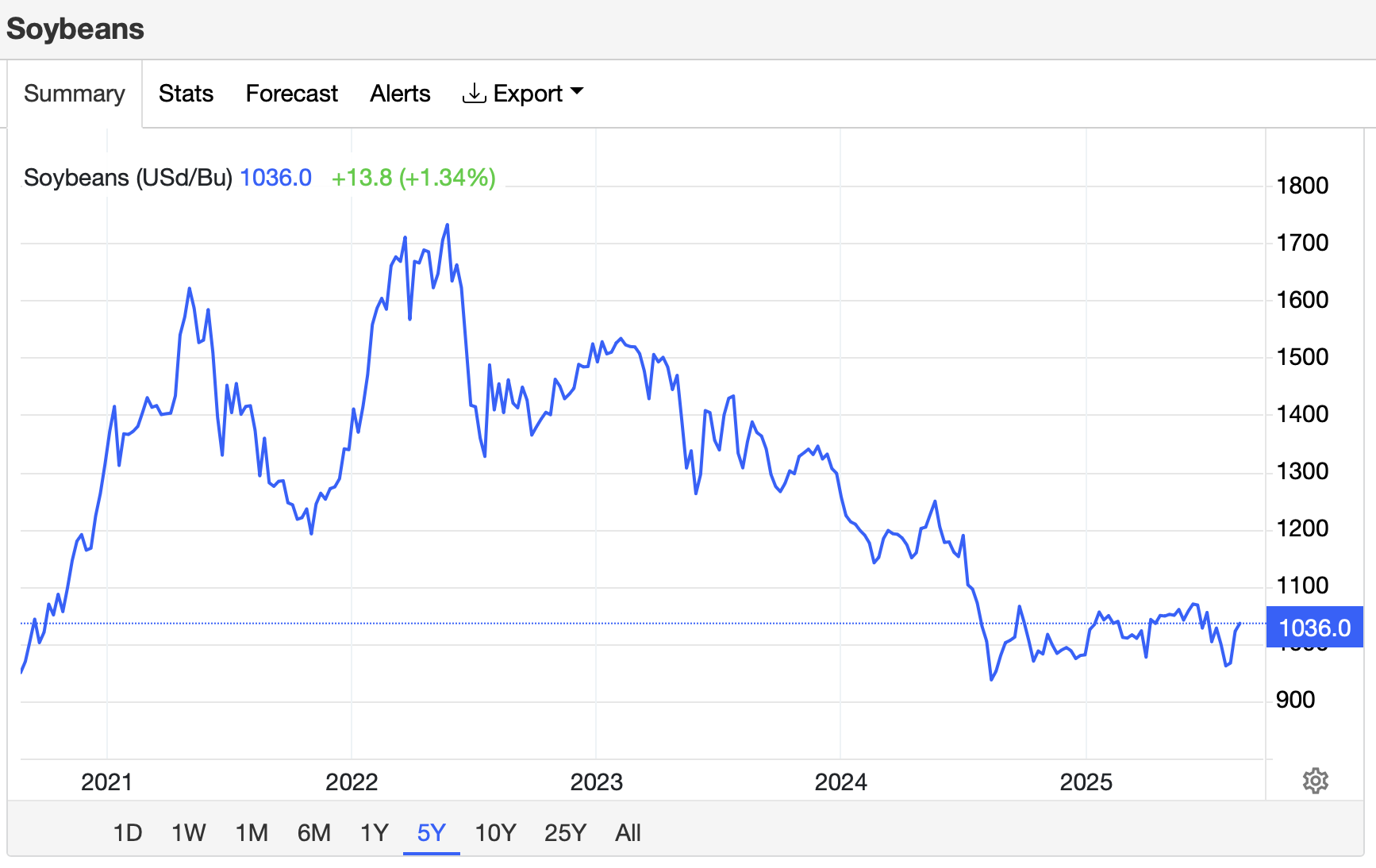
Farm machinery sales are considered a barometer of the  US ag economy as the nation’s  biggest crops are at bumper volume with lower prices this year. 


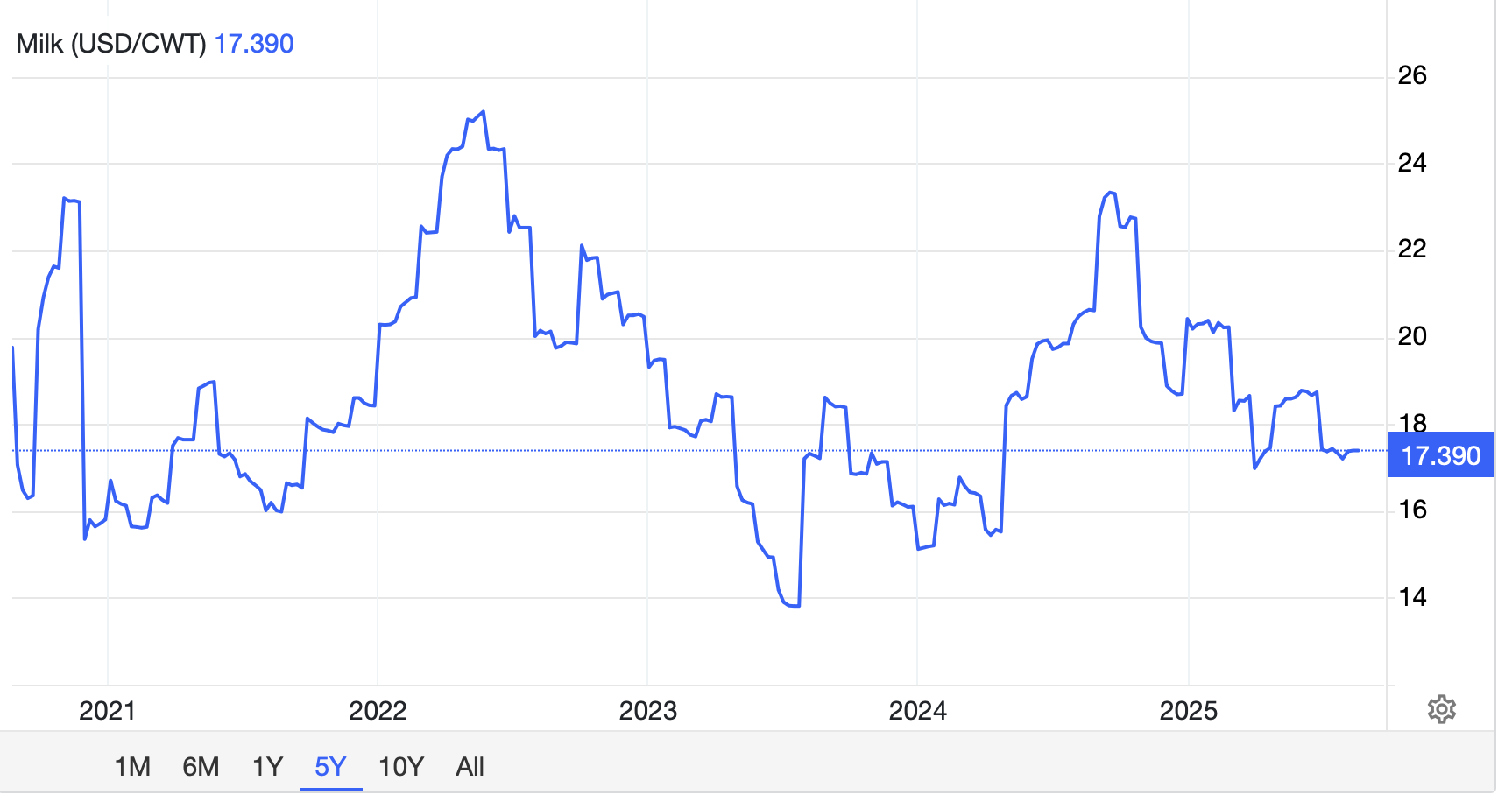
Here are five-year price charts for corn, milk and soybeans

Here are a few other ag business briefs.
-Consumers are paying more for a staple food – ground beef. The average prices for ground beef rose to new record highs in July, reaching $6.25 per pound for 100% ground beef and just over $8 per pound for lean and extra lean ground beef, according to the Bureau of Labor Statistics. Cattlemen  are paying more  for feed and fuel, as well as a scarcity of cattle for processing relative to demand, particularly in the Western U.S., according to local reports. In addition, consumer demand for meat overall is rising as more consumers adopt high-protein diets.
-CA Milk Production up 3.8 Percent USDA reports that milk production in the 24 major States during July totaled 18.8 billion pounds, up 3.5 percent from July 2024..California milk production was up 3.8% as both cow numbers and milk per cow were each higher than a year ago.

–Milk Producers Council says dairy producers continued to hold onto as many cows as possible, allowing for expansion despite the heifer shortage. The dairy herd reached 9.485 million headlast month, up159,000 from July 2024 and the highest head count since May 2021. The year-over-year increase is large enough for producers to send an additional 900 head to slaughter each week and maintain an annual cull rate below30%, on par with the 2024 rate that fostered rapid expansion. 

Get ready to pay more 4 seafood

Imported fish and shellfish account for 85 percent of seafood consumed here and now tariffs will hit our biggest import partners and you – in the wallet.The US imported $25 billion worth of seafood in 2024, led by Canada, 14 percent of imports; Chile,13 percent; India, 10 percent, and Indonesia and Vietnam, 8 percent each.Then there is China. We imported 769 million pounds of seafood from China in 2024.Chinese seafood now faces a 55% overall tariff rate in the U.S.

Two large seafood exporters to the U.S. market are India and Vietnam. India’s shrimp industry gets half its revenue from the US with countervailing and anti-dumping duties already imposed and a 25% tariff in place. Vietnam now faces tariffs of 15-20%.

Canada now has a 25% tariff. The United States imported 153 million pounds of farmed Atlantic salmon from Canada in 2024. The US is Canada’s largest export market for these products. In 2019, Canada’s fish and seafood exports to the US were valued at $4.56 billion, representing 61% of Canada’s total fish and seafood exports. Lobster, crab, and salmon are the top three species exported from Canada to the US.

The Indonesian shrimp industry, facing a 19% US tariff, could see a drop of 30% this year with the livelihood of one million workers impacted, say reports. The country is now scrambling to sell shrimp to China with a delegation visiting that country.

Brazil now faces high 50% US tariffs having exported 55% of its fish products to the U.S. The price of Brazil’s imported coffee and orange juice will also be impacted. Brazil produces 37% of the world’s coffee and 75% of all exported OJ.

Not everyone will be complaining about tariffs on foreign shrimp with the shrimp boats off the Gulf Coast hoping they can make a comeback like Forrest Gump did in the movie. One news article says Savannah restaurants serve foreign shrimp rather than shrimp caught off their own coast. Foreign shrimp can sell for $5 a pound but wild caught Georgia shrimp can cost more than $15 a pound.

Fresh shrimp is still one of the most popular seafoods in the US – the most consumed seafood at 4.6 pounds per person.

For restaurants shrimp deals are long gone. Last fall the CEO at Red Lobster quipped ‘I know how to do math’ announcing their “Endless Shrimp” deal is not coming back.

SeafoodSource says “U.S. consumers paid more for seafood – and food overall – at retail stores in July, according to new data but the increases didn’t dent fresh sales volumes.
Fresh seafood prices increased 1.5 percent year over year at U.S. retail in the month, according to Lakeland, Florida, U.S.A.-based 210 Analytics, which analyzes data from market research firm Circana.

Within the category, fresh crab had the largest price increase, jumping 10.6 percent compared to the same month in 2024. Fresh shrimp rose 4 percent, and fresh finfish prices increased 0.5 percent.

Fresh salmon prices rose by 1.4 percent year over year and remain “substantially higher” than frozen salmon, according to 210 Analytics Principal Anne-Marie Roerink.

Sales by value of fresh seafood jumped 3.6 percent in July to USD 687 million (EUR 588 million). Sales by volume, despite the inflation, still grew 2.1 percent. “

California salmon fishermen got some limited goods news coming this September with plans to reopen ocean waters off California to recreational salmon fishing for the first time since 2022. That’s good news since if you want salmon, you may have to catch it yourself!

However, the recommendation from the Pacific Fishery Management Council includes keeping California’s commercial salmon fisheries closed for the third year in a row in an attempt to rebuild populations.

Canada and Norway send fresh salmon here but now face tariffs.Norway has a 15% tariff and Canada 25%.Canada’s fish and seafood exports totaled $7.6 billion in 2023, with about $5 billion worth going to the United States.

Salmon lovers who want US-supplied fresh product may now have to depend on Alaska. But it’s been tough going for this industry.

Last fall NOAA reported that the Alaska seafood industry “suffered an $1.8 billion loss (2022-2023). The Alaska fishing industry saw a 50 percent decline in profitability (2021-2023).

The Alaska seafood industry is a major contributor to the U.S. seafood sector,” said Robert Foy, director of the Alaska Fisheries Science Center. “The social and economic ramifications of Alaska’s losses have reverberated down the West Coast and across the country.

This has resulted in more than 38,000 job losses nationwide and a $4.3 billion loss in total U.S. output (the total dollar value of all goods and services produced). The most affected states (including Alaska, Washington, Oregon, and California) saw a combined loss of $191 million in state and local tax revenues.”

Around Tulare County

Visalia commercial permits top $98 million

The City of Visalia commercial building permits so far in 2025 are staying strong, topping almost $99 million year to date as of August 1. Permits for 511,000sf have been issued so far this year. Both square footage and valuation are ahead of last year when just $63 million in valuation for 336,000sf were issued for the entire year.
Permits so far this year include a $23 million permit issued to construct the 160,000 square-foot Visalia North Costco Wholesale building on Riggin at Shirk. The permit was issued May 1.

Farm machinery firm opening new Visalia distribution center

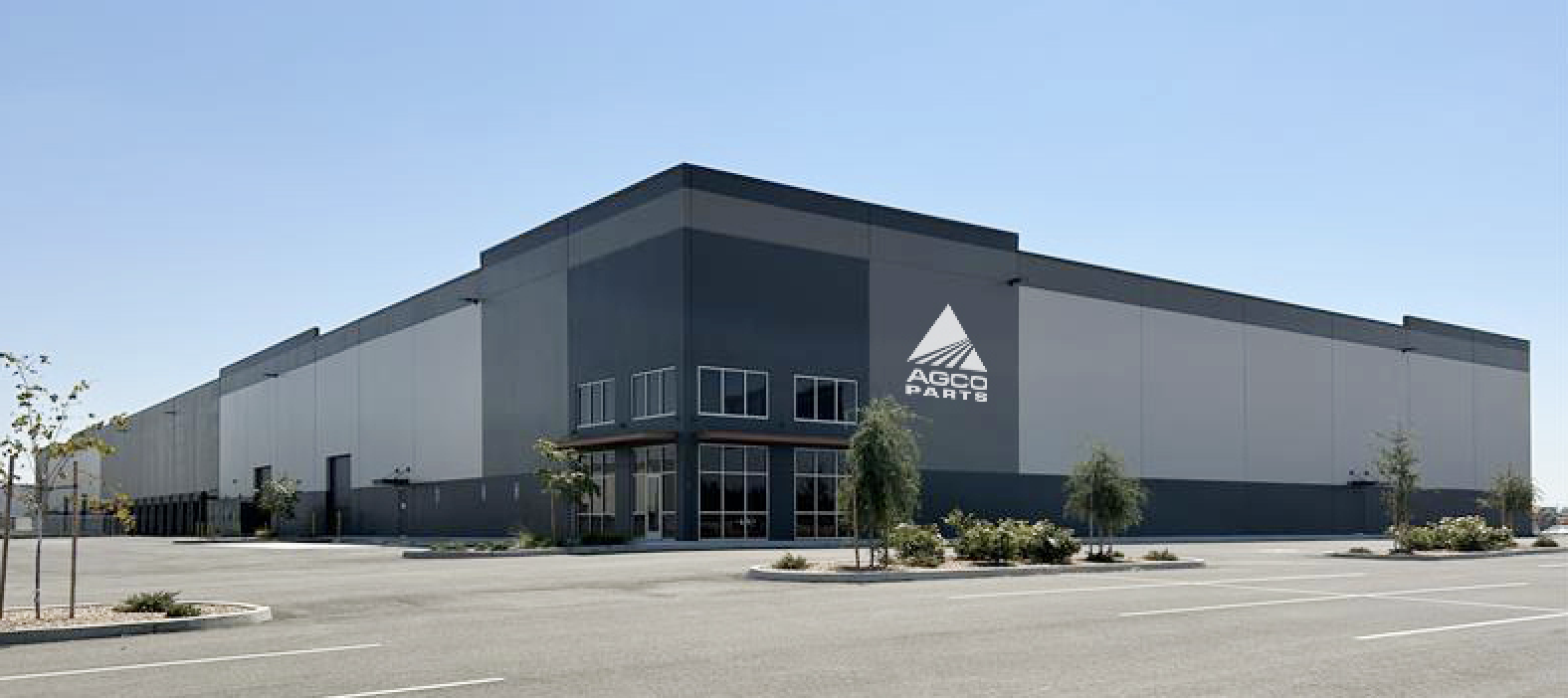
DULUTH, Ga. | August 7, 2025 | AGCO (NYSE: AGCO), a global leader in the design, manufacture and distribution of agricultural machinery and precision ag technology, today announced a multimillion-dollar investment in its U.S. West Coast operations with a new, expanded Visalia Parts Distribution Center. The modern facility will support all AGCO leading brands, including the rapid growth of Fendt® in the U.S., and provide enhanced service to western U.S. farmers, including California’s crucial crop farmers.

Located less than three miles from the current site, the new 115,000-square-foot facility will replace the existing center and feature advanced warehouse automation, expanded stocking capacity and improved forecasting capabilities to ensure faster delivery and greater parts availability for AGCO dealers and customers.

“California’s high-value crop farmers rely on precision equipment that runs long hours, often logging over 2,000 hours per year in demanding conditions,” said Jena Holtberg-Benge, AGCO Vice President of After sales and Parts. “By expanding our parts distribution capabilities in Visalia, we’re putting Farmers First – ensuring rapid access to critical components that keep machines running and on track during peak seasons.”

Visalia’s central location in the heart of West Coast agriculture enables AGCO to reach any dealer or farmer in the region within a day. The new facility will reduce lead times and improve fill rates for high-demand parts across AGCO’s full brand portfolio. The new facility is scheduled to begin operations in late 2026 with no expansion of the existing workforce.

Tulare Co homes for sale inventory heads higher

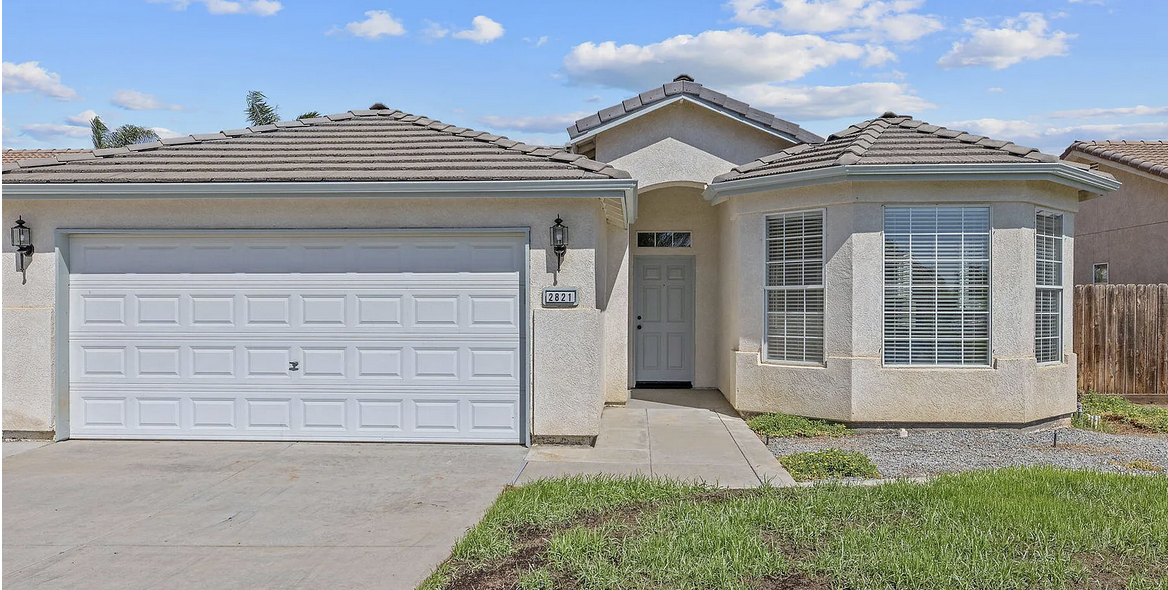
The latest charts from the Tulare County Association of Realtors indicates more homes on the market – up by 31% compared to a year ago.About 713 homes are for sale compared to about 500 in July 2024. Meanwhile the number of homes sold is the same at 77.Average price of a home sold is $407,000, down 2.6% from this time last year.

Oakland Zoo releases frogs in Sequoia Park

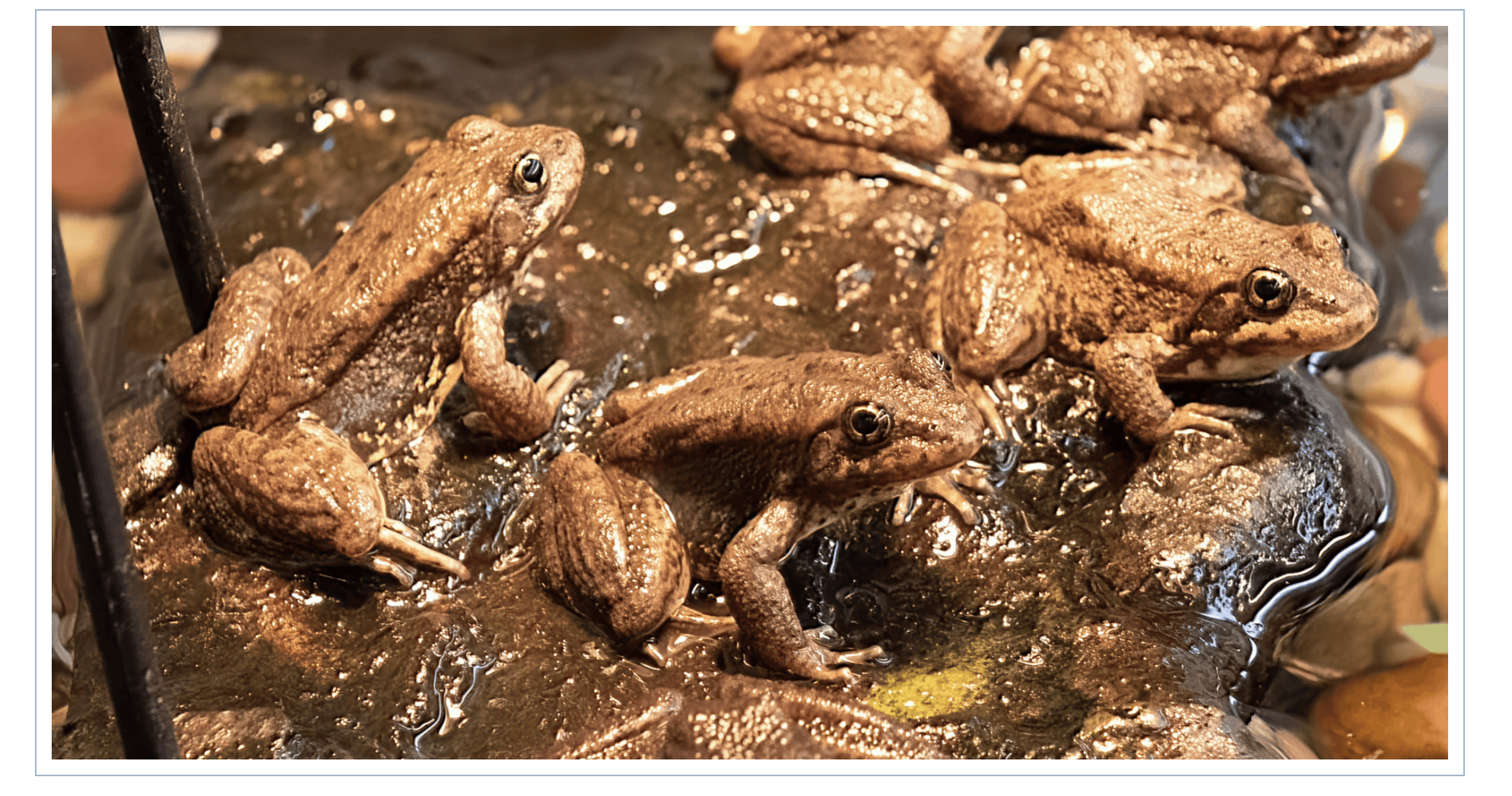
August 7, 2025: This month Oakland Zoo transported 43 yellow-legged frogs by helicopter to their release site in Sequoia and Kings Canyon National Park . This release marks the 1000th frogs released by Oakland Zoo and a decade of efforts to save these frogs, now on the verge of extinction from a deadly disease, Chytridiomycosis (chytrid). This release was in partnership with Mountain Lakes Research Group, the U.S Fish and Wildlife Service, and the National Park Service.

Yellow-legged frogs have experienced a 90 percent decline in their population due to the devastating effects of the chytrid fungus, a global pandemic considered the most significant loss of biodiversity caused by a pathogen. Oakland Zoo emphasizes the importance of saving frogs because they play a crucial role in the ecological food web as prey for larger animals and as predators of insects that control populations. They have permeable skin making them easily affected by environmental changes. This trait makes them excellent bioindicators, alerting us to environmental stressors. Frogs once were a keystone species in high elevation lakes but chytrid and other factors reduced their populations significantly.

Faraday Future starts trial production of new model vehicle in Hanford

Faraday Future (FF) says it is launching trial production of its new FX Super One electric vehicle at their Hanford plant now. Photos released by the LA-based start-up show a production line in place.

In a release, the company says this phase is primarily focused on planning and verifying production processes, operational workflows, and quality standards. In parallel, engineers and production staff at the Hanford factory are undergoing specialized training to support production readiness.

Following this phase, the company will proceed with comprehensive vehicle engineering of the new vehicle, which includes extensive safety testing and validation.

The FX Super One was unveiled on July 17 in Los Angeles aimed at competing with models such as the Cadillac Escalade.

Faraday Future’s current 1.1 million-square-foot manufacturing and production facility in Hanford, California,” has approximately $300 million invested so far in the multi-use facility, and with additional investment and permitting, could become capable of producing more than 30,000 vehicles annually,” the company claims. The facility would support mixed-line manufacturing or assembly for multiple models.

Past predictions

When the company launched their Hanford manufacturing plant back in 2017 they predicted it would employ up to 1300 workers and produce up to 10,000 cars annually. Almost 9 years later the huge facility – the former Pirelli tire plant, sits mostly quiet.

In recent months, the company completed a new round of financing commitment totaling $105 million, which is expected to nearly cover the launch of the FX Super One.

The new model that features an interactive grill that shows videos has attracted some positive attention after years that the company appeared to be stuck in marketing only a very high-end electric vehicle costing $300,000 and selling only a handful of the cars.By contrast the projected price of the Super One vehicle starts below $100,000 and possibly less.

The Super One is said to be modeled after a very similar vehicle built in China. Indeed the parts for the new FF model are being shipped in from China to be assembled in Hanford. The company has lobbied Washington to look kindly on the effort.

Faraday Future stock on the NASDAQ has inched up in recent months, but is still down about 30% year today at $2.77 a share.The company suffered a 2024 net loss of $355.8 million.

Regulatory problems

In other news in mid July, The Securities and Exchange Commission (SEC) sent letters to Faraday Future founder Jia Yueting and president Jerry Wang, writing that they may soon face enforcement actions from the SEC as the result of a three-year fraud investigation.

Details are from one press account in TechCrunch

The letters, known as “Wells Notices,” state that the commission’s staff has made an internal determination to recommend an enforcement action against the electric vehicle company, the two executives, and two former employees who weren’t named, according to a regulatory filing published Wednesday.

Faraday Future wrote in the filing that the SEC is focused on “purported false and misleading statements” related to the company’s 2021 merger with a special purpose acquisition company (SPAC). The SEC may seek “an injunction or cease-and-desist order against future violations of provisions of the federal securities laws, the imposition of civil monetary penalties, disgorgement or other equitable relief within the Commission’s authority, or any combination of the foregoing,” according to the filing.

The company also said in the filing that they — along with Jia and Wang — “plan to engage with the Commission staff about why an enforcement action is not warranted.”

FF pics

California home sales dip but not in Kings County

California Association of Realtors (CAR) reports that California existing single-family home sales totaled 261,820 in July, down 1.0 percent from 264,400 in June and down 4.1 percent from 272,990 in July.
July’s statewide median home price was $884,050, down 1.7 percent from $899,790 in June and down 0.3 percent from $886,420 in July 2024.

California’s spring homebuying season continued to fall short of expectations, as elevated mortgage rates and growing economic concerns restrained home sales from year ago levels for the fourth straight month. Closed escrow sales of existing, single-family detached homes in California totaled a seasonally adjusted annualized rate of 261,820 in July, according to information collected by C.A.R. 
Kings sales up 20%
Bucking the trend was Kings County and a few others in the state. Kings County saw a 20% increase in sales in July compared to a year earlier. Tulare County was up 8% and Ventura County was also up at 7.2%.
Back in Kings County, the median price of a home sold in July fell to $365,000 compared to $369,000 in July 2024.
Despite the increase in sales in King County,it’s taking longer to sell a home numbering 35 days in July 25 compared to 17 days in July 24 – about double the time. Tulare County showed a similar trend with the average time on the market numbering 33 days up from 20 in July 2024.
Statewide pending sales slipped from last year’s level for the eighth consecutive month in July, registering the largest year-over-year decline since November 2023. While mortgage rates have dropped to their lowest level since October 2024, the latest uptick in inflation could reverse the recent rate improvement trend and push rates back up closer to 7 percent. As such, housing demand is likely to remain soft through August until buyers and sellers get a better sense of what direction the market and economy are going. 

“The housing market experienced a modest slowdown in both sales and prices in July as some buyers stepped back, waiting for more certainty in the market and broader economy,” said C.A.R. President Heather Ozur, a Palm Springs REALTOR®. “Encouragingly, mortgage rates have recently declined to their lowest level since last October, and that has already led to an increase in purchase applications. If this trend continues, we could see stronger sales.


Ladies Room mural going up in Downtown Hanford
More buildings in Downtown Hanford are being adorned with murals and now add a new eye popping wall painting by Lauren Farrar at the Ladies Room Beauty Parlour at 109 W 8th St, Hanford. Ladies Room owner Courtney Cantwell says Lauren will start work on the new mural Thursday Aug 21 and plans to be finished  by Sept 21. People are invited to watch her progress.
“Just like the customers at Ladies Room, we hope to pretty-up Downtown” says Courtney. The city recently approved the design.
Asked where the unique name for her salon originated from, Courtney remembers it came to her when she started the business some 20 years ago with the 1980s song “Meet Me In The Ladies Room.”
Earlier this year several new murals were approved by the city including one along Irwin Street , at the Kings Art Center and one at The Plunge.

Santa Maria package delivery project looks like Amazon

  • Construction could start in March
  • Almost 600 jobs

We’ve all heard the quip, If it looks like a duck, swims like a duck, and quacks like a duck, then it probably is a duck.

Well the proposed “Package Delivery Warehouse” project publicly noticed by the City of Santa Maria a few days ago with parking for nearly 1,000 vehicles – fits right in. The new distribution complex, made public with the launch of an Environmental Impact Report on August 14, would be located on a 32-acre site, currently planted to crops, at 1680 West Stowell Road in Santa Maria. But nobody says who it is.

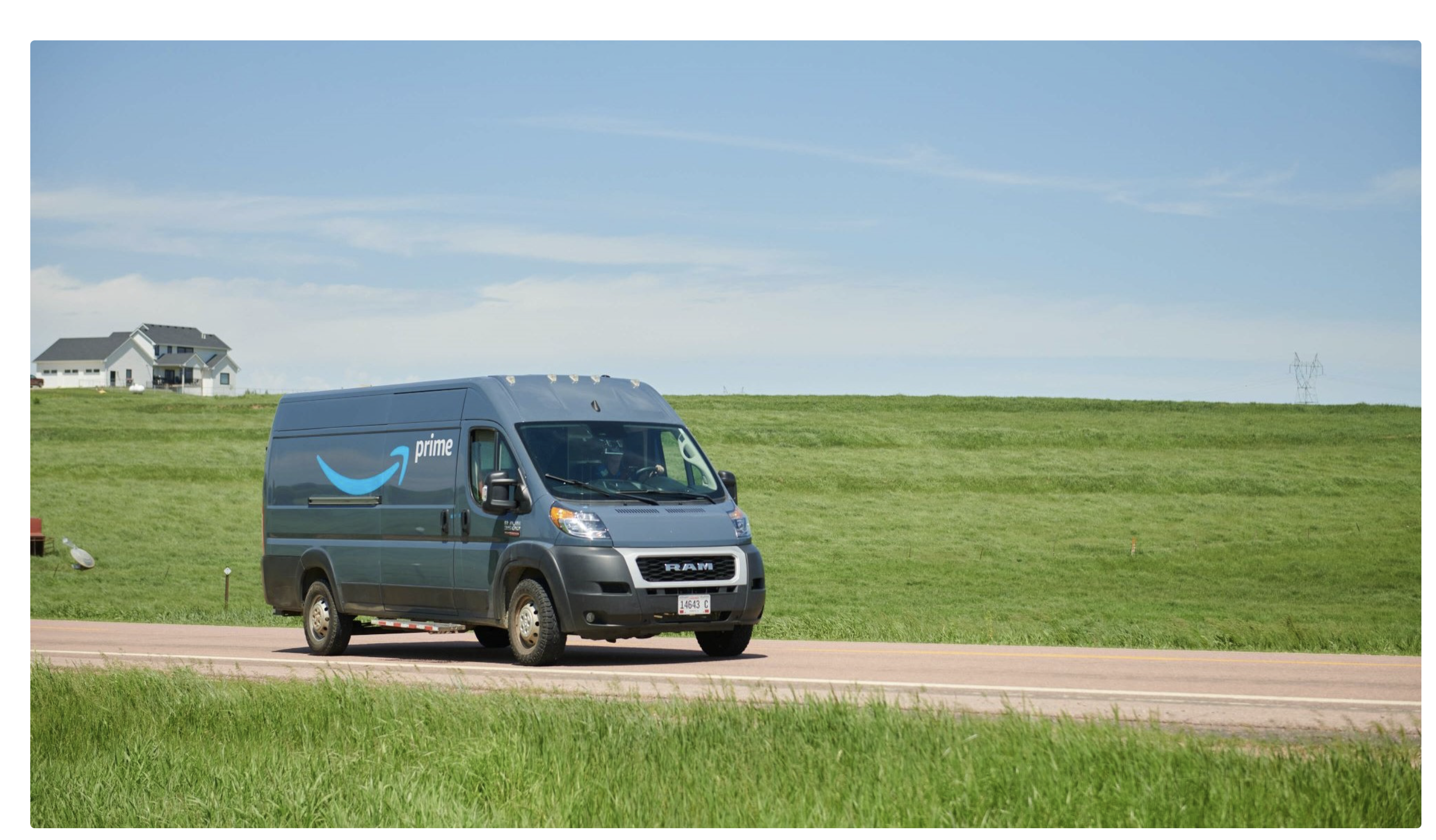
The proposed “last mile” delivery center at 169,000 square feet is similar in size and layout to other Amazon centers being built around the country to deliver perishable groceries and other products to your door the same day. News watchers will notice that Amazon on August 14 announced expansion of same-day delivery rolling out over the next couple of years to many rural areas of the country requiring construction of new delivery centers to make it happen.

Amazon says in a news release they would invest $4 billion to expand rural deliveries with an expansion into 13,000 zip codes and creating 100,000 new jobs. Amazon is already the nation’s largest job generator creating 500,000 jobs across the country in the past five years.

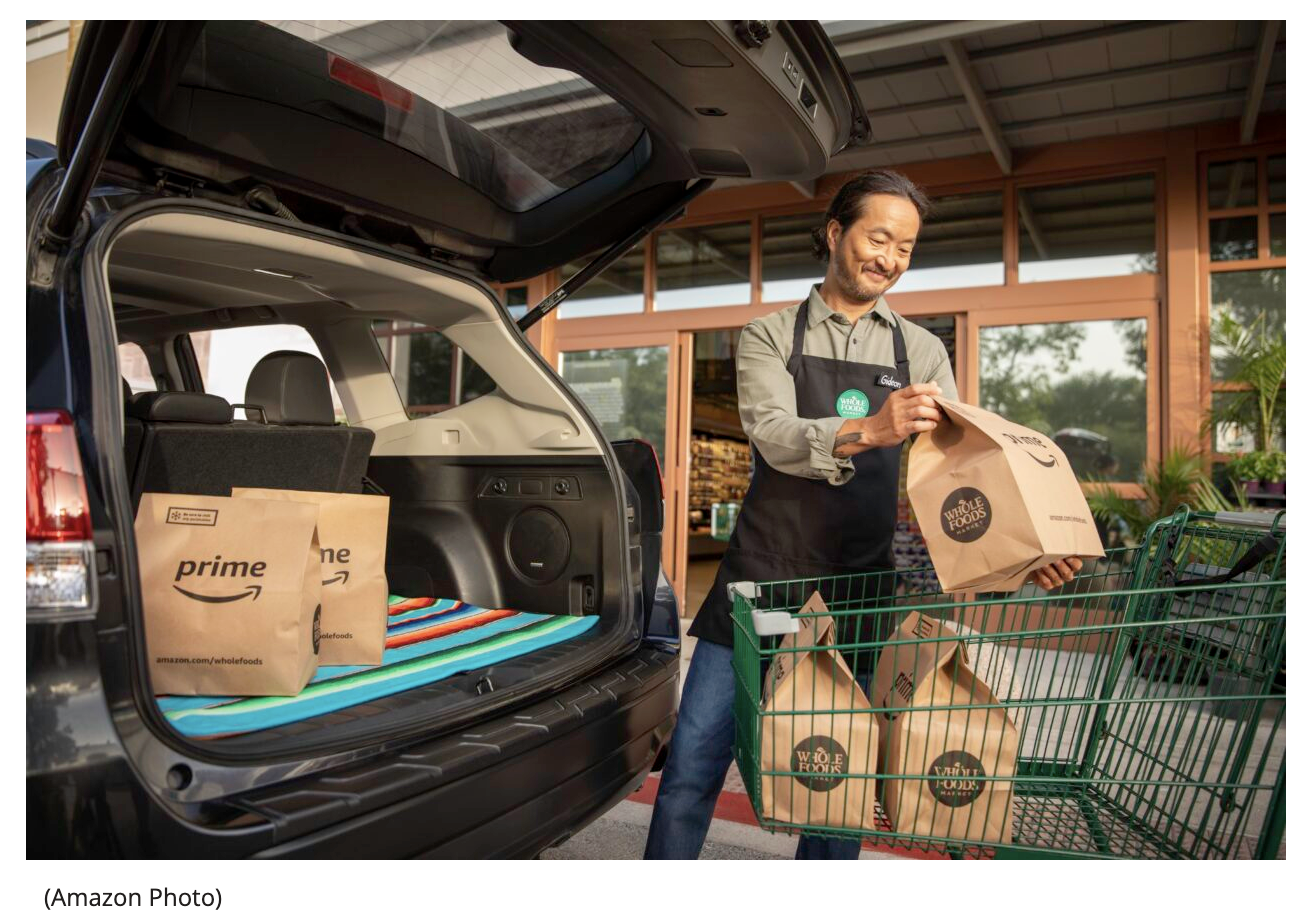
The new focus is on groceries delivered to your door on the same day you order them. Perishable products will be delivered in temperature-sensitive insulated bags that are recyclable the company says.

Mum’s the word

Similar to many Amazon construction projects that are shrouded in mystery with the company typically tight-lipped until they start hiring, Amazon nor the Santa Maria project developer Seefried Industrial Properties will make any comments. Seefried has worked with Amazon all across the country, including Florida, Georgia, Texas, Arizona, and California.

The city remains mum as well. Community Development Director Chenin Dow says Santa Maria has been working with the developer for six months but does not expect any kind of public hearing until around the first of the year. A full-blown EIR will be required,Principal Planner Frank Albro expects. Asked if the applicant is Amazon, they agree “we can’t comment.”

Amazon has multiple fulfillment centers, larger distribution complexes, and an increasing number of smaller size delivery centers in California but none north of Oxnard or south of Salinas on the Coast.Speaking of Salinas, Amazon is under construction now on a 5-story, 3-million+ square foot advanced robotics fulfillment center just south of town, visible from 101.These guys are on the march.

Just this week Amazon broke ground on a new delivery distribution center in Redding covering northern California at a 34 acre city-owned parcel with plans to build a 95,000sf facility employing around 100.

Clearly there is a huge swath of California with no Amazon warehouses. Seefried Industrial Properties, based in Atlanta, has developed multiple Amazon facilities on long term leases including a delivery complex in Fresno and the 1.5 million square foot Amazon fulfillment center in Oxnard, California. Seefried is a so-called “spec builder” working on permitting a project ahead of a firm commitment by a tenant.

Amazon has a number of recently built last-mile delivery stations in California that are around the 100,000-200,000 square feet size including Clovis and Bakersfield.These facilities are critical for Amazon’s rapid delivery network and are a key area of expansion for the company.

Almost 600 jobs

This Santa Maria 24/7 package center will feature 345 delivery vans and 34 line haul trucks visiting the complex every day, says the Notice of Preparation for their EIR. The big project will create approximately 588 new jobs with construction potentially starting in March 2026. Community Development Director Dow says the new private employer will be one of the largest in the city.Most of the big non-public employers in Santa Maria are ag-related now.

The facility has some green aspects featuring solar panels, EV charging stations and a battery energy storage system.

While the main warehouse is 169,000sf, the buildings and canopies add up to 244,418sf figuring in the office, fleet service center and other support facilities.

Covering the Central Coast

The city report says vehicles making deliveries could travel up to 125 miles from Santa Maria implying deliveries could cover all of San Luis Obispo and Santa Barbara counties. That would take in a population adding up to 750,000. Heading north, King City is 112 miles and to the south – Ventura is 90 miles.

Critics of the e-commerce giant’s expansion complain that the new surge by Amazon will be at the expense of ‘Mom and Pop’ stores locally.Already Amazon is being blamed for the demise of drugstores like Rite Aid that declared bankruptcy this year as more customers get their drugs online- often with Amazon. It may be grocery stores and other delivery services that feel the brunt of this new competition.After Amazon announced its same day expansion plans the stocks of DoorDash and Kroger each dropped by around 4%, and Walmart lost over 2.5%.