

SACRAMENTO, Calif. – The Department of Water Resources (DWR) today announced another increase in the forecasted State Water Project (SWP) deliveries this year. With reservoirs nearing capacity and snowmelt runoff starting to occur, DWR now expects to deliver of requested water supplies, up from 75 percent announced in March. This water will be delivered throughout the year to the SWP’s 29 public water agencies that serve 27 million Californians and 750,000 acres of farmland. The last time the SWP allocated 100 percent was in 2006.
San Luis Reservoir in Merced County, which holds water supply for both the SWP and U.S. Bureau of Reclamation’s Central Valley Project (CVP), is now full. Additionally, Lake Oroville, the SWP’s largest reservoir, and SWP reservoirs in Southern California are expected to be full by the end of May. Statewide, reservoir storage is at 105 percent of average for this date.
“Water supply conditions and careful management of reservoir operations during this extreme winter allows DWR to maximize water deliveries while enhancing protections for the environment,” said DWR Director Karla Nemeth. “DWR is moving and storing as much water as possible to the benefit of communities, agriculture, and the environment.”
This wet winter and strong runoff conditions has allowed the SWP to make additional water available to any contractor that has the ability to store the water in its own system, including through groundwater recharge. DWR is maximizing the capture and storage of this abundance of snowpack across the state. Formally known as Article 21 water, this additional water does not count toward SWP allocation amounts. Since March 22, the SWP has delivered 228,000 acre-feet of Article 21 water to local water agencies with 37,000 acre-feet planned for next week.
The SWP typically evaluates the allocation forecasts monthly using the latest snow survey data, reservoir storage and spring runoff forecasts. The 100 percent forecasted allocation announced today takes into account that data from April. Runoff analysis will continue, and an additional snow survey will be conducted in May.
While California’s surface water conditions have greatly improved this year following three years of historic drought, several water supply challenges remain in the northern part of the state and in over-drafted groundwater basins that are slow to recover. Millions of Californians rely on groundwater supplies as a sole source of water.
The Colorado River Basin, which is a critical water supply source for Southern California, is still in the midst of a 23-year drought. Californians should continue to use water wisely to help the state adapt to a hotter, drier future.

 How do abnormal weather conditions, animal health outbreaks and global conflict impact U.S. agricultural markets? The Food and Agricultural Policy Research Institute at the University of Missouri (FAPRI-MU) has just released its annual U.S. Baseline Outlook report. The report includes projections for agricultural and biofuel markets, and serves as a point of reference for evaluating alternative scenarios for agricultural policy.
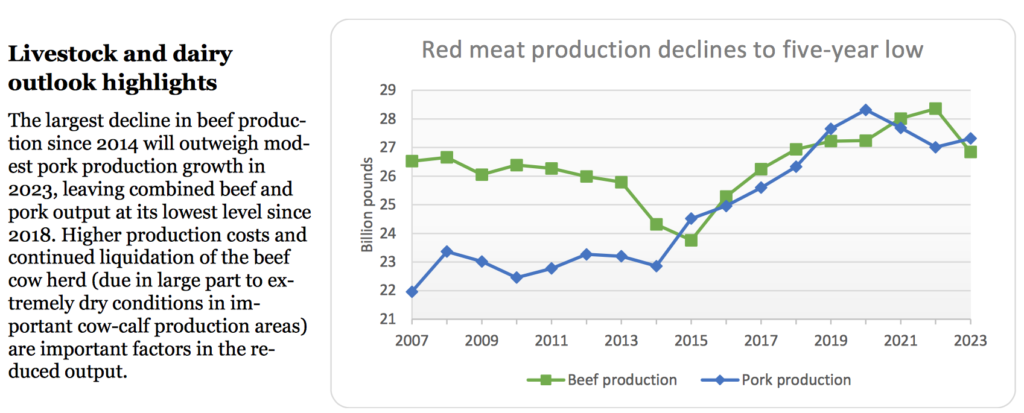
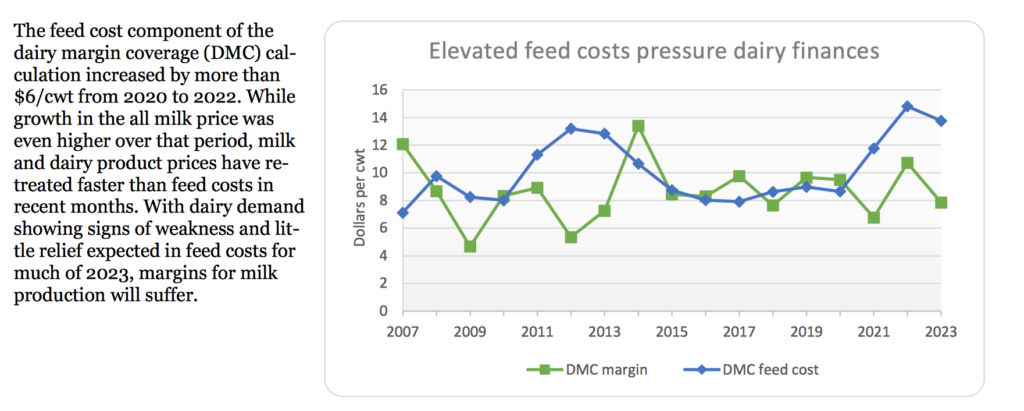
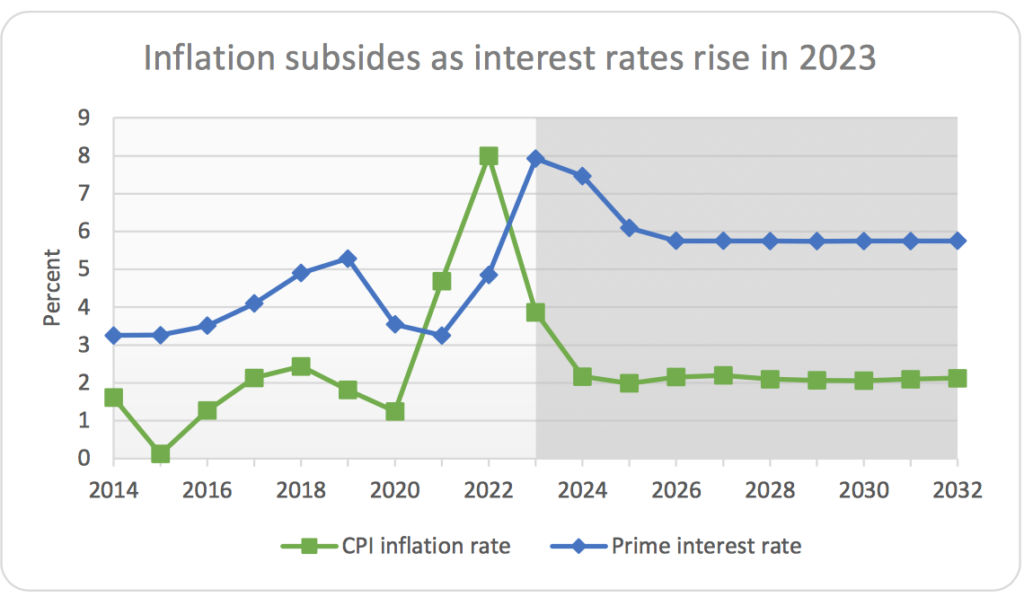 Federal spending on farm-related programs was above the historical norm between 2019 and 2022, largely because of short-term, ad hoc programs. Crop insurance accounts for 45% of projected spending on major farm-related programs over the next decade. Commodity program spending associated with Title I of the farm bill is relatively low in FY 2023 and 2024, but rebound in later years given projected changes in commodity prices and program payment triggers under the price loss coverage (PLC) and agriculture risk coverage (ARC) programs.
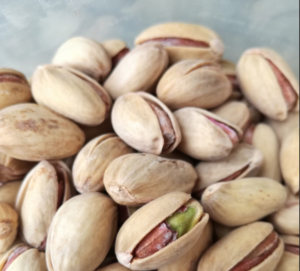 More rainfall this season has eased the multiyear drought, with improved water allocations for farms. The colder winter has also provided adequate chilling hours for pistachio trees to produce flowers and fruit. With more pistachio trees coming online this year, growers appear on pace to produce a record crop that could top 1.2 billion pounds, according to Richard Matoian, president of the American Pistachio Growers.
 The March 2022-23 Valencia orange forecast is 16.2 million cartons, down about a million cartons from last year.Growers have pulled about 1000 acres year over year.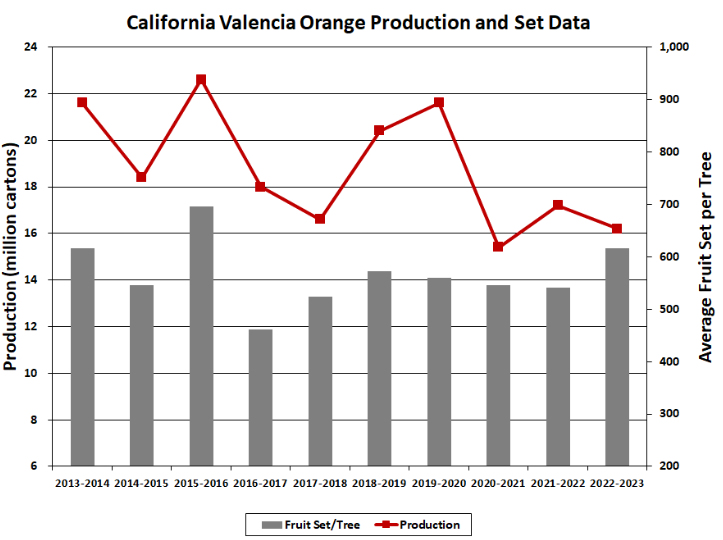

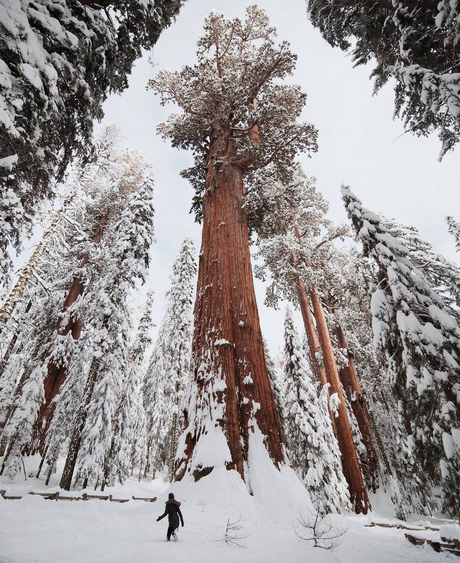 SACRAMENTO, Calif. – The Department of Water Resources (DWR) today conducted the third snow survey of the season at Phillips Station. The manual survey recorded 116.5 inches of snow depth and a snow water equivalent of 41.5 inches, which is 177 percent of average for this location on March 3. The snow water equivalent measures the amount of water contained in the snowpack and is a key component of DWR’s water supply forecast. DWR’s electronic readings from 130 snow sensors placed throughout the state indicate the statewide snowpack’s snow water equivalent is 44.7 inches, or 190 percent of average for this date.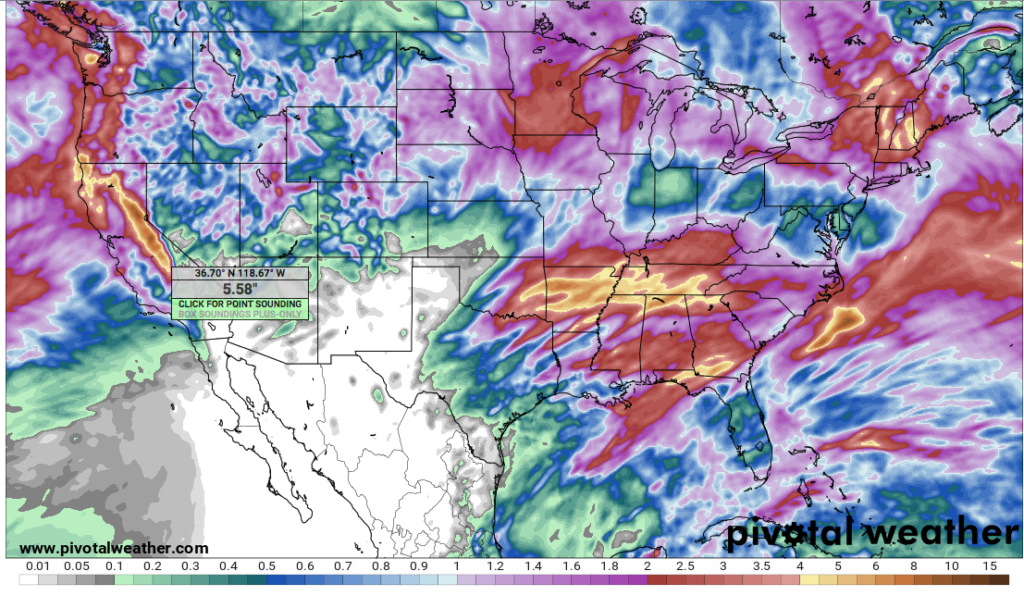

 People have been crying in their expreso about inflation over the past year and rightly so. But now, maybe it’s time to look on the sunnyside. Prices for a number of key commodities are heading down including that important breakfast item – eggs!
 The culprit has been bird flu that has decimated the flock of egg laying chickens although some observers are putting the blame on California’s Prop 12 which gives the birds a chance to spread their wings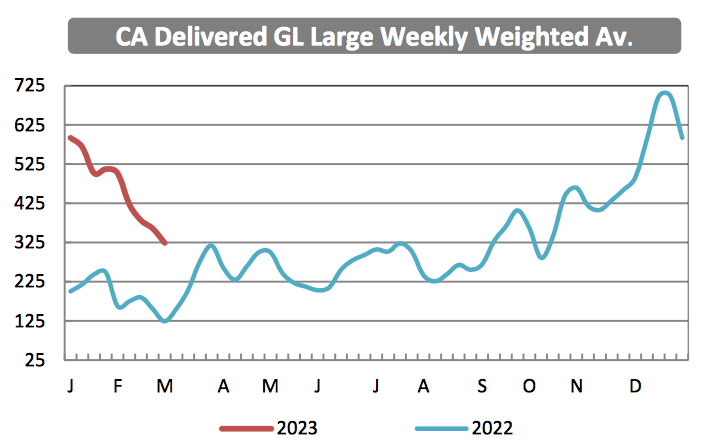
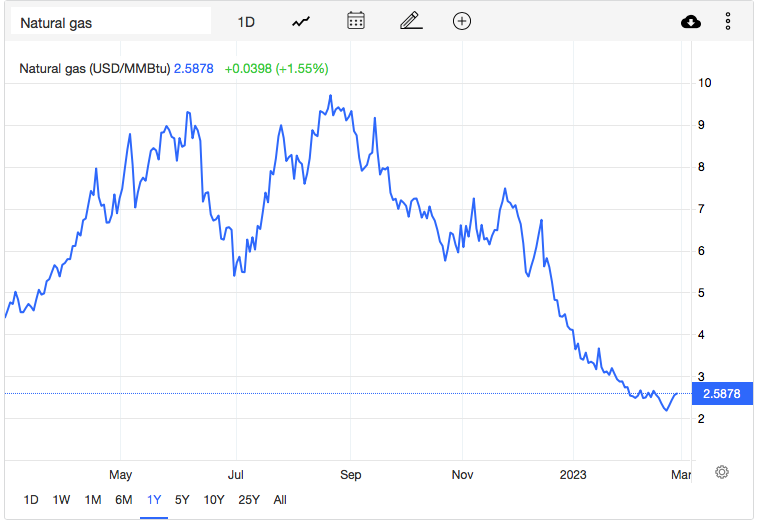 “For the first time since September 2020, Henry Hub natural gas futures plunged below $2 per mmBtu this week before bouncing back to a more palatable level of $2.4/mmBtu.The combination of a relatively mild winter in key US consumption hubs and excess domestic volumes on the back of the Freeport LNG outage depressed gas futures that only six months ago were trading above $10/mmBtu.”
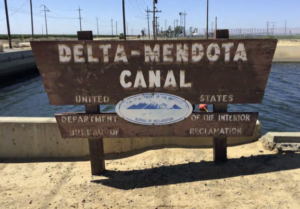 Land subsidence from pumping has not just reduced flows on the Friant Kern Canal and California Aqueduct, it is expected to reduce capacity by 44% along the Delta Mendota Canal that waters the westside down to Fresno County. A notice says currently, 30 out of the existing 115 bridges along the DMC are considered deficient because they do not have 1 foot of clearance above the Maximum Water Surface Elevation when the canal is operated at design flow. However, the number of deficient bridges is expected to reach 45 when taking into consideration future subsidence conditions. Deficient bridges would be partially submerged when the canal is operated at the design flow, resulting in safety risks.
 USDA’s recent February report estimates Florida’s all orange production at 16 million boxes, down another 11% from last month. Fruit drop continues to be a problem with USDA noting “current droppage is above the maximum and projected to be above maximum at harvest.”
 French dairy giant Lactalis acquired the Tulare Kraft cheese plant along Highway 99 in 2021 in a merger with Kraft. Now the new owners want to expand the facility and product offerings adding a new 38,300sf building that will produce and package Feta cheese. The company filed plans with the city this week. Lactalis is the world’s largest cheese maker.
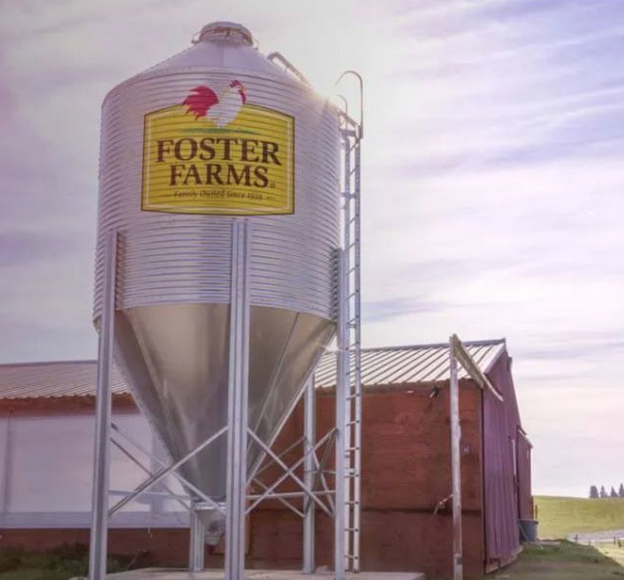 Valley-based Foster Farms new owners are moving forward on reopening a broiler farm near Kent Ave in Kings County. The Community Development agency is processing an application for a 387,652 unit chicken ranch or a smaller number of turkeys. The existing facility is closed as of now.