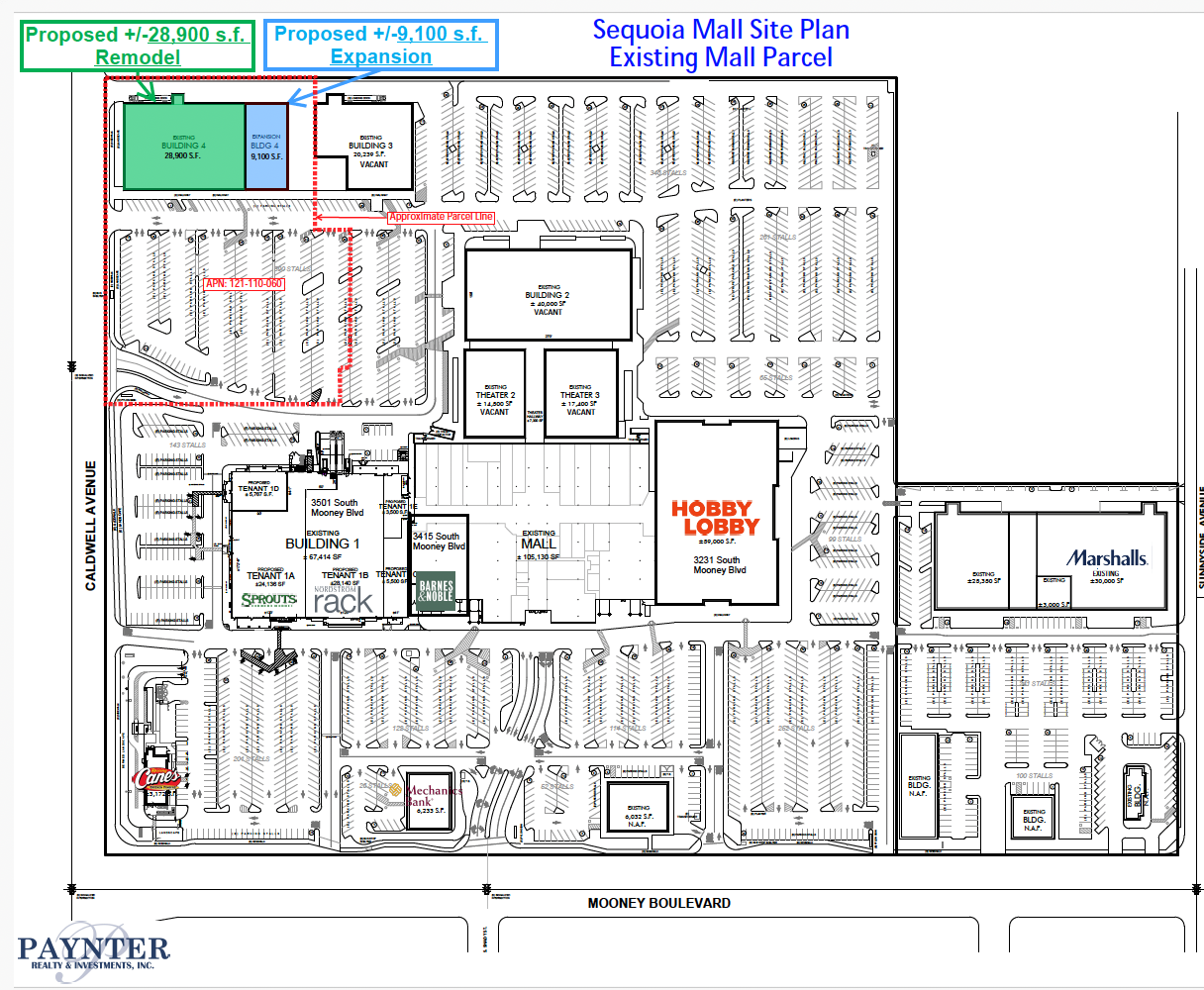
Owner of the Sequoia Mall, Paynter Realty has submitted plans to the city for a 38,000 square-foot fitness facility taking a place of the former CVS drug store space- the old Longs Drug. The project envisions expansion and remodel of the empty building by 9,000sf with construction valued at $3 million. The fitness tenant would offer both indoor and outdoor areas for exercise.No names related yet.The matter will be heard Nov 19.
Adventure Park wants to sell distilled spirits
Adventure Park in Visalia has filed a request with the city to start selling distilled spirits at their entertainment complex added to sales of beer and wine already in place. The request requires a conditional use permit.
Building permits continue at a strong pace
Visalia building permits are continuing the strong pace seen all year now, more than doubling the number of single-family permits seen through October last year. Through October the city has permitted 461 new homes compared to 219 this time in 2024.Multi-family is down however. New commercial permits continue strong as well valued through October at $146.6 million compared to $59.4 million through October 2024. The total value of all permits are up 55% according to the City of Visalia.
After American farmers biggest soybean customer did not buy beans this year they saw a glimmer of hope when President Trump met with the Chinese leaders a few weeks ago to try to work out a trade agreement.The situation is dire among Midwest soybean farmers considering that China purchased 54% of US grown soybeans last year for $13.2 billion but until now has purchased $0 US soybeans in 2025.Last month American Soybean Association President Caleb Ragland told Congress that “US agriculture is facing significant challenges. Commodity prices are down nearly 50%, and farm production costs continue to skyrocket. For soybean farmers, the loss of our largest export market due to trade retaliation by China has made financial problems even worse. High production cost and market losses mean soybean farmers are expected to face a loss of around $109 an acre for this year’s crop.”
So it was good news that after the meeting, the White House said China would purchase at least 12 million metric tons of U.S. soybeans in the last two months of 2025 and at least 25 million tons in each of the next three years. So far this year the US soybean industry has lost the Chinese market to competitors like Brazil and Argentina who despite the talks are cheaper than US-grown beans due to China’s retaliatory tariffs against Trump. Despite the positive signals, US soybeans still face a 13% tariff, compared with just 3% for Brazilian and Argentine supplies, limiting US price competitiveness, say reports.
Hopes fade with lack of sales
Fast forward to now- November 14 and news reports say USDA data “cast serious doubts about whether China will really buy millions of bushels of American soybeans like the Trump administration touted last month after a high-stakes meeting between President Donald Trump and Chinese leader Xi Jinping.The USDA report released after the government reopened showed only two Chinese purchases of American soybeans since the summit in South Korea that totaled 332,000 metric tons. That’s well short of the 12 million metric tons that Agriculture Secretary Brooke Rollins said China agreed to purchase by January and nowhere near the 25 million metric tons she said they would buy in each of the next three years.”
Reuters reported that “China is grappling with a glut of soybeans after months of record imports, curbing prospects for U.S. exports despite a recent trade truce that Washington said includes a pledge by Beijing to resume heavy purchases.”
Another report says “We don’t expect any demand from China to return to the U.S. market with this change,” said one trader at an international trading company. “Brazil is cheaper than the United States and even non-Chinese buyers are taking Brazilian cargoes.”CoBank’s Tanner Ehmke, lead economist for grains and oilseed, said there isn’t much incentive for China to buy from America right now because they have plenty of soybeans on hand that they have bought from Brazil and other South American countries this year, and the remaining tariffs ensure that U.S. soybeans remain more expensive than Brazilian beans.“We are still not even close to what has been advertised from the U.S. in terms of what the agreement would have been,” Ehmke said.Beijing has yet to confirm any detailed soybean purchase agreement but only that the two sides have reached “consensus” on expanding trade in farm products. Ehmke said that even if China did promise to buy American soybeans it may have only agreed to buy them if the price was attractive.”
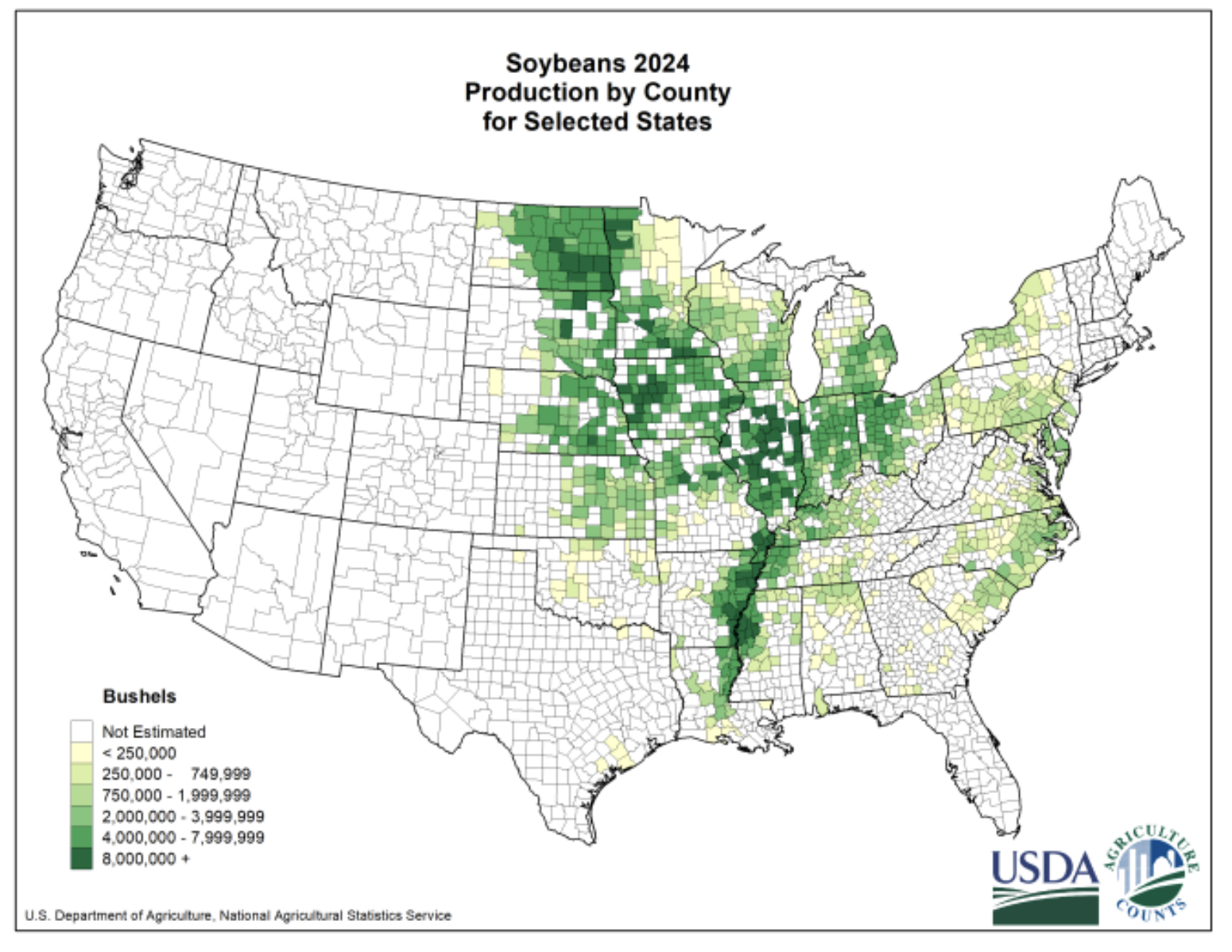
All this uncertainty particularly impacts the Midwest and South where the soybean farms are clustered, arguably Trump country. Some 271 thousand U.S. farms raise soybeans. California produces many crops but no soybeans. Instead we import trainloads of both soybeans and corn for both animal feed and biodiesel blending into our diesel fuel.The big livestock industry and motorists here who use corn ethanol are customers.(California blends of ethanol will now go to 15% from 10%).
U.S. soybean futures recently reached their highest level since June 2024 on hopes for Chinese buying but the futures price has dropped this past week as hopes fade for relief and sales. The impact: One of the most important ag industries is joining other US commodities – a victim of the ongoing Trump trade war.
ProAg reports this week after the trade deal that “China’s state trader, COFCO, recently signed contracts worth over $10 billion to buy nearly 20 million tons of Brazilian soybeans and related products from major global traders, with no mention of U.S. goods. While some U.S. purchases have occurred as goodwill gestures, Beijing’s primary focus remains on Brazil.”
Meanwhile,China looks to be more self-sufficient and has built up its own soybean production, adding 9 million acres and increasing production by 8.6 million metric tons since 2015, according to the University of Arkansas System Division of Agriculture.
US farmers are looking at the calendar to plan their strategy for 2026 but lack of progress on sales to their biggest customer offers nothing but worry as their bins fill with this year’s harvest completed in October.
Soybean farmers had optimistically reasoned that China needs US soybeans for high-protein feed to sustain its massive hog population, which represents almost 60% of the global sow herd, and feed their large population hungry for protein. “Simply put, China needs soy, and the United States soy industry has depended on access to this market for decades.”
The bulk of Midwest soybeans where 80 percent of U.S. soybean acreage is concentrated – are exported to China, Canada and Mexico.
But China imported 71% of its soybeans from Brazil as of 2024, compared to 2% in the late ‘90s, according to the United States Department of Agriculture.Soybeans are a top food export for the U.S. making up 14% of the nation’s agricultural exports according to the U.S. Department of Agriculture. In 2024, China bought $12.5 billion of the $24.5 billion of soybeans the U.S. exported globally — more than 50% of U.S exports of the crop.
USDA report released
This past week USDA appeared to face reality in their long-awaited crop report. The agency trimmed its forecast for soybean exports in the 2025-26 crop year. USDA estimated there would be a 50-million-bushel reduction in 2025-26 U.S. exports, to 1.635 billion bushels, down 13% from 2024-25 – a 13-year low.
USDA also estimated that the 2024-25 Brazilian soybean crop was up 1.5% to a record 171.5 million metric tons or 6.3 billion bushels. In 2025-26, USDA expects Brazil’s crop to expand another 2% to 175 million tons.
With or without promised China sales, the US soybean industry must face the fact it needs new markets.The Center for Strategic and International Studies , a bipartisan, nonprofit policy research organization says “Even if China fulfills the reported purchase commitments, U.S. soybean exports to China in 2025 would reach only 18.2 million metric tons. This would constitute a 32 percent decline since 2024—when annual exports reached 26.8 million metric tons—and would make 2025 the worst year for U.S. soybean sales to China since 2018.
In the past five years, China’s share of U.S. soybean exports has remained roughly unchanged at about 53 percent. Unless the U.S. soybean industry diversifies into other markets, it will remain exposed to coercive Chinese economic statecraft in the future.”
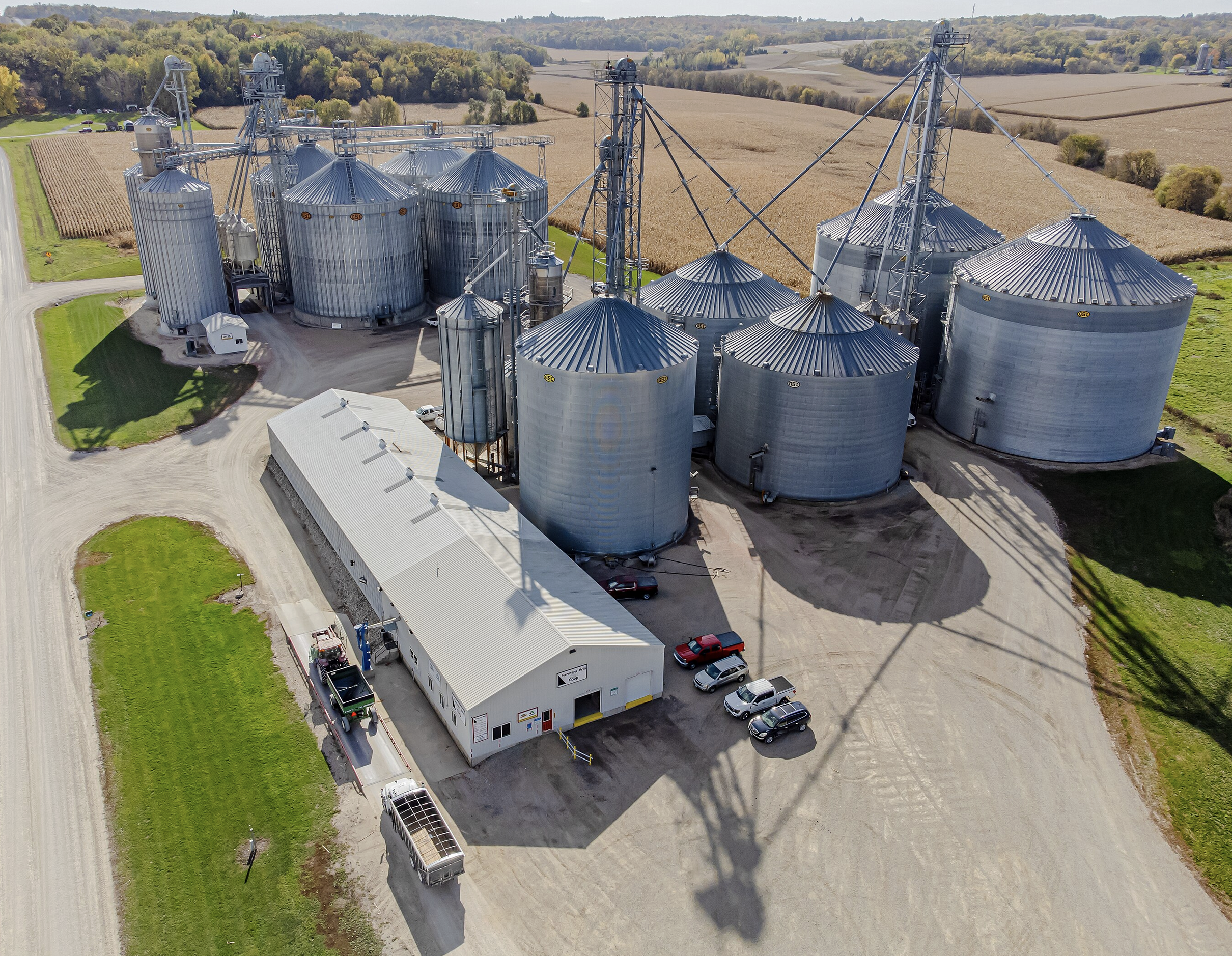
The trade dispute with China has led to a surplus of soybeans that fill silos, forcing farmers to store their crops rather than sell at a loss, notes Bloomberg
WSJ reports today that the “Trump administration is poised to unveil a plan that would allow oil drilling off the California coast, according to people familiar with the matter, a move likely to further inflame the political feud between the president and the Democratic governor of the state, Gavin Newsom.”
The announcement, could come later this week and may include a proposal for drilling around Alaska and the Eastern Gulf of Mexico, the paper reported.
Strong majorities of Californians have opposed allowing more oil drilling off the California coast in recent years. When the Public Policy Institute last asked this question in their July 2021 survey, 72% were opposed.
While Mr. Trump opposes wind turbines off the California coast,he would replace them with more oil drilling rigs, many off the Central coast between Ventura and Morro Bay.There are 23 offshore rigs along the central coast now.
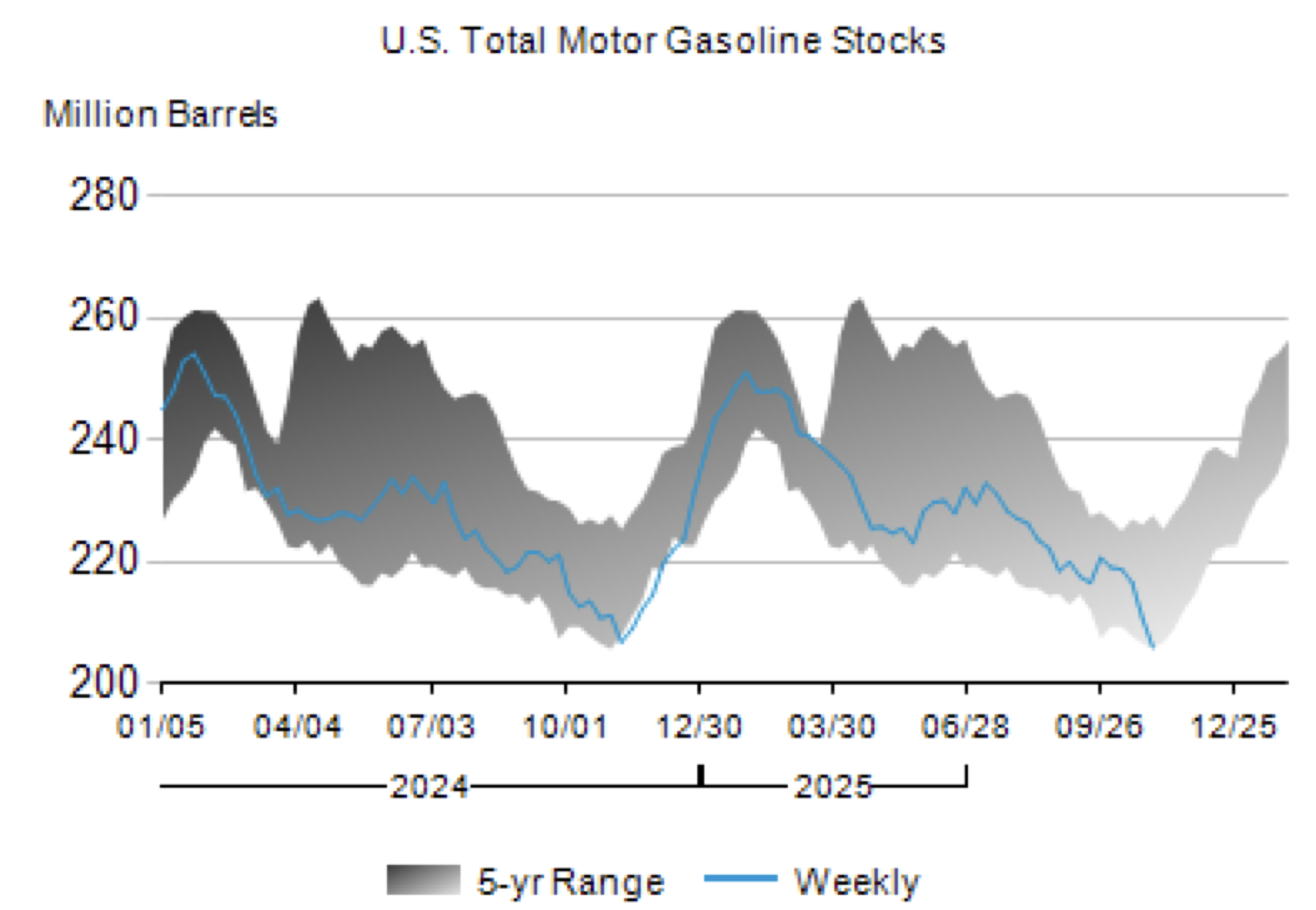
Why are the prices of gasoline up? Despite claims of lower prices at the pump, GasBuddy says as of November 10,2025 the “national average is down 4.0 cents from a month ago but is also 0.8 cents per gallon higher than a year ago.” While the price of crude oil may be down around $60 a barrel,US refiners are deciding to make less gasoline for the domestic market. Take a look at President Trump’s energy agency chart for the past two years showing a decline in supply – now at a two-year low.
Meanwhile,the national average price of diesel has increased 6.5 cents in the last week and stands at $3.73 per gallon compared to $3.51 a year ago according to the Energy Information Agency.That drives the cost of goods delivered by trucks and rail higher and it means more costs for farmers. “The national average price of gasoline edged higher last week, with the vast majority of states seeing prices climb,” said Patrick De Haan, head of petroleum analysis at GasBuddy. “Refinery issues in the Great Lakes and West Coast have kept prices elevated, and gasoline inventory data from the government showed another large weekly drop in supplies.”
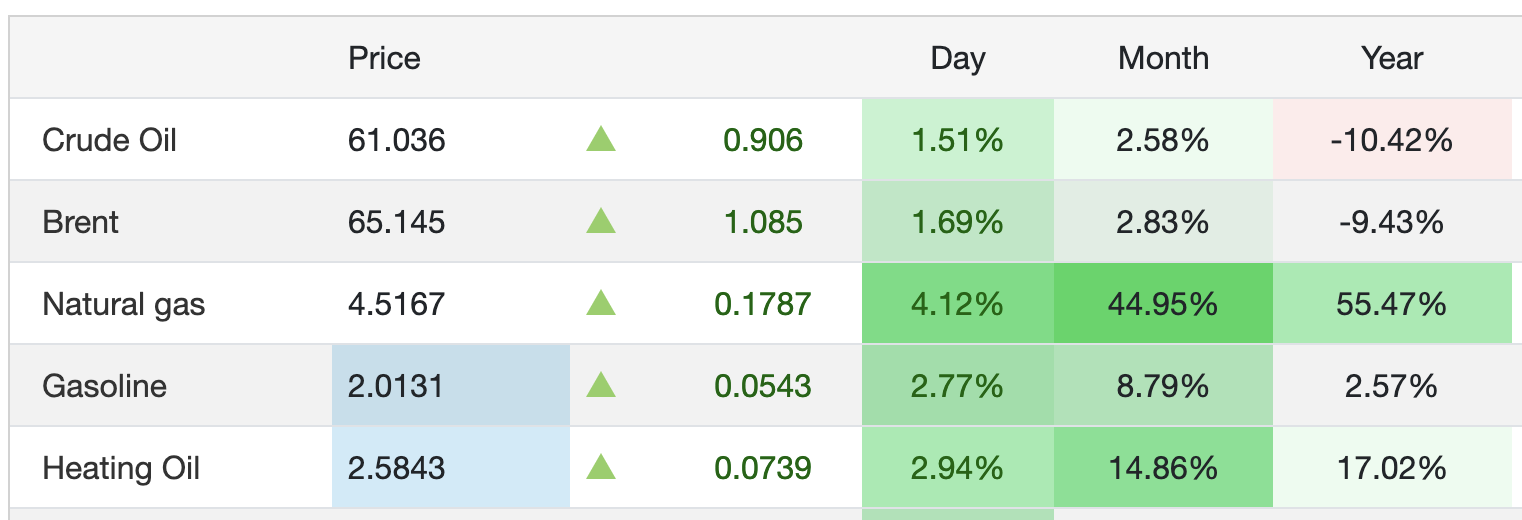
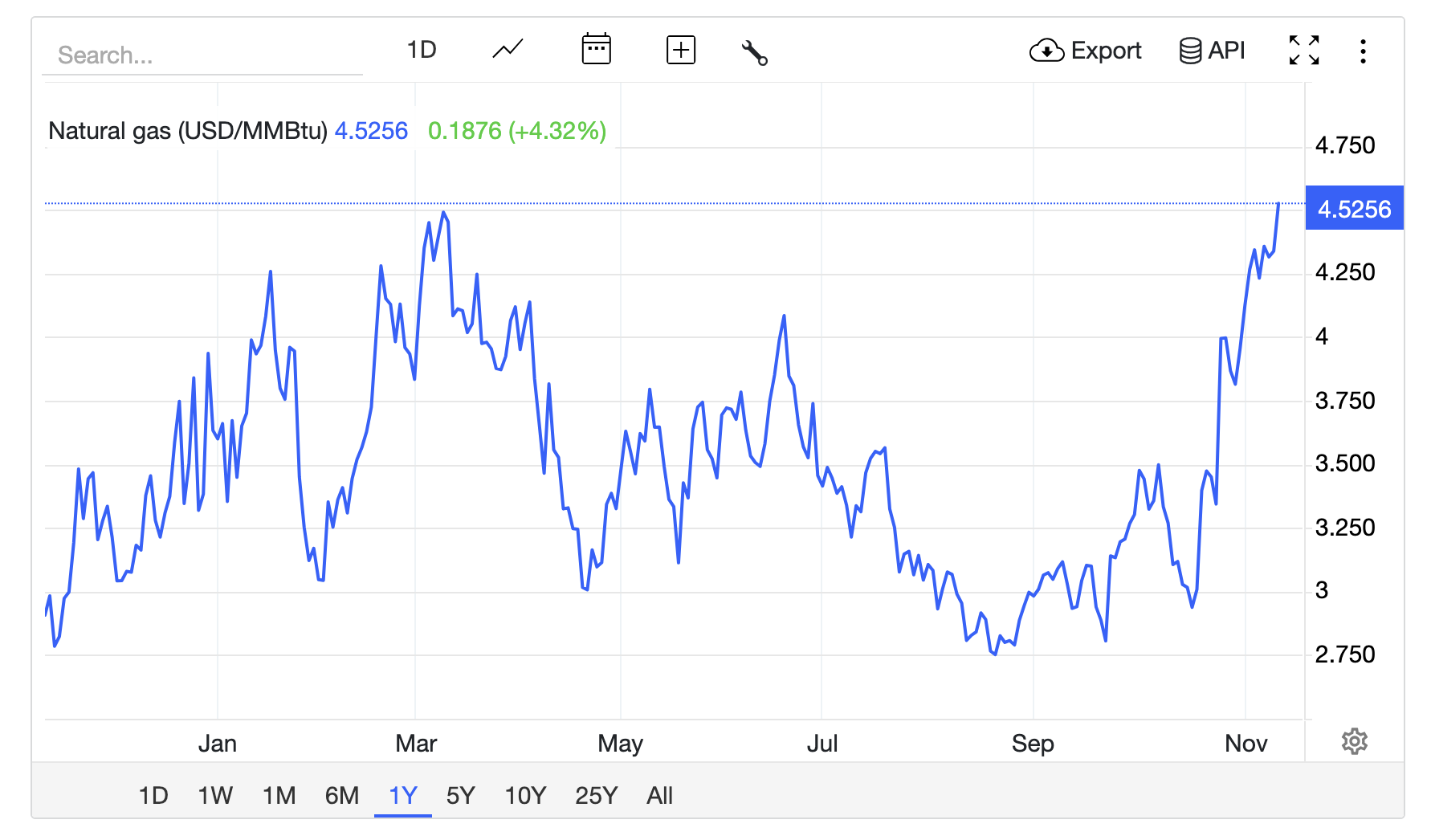
Trading Economics reports most fossil fuel prices are higher in 2025 compared to this time a year ago.( see chart) That includes gasoline, heating oil and notably natural gas now up 55.4%.
The fuel is used to heat homes and make electricity, helping to drive these common consumer expenses higher as well ! Natural gas prices are rising due to factors like strong export demand, especially from liquefied natural gas (LNG) facilities, and colder-than-average temperatures increasing heating needs. The U.S. Energy Information Administration (EIA) forecasts that the average Henry Hub spot price could reach $3.40-$3.90 per million British thermal units ((MMBtu)) in 2025 and 2026, up from a 2024 average of about (2.20/MMBtu). This trend is expected to lead to higher electricity rates for consumers.
A news report this week suggests a higher cost to heat your home this winter.”This week’s cold blast is setting the stage for winter, and experts say heating your home could cost more this year.“Everyone is saying prices are going up,” said Mark Wolfe, executive director of the National Energy Assistance Directors Association. “Nobody is saying prices are coming down.” Wolfe said rising costs for electricity and natural gas will make home heating more expensive for most families this winter. The National Energy Assistance Directors Association projects average home heating costs will rise 7.6%, from $907 last winter to about $976 this season. Families using electric heat will see the biggest jump — up 10.2% to about $1,205 — while natural gas costs are expected to rise from $639 to $693.”
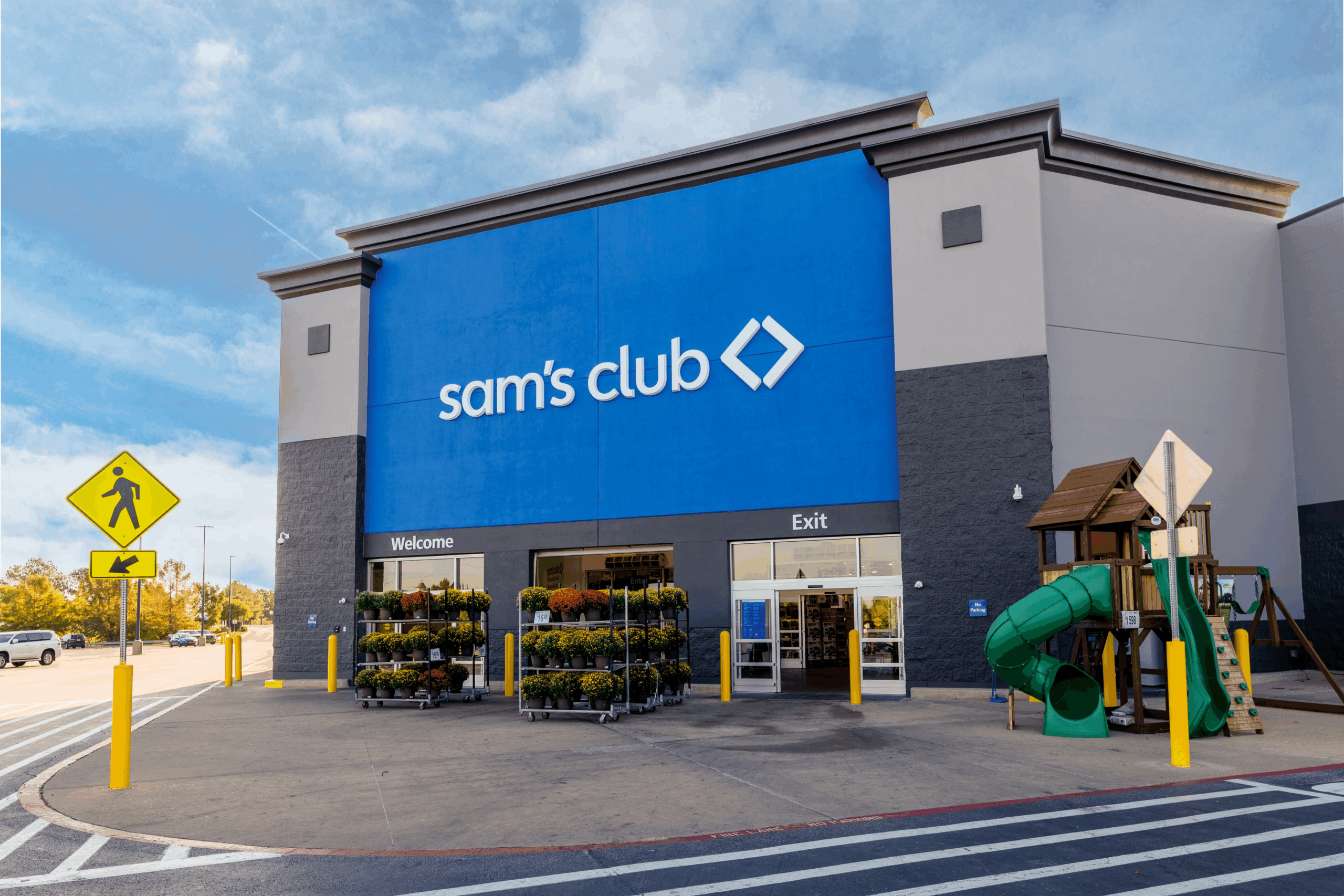
Sam’s Club now has its building permit in hand for a new 168,500sf club warehouse / grocery store on South Mooney Blvd. The project construction cost is about $33 million including the warehouse and a 8.6 foot tall wall on the perimeter of the property to reduce noise for neighbors.
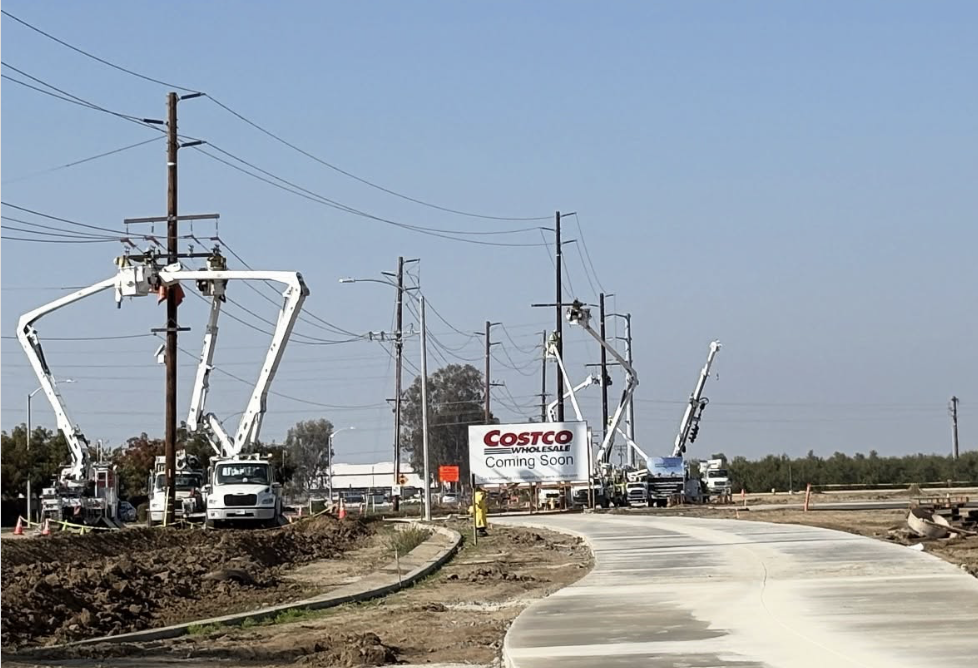
Now comes the race between Sam’s Club and rival Costco to see who is first to open their new warehouses likely by mid 2026 on opposite bookends of the community. Both projects have major gasoline fueling stations attached to their properties and will draw other retailers nearby given their retail popularity.
Costco has told the city they hope to open their 32-pump gas station by spring, sooner than the warehouse. That’s as big as they come currently although a 48-pump Costco station is in the works in Surprise Arizona.
Also part of the project at the new Visalia Sam’s Club is a $1 million installation of four solar carpark canopies covering the parking lot next to the store as well as an energy storage system.
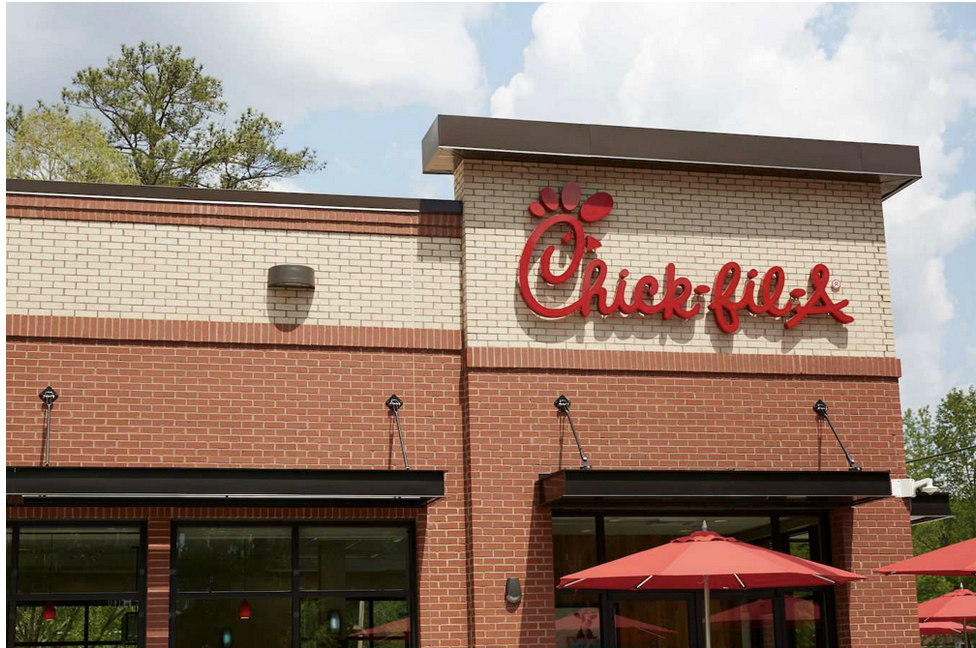
Running in tandem to the Sam’s Club project is next-door fast food giant Chick-fil-A who now has filed for their building permit for a new 5000 square-foot double drive-through on the southwest corner of Mooney and Visalia Parkway in the same center. The company is proposing to spend $1.9 million to build the popular eatery. The restaurant is expected to open at 5:30 in the morning six days a week. Famously, the privately-held restaurant will be closed on Sunday. This project involves a site plan review by city staff just this week- November 5 to go over the project.
Visalia could see a new 18,000sf pistachio warehouse with processing equipment going in being heard at the November 5 site plan review project with the city. It would be the first nut processing plant in town and is being proposed by Rosa Moreno and the company Murullo,LLC.The proposal warehouse would be located in the industrial park at 7427 S. Sunnyside.
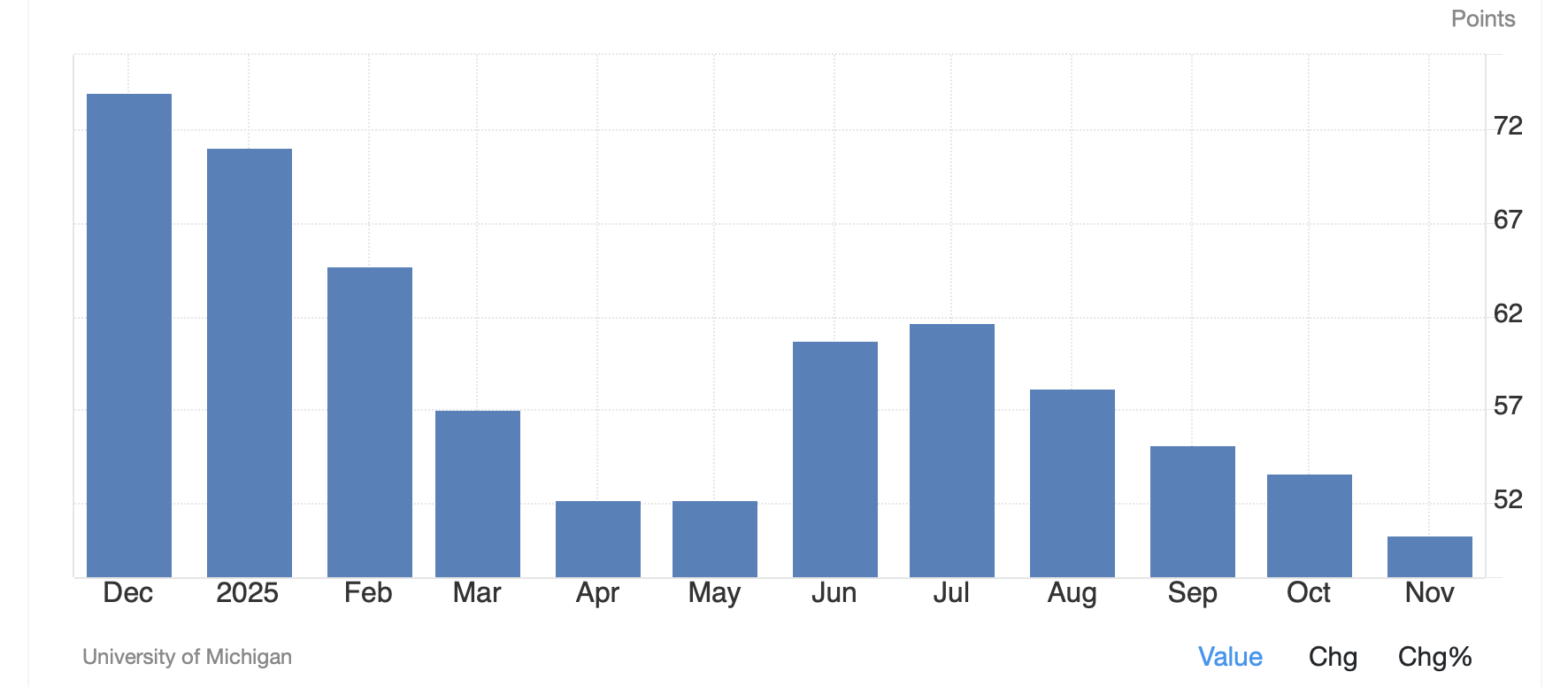
The University of Michigan’s consumer sentiment index fell to 50.3 in November, down from 53.6 in October and below expectations of 53.2, a preliminary estimate showed. The reading marked the second-lowest on record, just above the June 2022 low, as Americans grew increasingly concerned about the potential economic fallout from the longest US government shutdown in history. The Current Economic Conditions Index fell to an all-time low of 52.3, driven by a 17% drop in assessments of current personal finances, while the Consumer Expectations Index slipped to a six-month low of 49.0, reflecting an 11% decline in year-ahead business expectations. Sentiment weakened broadly across age, income, and political groups, with one exception: households in the top third of stock ownership reported an 11% rise in confidence, supported by stock market strength. Inflation expectations were mixed: year-ahead inflation inched up to 4.7% from 4.6%, while long-term expectations eased to 3.6% from 3.9%. source: University of Michigan
Highly successful Kelly Slater’s Surf Ranch outside Lemoore now plans to add 40 acres to the project site on Jackson Avenue according to an application filed with the county this week.The expansion promises to bring more visitors to the area at the popular inland surfing center. \ more than 100 miles from any coastal beach. The application says the company intends the installation of a parking area and security gate on the additional parcels, and up to 46,100 sq. ft. of new structures on the additional parcels. The new structures include a security room (100 sq. ft.), a proposed bridge over a man-made canal, maintenance and storage buildings (approximately 8,000 sq. ft.), and overnight accommodations with restrooms (approximately 30,000 sq. ft.). It is estimated that the project would be staffed by 100 people, including operations and maintenance, guest services, water safety, and security personnel. Guest attendance is proposed to increase to up to 100 guests per day. The project also clarifies that the previously approved commercial kitchen will be housed in the existing Surf Operations House and that the existing Airstreams will be relocated to the north side of the existing ski pond. The Kings County Planning Commission will hold a public hearing to consider the environmental document for the proposed project that is listed above. The public hearing will be tentatively held on Monday, December 15, 2025, at 7:00 P.M., in the Kings County Board Chambers.
Owners of the Leprino East cheese plant have officially filed the state required WARN notice in recent days stating as of January 9 the Colorado firm will lay off 269 long time workers. No news about the disposition of the company’s older mozzarella plant here that is a fixture in Downtown Lemoore.In other locations where Leprino is closing plants they have found buyers to reuse two vacated facilities
Owners of the Valley grown Quesadilla Gorilla! restaurant chain report on social media that they will close their Hanford location on 12/20,after 5 years and their Tulare location will be closing sooner than planned on 11/9. “While our locations in Hanford and Tulare will be closing, this isn’t the end of our story. We’ll continue to serve our guests in Downtown Visalia, the Tower District in Fresno, and San Luis Obispo, and we’re excited to be opening in Clovis off Willow and Shepherd at the beginning of next year.” say Miguel & Mikayla Reyes.
Tule River Indian Tribe of California reclaims over 17,000 acres and reintroduces tule elk on ancestral land. Governor Gavin Newsom recently announced the return of 17,030 acres of ancestral land to the Tule River Indian Tribe- the largest ancestral land return in the Sierra Nevada foothills and Central Valley region.In a late october ceremony pairs of Tule Elk once abundant in the area were set loose in this foothill region.
As of November 22, Hanford ‘s Winter Wonderland opens through January 11, 2025
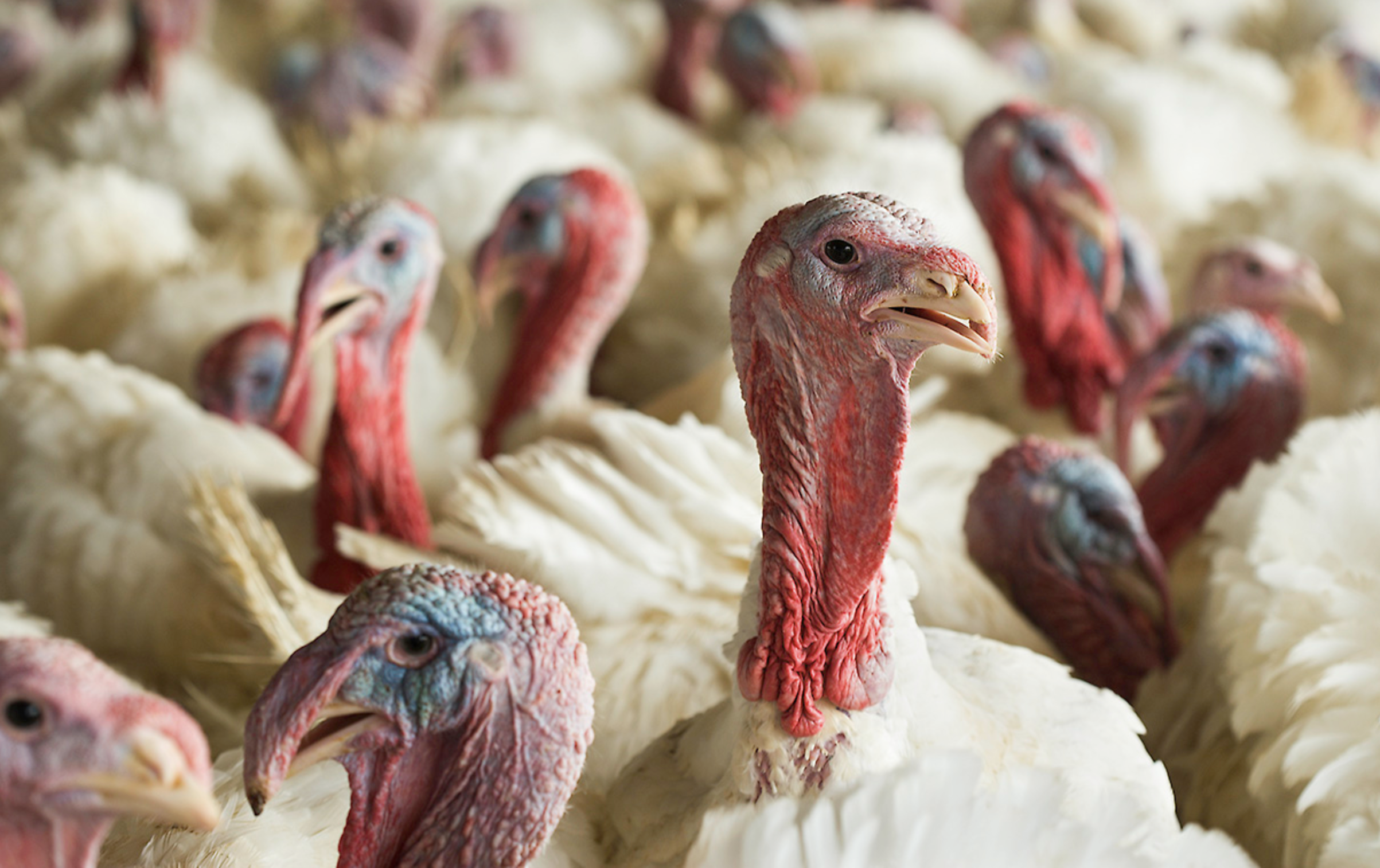
Good luck finding a California turkey this year. Poultry Federation president Bill Mattos tells the Farm Bureau that in the past year California lost top producer Foster Farms who left the turkey business and Sanger-based Pitman Farms moving most of their turkey operations to Utah after avian influenza devastated the state poultry industry last year.
The state’s turkey flock dropped from 6 million birds to just 2 million, says Mattos. California once housed 33 million turkeys.
And bird flu is on the march again this year, notes Mattos. Just this month two California poultry flocks have been hit in recent days in Sonoma County.Also California Department of Fish and Wildlife have confirmed two cases of avian flu in infected Canada geese at Cameron Park Lake in El Dorado County This is time of year for the annual bird migration.
As for California turkeys this year Mattos suggests consumers can probably find a specialty turkey particularly organic in your supermarket, but most consumers will be buying an out of state bird this year.
If you aren’t eating turkey you’re having to dig deeper to afford ground beef. Dollar sales of retail ground beef grew by double digits in August up 13% year over year to $1.7 billion according to consumer tracking firm Circana. Consumers might complain, but dairy folk aren’t since beef sales are an important contributor to their incomes.
California home sales are up for a change. After five consecutive months of year-over-year declines, September home sales activity climbed 5 percent from the 264,240 homes sold in August and rose 6.6 percent from a year ago, when 260,340 homes were sold, says the California Association of Realtors. September marked the 36th straight month in which the seasonally adjusted sales rate remained below the 300,000 benchmark.
At the county level, 40 of the 53 counties tracked by C.A.R. recorded year-over-year sales gains in September, with more than half (25) of those counties achieving double-digit growth. Kings County (46.3 percent) led the way with the highest sales growth from the last year, followed by Calaveras (42 percent) and Santa Cruz (37.9 percent). Tulare County reported a 23% increase in sales.
LAX passenger traffic was down 6.4% in September as both domestic and international arrivals declined.Air cargo also fell by 6% and is down 9% year to date.
Los Angeles port activity was down in September with both Long Beach and the Port of LA reporting declines in cargo volume compared to the same months last year.
“As we’ve reported for the last few months, imports continued to outweigh American exports by a four-to-one ratio. This data reflects the real impact that ongoing trade negotiations are having on our agriculture sector,” Port of Los Angeles Executive Director Gene Seroka said.
“As trade policy unfolds, we can only predict more unpredictability,” Seroka said in a statement. “When sweeping changes were first announced, importers abruptly stopped their orders from China. When those policies were softened and deadlines extended, cargo volume picked up again. The supply chain has been on a roller coaster all year and that ride continues he says.
Softening consumer demand and rising prices driven by shifting trade policies led to a decline in cargo containers moved through the Port of Long Beach in September.
Dockworkers and terminal operators moved 797,537 twenty-foot equivalent units (TEUs) of cargo containers last month, down 3.9% from September 2024. Imports decreased 6.9% to 388,084 TEUs and exports declined 3.6% to 85,081 TEUs. Empty containers moving through the Port inched up by 161 containers to 324,372 TEUs.
“Tariffs are impacting how consumers and business owners make financial decisions and purchases,” said Port of Long Beach CEO Mario Cordero.
Tulare Lake farmers lose round in court over groundwater pumping: Courthouse news reports that the State Water Resources Control Board can regulate groundwater usage by farmers in Kings County, after the state’s appellate court threw out a preliminary injunction and overruled a demurrer.
The pair of rulings means that farmers in the county will have to start metering and reporting how much water they draw from the ground, and pay the state fees of $300 per well and $20 per acre-foot of water used.
A spokesperson for the State Water Resources Control Board applauded the ruling, saying in a written statement that it would “allow the board to resume the important work of achieving sustainable groundwater management in the Tulare Lake subbasin while trial court proceedings continue.”
Dusty Ference, the executive director of the Kings County Farm Bureau, a nonprofit advocacy group representing farmers in the area that sued the state agency, said the group remains optimistic.
“The appellate court left standing our central arguments, including that the state overstepped its Sustainable Groundwater Management Act authority and imposed requirements without following proper process,” Ference said in a statement. “We look forward to having those claims fully heard in the trial court.”
The Farm Bureau did notch one important consolation win. The State Board had asked the court, if the injunction was thrown out, to order the Farm Bureau to pay $7 million in lost fees. The judge rejected that argument, writing that the State Board did not need those funds to proceed with its groundwater program.
Fresno County edged both Tulare and Kern Counties in 2024 for top spot in ag production value. Fresno crops’ value reached $9 billion in 2024 – a record number. That’s up 5.7% from 2023. Meanwhile dairymen saw high milk valuation last year helping boost Tulare’s total value in the number one milk producer nationwide.Tulare milk’s value makes up more than a quarter of the the total value of all ag production in that county.
Kings County had mostly good year High milk prices on average of $21.60 per hundredweight last year also helped Kings County boost its total crop value 13.4% reported ag commissioner Jimmy Hook October 21.Valuation hit $2.44 billion in 2024.
High milk prices coming in on average of $21.60 per hundredweight last year also helped Kings County boost its total crop value 13.4% reported ag commissioner Jimmy Hook October 21.Valuation hit $2.44 billion in 2024
But it wasn’t just milk that boosted values in Kings as the county rebounded from the 2023 widespread flooding. Livestock and poultry increased 27% as the price of beef was up. Processing tomatoes also contributed to the increase. Not every crop increased as alfalfa hay production and value per unit declined over 2023. Pima cotton acreage increased to 71,000 acres in 2024 versus flood ravaged 2023’s total of just 27,000 acres. The crop came in at $134 million about double the number in 2023. Returns were not as bountiful in the vineyards as the valuation of grapes dropped from $58 million in 2023 to $48 million. Hard hit Kings walnut growers saw better returns on fewer acres in 2024 as the value per ton doubled over 2023.
Poultry numbers drop two thirds The impact of bird flu can be seen in the inventory of poultry in the county that fell from 2.6 million head in December 2023 to just 820,000 in December 2024 – down two thirds. The top commodities in Kings County were milk, followed by pistachios, cattle and calves, processed tomatoes, and cotton in that order. Kings County milk valuation followed commodity markets with the 2024 average of$21.6 per cwt compared to $19.30 in 2023 , a record $26.30 per cwt in 2022, $19.10 in 2021 and $18.60 in 2020. So far in 2025 while we don’t have an average yet it appears they will be well below 2024. Class IV milk dropped from over $21 per cwt in January 2024 to $13.90 on the futures market for this December.Class IV is over 60% of pooled milk sold. The 2025 average is likely to be in the $17 to $18 per cwt range that will shrink crop valuation totals in big milk producing counties like Tulare and Kings. By the way, a big plus for dairy operators is the drop in feed prices in the past few years. From July 2023 to July 2025 corn is down 31%, soybeans down 30% and alfalfa down 15%. Kern county was the 2023 leader of the pack but crop value dropped 8% from 23′ to 2024 in part due the downturn in grapes and wine grape valuation.The decline in value of wine grapes produced in the county was dramatic falling from $132 million in 2023 to just $27 million in 2024.
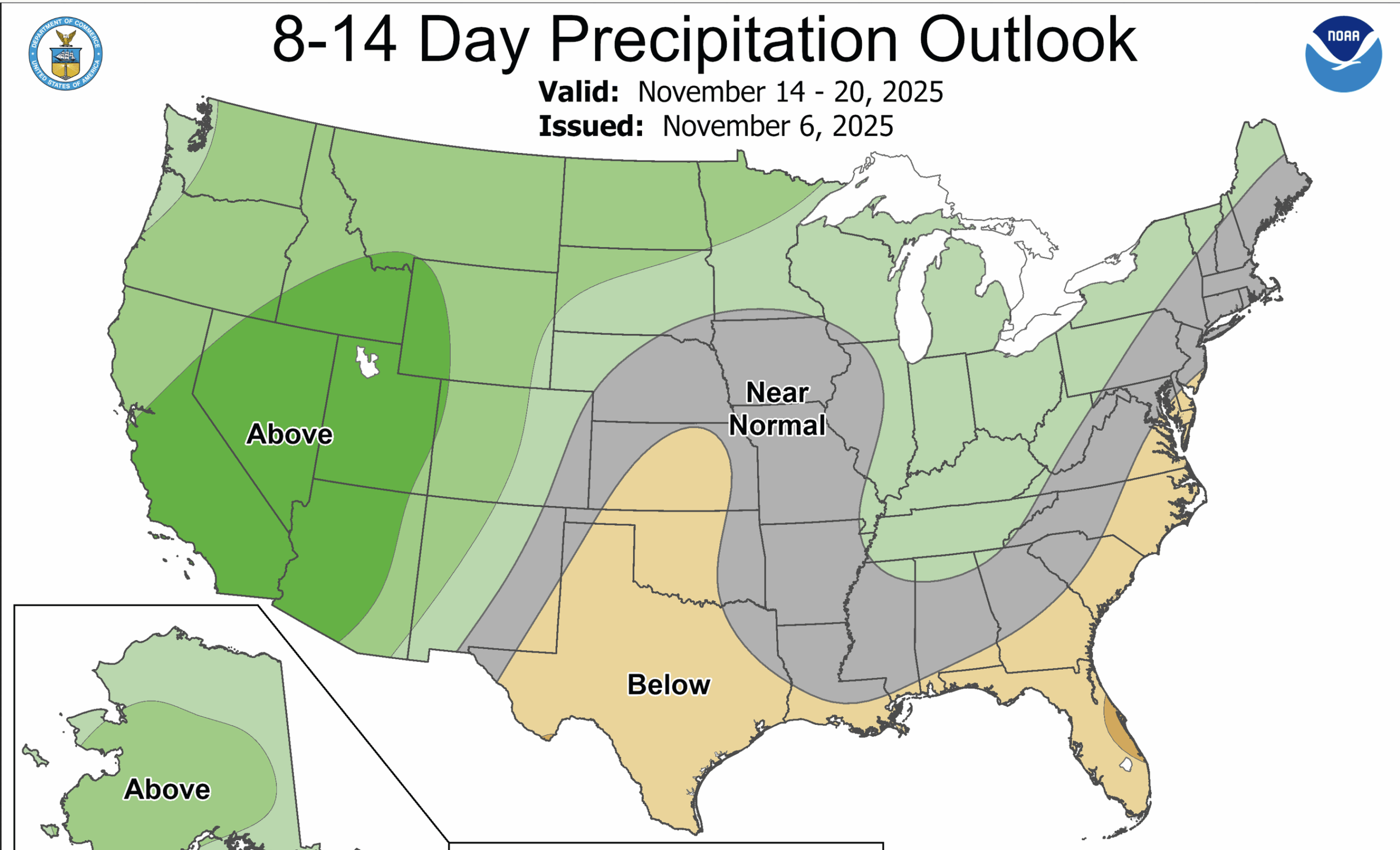
Multiple weather systems appear to be coming into California from the Pacific Northwest starting 11/14, 11/17, 11/21 and 11/22- all before Thanksgiving.If it happens it will be one more reason to give thanks. Caution that these forecasts are still a week off and longer and could change, but models are promising early in the rainy season. Tahoe ski forecaster Bryan Allegretto says” By the 13th through mid-month, and into the 3rd week of November, we could have a colder and stormier pattern for the West Coast.” Time to wax up these skis!
One precip forecast says nearly 9 in of precip could fall in the Central Sierra between Yosemite and Tahoe before Thanksgiving .