
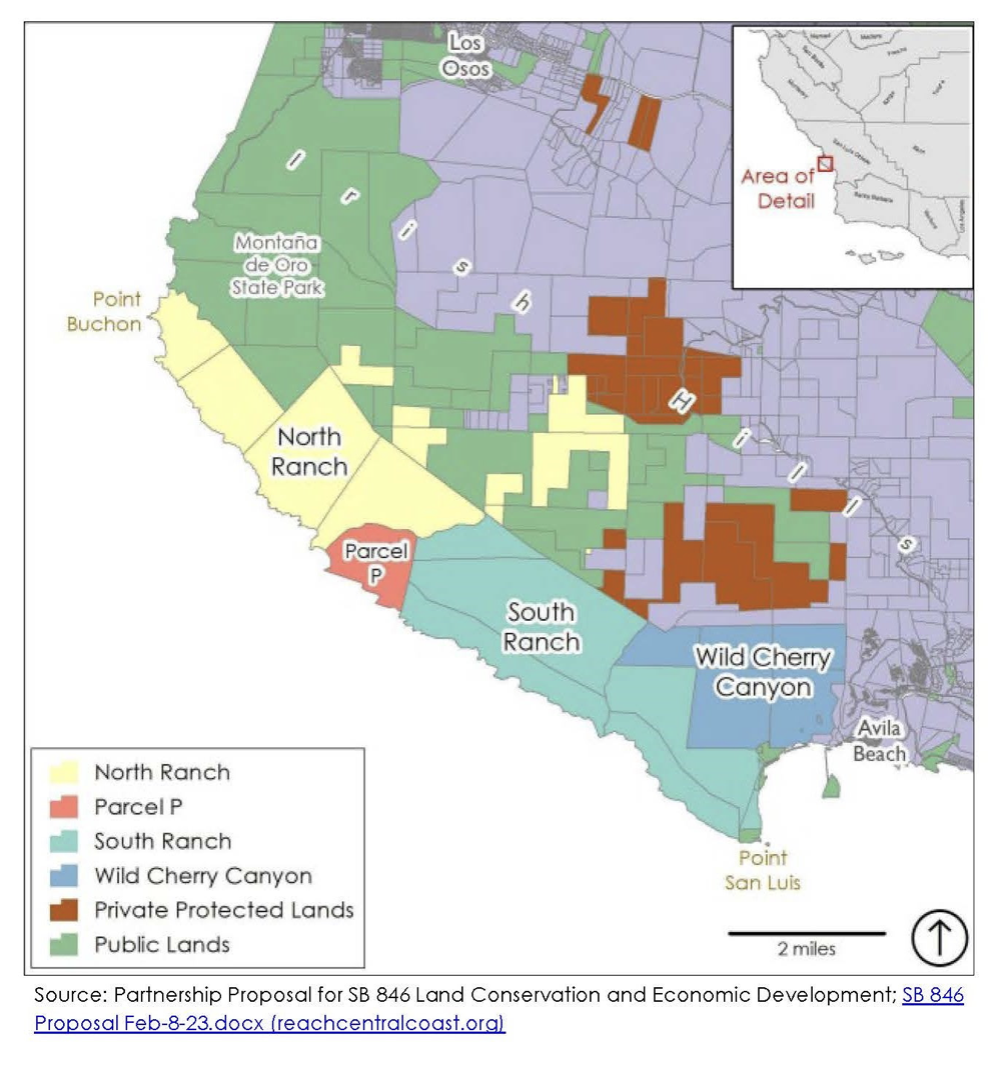
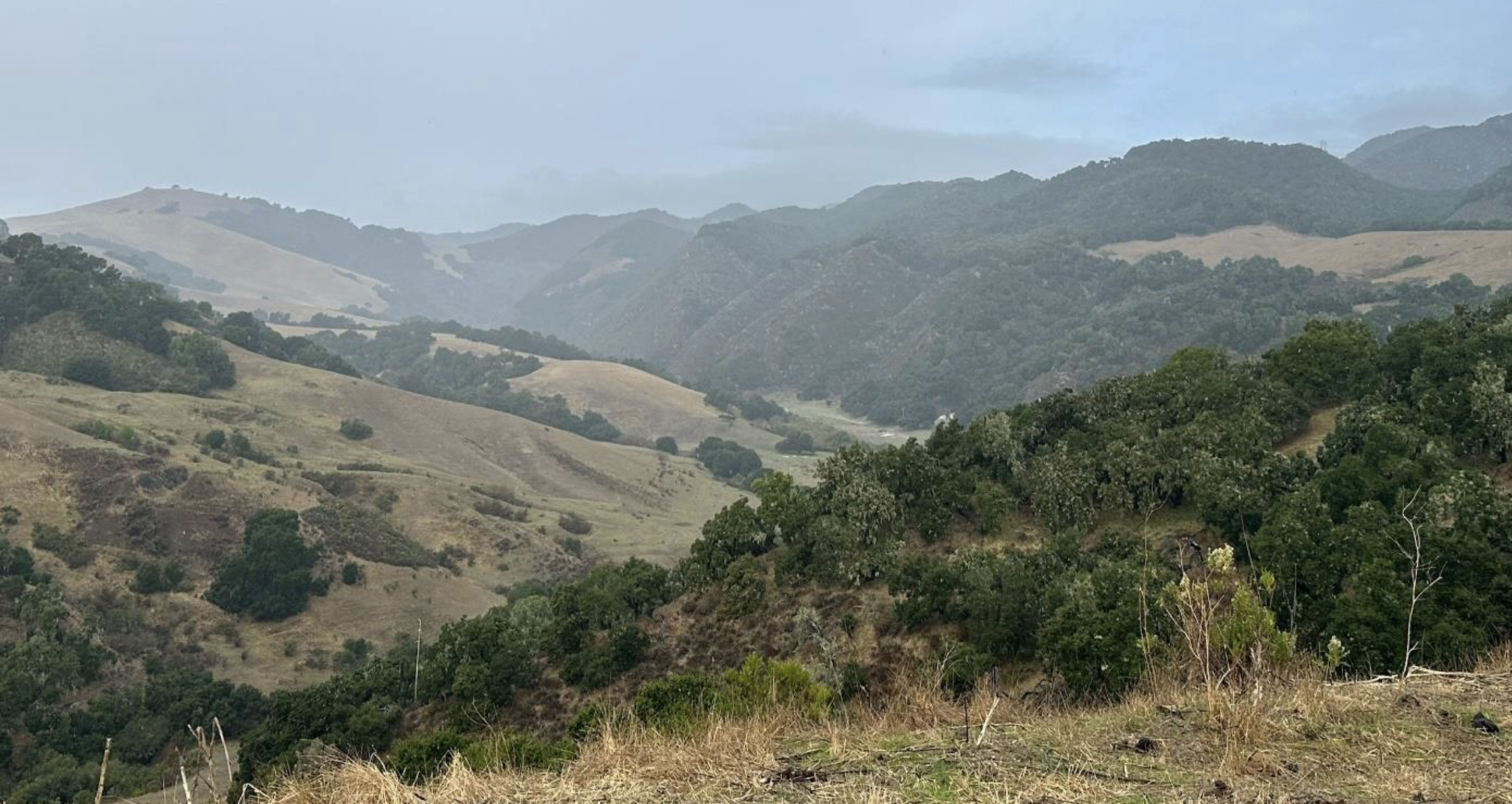
The public agency California State Coastal Conservancy is proposing to give $40 million to the nonprofit organization Wildlands Conservancy who manage some 25 nature preserves around the state. The money will be used to permanently preserve the 2400-acre Wild Cherry Canyon near Avila in San Luis Obispo County. The plan, in limbo for years, looks to remove this part of Diablo Canyon lands from future housing development . The goal is to “protect, restore, and enhance natural and cultural resources; to provide public and California Native American tribal access; to enable potential construction of lower-cost coastal accommodations; and to enable agriculture that is compatible with these uses…”
The next Coastal Conservancy public meeting is September 17 with the matter expected to be on the agenda. A notice was published August 14 saying the sale of the property could happen as soon as 2026 or early 2027.
The Coastal Conservancy is a State agency established in 1976 to protect and improve natural lands and waterways, help people access and enjoy the outdoors, and sustain local economies along the length of California’s coast and around San Francisco Bay.
The notice says that ” For the past 20 years Conservancy staff and its local partners have been attempting to acquire this spectacular piece of the California coast and to protect it from the ongoing efforts to develop the property for private use. Today, the Conservancy has the opportunity to contribute to acquiring the property and to finally deliver to the local community and local tribes their long-sought protection and access to this special place. Funding for this specific project was allocated to the Conservancy in the state’s 2023-2024 budget.
The property is owned by Eureka Energy, a subsidiary of Pacific Gas and Electric Company (collectively referred to as PG&E). PG&E acquired the underlying fee title to the property, subject to a pre-existing lease. The lease, which is held by a private party, allows all uses that are consistent with the property’s zoning including residential use, and can be extended to the year 2166. Because of these exceptionally broad terms, the leasehold interest represents nearly all of the property’s current economic value.
Last fall a Court of Appeal ruled that the real estate development company HomeFed Corp. owns the rights to a 99-year lease on the Wild Cherry Canyon property potentially allowing building there along the ocean-view area. Over the years the company only grazed cattle on the site but has proposed a sprawling development on the site.
A recent appraisal of the property, made republic Aug 11,2026, required the $40 million acquisition price that the Conservancy will pay – the same dollar amount that has been alloted by the state budget process. By law, the state has to pay fair market value.
The appraisal, done this year, says the property”is presently under contract to the Wildlands Conservancy and dated June 1, 2026.The purchase price is $40,000,000, assuming that the appraised value is $40,000,000 or more.
The seller is not required to consummate the sale if the appraised value is less. The seller may treat any appraised value over $40,000,000 as a charitable donation.”
Trophy Ranch
The appraisal concludes “the $40,000,000 is best reflective of the market given the lack of
competing trophy ranch properties, very long-term lease and property tax savings.”
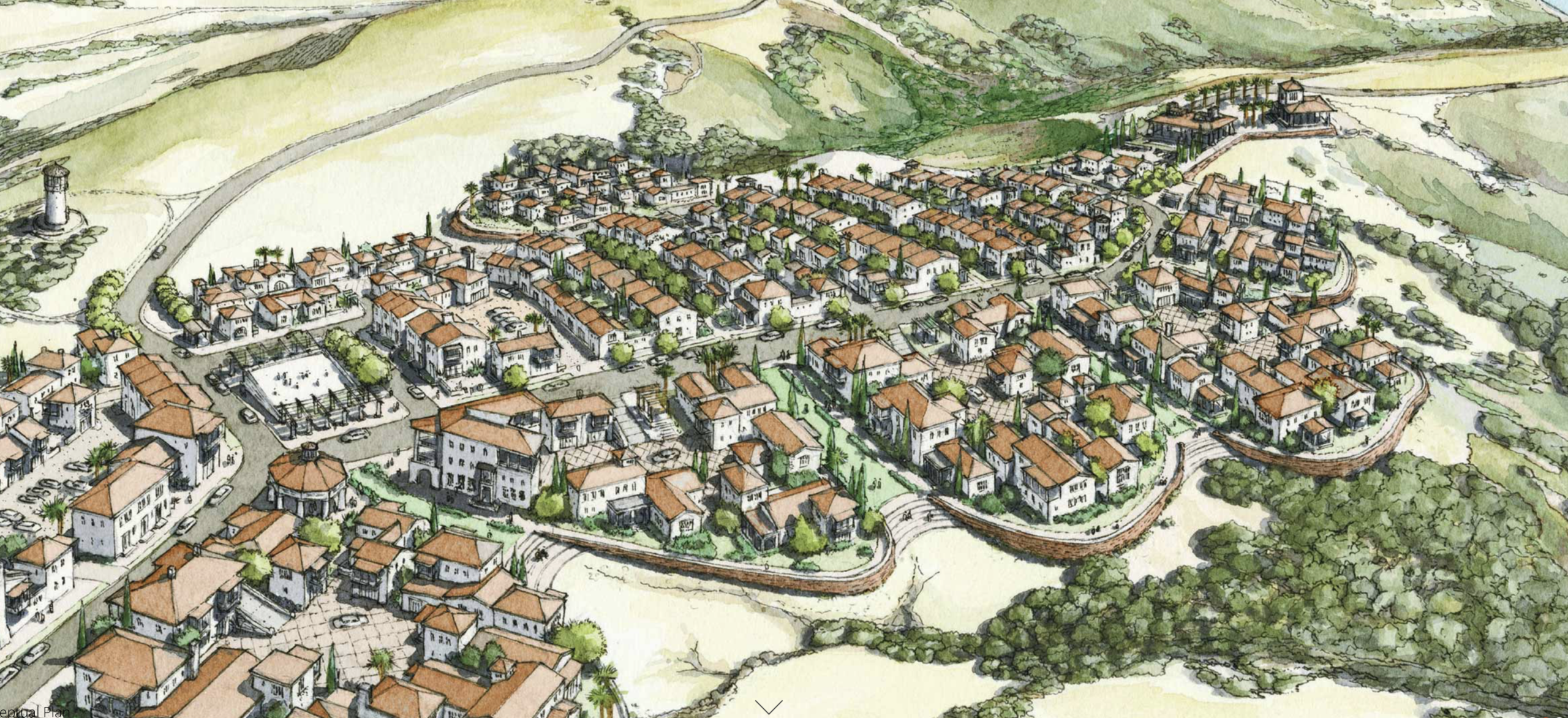
HomeFed plan of what could have been
The Coastal Conservancy says the acquisition of the property will occur in two transactions. First, Wildlands Conservancy(TWC) will purchase the leasehold interest by the end of 2026 or early 2027. Subsequently, by the end of 2027 TWC will purchase the fee title. PG&E will retain the fee title to approximately 200 acres needed for road access to the Diablo Canyon Nuclear Power Plant as well as approximately 50 acres previously developed with a home. PG&E’s retained rights will be subject to deed restrictions limiting PG&E’s use of these areas to ensure no future uses impair the conservation and protection of the surrounding lands owned by TWC. In addition, Conservancy staff will work with TWC, the local community, and local California Native American tribes to develop one or more conservation, public access, and tribal access easements or other instruments to further protect the community’s vision for the property. Consistent with California Air Resources Board goals, protecting the property for conservation uses will also serve to reduce greenhouse gas emissions. This work is already underway through the Conservancy’s Diablo Canyon Land Conservation Planning Project that began in the fall of 2024 and encompasses the three primary properties that cover the larger 12,000-acre Diablo Canyon Lands project area – Wild Cherry Canyon, North Ranch, and South Ranch.
Wildlands Conservancy shares the Conservancy’s goal to open the property to the public and local California Native American tribes as soon as possible once the necessary planning and facility development has been completed in consultation with the community and tribes.
Connecting to Montana de Oro
The property has been identified by the community as well-suited for public access, including a 5-mile California Coastal Trail segment that will connect to a planned 20-mile route from Avila Beach north to Montaña de Oro State Park. Low-impact camping opportunities will also be explored. Tribes will be invited to develop, review, and approve cultural resource protection and tribal access easements or other instruments that provide tribal access to the property for ceremonial, cultural, or other purposes and protection of cultural resources. In addition, Wildlands Conservancy will create a California Native American Tribal Access and Co-Stewardship Plan that outlines protocols and commitments for tribal access and co-stewardship, such as restoration or enhancement of culturally significant plant species; cultural burning; harvesting native plants for traditional cultural use; development of tribal cultural gathering/ceremonial spaces or ancillary structures necessary to support tribal uses, and interpretive signage or educational programming.”