Inflation & layoffs – it’s not for sissies!

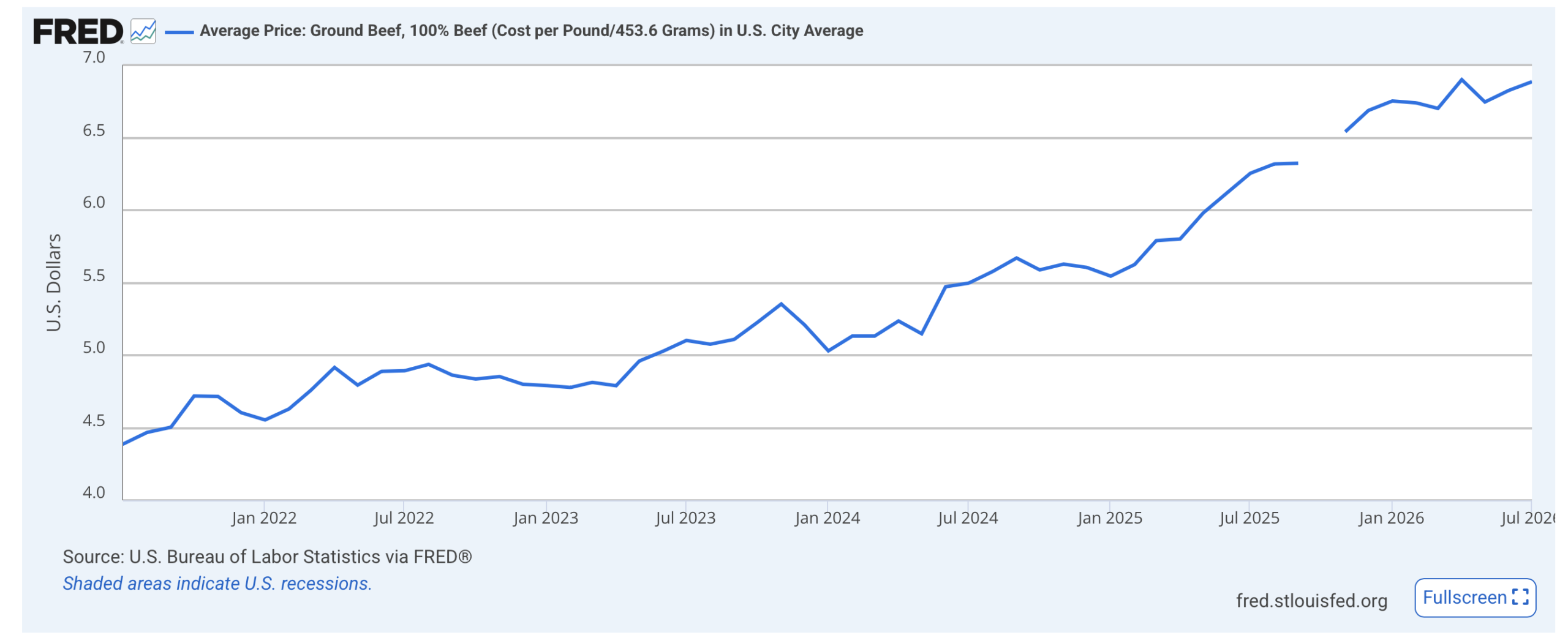
Hamburger rising says St Louis Fed


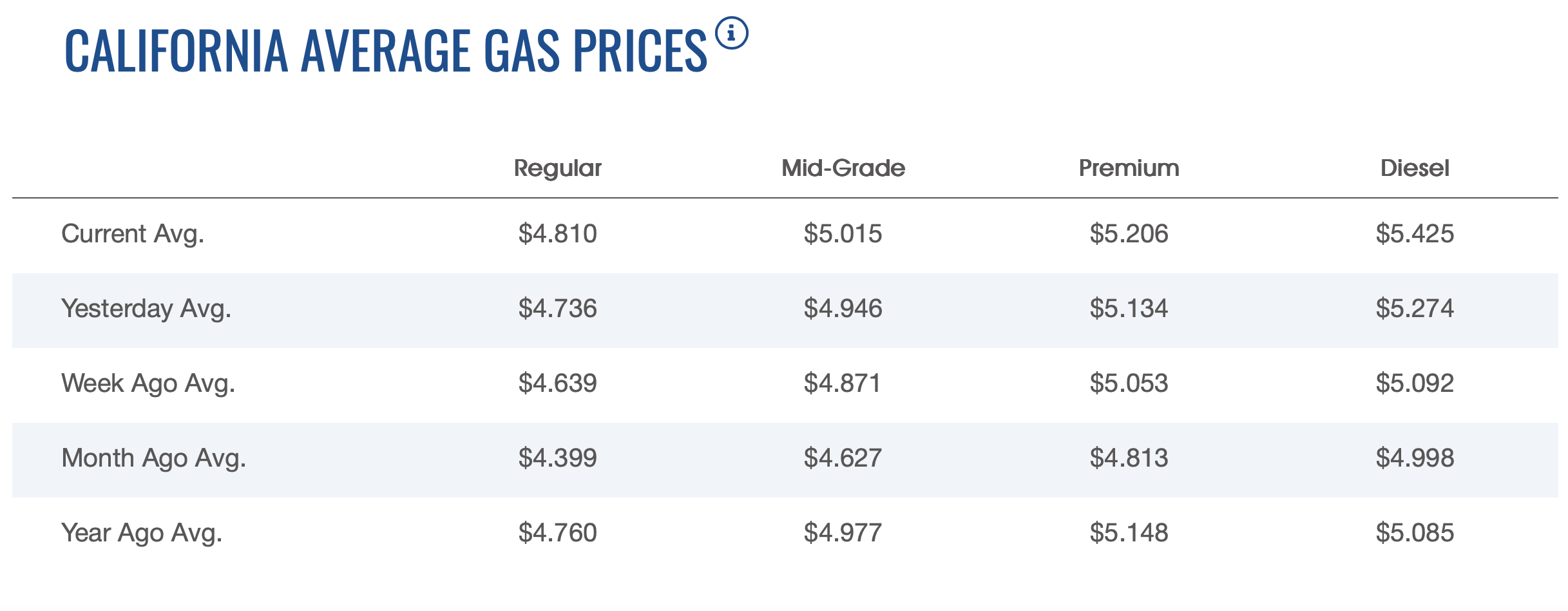
Pop Goes the Diesel! Average US diesel prices hit $5.446/gal, up nearly $1.75/gal from one year ago. Highest prices ever for harvest season and costliest freight surcharges ever on tap for the last 140 days of 2026.-oil analyst Tom Kloza

Beef prices: Tyson Foods is closing beef processing plants in Illinois and Utah while selling its Washington facility to streamline operations and adapt to one of the most severe cattle shortages in U.S. history, consolidating production at three centrally located facilities in Nebraska, Kansas, and Texas.When Tyson Foods on August 3 reported its financial results for the third quarter, it revealed that the company’s beef segment experienced an operating loss of $142 million.
Here is a 5-year St Louis Fed chart of hamburger prices, now near $7/ lb.

Sorry Charlie:Tuna giant Bumble Bee Seafoods is shuttering  their Santa Fe Springs Calif facility (LA) laying off 197 workers as of November 19 according to a state WARN notice. The seafood processing brand previously executed a smaller permanent layoff affecting 56 employees at the same location in December 2025.The business may be impacted by a confluence of factors including limits on fishing,  a consumer shift away from traditional canned products toward innovative flavor pouches or alternative fresh proteins, Also the company has faced ongoing litigation costs over charges of  human trafficking and forced labor.
Higher Mortgage rates: Real estate analysts say that the 30-year mortgage rate climbed upward in July to 6.69%, the highest since July 2025 says Freddie Mac.The prediction  is that it will continue to rise over the next few months. The boost in the rate is expected  to hurt both new home purchases and refinance activity.
The Freddie Mac figures show that the rate has risen from 6.43 per cent at the beginning of July and from 5.98 per cent before the Iran war began in late February. 

Modesto wine cap maker lays off 66 workers: G3 Enterprises announced the layoff of 66 workers at their wine cap factory in Modesto, reflecting decling demand in the wine industry in California
“Like many companies in our industry, we have experienced changes in customer purchasing patterns and production volumes,” Laura Bream, the company’s vice president of human resources, said in a statement. “While these changes have contributed to the need for restructuring, they reflect broader market dynamics affecting the entire wine sector.”

Wheat farmers hurt by higher costs: Kansas farmer Gary Millershaski is blunt in describing the economics of wheat production.“There has not been any profitability,” Millershaski said. “Our profitability is nothing right now.”

Millershaski took over as chairman of U.S. Wheat Associates in June, and will serve a one-year term. He spoke with Capital Press the morning of Aug. 7.Millershaski cites increased input costs as a result of first Russia invading Ukraine, and then conflicts with Iran.
“Our nitrogen went from 60 cents a pound to $1 a pound; our fuel probably went up $1.50 a gallon,” he said. “Any time you mess with either one of those, it’s a domino effect that just explodes.” Machinery parts are also affected.

“We are in a hand-to-mouth society on parts,” Millershaski said. “Freight has just exploded. It used to be, we would get parts on stock order … that’s almost a thing of the past. If you do that, you may not get it for a month. Nobody inventories anything. A cylinder on my sprayer broke, nobody had one, it came out of Canada. It got tied up in Buffalo, N.Y., it sat there for a week. We can’t do that.”
From Capital Press


Renewables News 

Statoil Scottish wind farm


States sue government over TotalEnergies wind for fossil fuels swap deal


A coalition of seven states has brought to court the Trump administration over one of its deals with TotalEnergies (EPA:TTE) that will see the French group exit its offshore wind activities in New York and invest in oil and gas instead.
California has criticized a second similar plan that would pay the company OceanWinds to withdraw from their existing lease off Morro Bay if they invest in fossil fuels instead.


Chinese investor plans new West Coast offshore wind project


Chinese wind turbine maker Ming Yang Smart Energy Group Ltd (SHA:601615) will consider investing in an offshore wind project in the Hecate Strait off British Columbia, Canada, that will add between 1.5 GW and 2 GW of installed capacity.

The Chinese firm will assess opportunities to take part in the project under a non-binding Memorandum of Understanding (MoU) with Oceanic Wind Energy Inc (NKW.H:CVE), the latter said on Thursday. The scheme related to the pact is a 50/50 partnership between Oceanic Wind Energy and Indigenous-owned company Coast Tsimshian Enterprises (CTE).

In new attack on solar, lawmakers spread myths about potato farms

Is Frito-Lay categorically refusing to buy potatoes grown on farmland that has hosted solar installations? No, the company says.

That hasn’t stopped lawmakers in Michigan and Pennsylvania from spreading the false claim about one of the biggest purchasers of potatoes in the country.

In January, Michigan Republican state Rep. Cam Cavitt posted a 51-second clip to Facebook labeled “Solar Farm SECRET.” In the segment, he claimed that farmers in his district couldn’t grow potatoes on land where solar developments were sited.

“Frito [Frito-Lay] did the same with the potato growers up by us,” fellow Michigan Republican Rep. Dave Prestin told Cavitt in the clip. “Any field that had solar panels installed on it will never be allowed to grow potatoes for human consumption due to the leaching.”

More than 1 million people viewed that video. Pennsylvania Republican Sen. Cris Dush shared it and said he wanted “cash bond guaranteeing restoration” of the soil after a solar development was removed. “When Frito Lay refuses to accept potatoes from farms that had solar arrays we should all sit up and take notice!” he wrote.

PepsiCo, which owns Frito-Lay, told Canary Media that the company “has not issued blanket guidance to growers that fields with solar installations will not be accepted.”

Nor is there any published evidence that solar farms have a negative impact on potato farming, according to experts consulted for this story. On the contrary, there is agrivoltaics research showing that potatoes — and many other crops — can benefit from growing alongside shade-making solar panels.
Canary Media

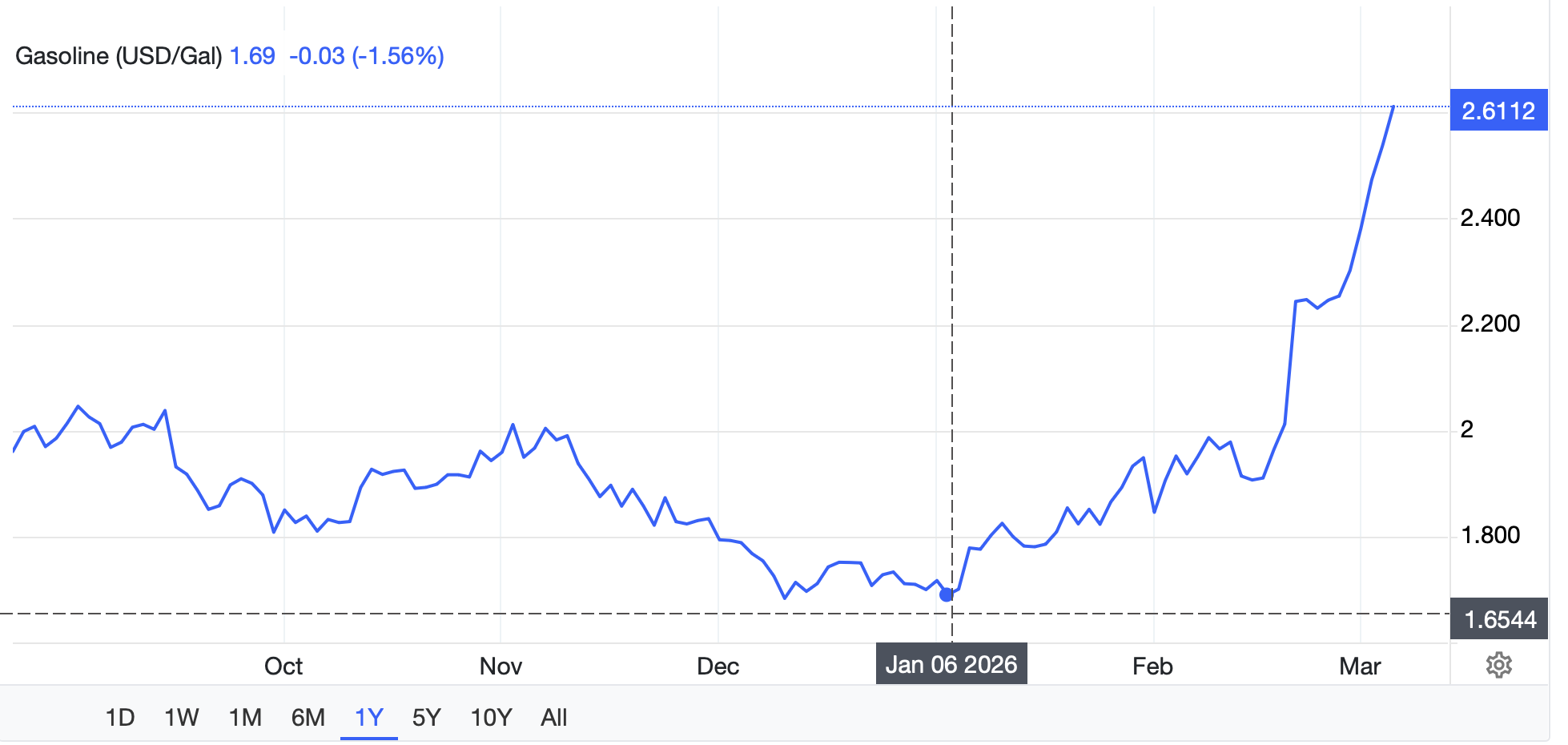
US wholesale gasoline prices have risen one dollar since January

Since January 2026 wholesale gasoline prices have risen just under a dollar as of March 5, an increase of more than 40%. Of course the biggest spike has come in the past week with the war in Iran prompting a steep run up.


The price increases are hitting both jet fuel and diesel prices with jet fuel reaching $4/gallon today.
California gas prices as well as diesel are up about 40 cents from a month ago says AAA.

Statewide snowpack at 66% of average but Southern Sierra is 90% 

DWR today conducted the third Phillips Station snow survey of the season. The manual survey recorded 28 inches of snow depth and a snow water equivalent of 11 inches, which is 47 percent average for this date. Statewide, the snowpack is 66 percent of average for this date.

The Department of Water Resources (DWR) today conducted the third snow survey of the season at Phillips Station. The manual survey recorded 28 inches of snow depth and a snow water equivalent of 11 inches, which is 47 percent of average for this location. 

The Department of Water Resources (DWR) on Feb 27 conducted the third snow survey of the season at Phillips Station. The manual survey recorded 28 inches of snow depth and a snow water equivalent of 11 inches, which is 47 percent of average for this location. Statewide, the snowpack is 66 percent of average for this date.

Today’s snow survey results show an increase from last month’s measurements following a series of cold, major snow-producing storms that ended a five-week dry period. Unfortunately, the recent storms were not enough to get the state back to average conditions for this time of year. Warmer storms early this week also caused snow melt at lower elevations.

“Although the storms we saw in mid-February were some of the coldest and best snow-producing storms we have seen since 2023, they were not enough to get us back to average conditions,” said Andy Reising, Manager of DWR’s Snow Survey and Water Supply Forecasting Unit. “The snowpack is in better shape than it was one month ago, but we only have a month left of our snow-accumulation season and time is rapidly running out to catch up. Statewide, we are only about 57 percent of where we hope to be by April 1.”

Storms this season have also been unevenly distributed across the Sierra Nevada. While the Southern Sierra Nevada is 90 percent average for today’s date, the Northern Sierra Nevada, where several of the largest major water supply reservoirs are located, is only 46 percent normal for this date.

Tulare Basin is enjoying 111% of average precipitation. Pine Flat reservoir on the Kings River is 128% of average with nearly 600,000 acre feet stored March 1.

“Water supply in California increasingly depends on a small number of big storms,” said DWR Director Karla Nemeth. “We face higher drought risk when they don’t arrive and greater urgency to modernize infrastructure to capture water when they do. The dramatic wet-dry swings this winter remind us again that ever-warmer average temperatures have reshaped the California water cycle. We must adapt.”

Reservoirs at 122%

While the snowpack remains below average, major reservoirs statewide are currently 122 percent of average. State water managers, including the State Water Project, continue to focus on efforts to capture and store as much water as possible. The monthly snow surveys play a critical role in how the State Water Project allocates water each year. 

High-Speed Rail completes Kings structure

The California High-Speed Rail Authority announced late last year  the completion of two more structures within the 119-miles of construction underway in the Central Valley. On October 30 the Authority announced the completion of the Avenue 17 Grade Separation project in Madera County. The next day, the Authority announced the completion of the Hanford Armona Road grade separation in Kings County. The completion of these two projects brings the total number of completed structures to nearly 60.

The Hanford Armona Road grade separation is located east of the city of Hanford between State Route 43 and 7th Avenue. The structure spans 209 feet, 80 feet wide, and will take east and westbound vehicular traffic over the future high-speed rail tracks. It is also located less than a mile south of the Hanford Viaduct, high-speed rail’s largest active construction project.


Forecast  calls for more cold & wet storms for Sierra


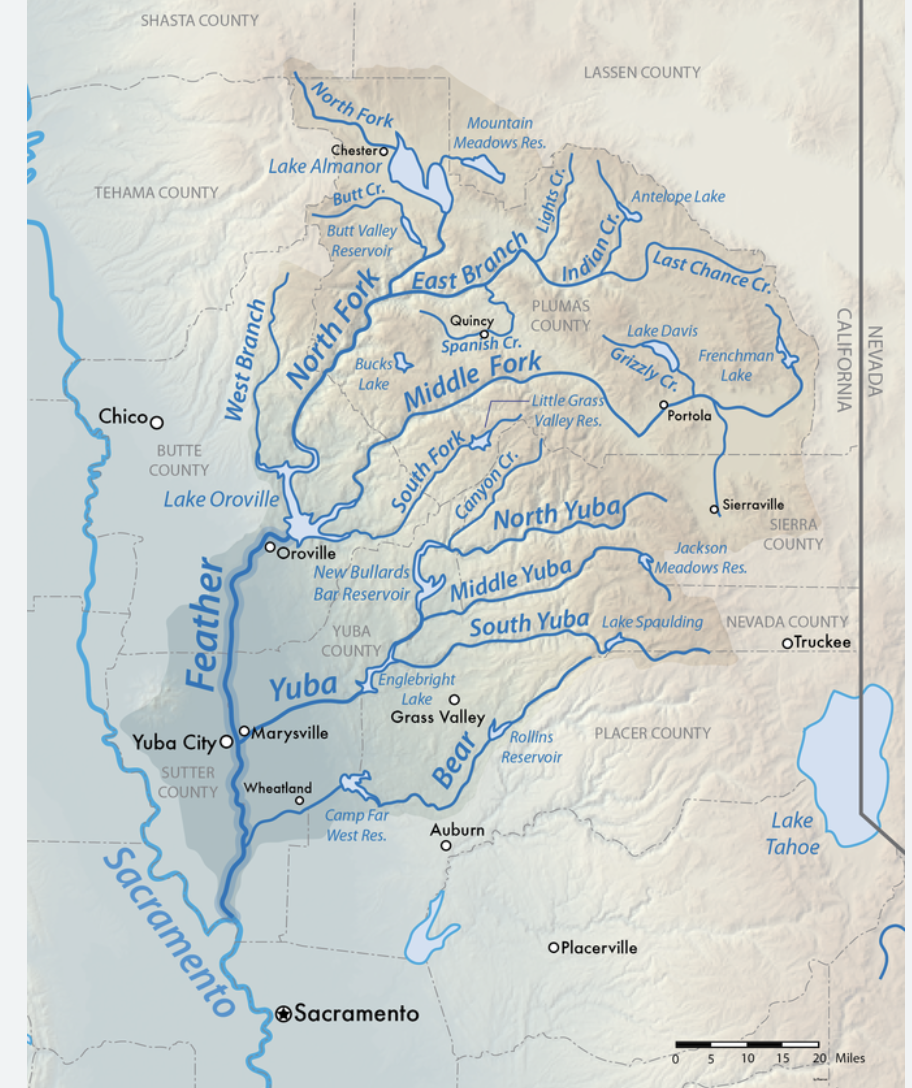
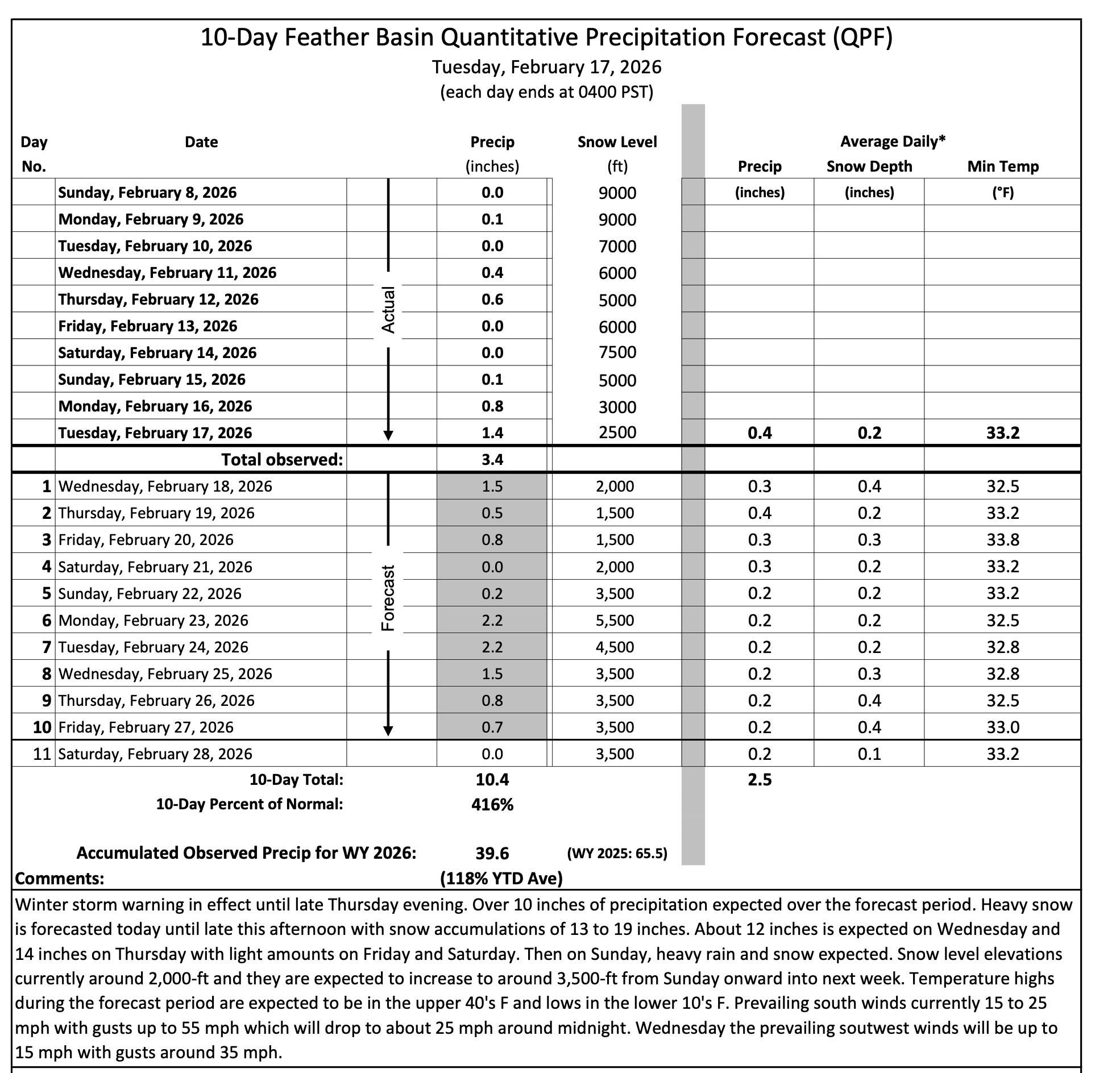
The closely watched 10-day forecast for the Feather River watershed around Oroville anticipates more than 10 inches of precipitation and heavy snow accumulation. Rainfall is expected to be 416% of average for the period. Already the water year stands at 118% of average despite a month-long drought in January storms. Cold weather is expected during the coming period with snow levels predicted at 3500ft. Forecast is from the California Department of Water Resources.

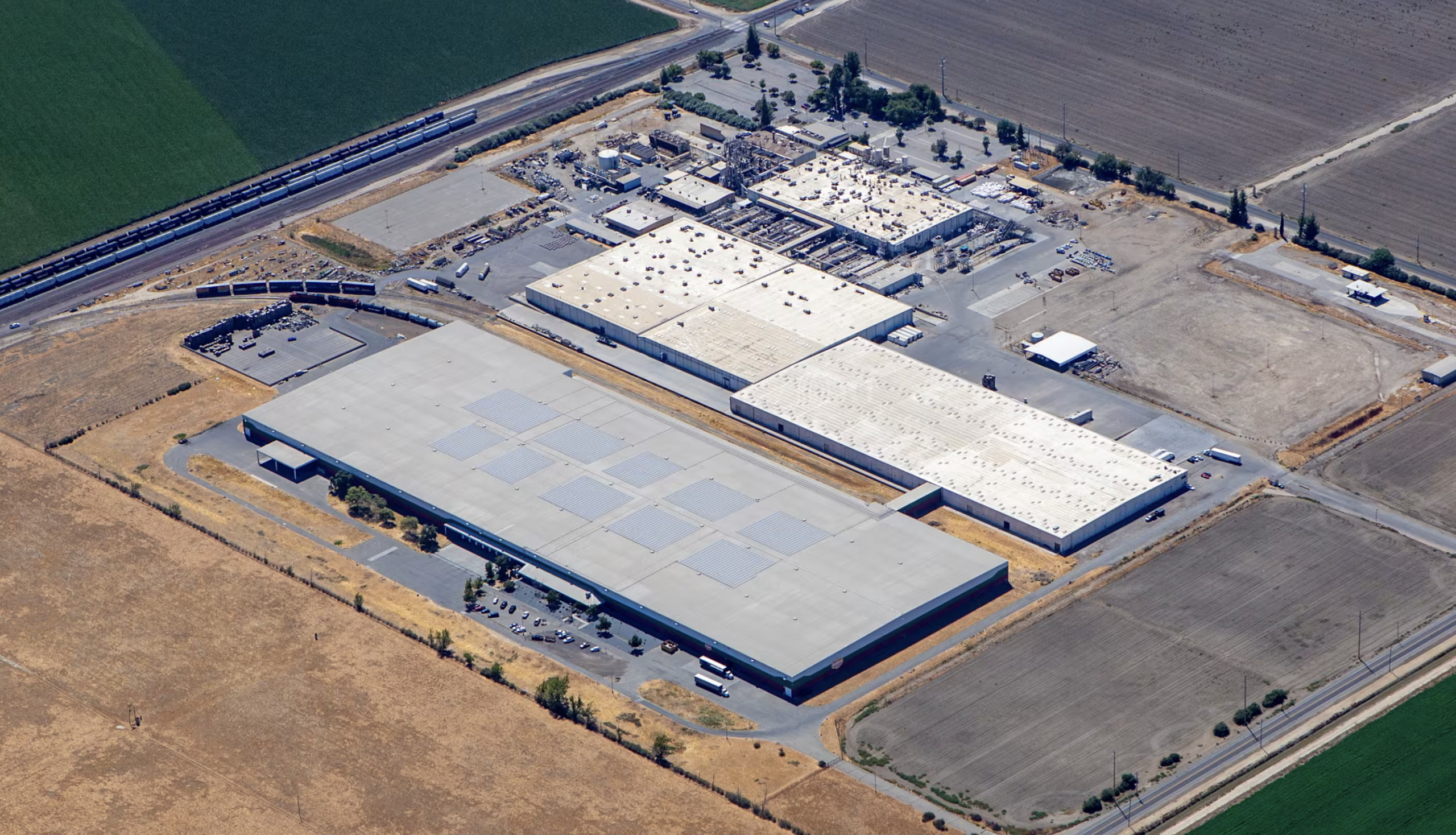
Kings County: Former Del Monte property for sale /Faraday Future stock drops

Former Del Monte property on market for $70 mil

Looking to the future of the 1.3 million square-foot Del Monte processing plant that closed last year in Hanford, the owner says as a result of a December auction, all major processing ag equipment has been sold off and the property is on the market for around $70 million.

“It’s an attractive package” says Morningstar Farms CEO Chris Rufer who says they have no plans to reuse the facility to process tomatoes. Instead he will sell off the multiple building package with 650 acres of open land and 25 car rail spur at Jackson and South 11 Ave near Hanford. Del Monte has been exiting the food processing business in California and just recently decided to close its cling peach cannery, laying off 600.The move left growers with no home for their crop.

Rufer says the logical use for the vacant Hanford buildings is for a logistics use as a distribution center. Rufer says the tomato business has consolidated as contracts have led to reduced acreage.

Faraday Future stock falls below $1 NASDAQ-required level

Investors may not be impressed despite Faraday Futures’ splashy launch of robot sales announced at the recent NADA auto show in Las Vegas earlier this month. The company may be first out of the gate to begin selling humanoid type robots at the end of this month. But the company’s stock has slid below a key threshold of under a dollar per share for the first time since April 2025. It was 77 cents today and fell below $1 as of Feb 3 when the Las Vegas event was underway. The company could lose its listing on the NASDAQ exchange if the low value persists.If the closing share price remains below $1 for more than 30 consecutive trading days, a deficiency notice is automatically triggered, and the company is granted no less than 180 days to regain listing compliance. The decline makes it harder for the company to convince investors to take a chance.

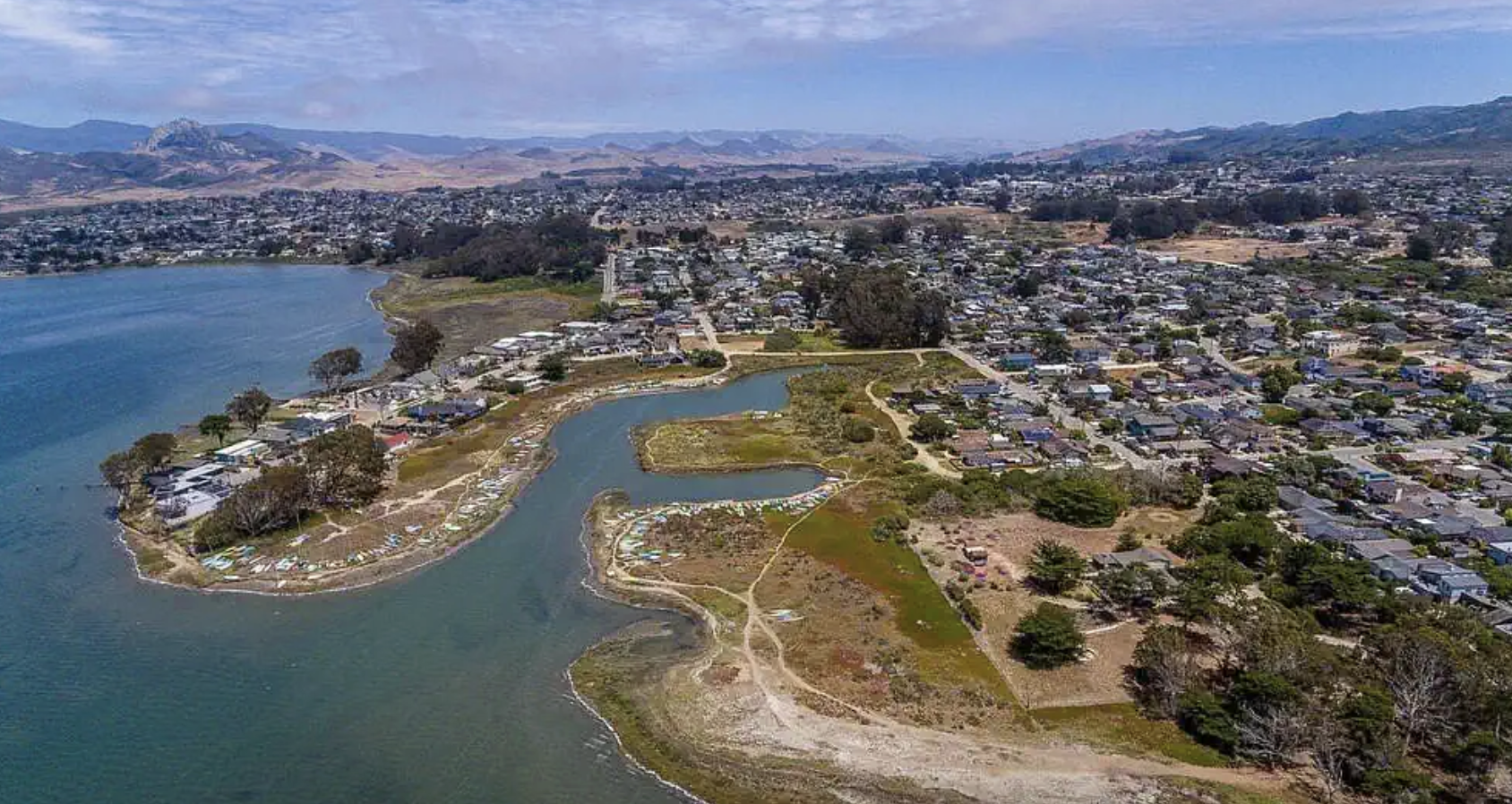
Los Osos CSD water chief to retire

When leaders in Los Osos California want to solve a perplexing problem, need to figure out the town’s complicated water shortage dilemma or make improvements benefiting the community, they turn to chief explainer Ron Munds, general manager at the Los Osos Community Services District  – the closest thing we have a city government in this unincorporated coastal community.

The 71 year-old Munds has been at the helm of the CSD since 2019 and now has told his board that he plans to retire next year. Last week, the board hired a consultant to start a search for a new general manager.

Ron Munds

A resident of Los Osos and CalPoly grad, Ron has no plan to leave the community. “We’ve lived here since 1975.” Munds says the CSD hopes to have a GM on board by April allowing Munds to help in the transition with his own contract up in August.

Arguably Munds is the go-to guy for all things water where he has formulated a strategy to use less groundwater – the only source of drinking water, pursue alternatives such as the use of more recycled water to irrigate our schools and parks and relocating water wells further east from the bay to reduce seawater intrusion. Perhaps his biggest project in the works now is connecting the community for the first time to an alternative source of new water – to the State Water Project that serves other nearby communities, including Morro Bay. Just in the past month the CSD board approved spending over $800,000 to launch the engineering of a 2.5 mile pipeline that will connect to the existing State Water project at So. Bay Blvd and Highway 1. Munds has also been active in seeking funding from both federal and state agencies to help out with the $10 million cost. The so-called Water Supply Resiliency Intertie Project could bring in 200 to 600 acre-feet of water annually. The basin uses about 1800 acre-ft of groundwater yearly, for now the only game in town.

Lesson from San Luis Obispo 

This is not Munds’ first rodeo working to convince a community they should depend less on groundwater despite the expense of an alternative source. Munds worked on a team at the City of San Luis Obispo that had been suffering multi-year droughts starting in 2012 and earlier. Munds and water officials convinced city residents to put up with more expensive water rates for several  years to help pay for what was to be the city’s salvation, constructing and  connecting to a 45-mile pipeline to Lake Nacimiento – now the city’s top water source. The city decided to turn off most of their water pumps after a lawsuit accused groundwater pumping of causing subsidence – land sinking causing property damage along LOVR. One 2015 news article summarized “About 25 years ago in San Luis Obispo, Calif., an over dependence on groundwater became a destructive and expensive problem for the city.”

Nacimiento Pipeline

Munds experience with water also includes a stint with  the County of San Luis Obispo as the Utilities Division Manager. He came to Los Osos with some 30 years of water management experience under his belt.

A strategy of long term conservation also plays a role in both SLO and Los Osos. San Luis Obispo’s water consumption has significantly decreased over the years, with a current annual usage of around 4,700 acre-feet compared to  the late 1980s at 8,000 acre-feet. In Los Osos there has been a drop in water pumping, while not as dramatic, falling from 2200 acre-ft in 2015 to 1690af in the latest 2024 Basin Management report. Still that is not enough.

Munds remembers advising the Los Osos CSD board when he came to work in 2019 of his long range plan to hook up the community  – as he did in SLO – to an outside source to cut down on year to year supply volatility and droughts.  He brought with him that plan knowing that like SLO – the much smaller Los Osos pipeline project would take time to become reality.”It’s already been underway for 6 and 1/2 years”, he notes. “The vision is long term. We need to look 40 years out “he observes. Munds hints he may work on the pipeline   project even after he steps down from the position in hopes to be under construction in a few years.

Munds frequently finds himself in the middle of the never-ending debate over growth, with the latest news – the controversy over whether water pumping in the community is allowing more seawater intrusion and what to do about it. Munds frequently offers the idea that the additional water  supply will be a” insurance policy” not a vehicle for lots of growth but quality of life issues – just”so you can count having a vegetable garden in your backyard.”

Recently the 35-year building moratorium here has been lifted following the approval of the Los Osos Community Plan. That plan allows for growth by addressing previous concerns about water supply, wastewater treatment, and habitat protection but  limits new construction to a 1% annual growth rate for residential units and less. It requires new development to connect to the water recycling facility.But now the Basin Management group made up of the three water purveyors including the CSD and the County have voted not to approve any growth in 2026 after a new study said seawater intrusion was underway.The County BOS alone will make the final decision.

An aside: if reduced  pumping on the land would push harder against the sea, the rise in worldwide seawater levels are a bigger problem even Munds can’t solve, although don’t tell him he can’t.

Not just water

The CSD and Ron Munds don’t just work on water issues. The agency also seeks more recreational and park land in the community and has been active in a proposal to buy the mothballed Sunnyside School property in an upcoming referendum. CSD has been playing a more active role in guiding improvements in town like pickleball courts given that the county has often disappointed residents and of course, right now faces budget issues of their own.

The CSD and Mr. Munds is also struggling with the high cost of firefighting and emergency services currently working on a plan of possibly coordinating the service with the City of Morro Bay.

Recently, the CSD and the county celebrated the connection of three local Los Osos schools and parkland to recycled water from the wastewater treatment plant that will now replace water wells that have been irrigating grounds at Los Osos Community Park, Monarch Elementary School and the Los Osos Middle School.Plans are in the works to add recycled water to the Los Osos Elementary School as well as the vacant Sunnyside School once it is acquired by a  community group led by the CSD, another one of those Ron Munds good deed projects.

Trusted partner

Los Osos community leader Deborah Howe, chair of the Los Osos Community Advisory Council says ” Ron is such an important partner for so many projects in the community.”

“He is trusted, caring and compassionate. I see him all over town including ringing the Christmas bells at the local grocery store to raise money for the hungry.”

“Working directly with him, Ron has been instrumental in the current effort to acquire Sunnyside school. Glad to hear he will still be part of our community.”

—————–

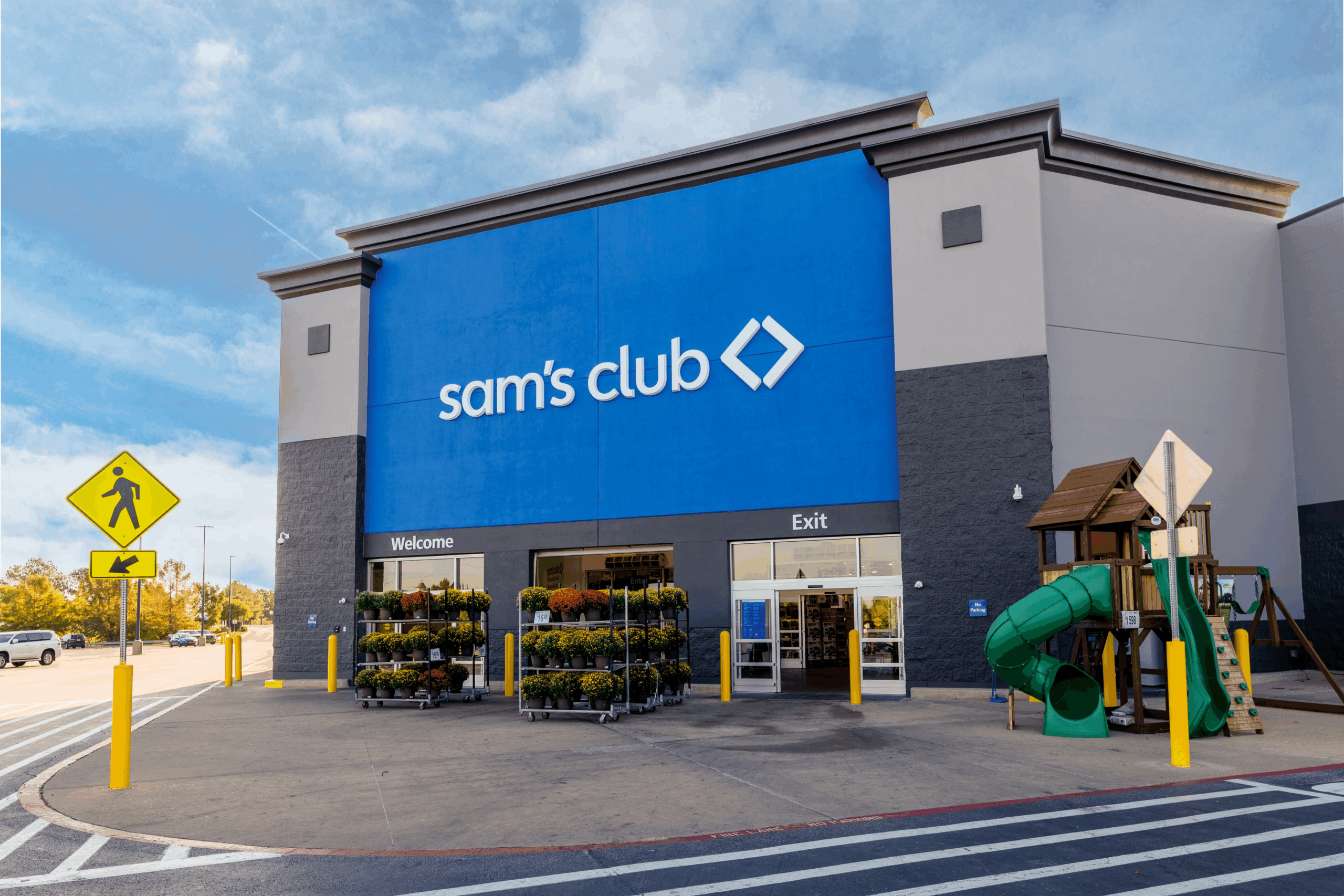
Permit issued for new Visalia Sam’s Club

Sam’s Club now has its building permit in hand for a new 168,500sf club warehouse / grocery store on South Mooney Blvd. The project construction cost is about $33 million including the warehouse and a 8.6 foot tall wall on the perimeter of the property to reduce noise for neighbors.

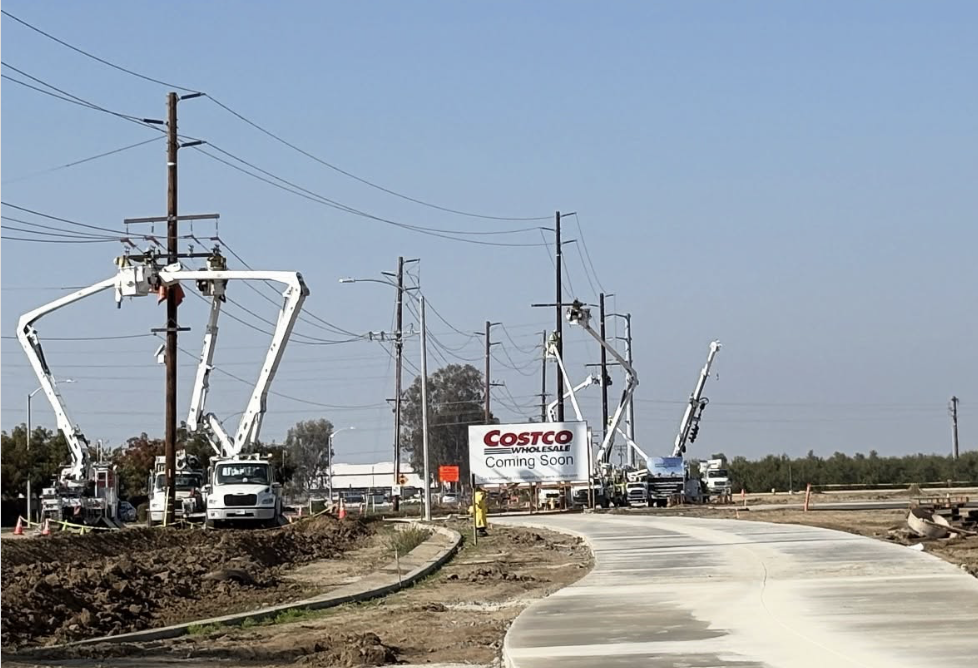
Now comes the race between Sam’s Club and rival Costco to see who is first to open their new warehouses likely by mid 2026 on opposite bookends of the community. Both projects have major gasoline fueling stations attached to their properties and will draw other retailers nearby given their retail popularity.

Costco has told the city they hope to open their 32-pump gas station by spring, sooner than the warehouse. That’s as big as they come currently although a 48-pump Costco station is in the works in Surprise Arizona.

Also part of the project at the new Visalia Sam’s Club is a $1 million installation of four solar carpark canopies covering the parking lot next to the store as well as an energy storage system.

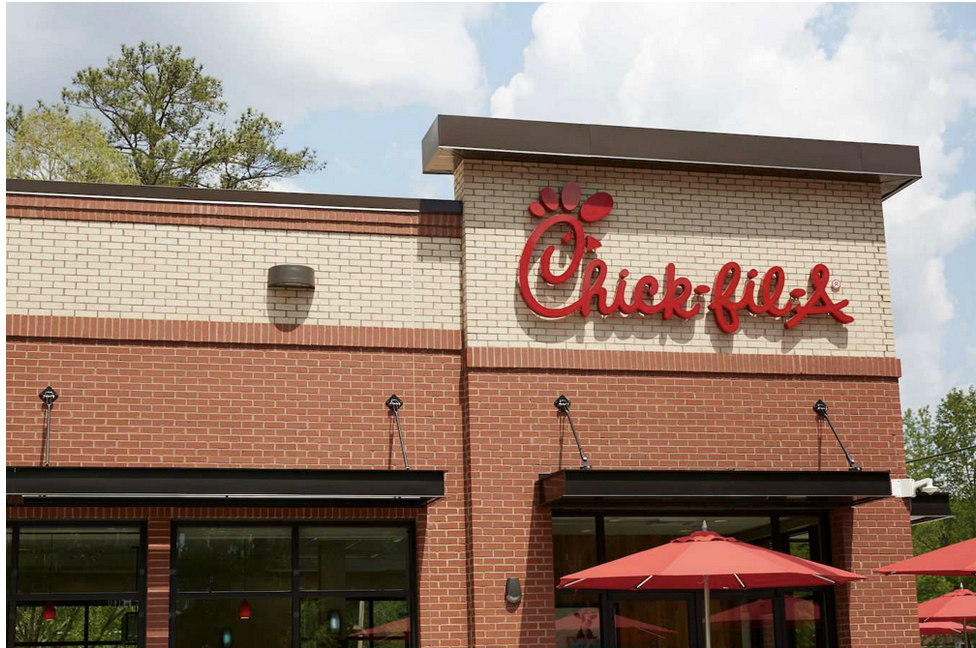
Running in tandem to the Sam’s Club project is next-door fast food giant Chick-fil-A who now has filed for their building permit for a new 5000 square-foot double drive-through on the southwest corner of Mooney and Visalia Parkway in the same center. The company is proposing to spend $1.9 million to build the popular eatery. The restaurant is expected to open at 5:30 in the morning six days a week. Famously, the privately-held restaurant will be closed on Sunday. This project involves a site plan review by city staff just this week- November 5 to go over the project.

Visalia could see a new 18,000sf pistachio warehouse with processing equipment going in being heard at the November 5 site plan review project with the city. It would be the first nut processing plant in town and is being proposed by Rosa Moreno and the company Murullo,LLC.The proposal warehouse would be located in the industrial park at 7427 S. Sunnyside.

Highway 1 to reopen after years of economic loss

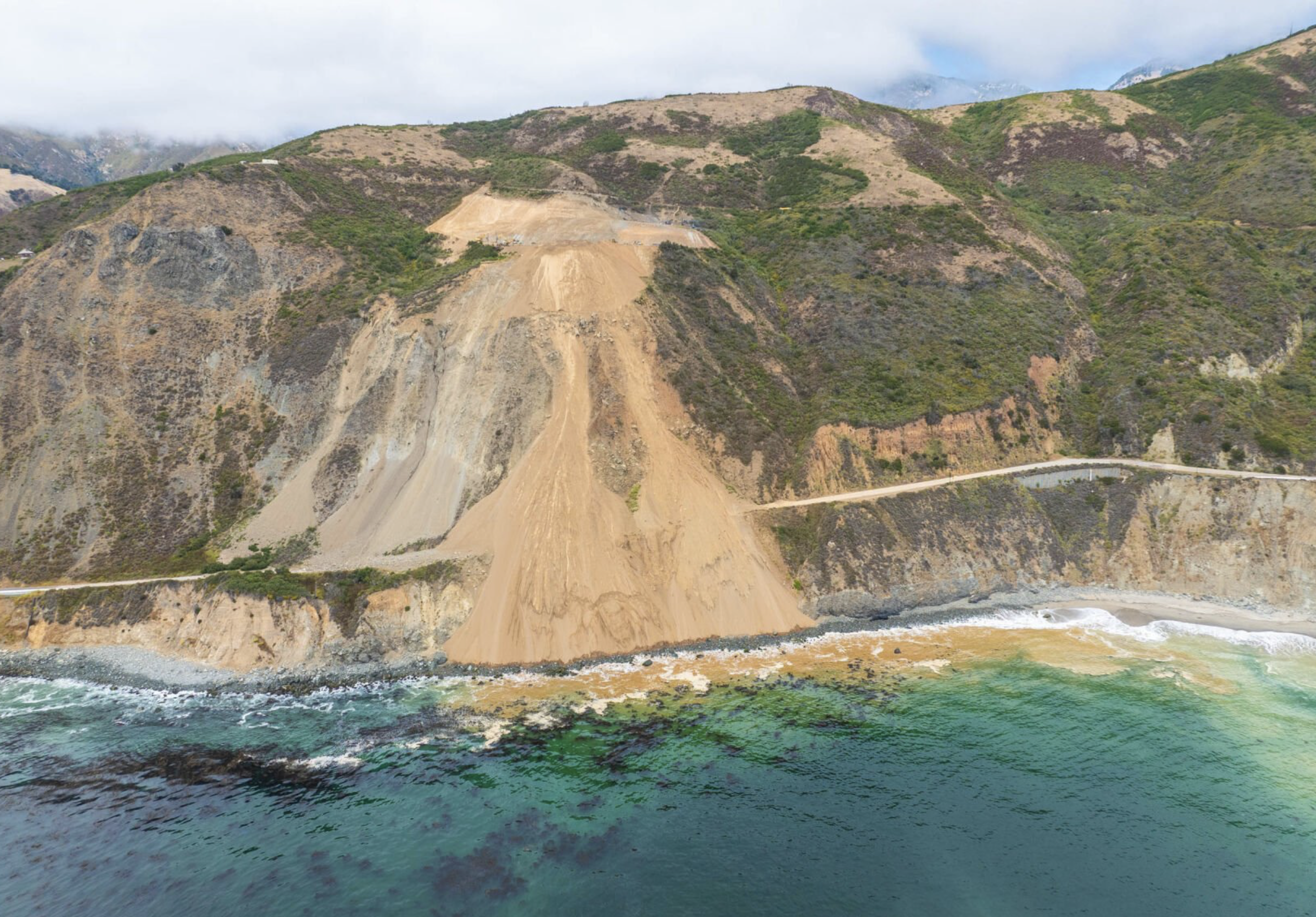
Landslides closed Highway 1 along the world famous Big Sur coast, severing the flow of travelers, and reducing the amount of economic activity, mostly tourist spending, by roughly $312 million between 2023 and 2024 says the state agency Visit California and LA-based Beacon Economics in a recently published study.

Local city and county governments have lost over $27 million in tax revenue during these two years.

Meanwhile the highway remains closed today and is causing $13 to $14 million in economic losses per month, equaling a total of $438 million since the first slide occurred in January 2023.

Late March opening date

Now Caltrans just announced repairs to the road will be complete next year allowing the highway to open for thru traffic by the end of March 2026 assuming no new winter damage in coming months. Landslides have become a money pit for the state spending hundreds of millions of dollars as vigorous wet stormsand its location on fault lines have increased periodic damage to the cliffside highway.

Landslides closed Highway 1 in 2017 but the Covid shutdown also reduced traffic in 20/21 compounding the multi-year economic impacts in recent years.

On January 14, 2023, a major landslide buried a stretch of Highway 1 in Lucia, near Big Sur, on California’s central coast. Before Caltrans could repair the damage, a second major slide occurred six miles north of the first one. As of September 2025, a 6.8 mile stretch of the road remains closed, with reconstruction still underway.

The Beacon Economics study says the small towns of San Simeon and Big Sur experienced the steepest proportional losses. Over the two years, visitor spending at San Simeon dropped 42% relative to baseline expectations.

In 2022, tourists spent roughly $27 million in San Simeon. If the road had remained open, it’s expected this number would have risen slightly to $29M. Instead, nature buried the highway under half a million cubic yards of debris, and tourist spending dropped to $17 million in 2023 and $17 million in 2024.

Near San Simeon is Hearst Castle, a vast estate built by newspaper magnate William Randolph Hearst
between 1919 and 1947. Visitation at the castle—now a museum and California State Park—fell from 222,500
during the summer of 2022, to 184,000 during the summer of 2023.

For Big Sur, the road closure resulted in a total loss of $33 million in visitor spending, reflecting a decline of 20% from baseline expectations for 2023 and 2024. This was driven by their respective isolation and dependency on the Highway, and hotel managers in the area reported having to close segments of their businesses. In a news article the GM of the resort restaurant Nepenthe says they have about a third fewer customers than usual.

Monterey hard hit

In absolute terms, the City of Monterey is home to the largest tourism economy in the region, representing nearly
60% of total tourism spending annually. Similarly, the City of Monterey also endured the largest loss of visitor
spending, losing $145 million over the two years as compared to baseline expectations, says the report.

Likewise in San Luis Obispo County’s Morro Bay and Cambria, visitor spending dropped about 10% from where it was expected to be without the closures, says the study.

Los Osos intertie pipeline moving forward

Rendering of Los Osos pipeline connecting to State water that comes in along Hwy 1

On September 4 the Los Osos CSD Board awarded a contract to Water Systems Consulting (WSC) for $854 thousand to design the proposed 2.5 mile pipeline intertie project connecting the community to State water at Hwy 1.

Currently the town is 100% dependent on groundwater.The bid from WSC is over $200,000 more than an engineer’s estimate used by the CSD in their planning. The consultant highlighted the complexity of the project.

At the July 10, 2025, board meeting, the board received a report which summarized the current condition of the Los Osos Groundwater Basin.The results of a new baseline scenario indicated that pumping at current average rates and spatial distribution would cause seawater to intrude further into the Basin which is an indication that current average pumping and distribution is “not sustainable.”

At the meeting, staff also provided a Water Resiliency Intertie Project conceptual strategy to enhance the long-term approach to improve the groundwater basin’s water quality and seawater intrusion issues and improve the resiliency of the community’s water supply.

A decision has now been made to move forward on a detailed design of the pipeline even though funding for construction is not yet in place. The theory is to make the project “shovel ready” by moving ahead on detailed design. helping to attract federal, state and local funding including from the purveyors.

Three year construction schedule

The company WSC’s design completion schedule is January 2027, considerably longer than two rival bids but “might be more realistic” says a CSD memo. Construction could be completed in Sept 2028 – three years from now.

“The proposed intertie pipeline alignment is nearly 16,000 linear feet (LF) from the Chorro Valley Pipeline north of Highway 1 to LOCSD’s 16th Street tanks. The alignment navigates a critical arterial road between the coastal communities, environmentally sensitive areas, two bridge crossings, and varied soil conditions. The project presents an opportunity for water supply sustainability and reliability while also presenting numerous challenges” writes WSC.

The pipeline is expected to bring 200 to 600 acre-ft a year into the basin. The urban areas of Los Osos use about 1,000 acre ft through the three water purveyors and the ag acreage east of town uses around 650 acre-ft from wells.

Ron Munds, CSD manager, says the additional supply would be sunk to help push back seawater and make the basin more sustainable.

Strong community support for the project is expected with new estimates that current pumping of groundwater is allowing seawater to intrude into the Los Osos water supply.