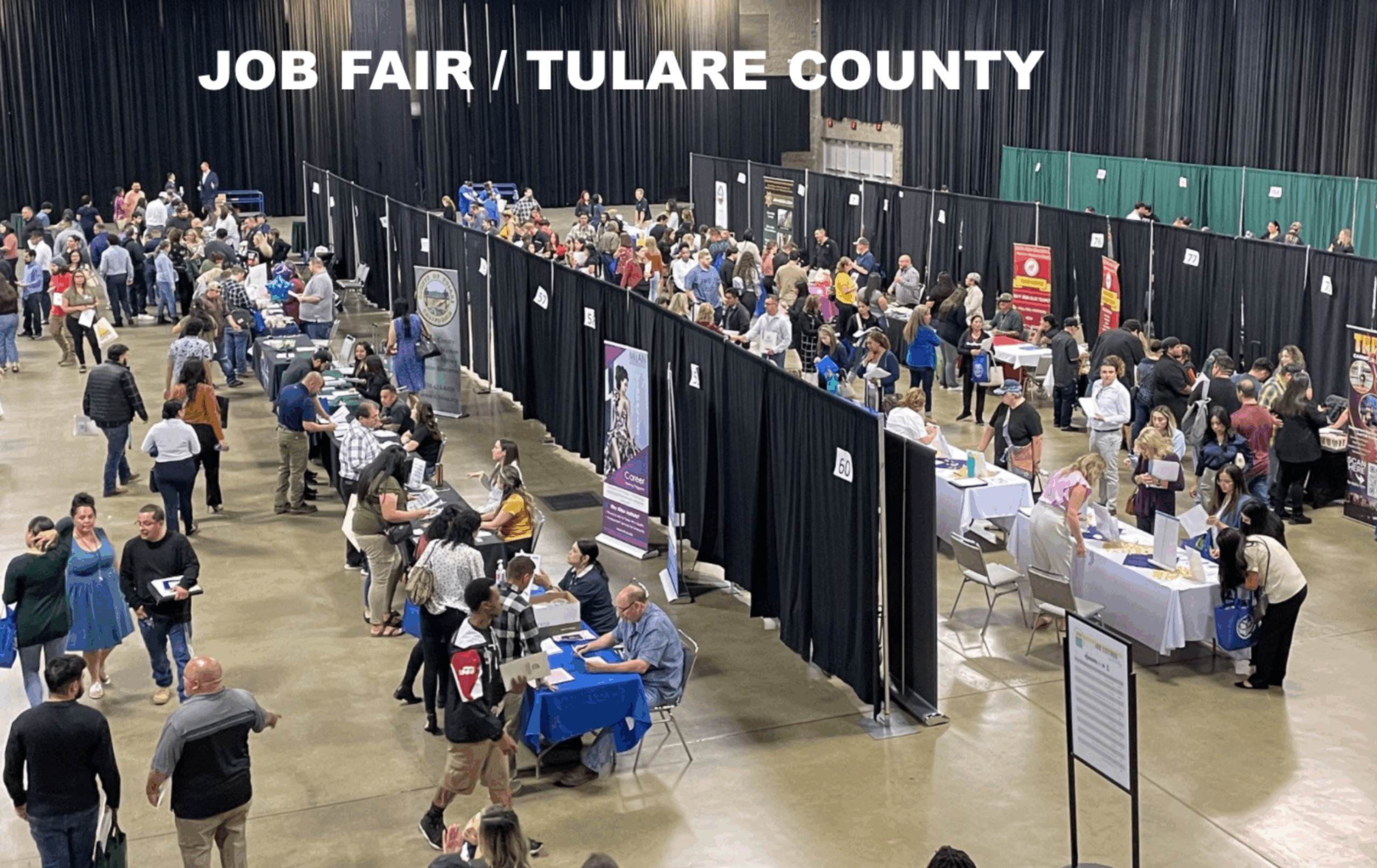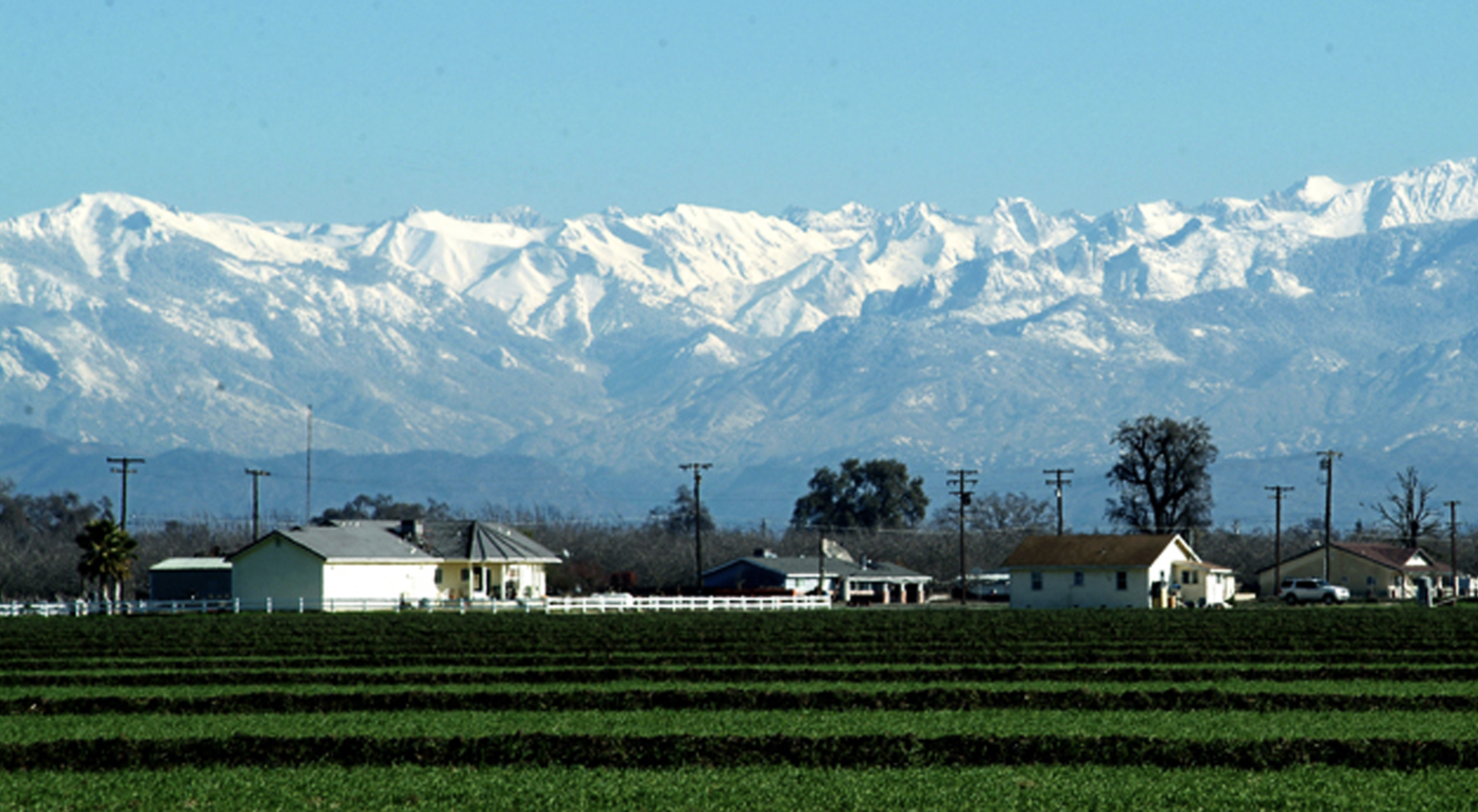
Around Tulare County

Visalia commercial permits top $98 million

The City of Visalia commercial building permits so far in 2025 are staying strong, topping almost $99 million year to date as of August 1. Permits for 511,000sf have been issued so far this year. Both square footage and valuation are ahead of last year when just $63 million in valuation for 336,000sf were issued for the entire year.
Permits so far this year include a $23 million permit issued to construct the 160,000 square-foot Visalia North Costco Wholesale building on Riggin at Shirk. The permit was issued May 1.
Farm machinery firm opening new Visalia distribution center

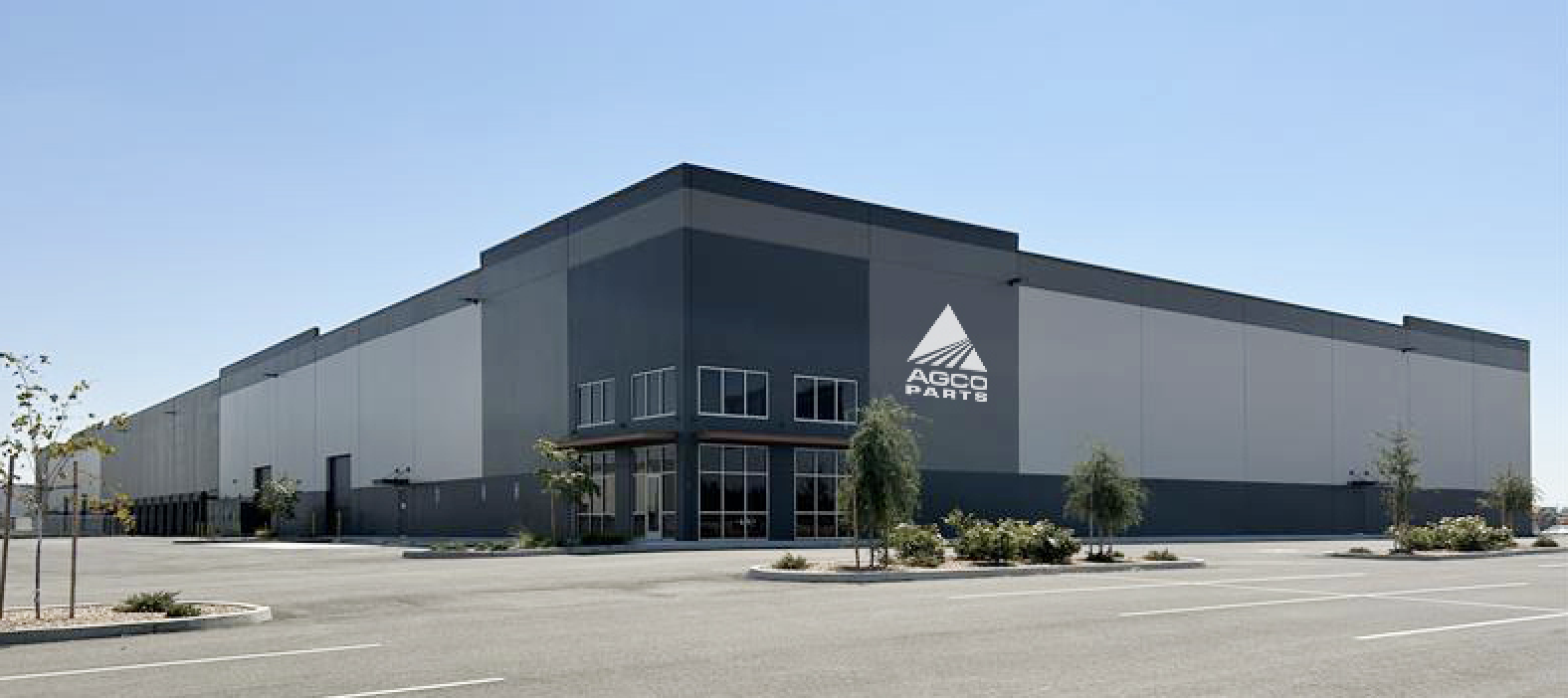
DULUTH, Ga. | August 7, 2025 | AGCO (NYSE: AGCO), a global leader in the design, manufacture and distribution of agricultural machinery and precision ag technology, today announced a multimillion-dollar investment in its U.S. West Coast operations with a new, expanded Visalia Parts Distribution Center. The modern facility will support all AGCO leading brands, including the rapid growth of Fendt® in the U.S., and provide enhanced service to western U.S. farmers, including California’s crucial crop farmers.

Located less than three miles from the current site, the new 115,000-square-foot facility will replace the existing center and feature advanced warehouse automation, expanded stocking capacity and improved forecasting capabilities to ensure faster delivery and greater parts availability for AGCO dealers and customers.

“California’s high-value crop farmers rely on precision equipment that runs long hours, often logging over 2,000 hours per year in demanding conditions,” said Jena Holtberg-Benge, AGCO Vice President of After sales and Parts. “By expanding our parts distribution capabilities in Visalia, we’re putting Farmers First – ensuring rapid access to critical components that keep machines running and on track during peak seasons.”

Visalia’s central location in the heart of West Coast agriculture enables AGCO to reach any dealer or farmer in the region within a day. The new facility will reduce lead times and improve fill rates for high-demand parts across AGCO’s full brand portfolio. The new facility is scheduled to begin operations in late 2026 with no expansion of the existing workforce.

Tulare Co homes for sale inventory heads higher

The latest charts from the Tulare County Association of Realtors indicates more homes on the market – up by 31% compared to a year ago.About 713 homes are for sale compared to about 500 in July 2024. Meanwhile the number of homes sold is the same at 77.Average price of a home sold is $407,000, down 2.6% from this time last year.

Oakland Zoo releases frogs in Sequoia Park

August 7, 2025: This month Oakland Zoo transported 43 yellow-legged frogs by helicopter to their release site in Sequoia and Kings Canyon National Park . This release marks the 1000th frogs released by Oakland Zoo and a decade of efforts to save these frogs, now on the verge of extinction from a deadly disease, Chytridiomycosis (chytrid). This release was in partnership with Mountain Lakes Research Group, the U.S Fish and Wildlife Service, and the National Park Service.

Yellow-legged frogs have experienced a 90 percent decline in their population due to the devastating effects of the chytrid fungus, a global pandemic considered the most significant loss of biodiversity caused by a pathogen. Oakland Zoo emphasizes the importance of saving frogs because they play a crucial role in the ecological food web as prey for larger animals and as predators of insects that control populations. They have permeable skin making them easily affected by environmental changes. This trait makes them excellent bioindicators, alerting us to environmental stressors. Frogs once were a keystone species in high elevation lakes but chytrid and other factors reduced their populations significantly.

Faraday Future starts trial production of new model vehicle in Hanford

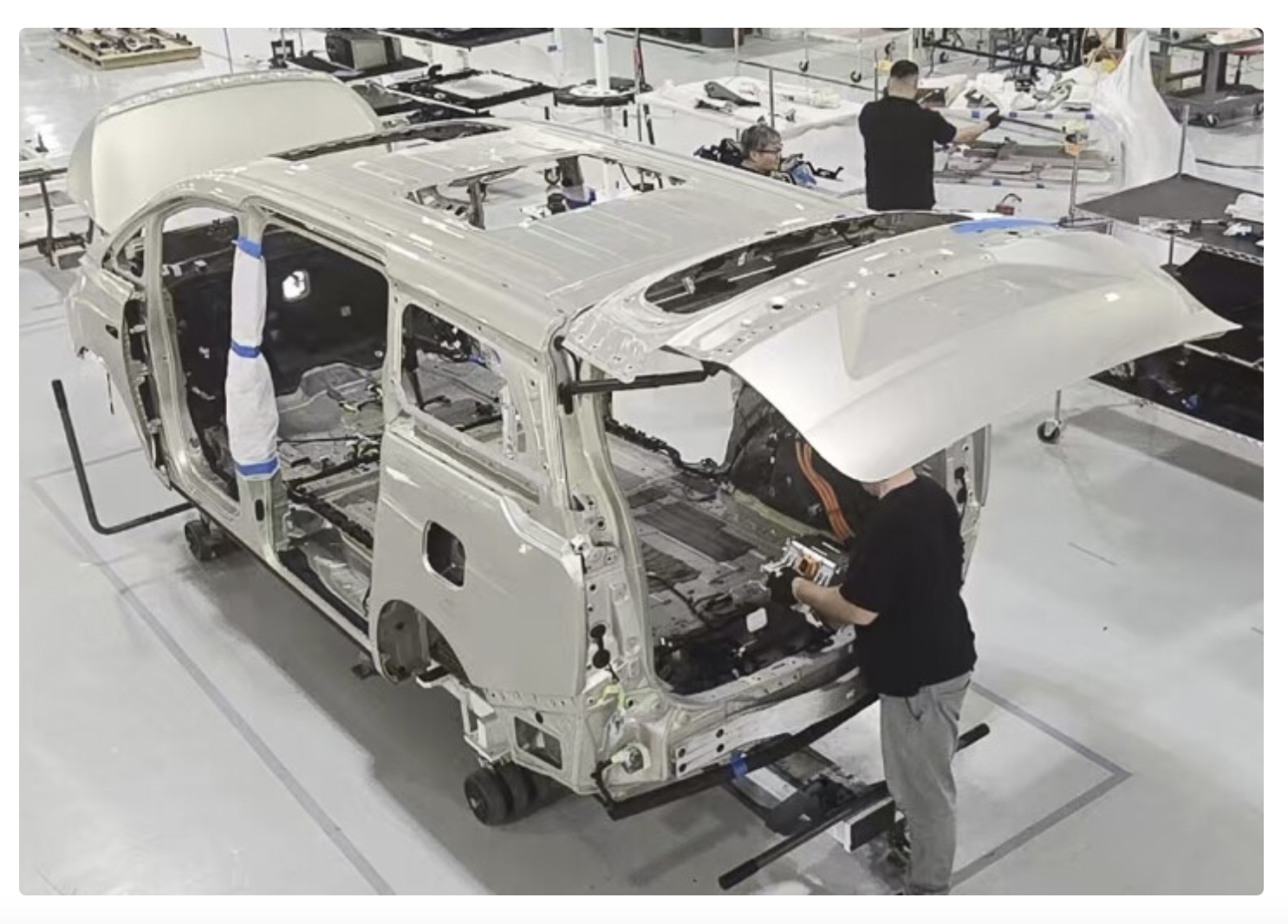
Faraday Future (FF) says it is launching trial production of its new FX Super One electric vehicle at their Hanford plant now. Photos released by the LA-based start-up show a production line in place.

In a release, the company says this phase is primarily focused on planning and verifying production processes, operational workflows, and quality standards. In parallel, engineers and production staff at the Hanford factory are undergoing specialized training to support production readiness.

Following this phase, the company will proceed with comprehensive vehicle engineering of the new vehicle, which includes extensive safety testing and validation.

The FX Super One was unveiled on July 17 in Los Angeles aimed at competing with models such as the Cadillac Escalade.

Faraday Future’s current 1.1 million-square-foot manufacturing and production facility in Hanford, California,” has approximately $300 million invested so far in the multi-use facility, and with additional investment and permitting, could become capable of producing more than 30,000 vehicles annually,” the company claims. The facility would support mixed-line manufacturing or assembly for multiple models.

Past predictions

When the company launched their Hanford manufacturing plant back in 2017 they predicted it would employ up to 1300 workers and produce up to 10,000 cars annually. Almost 9 years later the huge facility – the former Pirelli tire plant, sits mostly quiet.

In recent months, the company completed a new round of financing commitment totaling $105 million, which is expected to nearly cover the launch of the FX Super One.

The new model that features an interactive grill that shows videos has attracted some positive attention after years that the company appeared to be stuck in marketing only a very high-end electric vehicle costing $300,000 and selling only a handful of the cars.By contrast the projected price of the Super One vehicle starts below $100,000 and possibly less.

The Super One is said to be modeled after a very similar vehicle built in China. Indeed the parts for the new FF model are being shipped in from China to be assembled in Hanford. The company has lobbied Washington to look kindly on the effort.

Faraday Future stock on the NASDAQ has inched up in recent months, but is still down about 30% year today at $2.77 a share.The company suffered a 2024 net loss of $355.8 million.

Regulatory problems

In other news in mid July, The Securities and Exchange Commission (SEC) sent letters to Faraday Future founder Jia Yueting and president Jerry Wang, writing that they may soon face enforcement actions from the SEC as the result of a three-year fraud investigation.

Details are from one press account in TechCrunch

The letters, known as “Wells Notices,” state that the commission’s staff has made an internal determination to recommend an enforcement action against the electric vehicle company, the two executives, and two former employees who weren’t named, according to a regulatory filing published Wednesday.

Faraday Future wrote in the filing that the SEC is focused on “purported false and misleading statements” related to the company’s 2021 merger with a special purpose acquisition company (SPAC). The SEC may seek “an injunction or cease-and-desist order against future violations of provisions of the federal securities laws, the imposition of civil monetary penalties, disgorgement or other equitable relief within the Commission’s authority, or any combination of the foregoing,” according to the filing.

The company also said in the filing that they — along with Jia and Wang — “plan to engage with the Commission staff about why an enforcement action is not warranted.”

FF pics

Tulare County plan will rezone West Goshen ag land for industry & housing

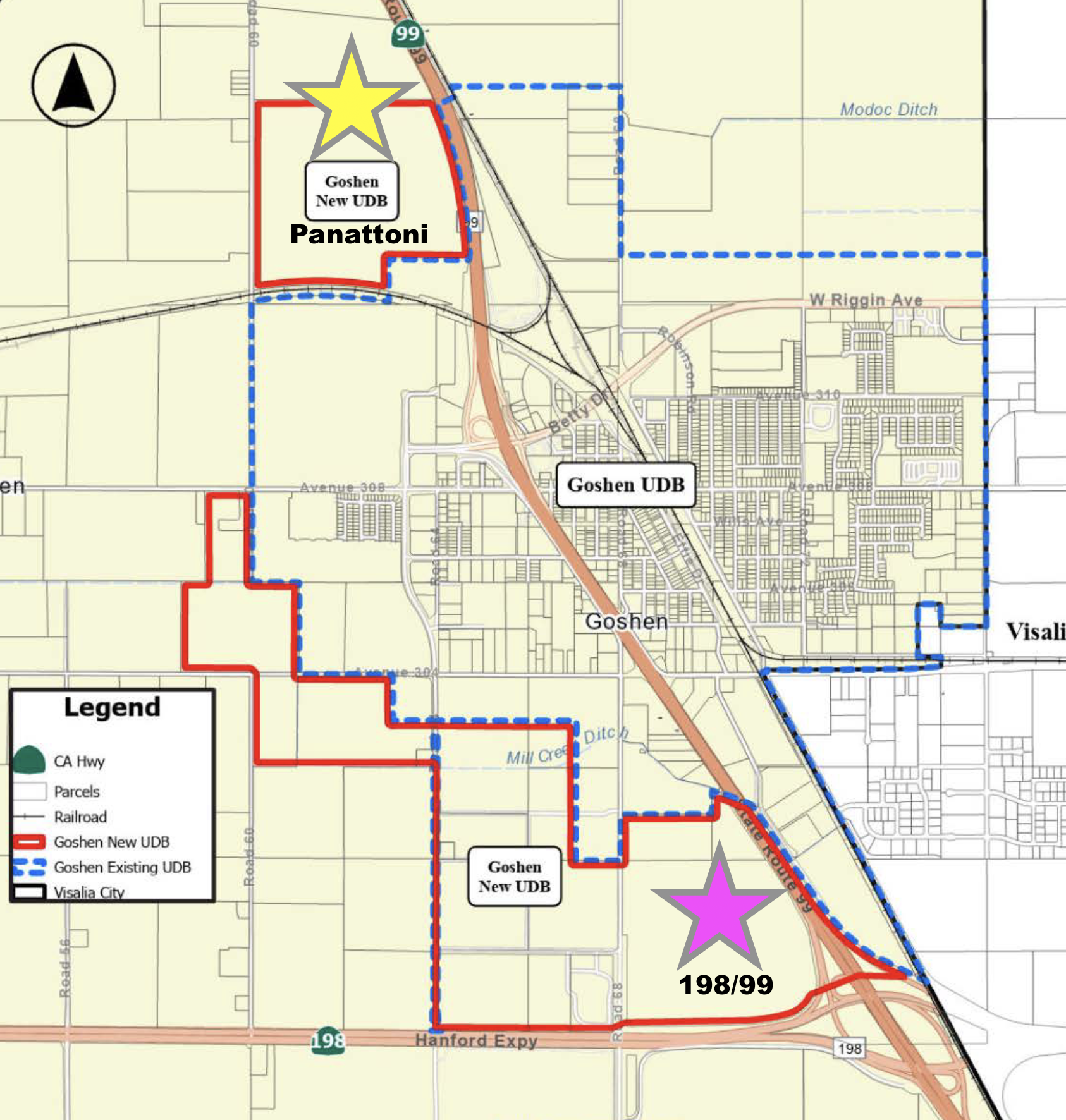
The Tulare County Board of Supervisors have approved a plan to rezone 718 acres of farmland West and north of Goshen to accommodate both industry and more housing in the future. Specifically the board approved in initiation of a general plan amendment July 22 that would allow development of these lands in the next few years once all environmental studies are complete.The new zoning designation would be “mixed use.”

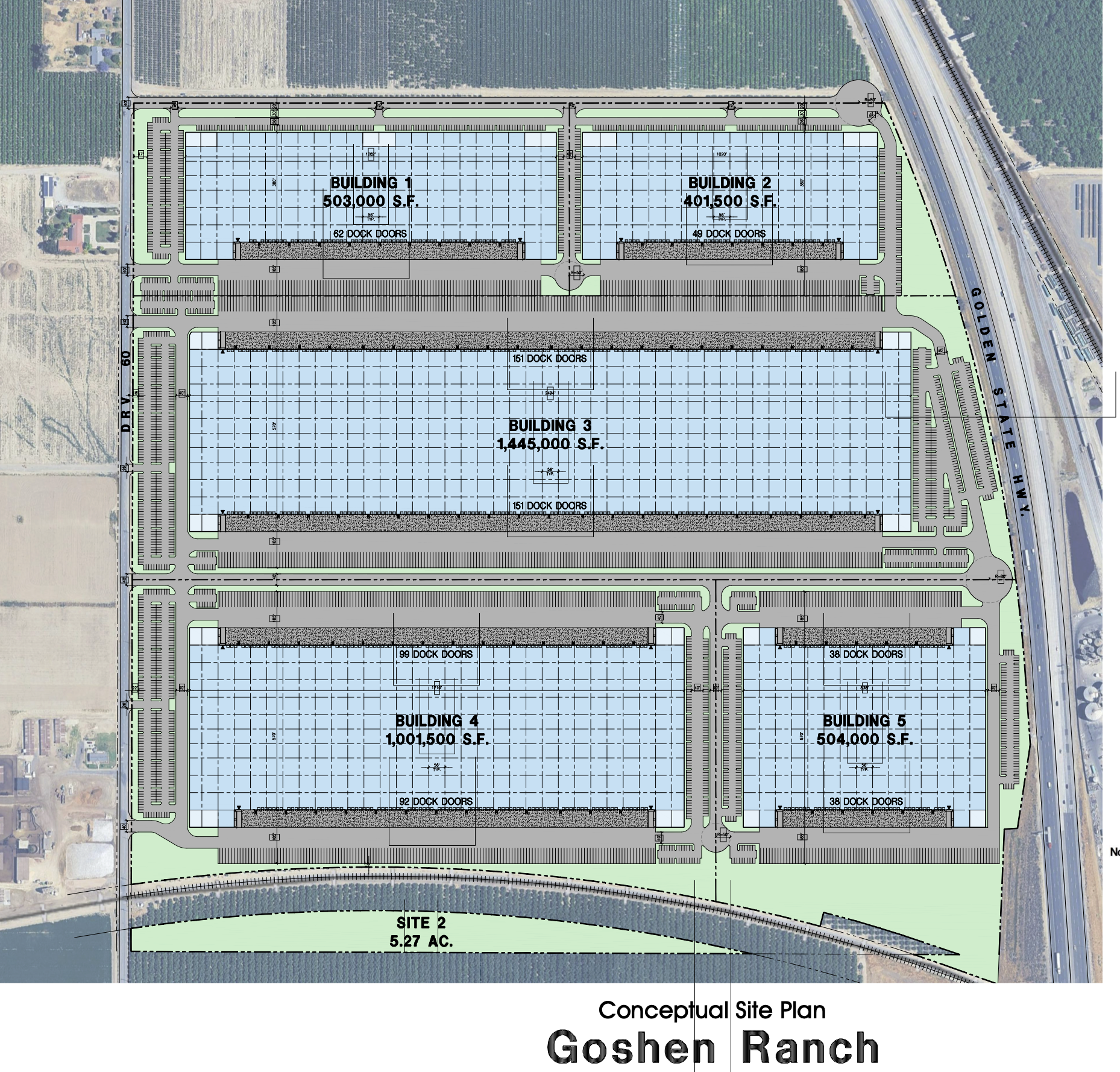
Most newsworthy is a developer initiated plan to build an industrial park on 190 acres west of Highway 99 and north of the Cross Valley rail track. The project was submitted to the county by developer Panattoni Development of Sacramento in concert with the big real estate firm Colliers International. The project was submitted to the county at their Project Review Committee meeting in June.

The site plan for the proposed warehouses shows 5 large buildings of various sizes that add up to 3,850,000 ft.² clustered along Highway 99 west of the highway and north of the Betty Drive interchange, called Goshen Ranch.

Development of the overall 718 acre plan would require cooperation from the City of Visalia who supplies sewer service to Goshen as well as approval from CalWater who supplies water to the community.

Another newsworthy part of a plan is to rezone 137 acres at the northwest corner of Highway 99 and 198, also currently in agriculture. Associate Director of the Tulare County Resource Management Agency Michael Washam says there’s no specific plan to develop this acreage but the site has been the subject of numerous commercial tire kickers in the past.The site enjoys the highest pass by traffic count in the region.

Besides these industrial and commercial potential projects, Goshen appears slated for more housing projects due to available land there, including this initiative to open more, but depending on sewer capacity from the City of Visalia.San Joaquin Valley Homes and Self Help Enterprises are busy with projects in Goshen now.

Just how the City of Visalia is going to react to these large projects at their doorstep ,just outside the city limits is not yet clear. Recently the City of Visalia initiated their own 900 acre expansion plan for industrial and other commercial development near the airport and along Caldwell Ave south of the airport.

Panattoni Developers Goshen Ranch- 3.85 mil/sf

Faraday Future’s new EV has a smiley face who talks 


You’ve got to give these guys credit for not giving up. It has been eight year this August that electric vehicle maker Faraday Future has leased a huge one million square foot former tire plant in Hanford California for their planned new assembly plant.
So far the process has arguably been a dud and certainly no “Tesla killer” having manufactured only a handful of cars (16 since 2023) and losing hundreds of millions of dollars doing it.  Ok now in August 2025 the LA-based company has a new plan to assemble not a $300,000 ultrahigh-end EV but a family minivan based on a Chinese-made model. 
Called the FX Super One, the vehicle is the result of a partnership  with  Chinese automaker Great Wall Motor who would deliver parts to Faraday Future in a bid to avoid high tariffs and get Trump administration approval to allow the assembly of the vehicle in their Hanford plant.
The car would arrive as a so-called semi knock-down kit – a collection of parts required to assemble a product. The parts are typically manufactured in one country or region, and then exported to another country or region for final assembly.
Faraday Future announced the new FX Super One electric minivan at an event in Los Angeles recently featuring an interactive smiley sun or other digital images  where the grill is. But there’s more. One description says “When the vehicle is parked, F.A.C.E. can interact with passengers through voice recognition, visual cues, and even reactive communication, offering something akin to a conversational co-pilot.”
According to Chinese media reports Great Wall Motor (GWM) has granted Faraday Future (FF) a license that will allow the Los Angeles-based electric vehicle maker to use imported auto parts in the assembly of its FX Super One, which shares a similar look with GWM’s Gaoshan multi-purpose vehicle (MPV).  Those reports add that GWM is among the four Chinese automakers that have collaborated with FF based on the “Global Auto Industry Bridge Strategy” proposed by FF’s founder and co-CEO Jia YT.
Jia spoke about the plan at this year’s BEYOND Expo tech event in May. FF said it already received more than 10,000 reservations for the luxurious full-size all-electric van, which features an interactive LED grille called F.A.C.E. to display images and videos. [Yiou Auto, in Chinese]

Over the years  US lawmakers have supported a ban on the importation of Chinese-made automobiles into the US, but now FF hopes to break the ice by importing parts and doing the final assembly here.For now, auto parts, engines, transmissions, and electronics from China are subject to a 25% duty.
Faraday Future is making the case in Washington looking to ride the wave of building more cars in the US. On July 24 FF leaders held what they call a a” well-attended and impactful reception at the Capitol Hill Club this week, drawing over a dozen members of Congress and key stakeholders from across the policy and business landscape. The event served as a platform to highlight Faraday Future’s ongoing efforts to bring advanced electric vehicle innovation and manufacturing jobs back to American soil.

Earlier this year FF’s Global President, Jerry Wang, met with Eric Trump, where he discussed Trump’s views on electric vehicles and the EV market.
“We at Faraday Future have expressed our desire to play a role in the great American comeback we are seeing under this Administration, particularly as it relates to the automotive industry, which has been the bedrock of American industry for ages,” said John Schilling, Global Director of Communications and Public Relations at Faraday Future.
“We were extremely honored by the attendance of numerous members of Congress who were interested in both our vehicles, because who wouldn’t be, but more importantly, our story about building and employing Americans,” continued Schilling. “We’re committed to expanding production here at home and look forward to working with Congress and the Trump Administration to help make that vision a reality.”

Faraday Future’s leadership emphasized that the company is aligning with the current Administration’s vision to reindustrialize America and revitalize core manufacturing sectors. “With plans to increase domestic production and invest in U.S. jobs, Faraday is proud to be a part of a new chapter in American innovation.”
The website Carscoops says” If everything goes according to plan, and that’s a big if, the FX Super One will roll out in early 2026. The model will be assembled at the Faraday Future plant in Hanford, California, allegedly using 50% locally-sourced parts. Faraday Future didn’t reveal pricing but is already accepting pre-orders for a refundable deposit of $100.”

Gallo closing Central Coast winery

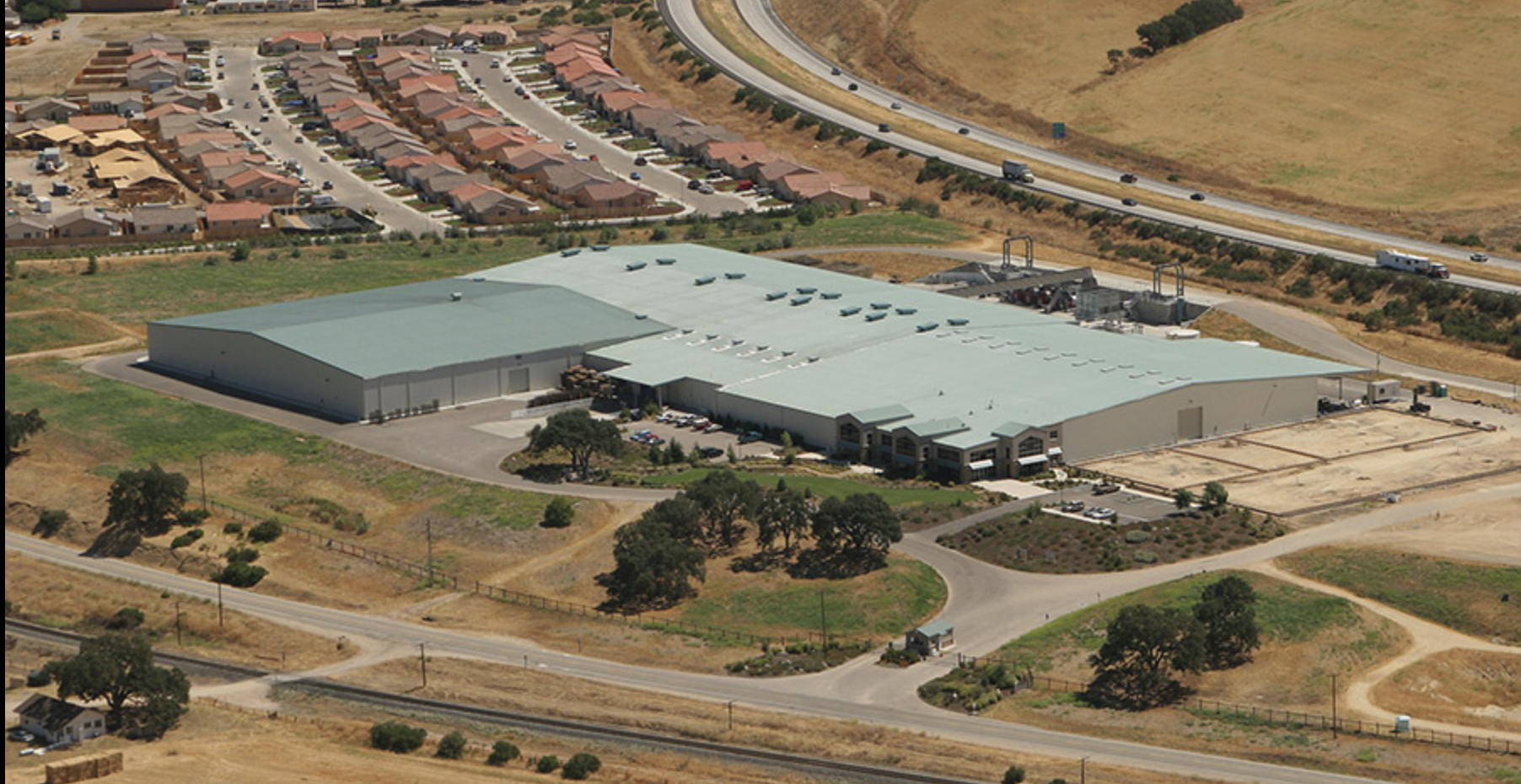
Gallo will soon be shutting down their 300,000 square-foot winery on the north end of San Miguel in San Luis Obispo County. The Modesto-based company, the world’s largest wine maker, will be permanently laying off 47 production workers effective September 8 according to a state WARN notice.The notices are published in order to give workers a 60-day notice of impending layoffs.The facility is located at 2425 Mission St, San Miguel, CA.

The winery is the former Courtside Cellars facility purchased by Gallo back in 2012.The facility both made wine and ran a bottling line in San Miguel, just north of Paso Robles.. The expected closure has been common knowledge, say wine industry sources. Gallo representatives were not available for comment.

Most recently, the California wine industry has been struggling with lower sales and a downturn in consumption among the younger set. The decline in sales has hit the lower priced wines that Gallo markets.

Gallo has been downsizing across the state and here with the sale of two wine making facilities in San Luis Obispo in the past year. They include the sale of the Edna Valley Vineyard facility in the south county and the former Wild Horse winery in the Templeton area, also last year. Gallo sold the former Wild Horse facility for $8 million to Continental Wine Collection according to published reports. Gallo retains the Wild Horse brand.

Wikipedia says Gallo was founded in 1933 by Ernest Gallo and Julio Gallo of the Gallo family, and is the largest exporter of California wines. It is the largest wine producer in the world, producing over 3% of the world’s annual supply of 35 billion bottles with an annual revenue of $5.3 billion. It is also the largest family-owned winery in the United States.Gallo employs about 3,500 people in Modesto and 2,500 in other parts of the state, country, and world.

The downturn in the wine market has hit the California wine industry hard as can be seen from those counties that have published their 2024 Crop Reports. That includes Santa Barbara County who reported winegrape values down 28% from the year before, Monterey County reporting decline of 22% and Napa County announcing winegrape values down 14.4% as well as a decline in production of 23,632 tons or almost 14%. San Luis Obispo County has yet to report but is expected to follow a similar trend.

Allied Grape Growers continue to advocate for vineyard removals across the state, including on the Central Coast. But the industry group says coastal growers brought more bearing acres into production in 2024 than vine acreage was pulled. Migration News says California harvested 2.8 million tons of wine grapes in 2024 but left up to 500,000 tons unharvested as wineries reduced their purchases. California grape growers cited lack of demand for grapes and the high cost of labor as their leading worries.

California had 575,000 bearing acres of wine grapes in 2025 plus 40,000 non-bearing acres. Most analysts think that bearing wine grape acreage must decrease to 500,000 to bring wine supply in line with demand. The fastest rising demand is for Prosecco, white blends and varietals like Sauvignon Blanc and Pinot Grigio, all affordable and often lower-alcohol wines,says Migration News.

The sales downturn has cut new job hiring in the wine industry in May 2025 by 30%, says one index.

The Paso Robles wine association, Paso Robles Wine Country, is working hard to make the best of it, announcing for a second year, targeted wine tasting events in Bakersfield and in Clovis in September featuring 40 wineries that will be offering a taste of the Paso Robles brand.

Gallo winery along Hwy 101 in San Miguel Ca

Tariffs expected to cut California car sales 9%

California new light vehicle registrations increased 6.6 percent during the first six months of this year versus a year ago.But auto dealers expect a different story for the rest of 2025 – projected to decline by about nine percent from the year earlier.

California New Car Dealers Assn says there is” heightened uncertainty” with the new vehicle sales outlook.With increased tariffs likely, this could lead to rising vehicle prices and
at least in the short run, increasing inflation, lower economic growth, and stagnant household disposable income, all negatives for new vehicle sales, they say.

Other reports this week say tariffs on imported cars and auto parts cost General Motors $1.1 billion in the second quarter, the nation’s largest automaker said Tuesday.That
was largely responsible for a 21% drop in net income for the period. The company said it expects tariffs to cost it between $4 billion to $5 billion by year’s end.Imported vehicles to the United States since April 3 now come with a 25% tariff.

Hybrids post big gains; ZEV share continues to slide

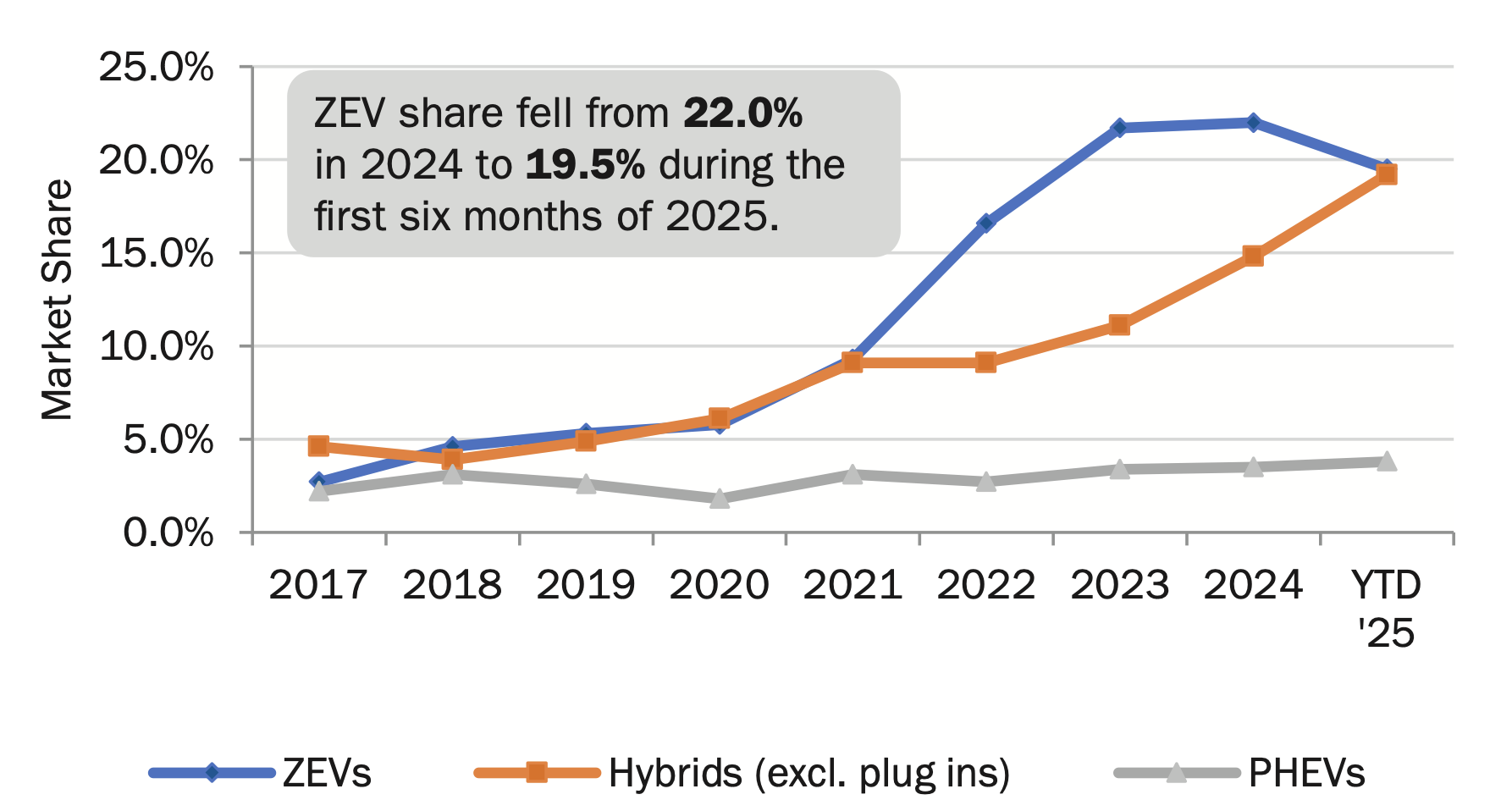
Drilling down to the latest numbers in the California autos report, hybrid vehicle registrations in the state increased 54 percent in the first half of this year and accounted for 19.2 percent of the market. ZEV(Zero Emission Vehicles) share in 2Q ‘25 fell to 8.2 percent, but is likely to increase in 3Q as consumers purchase vehicles before federal government incentives expire at the end of September.

Car dealer’s latest report says gasoline powered vehicles accounted for 55.3 percent of state new vehicleregistrations during the first six months of this year.

Internal Combustion Engine market share (including gasoline and diesel vehicles) was 57.5 so far this year,down from 61.7 percent in the first half of 2024 and 88.4 percent in 2018.Combined share for BEVs, PHEVs, hybrids,and fuel cell vehicles was 42.5 percent in the first half of 2025, up from just 11.6 percent in 2018.

Top selling vehicles in the first half year include Honda in small cars, Toyota Camry in the midsize category, Tesla Model Three in the near luxury category and Ford F series in full-size pick-ups. Tesla Model Y and Toyota RAV4 were top sellers.

Top sellers

Tesla as a brand year to date was down 18% in the state through the midyear compared to the same period in 2024. Buick registrations jumped 131% in the first half of the year- tops in the state. But Dodge fell the most – down 59%. Toyota by brand was the top performer in market share with 17.4% followed by Honda with 11% and Tesla with 8.8%.Toyota by brand was the top seller,followed by Honda with 11% and Tesla with 8.8%. Toyota was the most popular car in the used car market.

il

Valley jobless rates tick higher


Weakness in travel sector seen here

South Valley counties including Fresno, Kings, Tulare and Kern all reported higher jobless rates month over month and year over year in June 2025. California too reported the same trends as employers shed 6,100 jobs in June. California’s unemployment rate increased slightly to 5.4 percent according to the latest Employment Development Department (EDD) data that comes from two separate surveys. Ofcourse Valley counties reported double or nearly double this 5.4% jobless rate (the highest in the nation) but all jurisdictions are reporting a negative trend over time.

Economists are watching the US and California jobless rates for signs that the economy is either growing or shrinking. This latest snapshot of the Valley’s nonfarm economy is registering a slight downturn.

In the Valley there appears to be weakness in travel and leisure spending that impacts demand for hotels, resorts and entertainment sectors.

Drilling down, Kern County reported more farm jobs year over year in June but big declines in professional and business service, and a drop seen in manufacturing, mining as well as construction and leisure/hospitality services.

The unemployment rate in Kern County was 9.6 percent in June 2025, up from a revised 8.7 percent in May and above the year-ago estimate of 9.0 percent.

In Fresno County the unemployment rate was 8.5 percent in June 2025, up from a revised 7.8 percent in May 2025, and above the year-ago estimate of 7.8 percent. Fresno had a year over year increase in nonfarm employment – up 7800 jobs but 600 fewer farm jobs. Health and education jobs soared by 5200 and there were 2000 more local government jobs.Federal government jobs fell by 100.

Like the other Valley counties, Fresno reported a drop in the Leisure services /Hospitality sector – down 1300. Also we see a decline in professional and business services by 1000 jobs.

The unemployment rate in Kings County was 9.7 percent in June 2025, up from a revised 8.7 percent in May and above the year-ago estimate of 9.0 percent.

Again in this county there were losses in Leisure/Hospitality, down 300 year over year.There were 400 more farm jobs reported between June 2024 and June 2025.

In Tulare County, the unemployment rate was 10.7 percent in June 2025, up from a revised 9.9 percent in and above the year-ago estimate of 10.2 percent. The county shed jobs in manufacturing year over year, down by 500 as well as 200 fewer construction jobs. There were also 500 fewer Business and Professional service jobs nad 100 less in the hospitality sector.. On the plus side there were 2400 more farm jobs in June 2025 compared to June 2024.

One might figure the losses in the hospitality industry in the Central Valley might be due to a reported decline in travel both domestically and internationally but in California as a whole, the EDD reports that Leisure and Hospitality jobs statewide were up 4300 month over month and up 2700 year over year.

Also statewide, Private Education and Health Services (+9,900) posted a gain for the 41st consecutive month, a similar trend to that in the Valley

The largest gains were in Health Care and Social Assistance (+2,700). This includes jobs in continuing care retirement communities and assisted living facilities, and nursing and residential care facilities, partly attributed to California’s aging population.

Professional and Business Services (-9,900) posted the State’s largest month-over loss as jobs declined in administrative and support services and temporary employment services. Losses also occurred in accounting, tax preparation, bookkeeping and payroll services, and computer systems design.

This year California tourism is projected to see a slight decline, estimated at 0.7% in overall visitor volume but down in international travel numbers due to a strong US dollar and negative sentiment towards the US over trade issues.

There appears to be less domestic travel by air this year. LAX reported a 5% decline in domestic passenger traffic in May along with a 2.7% drop in international passengers.

One attachment
• Scanned by Gmail

Port of LA to expand exports through Central Valley

City of Shafter & The Wonderful Company sign deal


Wonderful Logistics Center Shafter
June 26, 2025 – The Port of Los Angeles has signed a Memorandum of Agreement with the City of Shafter, Calif. and The Wonderful Company to promote more efficient two-way trade connections with California’s Central Valley, with a focus on bringing more U.S. exports through the port and its terminals.

Central to the agreement is the Wonderful Logistics Center, a 3,400-acre, master-planned industrial development owned by The LA based Wonderful Company. Located strategically along the BNSF rail mainline in Shafter—a fast-growing economic area near Bakersfield—the logistics hub and container depot already serves multiple Fortune 100 companies, including Ross, Amazon, Target, Walmart, among others, and is uniquely positioned to support exports from the San Joaquin Valley and beyond. 

“Both The Wonderful Company and the City of Shafter have a well-planned vision for creating jobs and promoting economic growth in the Central Valley, and the Port of Los Angeles stands ready to help,” said Port of Los Angeles Executive Director Gene Seroka. “This agreement represents our commitment to support faster and more efficient service to and from the Central Valley right to our terminals and to markets across the world.” 

“Our partnership with the Port of Los Angeles marks a significant evolution in the supply chain, enhancing cargo velocity and enabling California’s farmers to become more competitive and agile in the global marketplace,” said Wonderful’s Vice President of Logistics Sepehr Matinifar. 

Specifics of the agreement include a pledge to promote sustainable and efficient two-way domestic and international trade connections between the Wonderful Logistics Center and the Port; conduct exporter outreach in the Central Valley; strategize on ways to develop mutually beneficial business opportunities; collaborate and educate supply chain stakeholders on the partnership benefits to the state and national economy; and share best practices on goods movement workforce training and development. 

The Wonderful Company will also be adding a new international rail terminal in Shafter, scheduled for completion in 2026. Serving importers and exporters with a dedicated shuttle train running between the San Pedro Bay port complex and Shafter, the rail terminal will increase efficiency and capacity, and deliver significant environmental benefits by reducing truck traffic and streamlining container movement. Nearby housing, job training and other community amenities are also planned to support the Center’s expansion.
Shafter City Manager Lance Lippincott hailed the plan. Lippincott is the former head of the Kings County EDC. 

Signing of the agreement supports recent efforts by the Port of Los Angeles to better leverage the surplus of empty containers at its terminals, and more efficiently position those for agricultural exporters.  The Wonderful Company is one of the largest agriculture, real estate, and consumer packaged goods companies in the U.S, and one of the largest owners and operators of farming and business properties in the Central Valley – major producers of tree nuts, citrus and pomegranates and wine. Company orchards cover 200 square miles of California’s Central Valley—a region that is home to 5,000 of their employees and their families.

A recent Bakersfield Californian newspaper article details Wonderful’s expansion plans around Shafter.
At the heart of the company’s proposal is a plan to expand its existing, 1,600-acre industrial park, which now employs an estimated 13,000 people. Its goal is to add 1,300 acres comprising 21 million square feet of warehouses.

Other Wonderful investments that are part of the distribution hub are designed to maximize efficiencies involved in moving products to and from ports in Southern California.

One that opened in January at a temporary site within the complex is a container depot allowing importers to drop off empty shipping containers for use by the region’s agricultural exporters. By Wonderful’s estimate, the operation cuts the number of miles trucks must travel by 42%.

A separate facility planned to open in the first quarter of next year is a rail-served inland port that will measure 134 acres. Its purpose is to receive containers, place them on a chassis and send them to a warehouse within the park, where it will be unloaded and returned to the rail facility.

Also connected to the existing BNSF Railway railroad will be a five-acre cold storage facility handling refrigerated shipments of meat and other goods from the Midwest. The project is allowed by right and won’t require the city council’s approval.

North of the industrial park, Wonderful proposes to develop up to 3,500 new single-family homes on 650 acres a mile east of downtown Shafter. The company said the homes, designed in consultation with community focus groups, will be affordable for the center’s workers but not government-subsidized.

Inventory of homes for sale builds in Tulare County, nationwide

Sales of existing homes are down 6% in the US West compared to a year earlier, says the National Association of Realtors. The nationwide combination of lower sales and higher inventory of homes on the market matches the local trend. The number of homes for sale is the highest in years in Tulare County according to the latest Tulare County Association of Realtors figures.The number of homes sold in May in the county is down 42% from a year earlier. As of May 2025 there were 700 homes on the market for sale. In May 2022 the county had an inventory of about 460 homes on the market. Inventory builds when sales slow. There were about 225 homes sold in the county in May compared to nearly 300 in May 2022. On a brighter note, May 2025 pending sales showed an uptick.

The number of homes sold in May in the county is down 42% from a year earlier.As of May 2025 there were 700 homes on the market for sale. In May 2022 the county had an inventory of about 460 homes on the market.

The California Association of Realtors (CAR) says existing single-family home sales statewide totaled 254,190 in May, down 5.1 percent from 267,710 in April and down 4.0 percent from 264,850 in May 2024. May’s statewide median home price was $900,170, down 1.1 percent from April and down 0.9 percent from $908,000 in May 2024.

Other key points from C.A.R.’s May 2025 resale housing report include at the regional level home sales in all but one major region in California recorded a sales decline in May as home purchase desire pulled back across the state. The Central Coast region experienced the biggest sales drop from last year with a decline of 8.4 percent, as three of its four counties recorded year-over-year losses. The San Francisco Bay Area followed closely behind with a drop of 8.2 percent, while sales in Southern California fell 7.6 percent and the Central Valley dipped 5.2 percent. The Far North region (0.5 percent) was the only region with a gain from last year, but the increase was essentially flat.

The CAR report says the median price of homes sold in Tulare County was $385,000 in May and sales were down 12% year over year. The slowdown in sales shows up in the time it takes to sell a home – rising to 23 days in May 2025 from 15 a year ago.

The trend in higher inventories nationwide is also seen in new home sales with 507,00 new homes on the market compared to approximately 300,000 in 2020 – before the pandemic. Figures are from the Census Bureau.The US new home inventory is 8% higher than a year ago. For-sale inventory in California’s largest metros averages 36% above a year earlier for April 2025, from data released by Zillow. Home builders are affected with 102,000 completed, unsold homes sitting on their builder lots- the highest level since 2009.

Home builders in Visalia have more than doubled the number of new homes they have permitted through June compared to the year before as multiple annexations have created an opportunity to build. So far this year Visalia has permitted 321sf new homes compared to 157 this time last year.Multi family construction is down 42%. Will home builders be rewarded or punished?

Lower prices coming?

Another report says “The number of homes for sale in the U.S. market has just passed the 1 million mark, according to data from Realtor.com and Reventure App, as inventory continues piling up in the market without finding enough willing buyers.Before the pandemic, in May 2019, there were 1,180,934 active listings on the U.S. market. During the pandemic home buying frenzy, spurred by historically low mortgage rates and the rise of remote work, U.S. housing inventory plunged to 447,670 in May 2021—a shortage that brought up prices for the few homes available on the market. Since then, inventory crawled back up slowly.Last month was the first May since 2019 when active listings were above the 1 million mark. At 1,036,101, however, they are still below pre-pandemic levels. This surge in the number of homes for sale is putting significant downward pressure on home prices, which some experts now expect to fall by the end of the year.”

Dollar Index down 12% this year

The WSJ Dollar Index has fallen about 1.6% this week, putting it on track to settle at its lowest level since 2023 says the newspaper.

It is trading at 97 today, down from 110 in mid January.

The Wall St Journal writes “The dollar hits a three-year low and faces further falls if President Trump selects a replacement for Federal Reserve Chair Jerome Powell early, MUFG Bank’s Lee Hardman says in a note. The Wall Street Journal reported that Trump was toying with this idea amid frustration over Powell’s careful approach to interest-rate cuts. An early replacement could be used to undermine the Fed’s policy making under Powell, providing a further potential trigger for a loss of investor confidence in the dollar, Hardman says. “A candidate who is perceived as being more open to lowering rates in line with Trump’s demands would reinforce the dollar’s current weakening trend.”

A falling dollar index means the US dollar is weakening against other major currencies. This can make US exports cheaper and more competitive globally, but it also increases the cost of imports and may drive inflation.

Investopedia writes that a “weak dollar refers to a downward price trend in the value of the U.S. dollar relative to other foreign currencies. The most commonly compared currency is the Euro, so if the Euro is rising in price compared to the dollar, the dollar is said to be weakening at that time. Essentially, a weak dollar means that a U.S. dollar can be exchanged for smaller amounts of foreign currency. The effect of this is that goods priced in U.S. dollars, as well as goods produced in non-US countries, become more expensive to U.S. consumers.

KEY TAKEAWAYS
A weak dollar means that the U.S. dollar’s value is declining compared to other currencies, most notably the euro.
A weak currency creates both positive and negative consequences.
The Fed usually employs a monetary policy to weaken the dollar when the economy struggles.

One analysis says “President Trump’s “Make America Great Again” (MAGA) agenda has often included protectionist trade policies, tariff impositions, and efforts to boost US manufacturing competitiveness – all of which can exert downward pressure on the US dollar.
During his first term, Trump repeatedly criticised a strong dollar, arguing it put American exporters at a disadvantage. His administration has hinted at direct intervention in currency markets and pushed for lower interest rates to keep the dollar subdued.
Well, direct intervention or not, it looks like the President is about to get his wish. The US dollar is flirting with its lowest levels in nearly two years, and my charts suggest it could go substantially lower. It’s a development that could carry sweeping ramifications – not just for the American economy – but for global markets as a whole.”