
-July 29,2021-
With most of the rangeland in the Valley dried up, cattlemen are facing “a massive herd liquidation”, says Overland Stockyard auctioneer Dustin Burkhart, based in Hanford. With “no grass from the Sierra to the ocean”, Burkhart says he knows multiple cattlemen who have completely sold off their herds while many others have shipped out 40 to 50% of their growing beef animals.
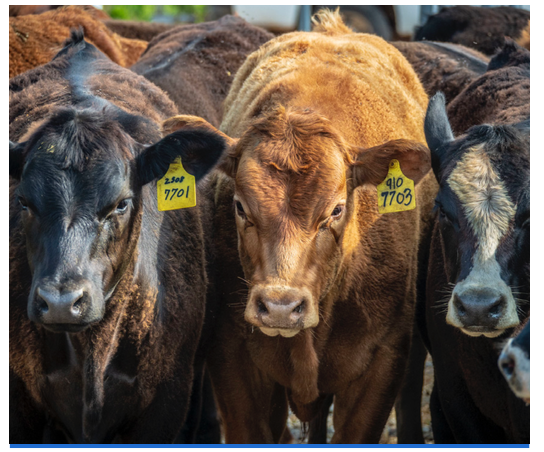
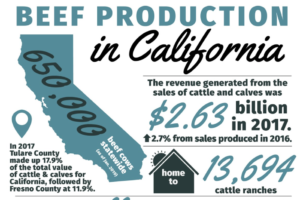 ”With no other option, cattlemen are forced to buy feed – taking supply away from the area’s dairy cows and pushing up corn and hay prices.“ figures Burkhart. “As the drought gets worse – the prices are just going to go higher, if you can get it.” He adds that “It’s a domino effect.”
Overland representative, Tyson Howze, says another factor raising hay prices is that more permanent crops have displaced Valley feed-corn and hay fields from year’s back, reducing local supply and driving up prices that affects dairy operations he works with.
The Hoyt Report says Western states had their lowest May 1 stocks since 2014. States with some of the largest declines include:Arizona: down 56% and California down 48%.
The average price of U.S. alfalfa hay in May jumped $7 per ton after rising $6 the previous month, according to USDA’s Agricultural Prices report. It was the sixth consecutive month that the alfalfa price posted a month-over-month gain. The average price for Supreme and Premium alfalfa hay increased by $15 per ton.
One press report says “This is probably the most serious drought California has seen in my existence,” said Steve Faria, corporate broker at Turlock Livestock Auction Yard in California’s Central Valley. “I’ve been marketing cattle going on 43 years, and I haven’t seen the issues that we’re seeing today.”
Alfalfa hay prices are at record levels at $230 per ton today according to USDA, compared to about $190 this time last year.
Not just here, extremely dry conditions across parts of the country are forcing many cattle producers to make hard culling decisions due to a lack of feed.
The Bakersfield newspaper reports that “Business has been good lately at the Western Stockman’s Market cattle auction in McFarland. Too good.
Local ranchers have brought in so many beef cattle since March that the number of sales this year is up between a quarter and a third. The manager there blames the drought.
“It wasn’t much of a grass year,” CEO Justin Mebane said.
Weather & Drought continues to impact crop production
More reports that California’s crops are being impacted by the weather this year. California Farm Bureau says avocados from California are smaller this year and the seasonal harvest is expected to be down by as much as 30 percent in total pounds.It is the result of low rainfall totals over the last few years. Another factor is Santa Ana winds that struck avocado-growing regions in January.
Meanwhile winter temperature swings damaged walnut groves, they report.Wild temperature swings last fall are believed to be the cause of widespread freeze damage in California’s walnut groves. In early November, temperatures dropped from 80 degrees to below freezing in several areas.
Indeed, it is not just summer temps that are affecting crop yields.A recent University of California assessment found that by the end of the century rising temperatures and related reduced winter chill hours will significantly impact key crops. By 2050, yields are projected to decline by 40 percent for avocados and 20 percent for almonds, table grapes, oranges and walnuts.
This week, press reports suggest a squeeze on tomato prices. “Get ready to pay more for tomatoes, as California growers reel from extreme weather.
Tomato sauce is feeling the squeeze and ketchup can’t catch up. California grows more than 90 percent of Americans’ canned tomatoes and a third of the world’s.”
Kings County acreage is down this year.Kings tomato grower Ernie Costamagna expects production will be down 15 to 20 % this year.”Most of that is related to water.”
If that isn’t enough, raisin growers are worried about smoke-filled skies delaying their harvest like it did last year.Wildfires in late summer in the Central Sierra are getting worse.
AR in January brought half this year’s Sierra snowpack
A single atmospheric river(AR) event in January 2021 provided about half of the snowpack for the year in the Friant service area above Fresno, says the water agency. The upper San Joaquin River is the source of the all important Friant Kern Canal. While we are concerned over the overall precip trends over the winter months, just a few storms,largely unpredictable, seem to make the difference in our water supply. Might as well roll the dice to predict Sierra runoff.

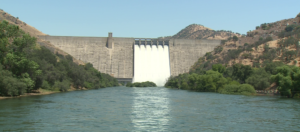 Haugen says Pine Flat Dam storage today is 379,000af compared to 758,00af this time last year. The reservoir holds up to million acre- feet.
 President Joseph Biden’s administration lifts 25 percent tariffs on wines, spirits and cheese, and European Union suspends 25 percent tariffs on Bourbon whiskey, Harley-Davidson motorcycles and Levi’s jeans, ending trade war
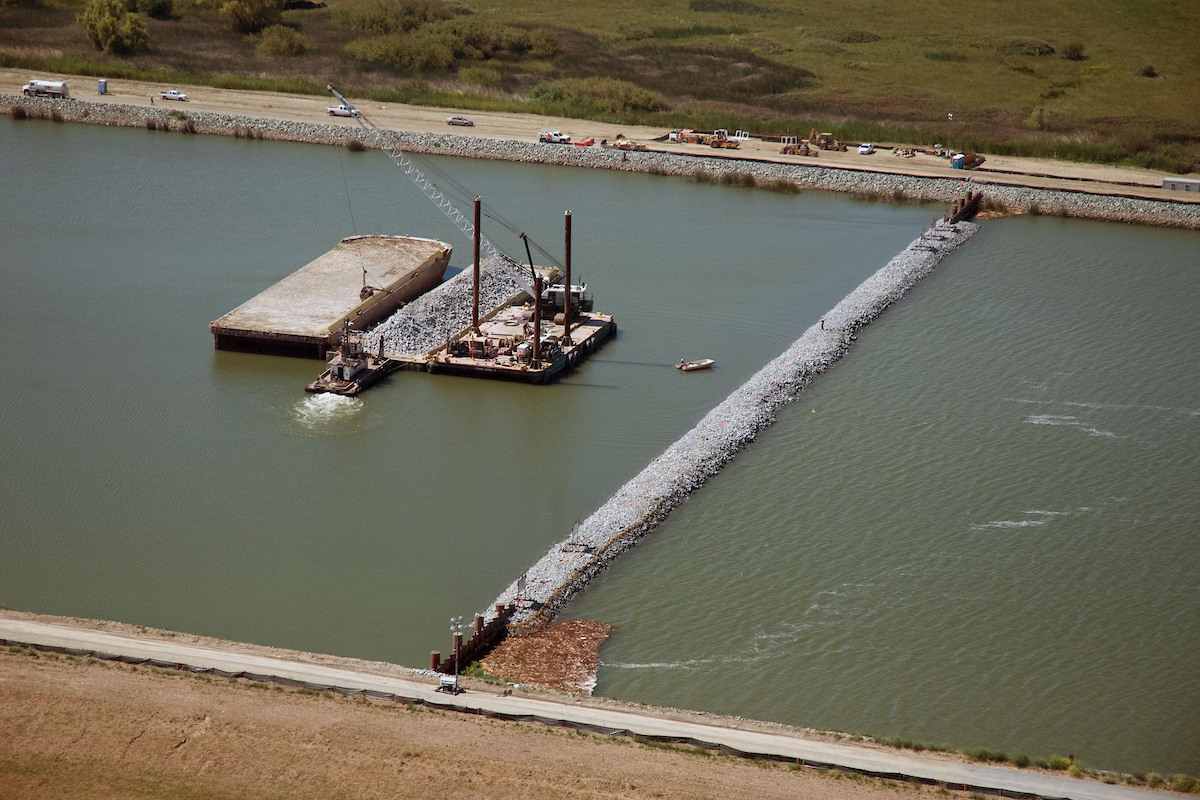

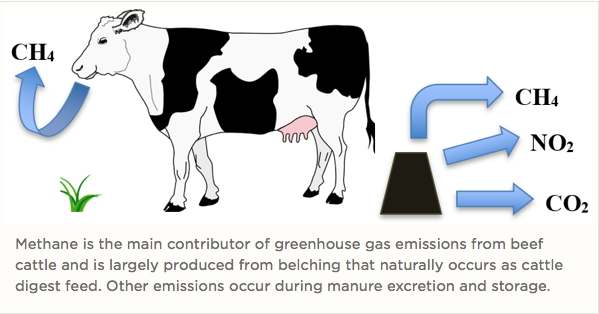 This past month Tulare County Board of Supervisors heard a report on progress in cutting dairy cow and cattle emissions that cause particulate pollution and generate greenhouse gases.
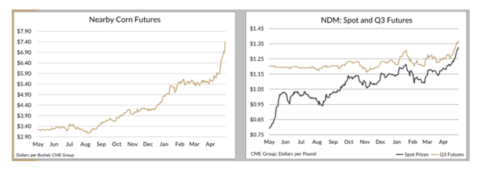

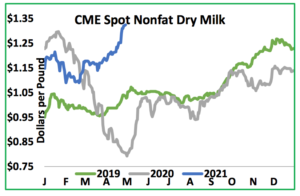 Dry milk powder price at 7-year high

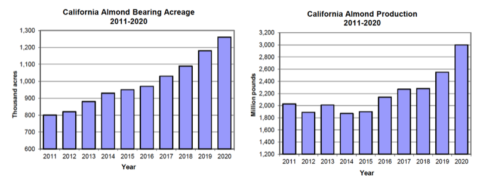 Despite the slippage in California’s overall export trade recently, the state’s tree nut exporters have seen positive results. Foreign shipments of almonds in the current crop year are at the highest level ever.
 A letter from Rob Vandenheuvel, Industry Relations official with California Dairies Inc, based in Visalia, calls out the federal program Farmers to Families Food Box program as well intentioned but fraught with unintended consequences for diary farmers.
 With customer electricity rates expected to see an annual average increase of 3.7% for PG&E customers and 3.5% for SCE customers California Cotton Grower president Roger Isom is calling on farmers to get off the grid. The proposed increase in cost is layered on top of increased rates since 2013 of 37% in PG&E and 6% in SCE he says. Isom states “Our electricity rates are already too high, and clearly non-competitive