
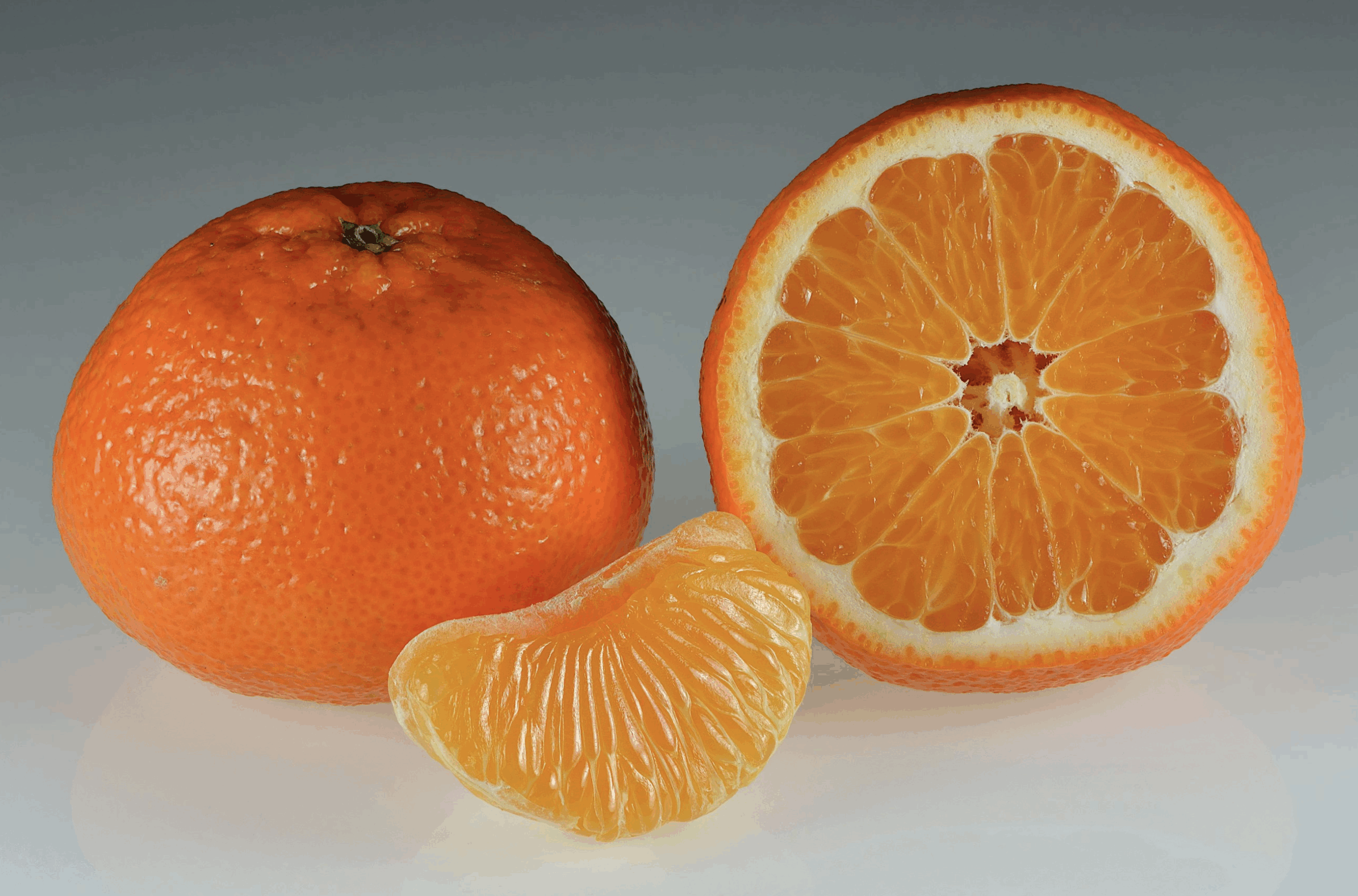
Central Valley growers are reaching for that sweet spot as production of the tangy mandarin citrus crop keeps climbing.
USDA has released its latest forecast for Tango and W Murcott Afourer Mandarin groves finding that this winter’s crop should reach 33 million 49-lb cartons compared to 29 million in 24/25 and 21 million cartons in 22/23.
These citrus varieties are not only sweet, but seedless in the case of Tango and easy-to-peel mandarin fruit that were developed by the University of California and planted by San Joaquin Valley gowers starting some 20 years ago. The small size fruit has a rich flavor, deep orange color, and a sweet-tart taste that makes it popular for snacking, juicing and school lunch boxes.
This year mandarin acreage has climbed from 31,000 acres in the year 23/24 to 33,000 acres in 24/25 to 35,000 in 25/26.
This year’s survey, done in July and August found that fruit set is down 24% this year although fruit diameter is up 1%. The yield this year is expected to be 943 cartons per acre compared to 879 last year and 677 cartons per acre in the year 23/24.
Look for the fruit at your grocer or farmer’s market from January through April.
More than a dozen varieties of mandarins have been planted in recent years besides these two varieties adding up to nearly 70,000 acres with the Clementine variety a widely planted mandarin and the subject of its own USDA report not out yet.
Besides seedless mandarins, Exeter-based Citrus Mutual is proposing a standard for seedless lemons that are likely to become popular in coming years.
Mandarins are a growth industry for citrus farmers who have maintained their navel orange acreage at about 109,00 acres for the past five years but shrinking from 141,000 acres in 2007/08. The latest USDA production report forecasts a navel crop of 80 million cartons, up slightly from the average for each of the past five years.
California citrus production has now far outpaced rival Florida with around 79% of the U.S. total while Florida accounts for 17%. Florida has suffered citrus greening disease, cold snaps and hurricane damage to their industry. While California produces fresh market oranges and lemons, Florida oranges are largely used to make juice. Florida’s citrus industry’s production has dropped 90% in the last 20 years.