
-August20,2019-
Big crop of California olives tests market
USDA reports this month that the 2019 California table olive forecast is 81,000 tons, up considerably from last year’s crop of 17,400 tons, according to a survey conducted by the USDA, National Agricultural Statistics Service, Pacific Regional Office. Bearing acreage is estimated at 16,000, which results in a yield of 5.06 tons per acre.
The Manzanillo production forecast is 75,000 tons, Sevillano production forecast is 5,500 tons, and other varieties are expected to total 500 tons.
Ample heat and water availability led to good fruit development. Some growers reported rain during bloom which negatively impacted their olive set.
Marketing remains a concern for California olives, with many growers uncertain how much of their crop will be economical to harvest.
Consolidation in wine sector
Two of the big boys in the California wine sector may merge. This Spring New York-based Constellation Brands announced a $1.7 billion agreement to sell around 30 lower-priced brands and facilities to E. & J. Gallo Winery.Wines the typically sell below $11 is the target in deal that requires regulatory approval.For growers it means less competition for their grapes.
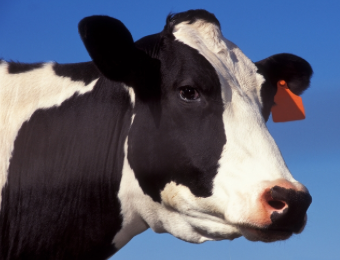
More milk – fewer cows
In 1950, there were 25 million dairy cows in the United States compared to 9 million dairy cows today producing 60% more milk.Diary supporters says the industry’s environmental footprint is smaller than imagined.
Beef is still ‘what’s for dinner’ and dinner is better
There has been a marked increase in the quality of beef production in this country say cattle & dairy representatives.That includes a 50 percent increase in prime and choice production over the past 15 years,. Some 80 percent of U.S. beef is now Prime and Choice.The industry report that beef has captured an additional 7 percent of market share of meat spending from poultry and pork.
Tyson selling meatless nuggets
Politico reports that meatpacker Tyson Foods will start selling nuggets made from pea protein this summer. The company also plans to launch a burger later this year made from a blend of beef and pea protein, under its new “Raised and Rooted” brand of plant-based meat alternatives.
Food package giant halts nonstick coatings
The company Chemours announced they would stop making some nonstick coatings used in food packaging concerned about their health effects.Three products with PFAS had been applied to paper food packaging to resist oil and grease.
Better times for dairymen
Milk Producers Council this past week reported “Inexpensive feed and $17 milk are incentivizing dairy producers to keep their barns full and to lift milk yields if they can.The CME spot markets stood strong once again this week. Spot Cheddar blocks rallied to a fresh 2019 high of $1.8925 per pound, a price not seen since November 2016.”
New wrinkle……Lots of prunes
USDA says the 2019 California dried plum (prune) crop is forecast at 110 thousand tons, up 38 percent from the previous 80 thousand tons forecast in 2018. Total 2019 bearing acreage is estimated at 44,000, unchanged from the previous year. The French prune variety accounts for virtually all dried plum acreage grown in California. Despite that good news growers don’t expect the crop to fetch a profit. The export market is tough in part because other countries can sell their prunes for less and the trade war did not help. US exports to Hong Kong and Germany were way down in the first quarter of the 2018-19.
“While the fruit looks good so far, growers are going to have to make some decisions come harvest time about how to field size the crop that they’ve got,” said Franz Niederholzer, Tree Crop Farm Advisor covering Colusa, Yuba and Sutter Counties. “It’s always been, the market’s not been very good for small to very-small fruit, but this year even medium fruit do not appear to have a lot of value.”
“It appears that if growers have a lot of small, medium sized fruit, they’re not going to get much if anything for that fruit and they’re going to have to pay for it to be harvested and hauled and dried,” said Niederholzer. “It’s a tough situation for growers this year, especially for growers who didn’t mechanically thin in the spring.”