-July 29,2019-
from the Energy Information Administration
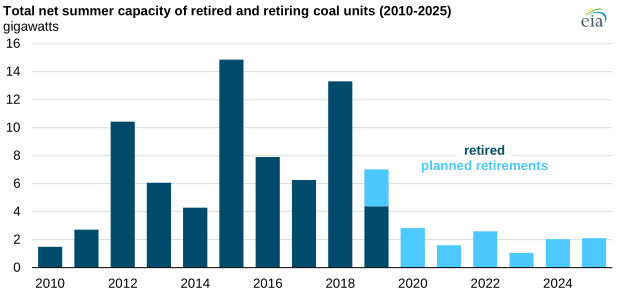
Between 2010 and the first quarter of 2019, U.S. power companies announced the retirement of more than 546 coal-fired power units, totaling about 102 gigawatts (GW) of generating capacity. Plant owners intend to retire another 17 GW of coal-fired capacity by 2025, according to the U.S. Energy Information Administration’s (EIA) Preliminary Monthly Electric Generator Inventory. After a coal unit retires, the power plant site goes through a complex, multi-year process that includes decommissioning, remediation, and redevelopment.
Coal-fired power plants in the United States remain under significant economic pressure. Many plant owners have retired their coal-fired units because of relatively flat electricity demand growth and increased competition from natural gas and renewables. In 2018, plant owners retired more than 13 GW of coal-fired generation capacity, which is the second-highest annual total for U.S. coal retirements in EIA’s dataset; the highest total for coal retirements, at 15 GW, occurred in 2015.
The annual number of retired U.S. coal units has declined since 2015, and the configuration of retired coal capacity has changed. Coal-fired units that retired after 2015 in the United States have generally been larger and younger than the units that retired before 2015. The U.S. coal units that retired in 2018 had an average capacity of 350 megawatts (MW) and an average age of 46 years, compared with an average capacity of 129 MW and average age of 56 years for the coal units that retired in 2015.
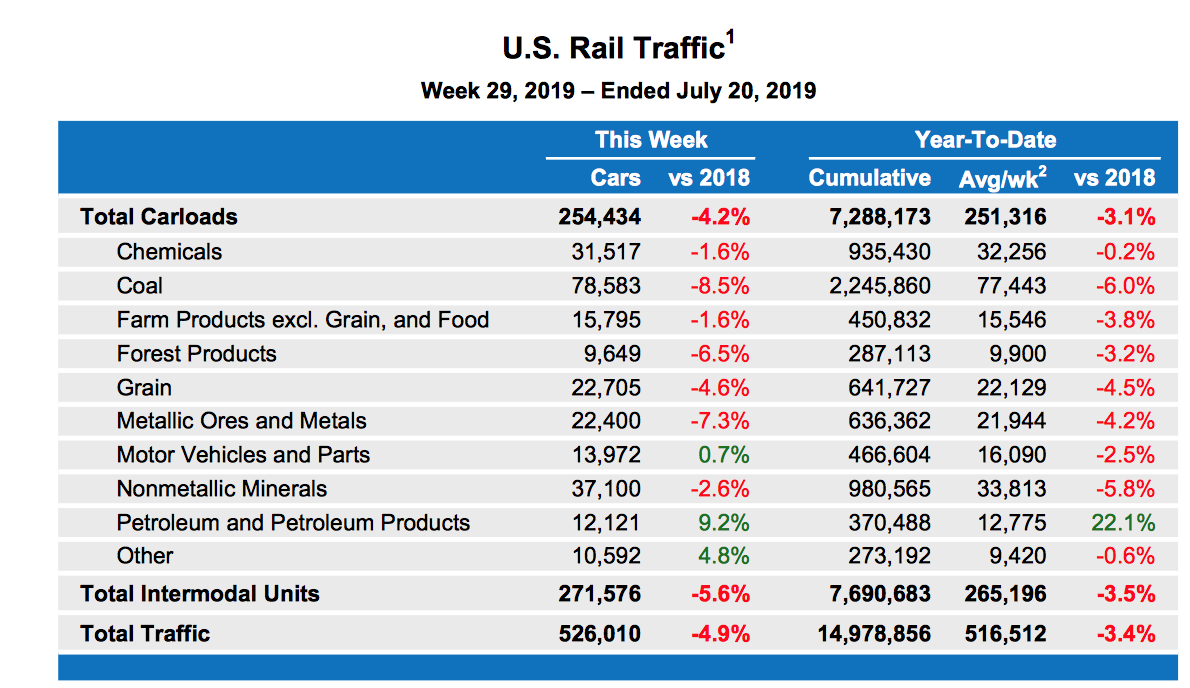
Rail shipments show coal’s decline