
Kings, Kaweah & Tule’s big spring runoff
Canal subsidence may slow water transfers
State’s reservoirs brimming
-March 6,2019-
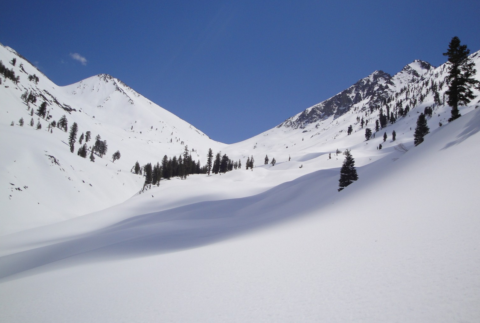
Snowpack in the upper Kings River watershed is 147% of April 1 average says KRWA watermaster Steve Haugen. “We are projecting April to July runoff to be in a range of 129% to 169%” he adds and “there’s is a lot left to the season.”
It looks like the best year since the giant water year of 2016/17 when the runoff was 220% of average on the Kings. Haugen spoke before Wednesday when another 5 inches was expected in the upper Sierra. Haugen predicts the 1.1million acre/ft Pine Flat Dam on the Kings will fill this year.
Downstream farmers are preparing.
Recharging groundwater has long been a priority of the Selma-based Consolidated Irrigation District, which serves farmers with water from the Kings.
During the wet winter of 2016-17, Consolidated ID manager Phil Desatoff said the district diverted an average 900 cubic feet per second or 1,800 acre-feet of floodwater per day for groundwater recharge, from January through September.
“That’s 408,000 acre-feet of water that we were putting in the system,” he said.
Consolidated Irrigation District formed the Central Kings Groundwater Sustainability Agency and intends to work with neighboring districts, as it prepares for the time groundwater extraction will be regulated in a few years.
Now districts are working with land owners to allow floodwater at times not just placed in basins but on famers growing grounds. But some believe this should happen in January and February, because that is considered the dormancy season for most crops. “With almond trees already blooming, often there is a greater risk of applying water on those crops.” says Helen Dahlke, a hydrology expert and professor with the University of California, Davis.
Filling Lake Kaweah 3X Over
On the Kaweah River,Victor Hernandez – River Operations Supervisor with the Kaweah Delta Water Conservation District says snowpack before this week’s storm stood at 130% of April 1 average and for this date it’s 155%. Snowpack at 6000ft Giant Forest is 183% of average for snow water equivalent and measured at 18.3 inches.The Giant Forest weather station has received more than 50 inches of precipitation this year, double what it had February 1.
Hernandez says “there is enough snow water stored in the watershed to fill Lake Kaweah three times over.”
The Corp and KDWCD adopted the strategy of early release to allow room for the coming snow meltdown starting weeks ago. Flood releases at the dam started January 28 and are still happening.
“We have released 68,000 acre feet already this year” stored downstream in a network of recharge basins the should help restore groundwater levels.
On the Tule River watermaster Dan Vink says the upper watershed is expected to yield 92,000acre/ft of April to July runoff with some 25,000 acre/ft in the reservoir already. Success Dam holds 82,000 acre ft with full capacity now allowed to be utilized by the Corp. Vink says he hopes downstream users can manage controlled releases from the dam and put the water to beneficial use.
This week the Lake Success widening project, raising the spillway, was estimated by the Corp to begin in July 2021 and last for two years, until July 2023. It will increase the capacity of the reservoir by 28,000 acre-feet, costing $74 million.
Shasta Dam near full
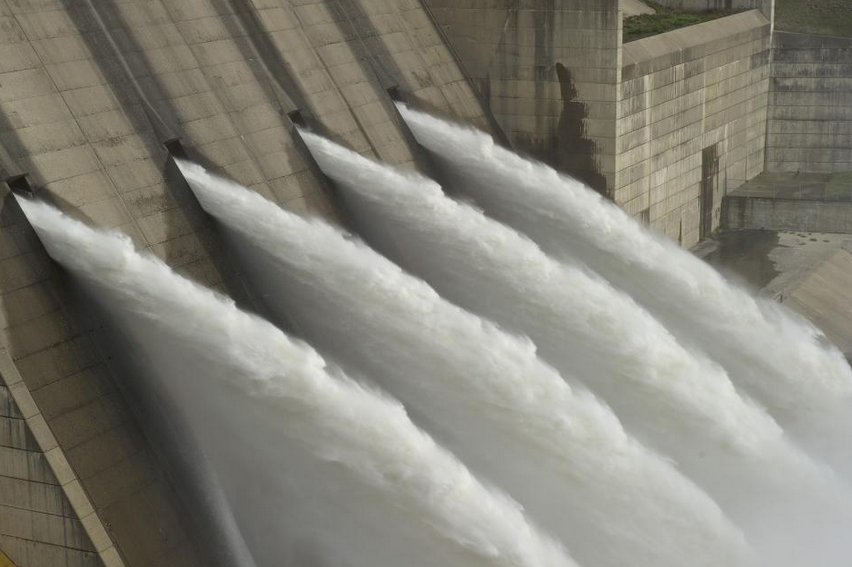 Across much the state this wet year has the reservoirs brimming. Shasta Dam is nearing its 4 million acre/ft capacity and is releasing as much as 50,000 cfs, or 374,000 a second into the swollen Sacramento River. The lake is higher than normal, and with more rainstorms in the forecast they need to make room in the lake for the additional runoff. Some flooding downstream is expected.
When it gets to the Delta, pumps have no reservoir to ship the extra water to since San Luis Reservoir near Los Banos is already full. For better or worse, it will head out to sea.
The Feds want to raise Shasta Dam but the plan faces opposition in the state from both environmental groups and Indian tribes. The Trump-supported project has a $1.3 billion price tag.
Floodwater on the San Joaquin
Eastside water contractors hope not to lose much water spilled down the San Joaquin River in the next two months but acknowledge there is too much to hold in Millerton Lake, above Friant Dam.
Dan Vink heads a south Valley contractor group of irrigation districts and expects the Bureau of Reclamation will have to release “several hundred thousand acre feet” of floodwater “hopefully in controlled fashion where it can be utilized later.
But Vink says they have a particular problem this year. Usually some of the floodwater would be released into the Friant Kern Canal and gravity fed down to Kern County to recharge basins. But the canal, due to subsidence, is operating at just 40% of capacity.
“The subsidence problem is really hitting home this year.”
A bottleneck stands the way
In wet years water districts utilize a network of conveyance systems to trade, transfer, sell and otherwise move water where it wont cause flooding. But this year “early water movement” (like right now) is particularly important because of the bottleneck on the canal in southern Tulare County. The gravity-fed canal is designed to drop 6 inches every mile but now water is hitting bridges as the canal has sunk. The culprit is over pumping of groundwater by farmers in drier times, the same farmers who also depend on there canal for surface water delivery.
A state plan to approve $400 million legislative fix to the Friant Kern would be too late for this year, obviously, and emergency plans to make repairs are not enough to help until later this year either.
Vink says he is not very optimistic that the legislative proposal just floated last week will pass muster and could suffer the same fate as the bond issue last November. Funding has to aimed at a broad number of users, “not just us” he says.