Your electric power costs keep climbing says Trump’s energy agency
Overall U.S. wholesale electricity prices are expected to continue rising next year, the US Energy Information Administration said in its latest short-term energy outlook, published this month. The agency forecast the load-weighted average of the 11 regional wholesale prices it tracks to be $47/MWh in 2025 — 23% higher than the 2024 average — and to reach $51/MWh in 2026, another 8.5% increase. Driving the rise in wholesale prices next year is primarily a projected 45% increase at the Electric Reliability Council of Texas-North pricing hub. “Natural gas prices tend to be the biggest determinant of power prices,” the EIA said. “But in 2026, the increase in power prices in ERCOT tends to reflect large hourly spikes in the summer months due to high demand combined with relatively low supply in this region.”
A solar/battery project looks to offset hefty electric bills at wastewater facility
Officials at the Rincon del Diablo Municipal Water District in the past week formally unveiled plans to build a solar canopy array and battery energy storage project at the Harmony Grove Village Water Reclamation Facility in Escondido Calif. The reclamation facility runs up a power bill of about $5,000 each month and the solar-plus-battery project will help offset the wastewater treatment center’s energy costs.The 302-kilowatt solar array with 559 panels atop a canopy will generate electricity to help run the treatment facility that recycles more than 180,000 gallons of wastewater on a daily basis.The solar-plus-battery project expects to break ground next month and is scheduled to be up and running by next summer. Clint Baze, the water district’s general manager, said the project will cost about $3.2 million, but a $1.2 million grant from the federal government’s Inflation Reduction Act will reduce the overall price tag.“After 20 years, it will pay for itself,” Baze said, given the anticipated savings on the treatment plant’s monthly electric bills.-San Diego Union
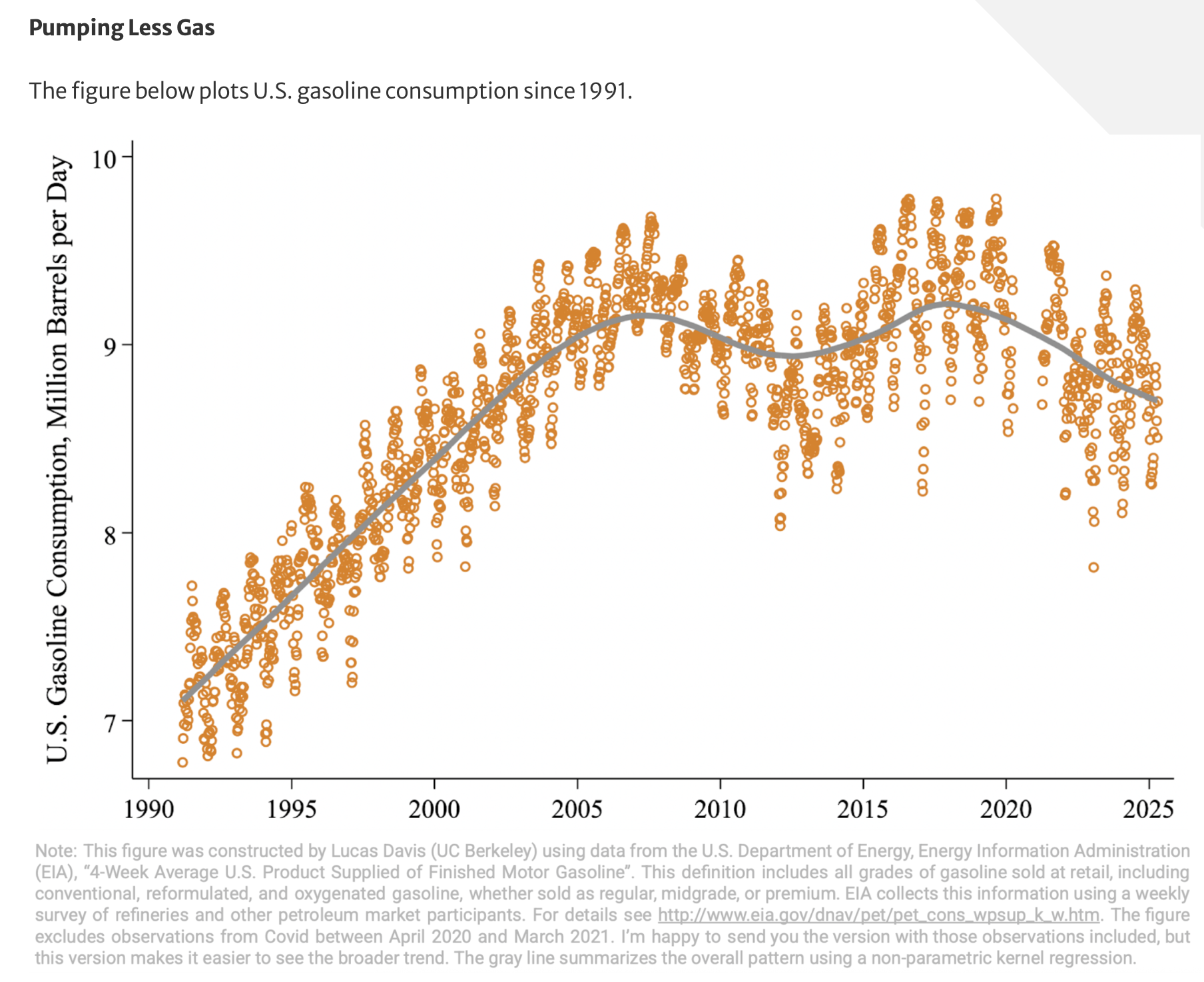
Is U.S. Gasoline Consumption Declining?
Electric vehicles and other factors are leading drivers to use less gasoline.
U.S. Gasoline consumption has increased steadily for decades. Between 1945 and 2007, there were 54 years with gasoline consumption increases, and only 9 years with gasoline consumption decreases. There really has been only one direction – up, and up, and up.
But that trend has changed recently. For today’s blog, I want to dig into the data on U.S. gasoline consumption. The U.S. population keeps growing, light trucks and SUVs are more popular than ever, and gasoline prices have mostly been below $4 per gallon. So you might have expected continued growth.
Yet for the last six years, U.S. gasoline consumption has trended downward. The overall decline is modest (about 5%), but stands in sharp contrast to previous decades, and is widespread across four-of-five U.S. regions.
It is always hard to know whether trends like this will continue, but it makes more sense to me now why refinery owners are cautious about the future, and why policymakers are scrambling to make up for lost gas tax revenues.-Energy Institute Blog
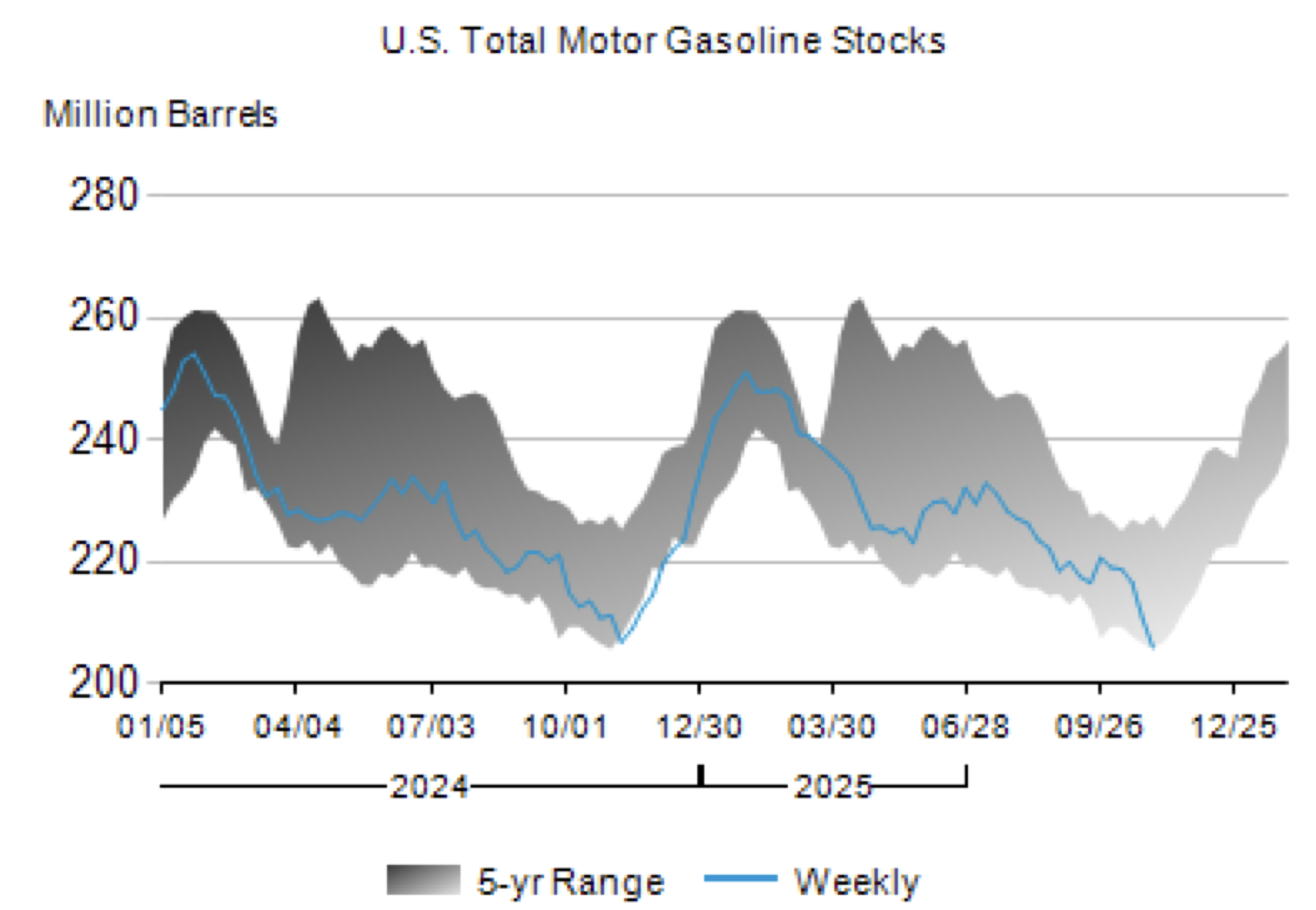
Why are the prices of gasoline up? Despite claims of lower prices at the pump, GasBuddy says as of November 10,2025 the “national average is down 4.0 cents from a month ago but is also 0.8 cents per gallon higher than a year ago.” While the price of crude oil may be down around $60 a barrel,US refiners are deciding to make less gasoline for the domestic market. Take a look at President Trump’s energy agency chart for the past two years showing a decline in supply – now at a two-year low.
Meanwhile,the national average price of diesel has increased 6.5 cents in the last week and stands at $3.73 per gallon compared to $3.51 a year ago according to the Energy Information Agency.That drives the cost of goods delivered by trucks and rail higher and it means more costs for farmers. “The national average price of gasoline edged higher last week, with the vast majority of states seeing prices climb,” said Patrick De Haan, head of petroleum analysis at GasBuddy. “Refinery issues in the Great Lakes and West Coast have kept prices elevated, and gasoline inventory data from the government showed another large weekly drop in supplies.”
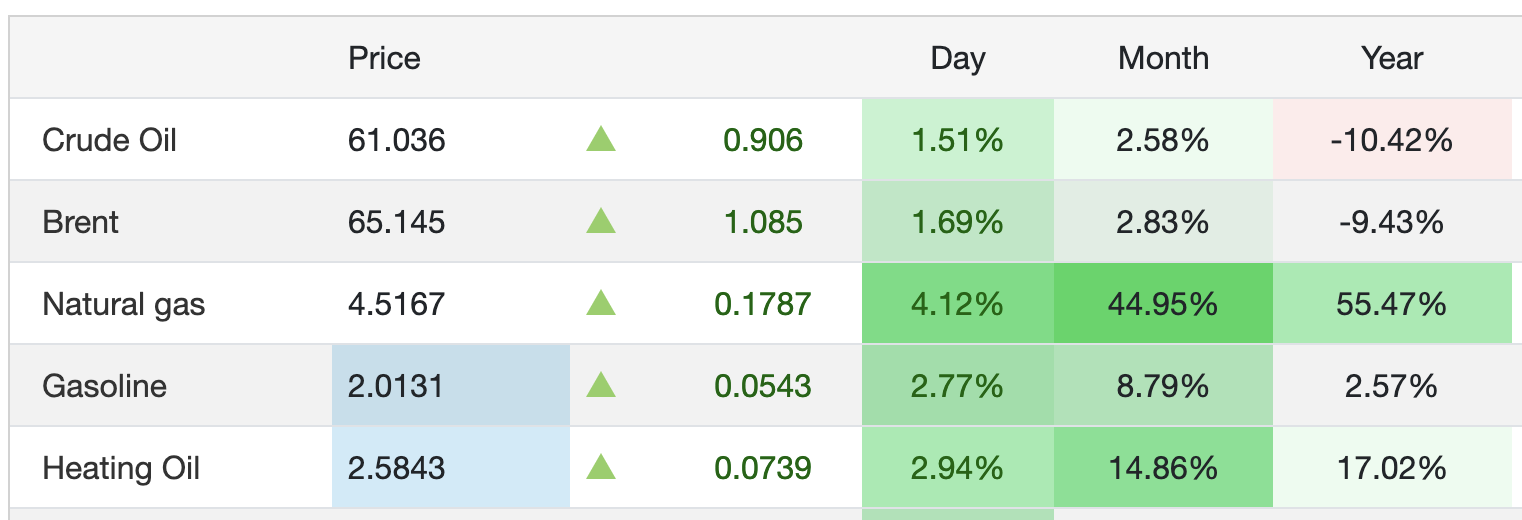
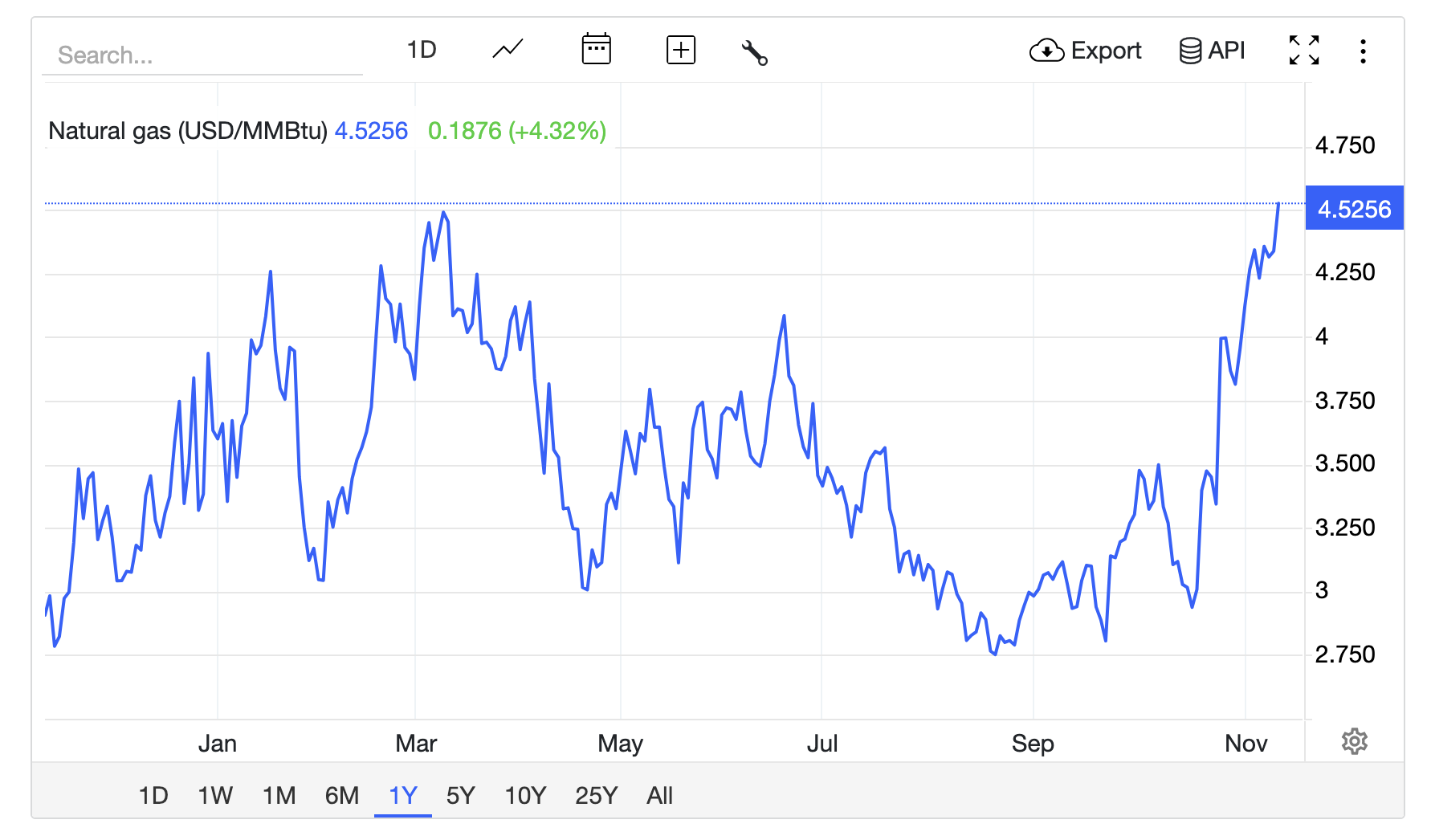
Trading Economics reports most fossil fuel prices are higher in 2025 compared to this time a year ago.( see chart) That includes gasoline, heating oil and notably natural gas now up 55.4%.
The fuel is used to heat homes and make electricity, helping to drive these common consumer expenses higher as well ! Natural gas prices are rising due to factors like strong export demand, especially from liquefied natural gas (LNG) facilities, and colder-than-average temperatures increasing heating needs. The U.S. Energy Information Administration (EIA) forecasts that the average Henry Hub spot price could reach $3.40-$3.90 per million British thermal units ((MMBtu)) in 2025 and 2026, up from a 2024 average of about (2.20/MMBtu). This trend is expected to lead to higher electricity rates for consumers.
A news report this week suggests a higher cost to heat your home this winter.”This week’s cold blast is setting the stage for winter, and experts say heating your home could cost more this year.“Everyone is saying prices are going up,” said Mark Wolfe, executive director of the National Energy Assistance Directors Association. “Nobody is saying prices are coming down.” Wolfe said rising costs for electricity and natural gas will make home heating more expensive for most families this winter. The National Energy Assistance Directors Association projects average home heating costs will rise 7.6%, from $907 last winter to about $976 this season. Families using electric heat will see the biggest jump — up 10.2% to about $1,205 — while natural gas costs are expected to rise from $639 to $693.”
Donald Trump, as everyone knows, hates wind power and loves coal. Both passions are deeply irrational. Yet they are shaping policy.
Trump is doing his best to kill wind power, going so far as to order work halted on a mostly completed wind farm off the coast of Rhode Island. (Orsted, the Danish company behind the project, has sued and gotten the stop-work order lifted.)
And the administration is trying to revive coal, opening federal land for mining, removing pollution limits and providing hundreds of millions of dollars in subsidies. But why?
Administration officials would have you believe that coal mining is an economically viable industry that has been sabotaged by liberals. On Monday Chris Wright, the energy secretary, declared — in a weirdly dated culture war cliché — that coal is “out of fashion with the chardonnay set in San Francisco, Boulder, Colo., and New York City.”
The truth, however, is that coal is a dying industry for very good reasons, and anti-wokeism is unlikely to revive it.
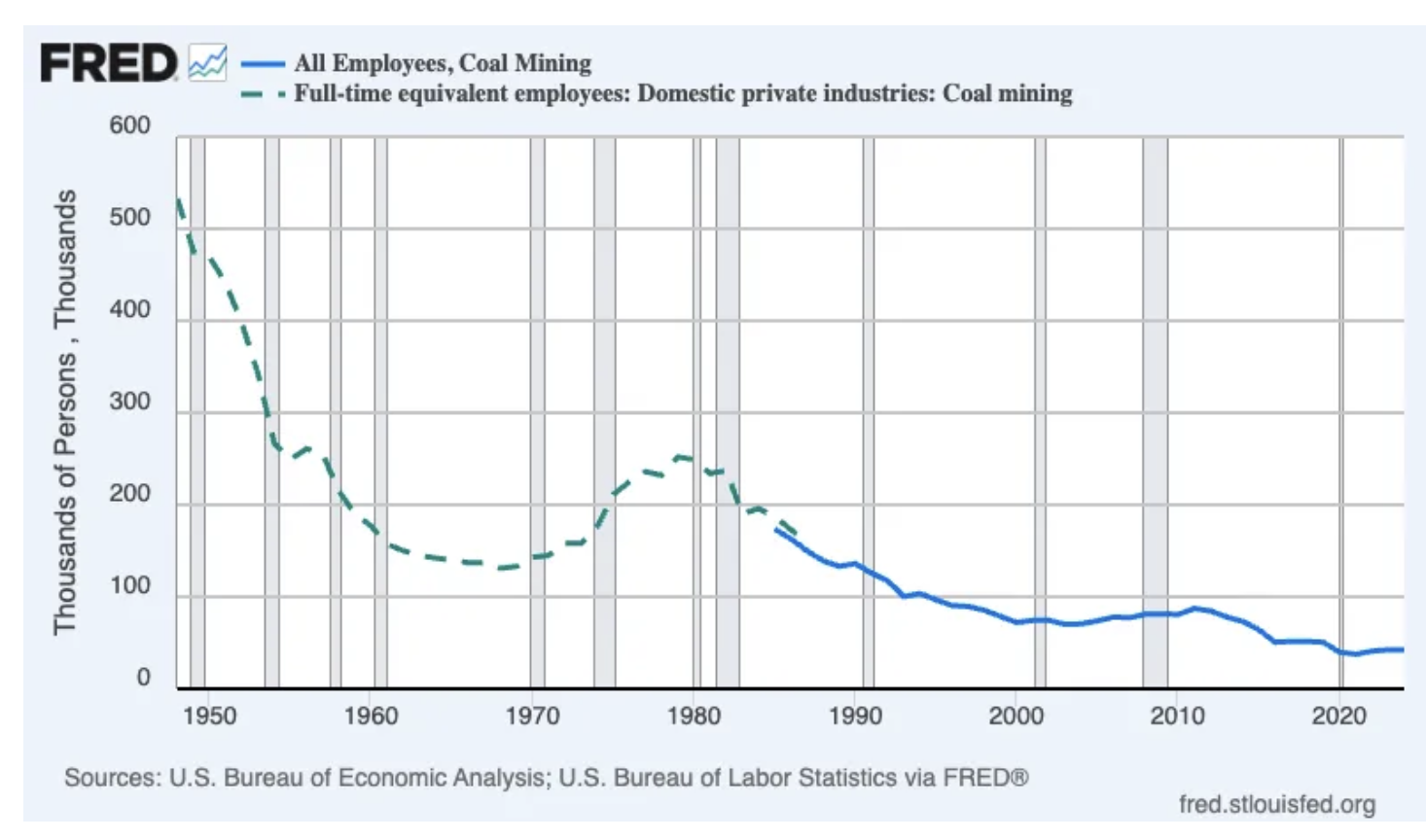
Coal stopped being a significant source of jobs decades ago:
At this point there are only around 40,000 coal miners left. In case you’re wondering, vineyards and wineries employ around 130,000 people, three times as many as the coal industry.
Where did all the coal jobs go? The answers may surprise you.
As you can see in the chart above, there was an epic decline in coal employment between 1950 and the 2000s, from half a million miners to around 80,000. But this employment decline didn’t reflect an economy turning away from coal. In fact, use of coal to generate electricity rose steadily over the whole period, peaking in 2008:
So what happened to all the coal jobs? Basically, workers were displaced first by giant power shovels (strip mining), then by explosives used to blow the tops off mountains, exposing the coal beneath. By using these techniques, in 2008 coal companies were able to produce twice as much coal as they did in 1950, while employing 80 percent fewer workers. Don’t blame renewables
Coal consumption finally did start declining after 2008. But if you look at the chart above, you can see that until recently coal was mainly replaced, not by renewable energy, but by natural gas — which became cheap and abundant thanks to the rise of fracking.
Solar and wind power have finally become important sources of energy in recent years. But the reason they have grown rapidly while coal has declined isn’t that the chardonnay set considers coal unfashionable. It’s the simple fact that coal is no longer cost-competitive, while wind and solar are.
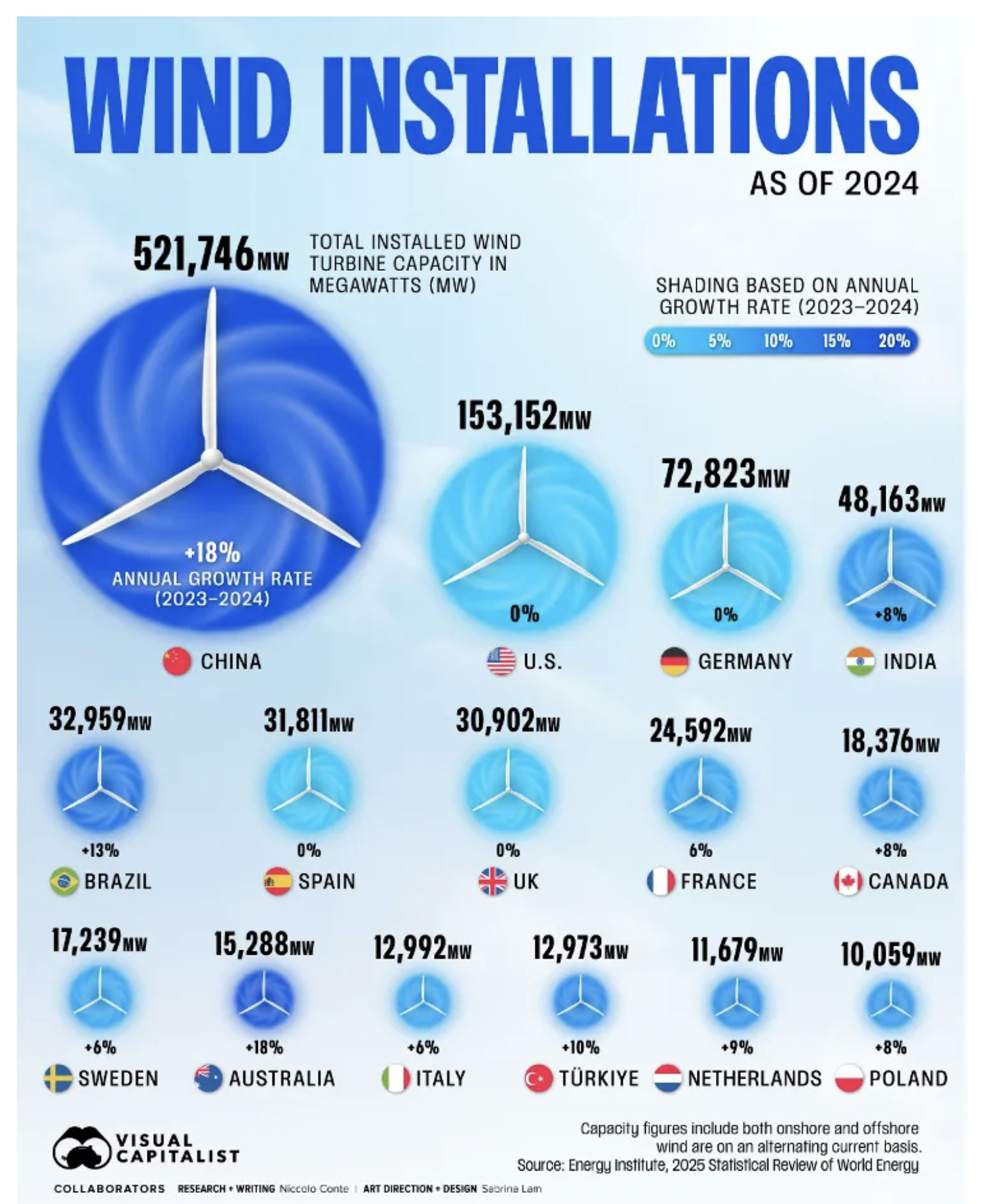
Needless to say, Trump and company aren’t going to acknowledge these facts. They may not even be aware of them. In his speech at the U.N. General Assembly, Trump declared that the Chinese sell a lot of wind turbines to the rest of the world, “but they barely use them.”
Chinese sell a lot of wind turbines to the rest of the world, “but they barely use them – Donald Trump Take a look at this chart and know the facts.
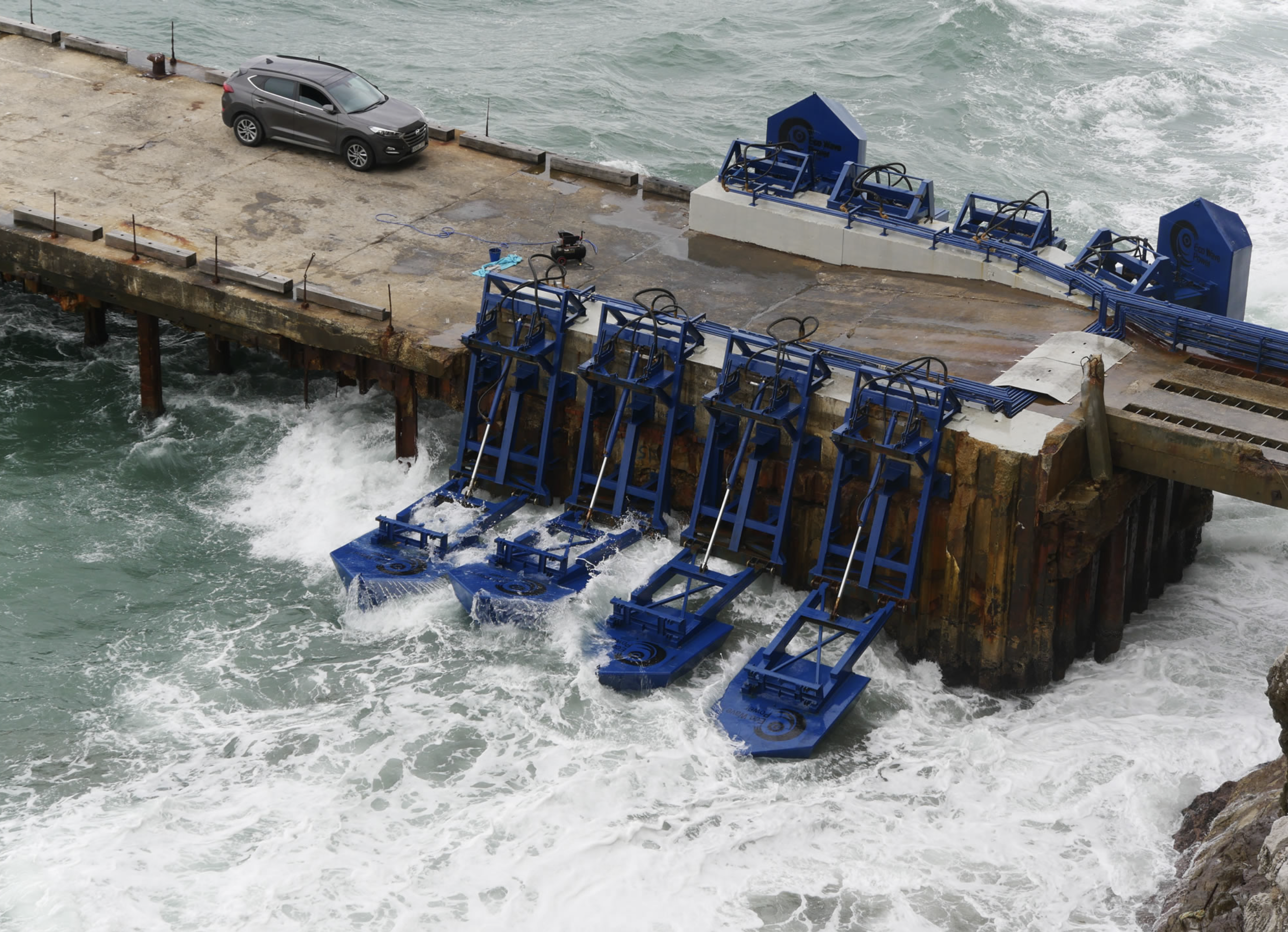
Historic Launch Showcases Scalable Technology, Supported by Government Initiatives and Strategic PartnershipsLos Angeles, California–(September 10, 2025) – Eco Wave Power (NASDAQ: WAVE), a global leader in onshore wave energy technology, has achieved a major breakthrough for renewable energy in the United States: the successful launch of its first U.S. wave energy project at the Port of Los Angeles, developed in collaboration with AltaSea and Shell Marine Renewable Energy (MRE).This historic project marks the first onshore wave energy installation in the U.S., showcasing Eco Wave Power’s patented, award-winning technology and setting the stage for large-scale wave energy deployment along America’s coastlines and worldwide.The demonstration site features floaters, which capture the motion of ocean waves to generate renewable electricity – proving the technology’s potential to deliver reliable and clean power. While still in demonstration mode, this project provides a key foundation for commercial-scale operations, positioning Eco Wave Power as the frontrunner in the emerging U.S. wave energy sector.The launch comes at a pivotal time for California, aligning with the state’s bold climate policies and Senate Bill 605, which calls for the creation of a comprehensive wave energy roadmap. Federal support is also growing, led by Congresswoman Nanette Díaz Barragán, who recently introduced the Marine Energy Technologies Acceleration Act, a $1 billion initiative to scale marine energy across the nation.Giving opening remarks, Congresswoman Nanette Díaz Barragán stated:“Eco Wave Power made history by deploying its innovative wave energy technology into U.S. waters for the very first time. This milestone shows incredible potential for wave energy to power our communities with clean, renewable electricity, while creating jobs and protecting our environment. I am proud to support Eco Wave Power and to lead the Marine Energy Technologies Acceleration Act in Congress, so we can accelerate wave energy development across the country. Congratulations to Eco Wave Power on this groundbreaking achievement!”Inna Braverman, Founder and CEO of Eco Wave Power, emphasized the importance of this moment:“California has been a pioneer for climate policy, and we are proud to see wave energy included in Senate Bill 605, calling for a full roadmap for wave energy in California. At the federal level, we applaud the leadership of Congresswoman Barragán for introducing the Marine Energy Technologies Acceleration Act, a $1 billion initiative to scale marine energy nationwide. This project shows that with the right policy, we can turn innovation into reality. And we’re just getting started.Today, I’m excited to announce that our next projects are already being prepared in Taiwan, India, and Portugal. Wave energy has enormous potential – it is predictable, reliable, and available right here on our coastlines. With projects like this, we are proving that wave energy is not just the future – it is here, now. So, let’s celebrate this milestone together. Because today, we are not just cutting a ribbon – we are opening the door to a new era of clean energy for California and for the world.”Terry Tamminen, President and CEO of AltaSea said: “AltaSea is a blue economy. We support researchers that are creating intellectual property, like Eco Wave Power, to make sure that they can scale up these technologies and make them practical and successful all over the world. Eco Wave Power is one of those exciting technologies that is ready to scale. It’s already around the world, and it’s only going to get bigger because it has solved many of the problems that other technologies has come up against, for harnessing something as challenging as wave energy. It takes a real clever technology, and I want to say genius, to be able to figure this out.”Michael J. Galvin, Director of Waterfront and Commercial Real Estate at the Port of Los Angeles, emphasized the local significance:“The San Pedro Bay Port Complex has big goals to get to zero emissions in the next decade. We can only do this with significantly scaled-up local energy generation. Projects like this are super important to get us there. We can’t do it without localized energy sources, and this project provides us the ability to get there – to make this port the cleanest it can be. That’s a critical component of the port’s goals over the next decade.We really applaud AltaSea, and we applaud Eco Wave Power’s adaptive reuse of a very old port structure that is not used for anything else and now will be used to demonstrate how energy can be generated out of the ocean. We are really happy to be using the power of the ocean to continue the efforts here and bring the technologies and solutions that we need at the Port of Los Angeles to get to zero emissions in our port complex.”Laura Richardson, Member of the Senate, 35th District, California State Legislature, presented a certificate of recognition to Inna Braverman, stating:“In honor of your Grand Opening Ceremony at AltaSea and in recognition of achieving the first wave power station in the United States, we celebrate your commitment to energy innovation and wish you continued growth and success.”Tim McOsker, Council Member, 15th District, also presented Eco Wave Power with a certificate, noting:“On behalf of the City of Los Angeles and the One-Five, congratulations on the grand opening of your first wave power station in the United States! This is a remarkable milestone – not just for your team, but for the future of clean energy. As you expand your groundbreaking technology across the globe, we look forward to seeing the powerful impact you will continue to make in shaping a brighter, greener future.”The event drew a global audience, with Eco Wave Power’s partners traveling from Taiwan, Africa, and other parts of the world, underscoring the international momentum for wave energy development.Sandra Lee, speaking on behalf of CY Huang, Chairman of I-Ke, shared details of Eco Wave Power’s upcoming project in Taiwan:“Taiwan offers a unique combination: a strong wave climate, a sophisticated marine and power-electronics manufacturing base, and one of Asia’s most ambitious net-zero policy commitments by 2050. This makes it an ideal environment for wave energy commercialization. That is why I-KE has completed a detailed feasibility study and is now preparing to launch a pilot at Suao Port, with a roadmap to grow to 400 MW in the near future.Wave energy also provides reliable, local, and sustainable power for energy-intensive industries, such as data centers, supporting the growing demand for cloud computing and AI-driven services. Just as the LA pilot turns that port into a living laboratory, Suao will become a blueprint for replication across Taiwan’s working harbors – and eventually across the region. From Los Angeles to Suao, we share the same mission: turning the energy of the ocean into dependable, scalable, and bankable power. We look forward to welcoming the EWP team to Taiwan and celebrating the commissioning of our pilot as the next step toward large-scale deployment.”Wilfred Emmanuel, CEO of Africa Great Future Development, highlighted Africa’s growing role:“Africa faces critical energy challenges. In South Africa alone, over 80% of electricity is still generated from coal-fired power plants, and communities and industries continue to experience power shortages. At the same time, our continent has tremendous untapped renewable resources. With more than 2,800 kilometers of coastline, South Africa has enormous wave energy potential to diversify the energy mix, reduce reliance on fossil fuels, and provide sustainable, reliable electricity to underserved communities and industries.That is why Africa Great Future Development is proud to partner with Eco Wave Power to conduct a feasibility study for a potential wave energy power station at the Port of Ngqura in the Eastern Cape Province. The port’s deep-water infrastructure and exposure to strong ocean waves make it an ideal location to demonstrate the value of wave energy on the African continent.To promote this vision, we have plans to expand to other ports in South Africa, and a new location in Kenya is already at an advanced stage. Our collaboration with Eco Wave Power is focused on delivering long-term, practical impact. Wave energy can play a transformative role in Africa’s renewable energy future – supporting economic growth, sustainability, and energy security. Together, we are taking the first steps toward a project that could bring measurable benefits to communities, industries, and the broader energy system.The global expansion of Eco Wave Power – from Israel to the United States, Portugal, Taiwan, and India – demonstrates that wave energy is ready to move from pilot projects to real-world solutions. Africa is next, and we are proud to be part of this journey.”The launch generated national media attention, with coverage from Good Morning America, CNN, the Los Angeles Times, and the Associated Press, all highlighting the significance of U.S.-based wave energy deployment and its potential to contribute to California’s clean energy goals.About Eco Wave Power Global AB (publ)Eco Wave Power (NASDAQ: WAVE) is a pioneering onshore wave energy company transforming ocean and sea waves into clean, cost-efficient electricity using its patented and intelligent technology.With a strong commitment to addressing climate change, the company developed and operates Israel’s first grid-connected wave energy power station-recognized as a “Pioneering Technology” by the Israeli Ministry of Energy and co-funded by EDF Renewables IL.Eco Wave Power is actively expanding its global footprint, with upcoming projects planned in the Port of Los Angeles, Portugal, Taiwan, and India-contributing to a growing project pipeline of 404.7 MW.The company has earned support and recognition from leading international organizations, including the European Union Regional Development Fund, Innovate UK, and the Horizon 2020 program, and is a proud recipient of the United Nations Global Climate Action Award.Eco Wave Power’s American Depositary Shares are listed on the Nasdaq Capital Market under the symbol “WAVE.” For more information, please visit www.ecowavepower.com.
Nuclear generation is expensive and slow to develop. Claims that past failures won’t recur have convinced politicians to socialize investments rejected by private capital markets.
Published Sept. 5, 2025
Opinion by By Amory B. Lovins
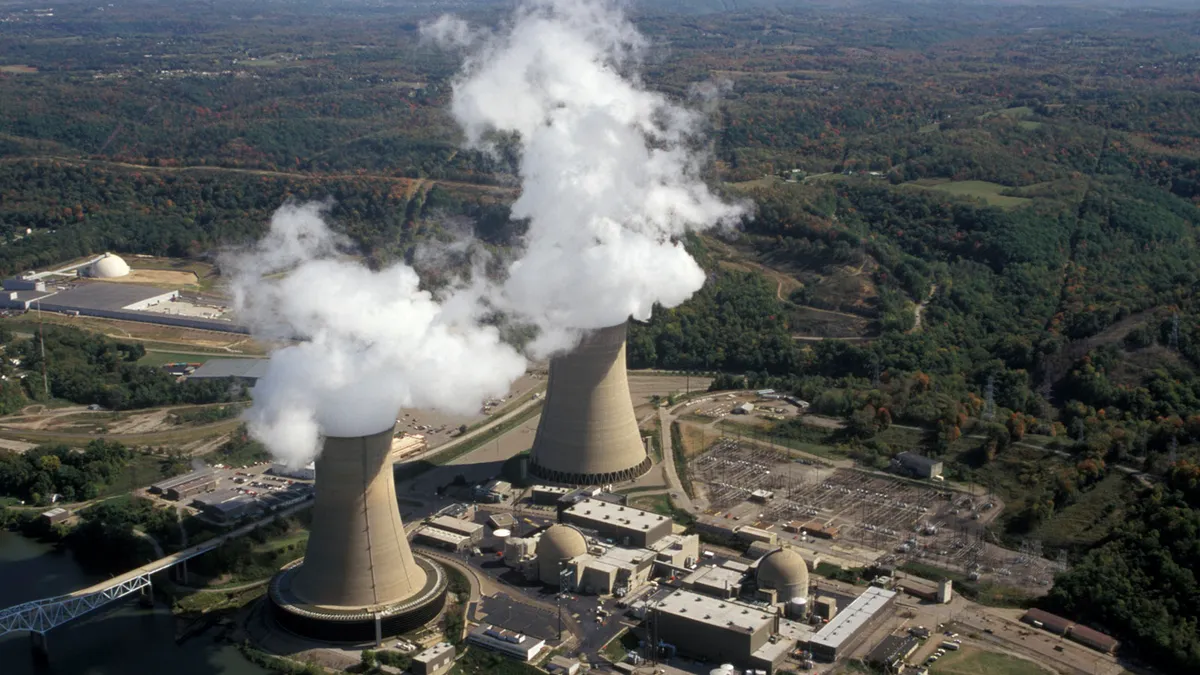
“Beaver Valley Nuclear Power Plant”. Retrieved from Wikipedia.
Amory Lovins teaches engineering at Stanford, and is cofounder and chairman emeritus of RMI.
An intensive influence campaign seeks to resurrect a “nuclear renaissance” from the industry’s slow-motion collapse documented in the independent annual World Nuclear Industry Status Report. Claims that past failures won’t recur have convinced many politicians that socializing nuclear investments rejected by private capital markets, weakening or bypassing rigorous safety regulation, suppressing market competition, and commanding military reactor and data-center projects as a national-security imperative will restore nuclear expansion and transform the economy.
This illusion neatly fits the industry’s business-model shift from selling products to harvesting subsidies.
A few awkward facts intrude. Even the most skilled firms and nations keep delivering big reactors with several times the promised cost and construction time. A swarm of startup firms that have never built a reactor are dubiously rebranding their inexperience as a winning advantage. New designs are said to be so safe they don’t need normal precautions (though not safe enough to waive nuclear energy’s unique exemption from accident liability). Political interference in nuclear licensing is eroding public confidence. Proposed smaller reactors cost more per kWh, produce more nuclear waste per kWh, and often need more-concentrated fuel directly usable for nuclear weapons.
And nuclear power faces the same fundamental challenges as fossil fuels: uncompetitive costs, runaway competitors, dwindling profits, and uncertain demand. Few if any vendors have made profits selling reactors — only fueling and fixing them. Nuclear electricity loses in open auctions, so only Congressional bailouts — $27 billion ($15 billion paid out) in 2005, $133 billion in 2021-22, tens of billions more in 2025 — saved most existing U.S. reactors from closure.
Now comes another vision: powering the glorious new world of artificial intelligence. This may be a trillion-dollar bubble, but it’s sellable until market realities intervene. The International Energy Agency expects data centers, mostly non-AI, to cause only a tenth of global electricity demand growth to 2030, doubling their share of usage — to just 3%. So AI won’t eat the grid. But IEA forecasts renewables will power data-center growth10-20 times over, while Bloomberg NEF predicts over 100. Nuclear lost the race to power the grid, so new reactors have no business case or operational need.
Keep up with the story. Subscribe to the Utility Dive free daily newsletterEmail:Sign up
Each year, nuclear adds as much net global capacity as renewables add every two days. Soaring renewables generate three times more global electricity than stagnant nuclear power, whose 9% world and 18% U.S. shares keep shrinking. In 2023-24, China added 197 times more solar and wind than nuclear capacity, at half the cost. In May, China added 93 GW of solar, or 3 GW per day.
Despite having turned nuclear power into a minor distraction, renewables are dismissed as “intermittent.” Again, facts intrude.
Military and industrial installations already prefer 100% renewables for their most critical applications, including Apple’s data centers in four states. Ten kinds of carbon-free resources can balance variable (but highly predictable) renewables, keeping the grid stable. Using a small subset, power systems with modest or no hydropower already sustain such annual renewable fractions of electricity use as Denmark 88+%, South Australia 74% (expecting 100% in two years), and Germany 54%.
And since a nuclear kWh costs several to many times more than a renewable or saved kWh — even more if nuclear load-follows to “complement” rather than curtail renewables — nuclear displaces less fossil fuel per dollar (or year), making climate change worse.
Nonetheless, nuclear power is being boosted by fierce lobbying and federal policy as essential for new AI data centers vital for prosperity and security. This case can’t withstand scrutiny. My essay “Artificial Intelligence Meets Natural Stupidity: Managing the Risks” shows:
Data centers use about 4.5-5% of U.S. and 1.5% of world electricity, and lately caused only about 5% of world electricity demand growth. Of all data-center electricity, about one-fourth in the U.S. or one-ninth globally is for AI, the rest for traditional uses.
Claims of soaring AI electricity use are projections, not realities, except in a few “hot spots” like two Virginia counties. In 2023, AI added roughly 0.04% to world and 0.1% to U.S. electricity use.
Most proposed AI data centers are speculative and unlikely to get built; many built won’t thrive. Major power-supply investments risk getting stranded.
Demand for AI services is enormously uncertain. So is their business case: AI’s proven value in narrowly specialized technical applications looks too small to repay its immense investments. Many general users don’t need or want to pay for AI.
Big Tech firms rarely sign specific nuclear power purchase agreements. Much of the hype is about vague statements of interest in buying electricity timely at an attractive price, or modest, symbolic investments. Big Tech rightly prefers renewables as faster, surer and cheaper.
The efficiency of turning electricity into AI services roughly quadruples each year, so a new data center must roughly quadruple its sales of AI services each year for decades to keep using and paying for the same amount of electricity — a tall order.
This spring, innovators showed how operating AI data centers slightly more flexibly without compromising service can power at least the next decade of U.S. AI growth with no new generators, stranding more electricity and gas investments.
The coal industry’s 1999 campaign to create panic that the Internet would falter without huge power expansions misled investors, worsening a 2000-02 bloodbath when hundreds of new power plants weren’t needed. Today’s trends, pushing an AI case for unsellable and too-late nuclear and gas projects, rhyme with that disaster.
The latest risk to the AI/nuclear case came into focus in Sparks, Nevada, in June, when Redwood Energy (a new activity of dominant battery-recycler Redwood Materials) revealed North America’s largest microgrid.
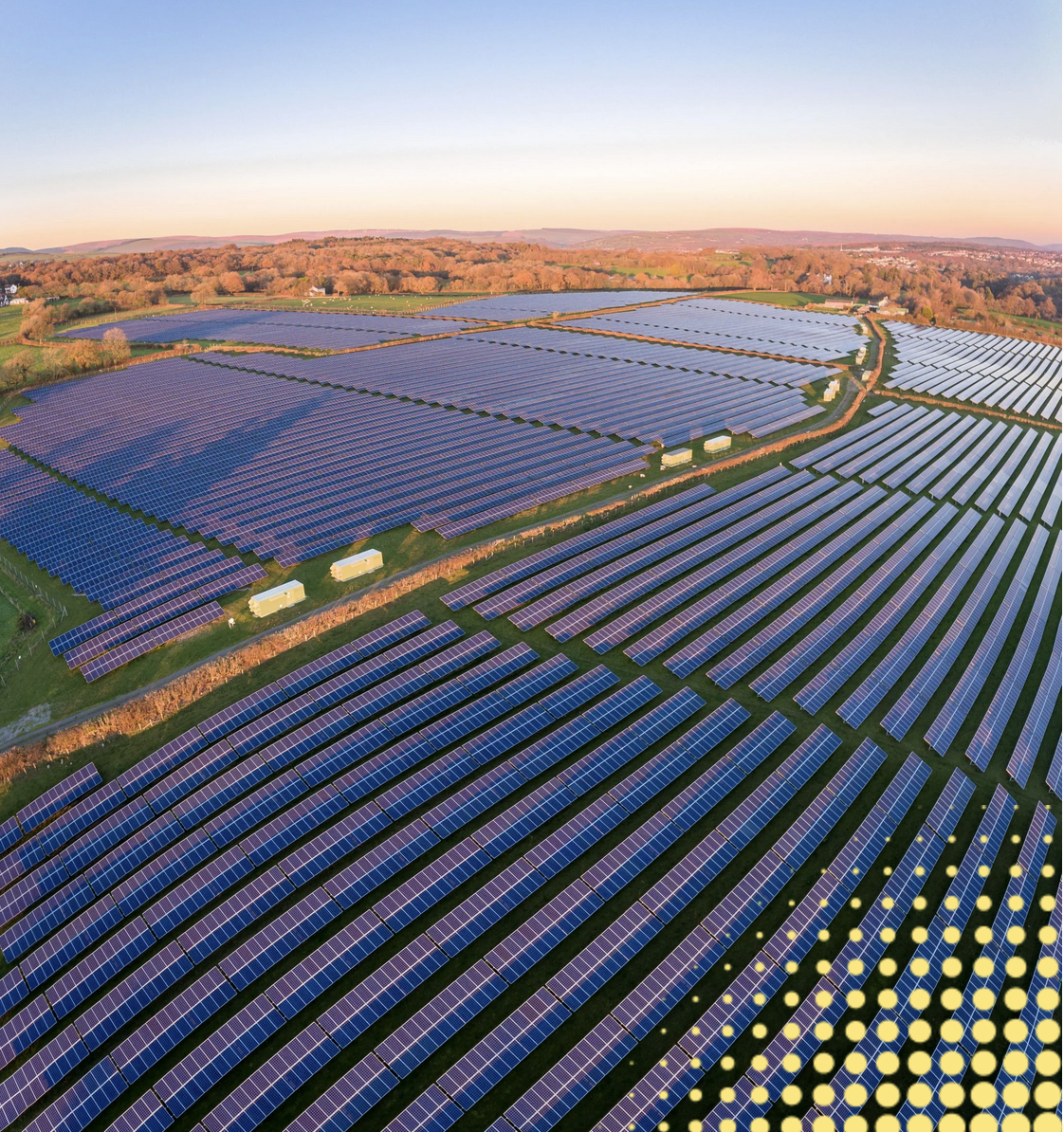
Twenty MW-DC of photovoltaics are laid flat on level ground. Water-recovering Roomba-like crawlers clean them nightly. About 800 battery packs from retired or crashed cars — the world’s largest use of second-life batteries — are wrapped in white plastic and set on cinderblocks, safely separated. They’re good for another few years, then hot-swappable. Novel power electronics and software meld those diverse batteries into 63 MWh of storage with 2-48-hour nominal duration. (Redwood Energy is already engineering similar microgrids an order of magnitude larger, enough to run most existing data centers.)
The resulting 100%-solar microgrid produces 10 MW-AC of ultrareliable 24/7/365 power that runs modular Crusoe data centers onsite, eliminating transmission costs, losses and approvals. This all-solar power is more reliable than grid power, cheaper than the utility’s 8¢/kWh retail price, and allbuiltin four months.
Thus, we needn’t guess or debate whether a particular data center will get built and flourish. Instead, we can commit to build its onsite solar power plant, perhaps by competitive procurement, only when the data center’s 1.5 to 2.5 years of construction is mostly done. Needing no grid connection, the solar microgrid needs few if any approvals — just cheap land. It’s inherently safe, silent, automatic, virtually water- and maintenance-free, based on common commodities, zero-emission, portable and durably profitable.
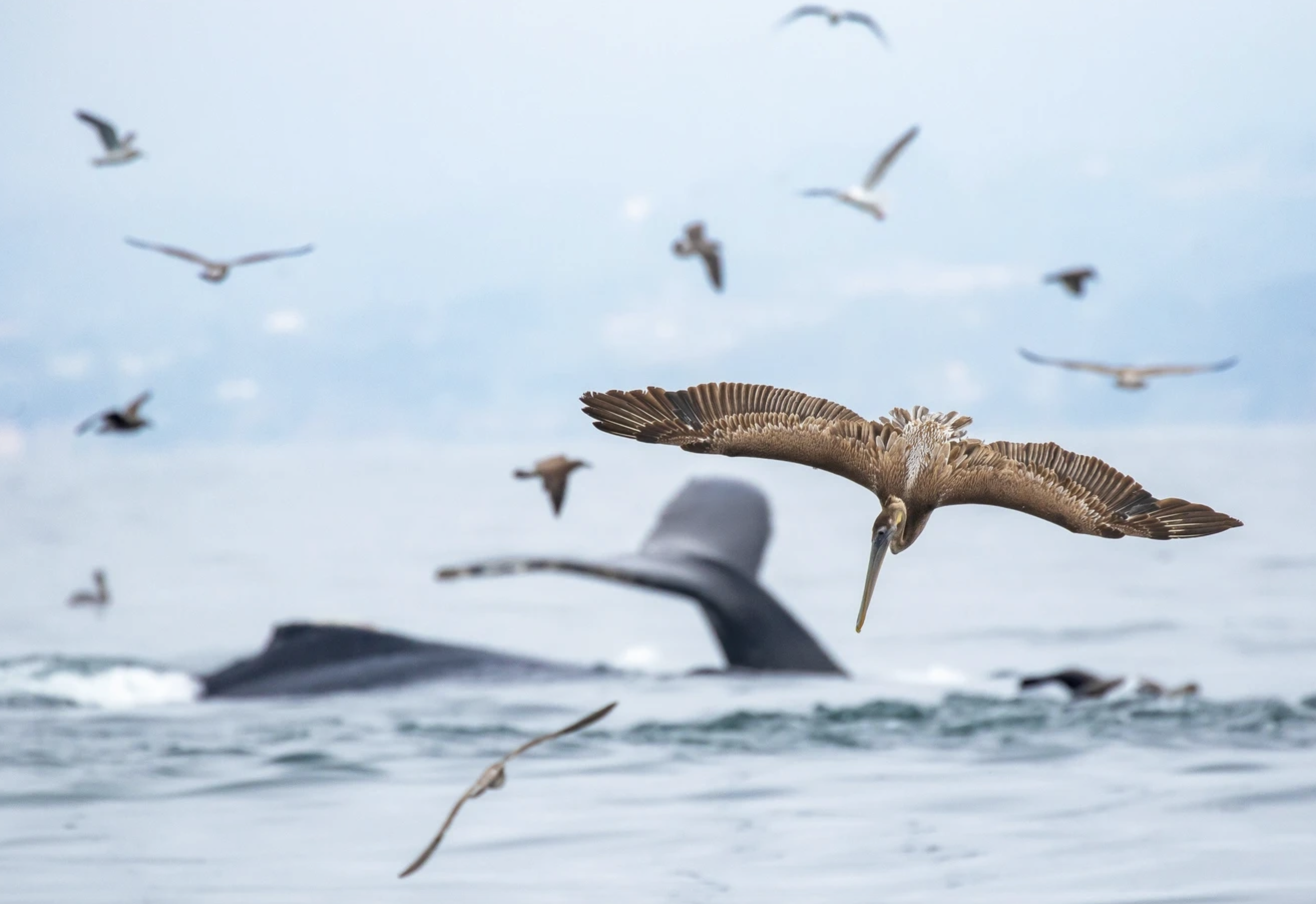
California is home to some of the planet’s most astonishing biodiversity—from the vibrant marine life off our coast to the ancient redwood forests that shelter natural wonders like “Hyperion”, the tallest living tree on Earth. Just a few years ago, I was hesitant about proposals to develop offshore wind along the California coast. The specter of massive structures, potentially more than twice the height of Hyperion (standing as tall as 900 feet, 20 miles offshore), understandably raises concerns for the well-being of murrelets, shearwaters, albatross, pelicans, and other marine life that have depended on those waters for millennia. Over time, though, I’ve come to understand that well-sited and appropriately mitigated offshore wind projects can safeguard birds while providing the essential renewable energy we need. BIRDS IN THIS STORY
Climate change poses an existential threat to birds and people. It is occurring 20 times faster than it has in the past 2 million years, and Audubon’s climate report estimates that nearly two-thirds of North American birds are at a great risk of extinction due to climate change. But if we act to reduce carbon emissions and work to mitigate the impacts from climate change, we know that climate-vulnerable bird species will be better off, and nearly 150 species would likely be saved from the threat of extinction driven by global temperature rise.
Stabilizing the climate means developing renewable energy like offshore wind and connecting it to California’s grid. California needs approximately 25 gigawatts (GW) of offshore wind to meet our 2045 goal of relying 100% on renewable energy, according to the California Energy Commission. To meet that goal, California currently has five projects in development in the Humboldt Wind Energy and the Morro Bay Wind Energy areas. These projects aim to bring approximately 5 GW of power to shore—enough to power about 5 million homes.
Planning with Birds in Mind
As with all energy sources, there are upfront costs and resources required for offshore wind, and there will be challenges along the way. Thankfully, this is not an entirely new industry. We can apply knowledge gained from offshore wind projects that began in 1991 in Europe and more recent lessons from projects in the Atlantic Ocean. Additionally, we can apply our local knowledge by involving Tribal communities and other local parties like Audubon community chapters early in the planning process, and utilize data from migratory bird and marine life monitoring. This can help ensure offshore wind locations are chosen responsibly, with environmental and cultural considerations.
Audubon knows that introducing large structures like offshore wind turbines and transmission lines into the marine environment can affect birds and other marine life. But we are confident that well-sited and appropriately mitigated projects will produce outcomes that will benefit people and birds by reducing emissions and addressing the worst impacts of climate change.
Following thorough research, Audubon experts are confident that these unintended consequences can be avoided through proper siting and planning. Recent research by the Schatz Energy Research Center studied 44 seabird species off the California coast and found that 8% fly at a height that may conflict with turbine blades. Understanding this, studies can narrow in on mitigation efforts for specific impacted species—such as California Gull, Western Gull, Herring Gull, Glaucous-winged Gull, Heermann’s Gull, Short-billed Gull, Black-legged Kittiwake, Bonaparte’s Gull, and Sabine’s Gull—which are among some of the most common birds flying above 10 meters. The study also showed that “seabirds can actively avoid wind facilities,” and in the Atlantic Ocean, “nearly all birds present at rotor-swept heights in the vicinity of operating turbines are likely to avoid being struck by the blades under typical conditions.”
While President Trump is trashing solar power, the County of Santa Barbara is planning to make it easier to permit utility scale solar power in the unincorporated areas of the county.
CNBC reports that Trump said in a social media post Wednesday that states that rely on wind or solar power are seeing increased energy prices, and that it’s “the scam of the century.” He added that “We will not approve wind or farmer destroying solar. The days of stupidity are over in the USA!!!”
That has led investors in companies that work to provide solar and wind energy like Sunrun and First Solar to sell shares this week.
But in sunny Santa Barbara County planners are looking to make it easier to build utility-scale solar projects that generate electricity for sale, to be built in the rural environs of the county
The plan will get a hearing October 3 at 5 PM. Critics complain that the current rule makes it more difficult to generate solar power for sale in all zoning areas of the county.It would also streamline permitting for smaller solar energy systems in the unincorporated County. The Utility‐Scale Solar Amendments Project would update multiple County land use plans and zoning ordinances to facilitate the development of utility‐scale and community‐scale solar energy facilities and streamline the permitting of smaller rooftop and ground‐ mounted systems. It would remove the current 600‐acre utility‐scale overlay restriction, and clarify the permitting allowances for battery energy storage systems.instead it would allow utility-scale solar projects with Conditional Use Permits (CUPs) on various zoned lands throughout the unincorporated county. California like Santa Barbara remains a champion of solar power where it has attracted
billions in local investment. California has over 49,000 MW of installed capacity and solar supplies more than 31 percent of California’s electricity today, but it must play a bigger role if the state is to reach climate and energy goals.
The Tulare County Board of Supervisors was scheduled to hear a presentation on January 28th given by Vistra Energy regarding its planned 50-megawatt solar project and 50-megawatt battery energy storage system facility near the town of Terra Bella. However the presentation was postponed, says county official Mike Washam. There is to be no public hearing of the project nor any expected action by the supervisors.A previous account of the meeting was incorrect.
The original project was approved by the board on Sept. 24, 2019, for up to 70-megawatts of solar and battery storage on a 378-acre site northeast of Terra Bella in the southern part of the county.
An initial study and mitigated negative declaration was prepared in accordance with the California Environmental Quality Act (CEQA) and state CEQA Guidelines. Additionally, a mitigation monitoring and reporting program (MMRP) was adopted to monitor and enforce the implementation of environmental mitigation measures.
The presentation would have come only days after a well-publicized fire at Moss Landing on the Central Coast, where Vistra has a 300-megawatt battery storage facility. The fire earlier this month destroyed the battery storage plant and sent toxic fumes into the air, forcing the evacuation of hundreds of local residents.
Washam expects the presentation agenda item will come back to the supervisors but no date has been set.
The airing of the Tulare County project comes only days after a well publicized fire at Moss Landing on the Central Coast, where Vistra has a 300-megawatt battery storage facility. The fire earlier this month destroyed the battery storage plant and sent toxic fumes into the air, forcing the evacuation of hundreds of local residents.
Vistra has promised this technology was safe but the destructive fire that couldn’t be put out with water seemed to question that and has led to proposals for new tougher state legisaltion.No exact cause for fire has been released.
Press reports say the Moss Landing storage facility is a part of a natural gas-powered electricity plant operated by Vistra Energy, a Texas company. The facility also has a battery storage station owned by PG&E. The Moss Landing battery project was first launched in 2018. “Evacuation orders for approximately 1,200 residents near the plant were lifted last Friday night, although some road closures remain in place.”
Regards the technology, storage advocates say the Moss Landing facility was an older design (although described as the world’s largest) and that newer technology and safeguards should make proposed projects more safe.
Reports say that in this older plant,Vistra used batteries manufactured by Korea’s LG -not Tesla batteries. The LG batteries used the nickel-manganese-cobalt (NMC) chemistry, developed for electric vehicles because it packs a lot of power. Critics say these batteries can heat up and can enter a thermal runaway out of control and are no longer used in recent years as more energy storage is put in place.
Location issue
A planned Vistra 600-MW battery storage project in Morro Bay has come under widespread criticism before and after the Jan 16 Moss Landing fire and that project seems to be on life support due to the uproar over the self induced fire. This project is relatively near the city commercial district and local high school.Both Moss Landing and Morro Bay are next to older power plants with the Morro Bay plant mothballed but with extensive substation connection lines nearby.
One industry source not connected with Vistra says ” a justifiably wary public can rest assured that this particular facility has little in common with the rest of the United States’ rapidly growing grid battery fleet.”
Despite questions,battery storage is credited with helping to keep the lights on in California due to the increasing amount of solar energy being produced in the daylight hours, but the need to store those megawatts around the state when the sun does not shine.
The California Energy Commission says from 2018 to 2024, battery storage capacity in California increased from 500 megawatts (MW) to more than 13,300 MW, with an additional 3,000 MW planned to come online by the end of 2024. The state projects 52,000 MW of battery storage will be needed by 2045.
Many of the Valley battery plants are located away from population centers in ag regions like farmland west of Terra Bella.
As we approach the end of 2024, new vehicle sales in December are expected to show steady growth compared to last year, according to the latest forecast from Cox Automotive. The seasonally adjusted annual rate (SAAR) for December is projected to reach 16.5 million units, matching the sales pace of November and significantly increasing from 15.9 million units in December 2023. The total sales volume for December is estimated to be 1.47 million units, reflecting a 7.7% increase from November, although it remains relatively flat compared to the same month last year.
Looking ahead to 2025, Cox Automotive forecasts a 3% increase in new vehicle sales
Charlie Chesbrough, senior economist at Cox Automotive, attributes this increase in sales to several key factors, particularly the decreasing uncertainty following the U.S. election season.
Many consumers who were initially hesitant to make large purchases are now moving forward with their vehicle purchases in anticipation of policy changes that could impact pricing. “Buyers holding out for the best deal realize that now is the time to act,” Chesbrough notes. Numerous vehicle buyers are taking advantage of EV discounts that may decrease under the new administration. In contrast, others are concerned about potential tariffs that could further raise vehicle prices. This combined sense of urgency, along with an improving economic outlook, has created positive momentum.
New vehicle sales in 2024 have remained steady throughout the year, buoyed by improved inventory and rising incentives. However, the sales pace has picked up since October, and the fourth quarter is expected to close with a SAAR of 16.4 million units. This strong finish has pushed total sales for 2024 to a projected 15.85 million units, marking a 2.3% increase from 2023 and slightly surpassing Cox Automotive’s initial forecast of 15.7 million units. The improvement in sales can be attributed to various factors, including lower interest rates, a more stable economic environment, and less consumer uncertainty. These conditions are expected to continue driving sales growth into 2025.
In terms of individual manufacturers, General Motors is set to retain its position as the top-selling automaker in the U.S. for 2024, with 2.7 million units projected, up 4.2% from 2023. However, Honda is the big winner in market share gains, with the brand increasing its share by half a point. Honda’s strong sales performance, particularly from its reasonably priced HR-V and Civic models, has propelled the company ahead of Stellantis, with Honda now ranking fifth on the sales chart.
Looking ahead to 2025, Cox Automotive forecasts a 3% increase in new vehicle sales. Several factors, including rising consumer confidence, improving inventory levels, and favorable financing conditions, are expected to support this growth. Additionally, advancements in EV adoption, inventory replenishment, and evolving consumer preferences will likely continue to shape the market.
At a December 17 City Council meeting Tulare took the first step to approve a memorandum of understanding with Cyclum Renewables, LLC and Central Cal Truck Stops, LLC. The joint effort will redevelop Mefford Field along its Highway 99 frontage with a Renewable Energy Truck and Vehicle Charging Center on 26 acres of city-owned, non-Federal Aviation Administration property.
The City of Tulare is home to Mefford Field, a civilian airfield, which served as the site for a flight school to teach United States Army Air Corps flight cadets. “Rankin Aeronautical Academy,established in February 1941. Over the years, minor upgrades have been made to the airport.In 2022-2023 and continuing through 2026- Tulare will be making substantial improvements to rehabilitate taxiways, area paving, new lighting, construction of two helipads and access gate improvements. All improvements have the potential to increase lease and rental rates, thereby increasing revenue back to the airport for future investment.
In January 2024, staff was contacted by the representatives of Cyclum Renewable, LLC to express interest in establishing a collaborative relationship with the City of Tulare to redevelop Mefford Field with a renewable energy truck and vehicle charging travel center, Cyclum Renewables has laid out a network of green energy charging stations around the country that would be similar to the one they would build in Tulare.The North Carolina company plans to open 400 locations in the coming years, with construction beginning on the West Coast in 2025.
The Tulare area is already home to two national truck stops with a third large project to be a TA Travel Center being built just south of town.
A city staff report says this is a summary of the proposed memorandum of understanding.
The project will be the first of a new era in truck stop construction, and operations using transitional and renewable fuels including renewable diesel, ethanol-based gasoline, electric vehicle “EV” car and truck charging with direct green electricity, renewable compressed natural gas, and hydrogen. This renewable energy truck and vehicle charging travel oasis will help the City bring renewable energy charging resources to the City’s residents and visitors in a method in accord with the State of California renewable energy goals.
Estimate of Tax Revenue to City: Cyclum estimates the following as a simple breakdown of potential annual gross tax revenue to the City upon completion of the Project. Approximately $2,600,000 from transactions including the following:
Gasoline
Traditional and Renewable Diesel
Sales from C-Store, Food and Beverage
Urgent care center
Sleeping Pod/ Showers
Scale Approximately $215,000 from the following services:
Overnight Truck and RV Parking
Service Center
Truck Wash
Misc Services Lease Revenue at Market Rate of approximately $288,000 per year Cyclum Renewables Truck Stops would create approximately 50 new jobs. Cyclum Renewables Truck Stops would also generate additional revenue for all the purchased supplies and deliveries.
The City will perform an Environmental Assessment in the form of a Phase I study on the property delineated as the “Mefford Hangar” property. Should the results of the Phase I study require the need for a Phase II study, the City also agrees to perform the Phase II study. Should the Phase II study determine that remediation of the Mefford Hangar property is necessary, the City agrees to pay up to seven hundred and fifty thousand dollars which may include demolition of the Mefford Hangar, and Cyclum will pay for any remediation measures beyond.
The City agrees to provide assistance with grant, earmark requests, or other funding applications to pay for necessary off-site traffic improvements required by the project.
All tax revenue generated by the project will be reinvested into the future maintenance and revitalization of the City’s airport.