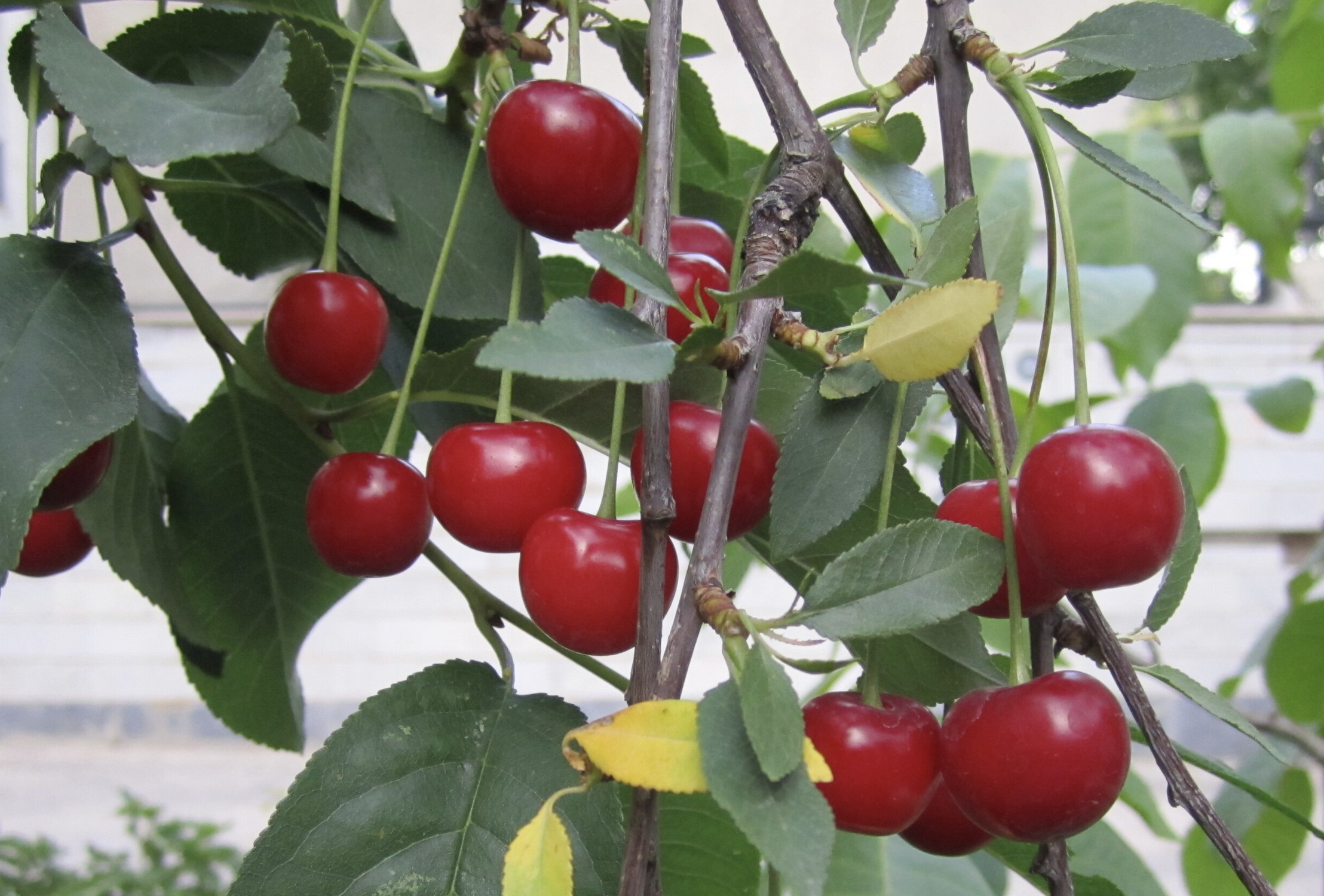
Farmers in the Northwest report that this year’s cherry season went poorly, despite a large crop with high quality. Capital Press reports that a labor shortage early in the season was followed by high retail prices derailing demand for the fruit. Cherry growers said they had a large crop of beautiful fruit but the season was a “bloodbath” or “trainwreck” due to labor and market challenges. At the start of the season, immigrant workers’ fears of federal raids resulted in a labor shortage for some farms, said Ian Chandler, chairman of the Oregon Sweet Cherry Commission. That was followed by high retail prices derailing demand. “When the cherry returns are less than what it takes to pick, pack and grow the crop, you are losing money big-time,” grower Mike Omeg said. Dane Klindt,who grows 600 acres of cherries, said immigrant workers were hesitant to come up from California at the start of the season due to worries about Immigration and Customs Enforcement sweeps. Nearly 20 of his H-2A program workers also were held up at the border for three weeks. “I’ve been using the H-2A program for three years now and I’ve never had this happen,” Klindt said. “We were able to harvest most of our cherries. There were a few that I left on trees, but that was due to the market, not labor,” he added. Omeg said this season raised questions about the future of the cherry industry, including whether growers were producing too much fruit. Lesley Tamura, Columbia Gorge Fruit Growers board chairwoman, said farmers would need to take a hard look at their bottom lines and figure out how to make cuts. Some growers have both cherries and pears, and there’s general anxiety about pears this season due to the closure of canneries and a bigger crop. Pear orchards in the mid-Columbia region aren’t as reliant on migrant labor as cherries, however, growers said. “We are very reliant on our domestic labor force and our H-2A labor force rather than migrant workers coming out of California,” said Tamura, a pear grower. Chandler anticipated growers will walk away from cherry orchard leases in the future, especially if the acreage is marginally productive due to age, water restrictions, weather or other factors. He said it was three bad years in a row for cherries. “My wife and I are both looking for off-farm jobs,” he added. Chandler’s family farm also will take on more debt and he wondered if “little guys” can afford to keep growing cherries. Klindt expects to see more consolidation as smaller farms exit agriculture.
17-21% tariff slapped on Mexico tomatoes this week
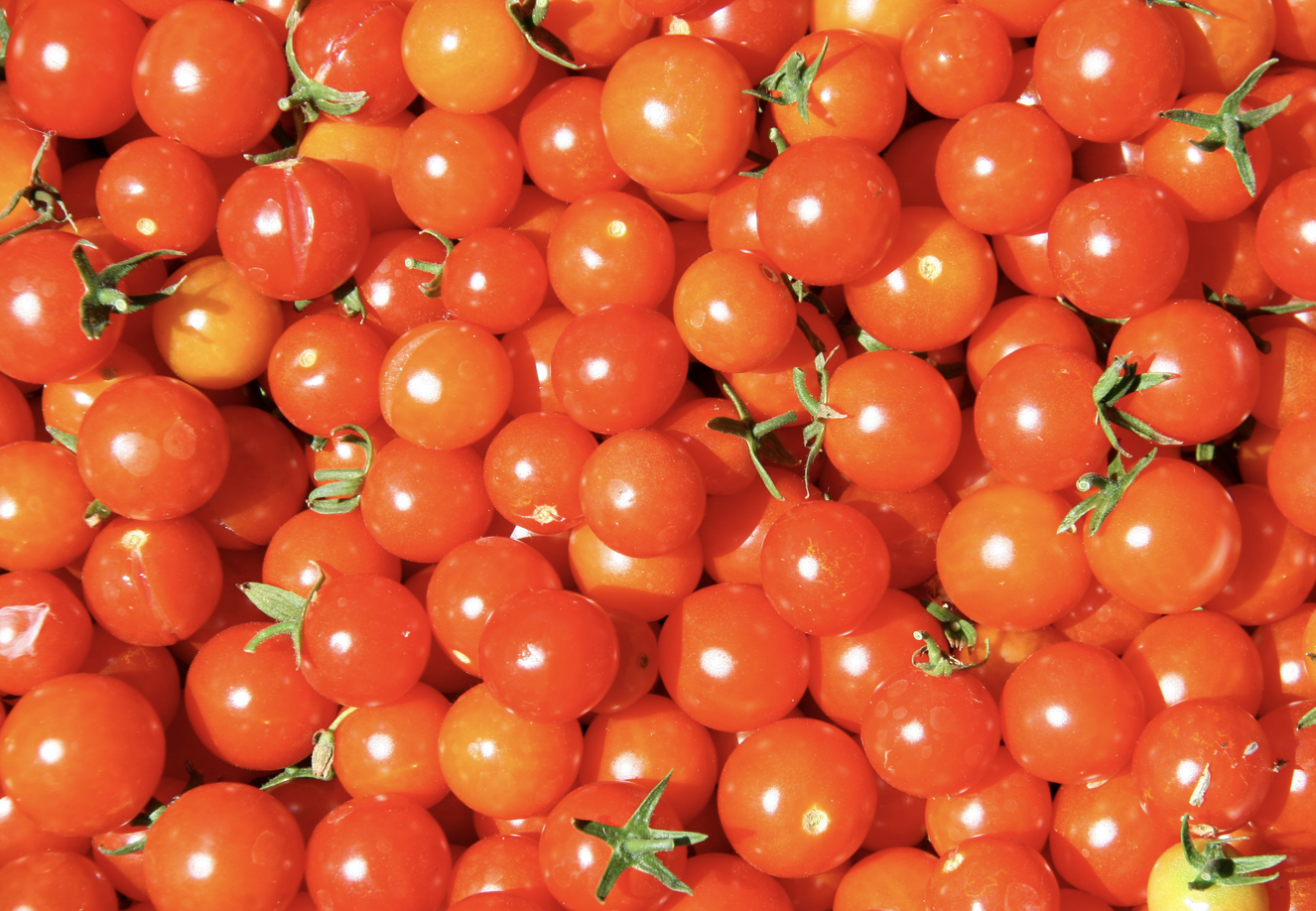
The U.S. has pulled out of a 30-year trade agreement with Mexico this week adding a 17 to 21% tariff on most Mexican tomatoes coming into the country. The move is expected to raise consumer prices for the popular vegetable with 70% of all tomatoes consumed in the US coming from Mexico.
“The [Tomato Suspension Agreement] has failed to protect U.S. tomato growers from unfairly priced Mexican imports, as Commerce has been flooded with comments from them urging its termination. This action will allow U.S. tomato growers to compete fairly in the marketplace,” the department said in a news release on April 14.
The U.S. imported $3.12 billion worth of fresh tomatoes from Mexico last year.The new announcement is separate from Mr. Trump’s trade war escalation promising new 30% tariff on the European Union and Mexico that will take effect on August 1.Concern in the Valley ag community looks to avoid a trade war with Mexico- a country that is a “key destinations for U.S. dairy exports, casting further doubt over U.S. dairy trade prospects in the coming months.”
The tomato tariff is being hailed by Florida growers but not by farmers in Texas and Arizona who worry that consumers will see higher prices. “We don’t want tomatoes to become the new egg crisis,” Rep. Vicente Gonzalez, D-Texas, said during a news conference on Friday, according to the Rio Grande Guardian.Gonzalez, along with other Texas lawmakers and the Texas International Produce Association (TIPA), are requesting a 90-day delay to withdraw from the agreement to allow more consideration and resolutions for the issue.Dante Galeazzi, CEO of TIPA, said the Tomato Suspension Agreement is crucial to South Texas.
“Terminating this agreement will undo three decades of stability and bring about a 17% duty on all Mexican tomatoes entering this country,” Galeazzi said during the same Friday news conference as Gonzalez.
The Packer,a major produce newspaper, reports that U.S. consumers could see increased tomato prices due to potential shifts in the U.S.-Mexico tomato trade, specifically the termination of the 2019 tomato suspension agreement. While field-grown tomatoes cost approximately $1.70 per pound in May 2025, the termination of this agreement could lead to a 10% price increase and a 5% decrease in demand, according to a professor of agribusiness at Arizona State University.
NatureSweet, a major greenhouse tomato grower based in Mexico chimed in.The company told FOX Business the suspension agreement has stabilized prices for nearly 30 years and its removal could lead to volatile supply and price spikes.
“As a Texas-based U.S. company in a low-margin business, we will really have no choice but to raise prices by close to 10% in order to be able to continue bringing our healthy vine-ripe specialty tomatoes to our consumers,” Skip Hulett, chief legal officer for NatureSweet, told FOX Business last week.
June farm equipment sales are down
Associated Equipment Manufacturers (AEM) reports U.S. sales of agricultural tractors and combines didn’t see any increases in June 2025. Total agricultural tractor sales fell 4.4%, while combine sales dipped 43.7% compared to June 2024.
“The ongoing slump in U.S. combine and tractor sales demonstrates the market challenges facing the agricultural sector,” said AEM Senior Vice President Curt Blades. “We know farmers are hesitant to make major investments with global trade instability, high interest rates, and increased input prices.
Big Beautiful Bill has water supply surprise
Milk Producers Council representative Geoff Vanden Heuvel writes that tucked away in the Big Beautiful Bill is a billion dollars of grant money to pay for “construction and associated activities that restore or increase the capacity or use of existing conveyance facilities constructed by the Bureau of Reclamation or for construction and associated activities that increase the capacity of existing Bureau of Reclamation surface water storage facilities.” Interestingly the final sentence of the section states: “None of the funds provided under this section shall be reimbursable or subject to matching or cost-sharing requirements.”
One thought: the money could be used to help restore capacity of Valley canals like the Friant-Kern facing reduced capacity from land subsidence coupled without local cost sharing obligations. Vanden Heuvel expects it could make water more abundant in the state.
Growing oranges is expensive
California Citrus Mutual (CCM) says it costs $4,215 per acre to grow navel oranges in California in 2025. That’s up from $3,300 in 2020 (a 35% increase), $2,712 in 2015 (a 75% increase), $2,099 in 2010 (a 125% increase) and $1,555 in 2005 (a 171% increase). Additionally, CCM reported that picking and hauling costs for navels are $1,210 per acre in 2025. Those costs are up 45% for five years, 60% for 10 years, 90% for 15 years and 110% for 20 years.
Eggs protect against Alzheimers
Older adults who eat eggs more than once a week may be less likely to develop Alzheimer’s dementia, according to a new study published in The Journal of Nutrition. The researchers found that participants who ate eggs weekly had a lower rate of clinical diagnosis and fewer Alzheimer’s-related brain changes after death. The study also identified dietary choline, a key nutrient found in eggs, as one possible contributor to this protective effect.
Focus on Chinese ag companies could impact major firms
National Hog Farmer writes” Multiple members of President Trump’s cabinet joined U.S. Secretary of Agriculture Brooke Rollins Tuesday morning to announce a new Make Agriculture Great Again initiative: USDA’s National Farm Security Action Plan. According to the administration, the plan aims to address urgent threats from foreign adversaries, strengthen the resilience of the nation’s food and agricultural systems, and “claw back” farmland belonging to Smithfield Foods and Syngenta.
Secretary Rollins said the administration is looking at every available option and the U.S. will “likely see an executive order on this very soon from the White House” and will be “looking at multiple different authorities within the federal government to begin to claw that back.”
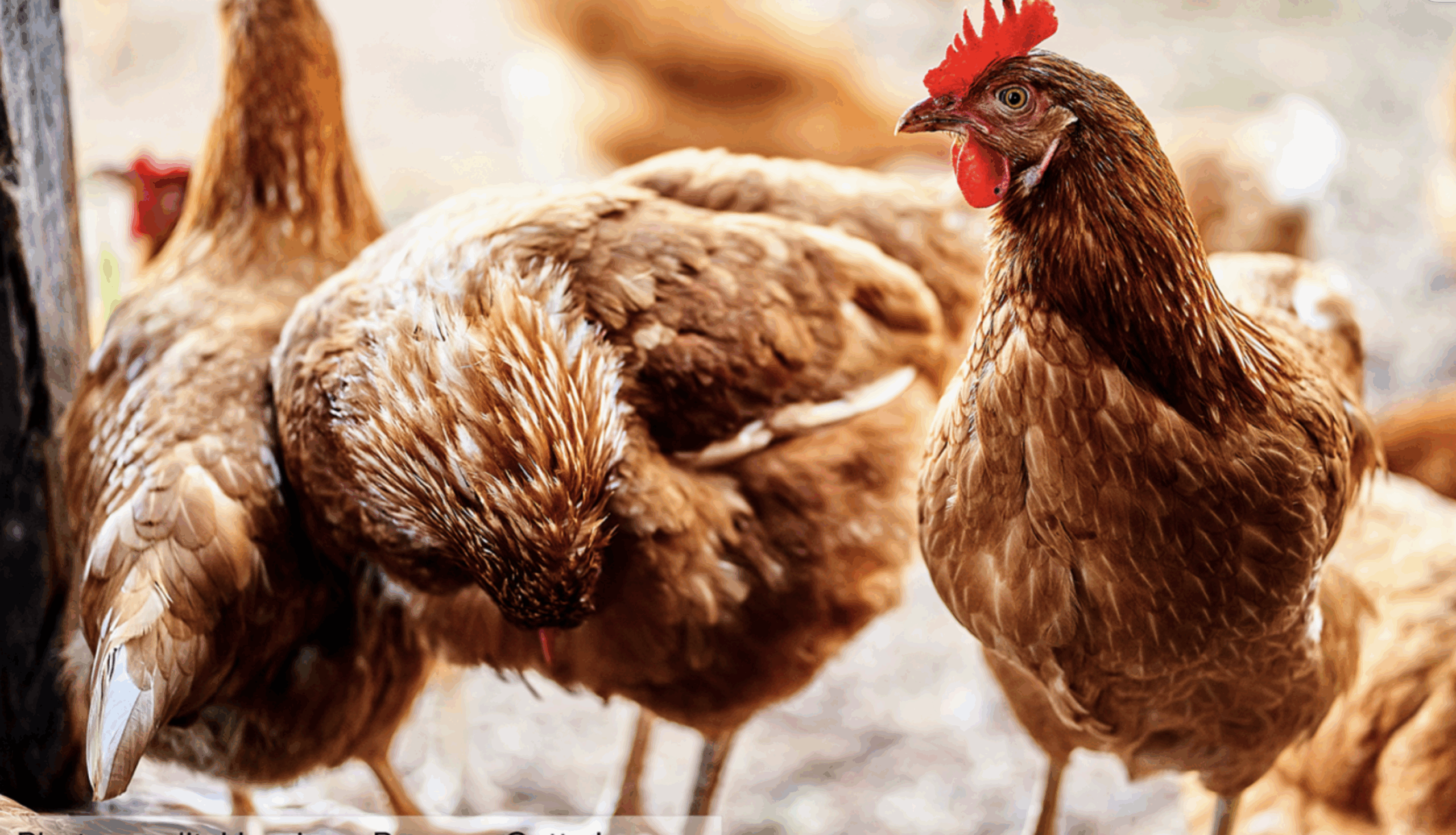
California hasn’t seen a recurrence of widespread bird flu at poultry and egg ranches in the state since early this year. Kings,Fresno,Tulare and Kern counties lost millions of birds to the disease in late 2024. In early 2022 a new outbreak of highly pathogenic avian influenza (H5N1) hit flocks of egg-laying hens across the United States, leading to almost continuous outbreaks across multiple states. These outbreaks, and the subsequent loss of hens due to the disease and the long-standing “depopulation” program intended to eradicate the disease, have led to the loss of more than 60 million U.S. egg-laying hens from 2022 through 2024. In California, the disease led to the destruction of around 10.6 million laying hens, with another 1 million table-egg pullets (young hens about to start laying) also destroyed, says UC Davis.
But now is the crisis over?
No. In nearby Arizona, the industry has been hit hard again this May and June with losses of around 6 million birds at the state’s largest egg ranches. At one of the hardest hit, Hickman’s Egg Ranch, 95% of the company’s Arizona chickens have been lost to avian flu.
The newspaper Arizona Republic writes that owner Glenn Hickman states “the outbreak and loss of egg-laying hens means for the first time in 81 years, the company will not be able to fulfill all of its customer demand.” The company employs about 850 people, and hundreds are expected to lose their jobs. In 2024 the company was also hit by the nationwide spread of bird flu as well.Wild bird migration is considered the source of the virus that can be spread airborne.
Vaccination for bird flu
Vaccination could have prevented widespread death, Hickman suggests. He adds that the meat bird industry’s lobbying efforts against an avian flu vaccine for the nationwide outbreak.The broiler industry, which supplies meat to foreign countries as well as the United States, has opposed the use of an avian flu vaccine for birds because some foreign countries will not buy vaccinated meat, Hickman told the paper.
“If Hickman’s chickens had been vaccinated when the company had been lobbying for it in January, the effect of the outbreak “would have been significantly decreased”, Hickman said. The Arizona Department of Agriculture has been lobbying the federal government to begin a vaccination pilot program, he said, but the ultimate decision will be made by the U.S. Department of Agriculture.
Hickman notes poultry ranchers vaccinate chickens already for other diseases like chickenpox and USDA has tested a vaccine that could be used to inoculate birds against the bird flu”so we can start protecting our flocks in this country.”
Nationwide, the bird flu has cost millions of dollars not just to the industry but the public forced to pay sky-high egg prices due to significant shortages. Nationwide,a dozen eggs cost more than $8 a dozen as of this March before falling to $2.70 average now.For the industry, taxpayers pick up the tab for the lost birds with the Animal and Plant Health Inspection Service spending $1.25 billion on payments to farmers since the outbreak started in 2022.
Hickman Eggs is a partner in the Kern County-based Central Valley Eggs company, one of California’s largest. That ranch near Wasco also was hit last year by the bird flu that wiped out 2 million birds there. This was just one of the egg and meat chicken ranches in the Valley that resulted in the losses last fall. One report claims that Central Valley Eggs received $10 million in compensation from USDA. Central Valley Eggs suffered a fire at their Wasco facility July 1 of this year that reportedly resulted in no loss of birds or harm to people.
Now many egg ranchers and industry experts fear the return of bird flu in 2025 as fall approaches and the annual north/south bird migration gets underway.California could be the epicenter again.
Bird migration starts August 1
The fall migration period generally runs from August 1 to November 30, peaking from September 1 to November 15, as millions of birds travel south along the Pacific Flyway to their wintering grounds or use the state as a stopover point.The Central Valley is often the super highway south with pit stops from Sacramnto to Tulare Lake to Kern County
Last year California was the hardest hit of all the states not only at poultry farms but at Central Valley dairies where farms were quarantined for months; some cows died, and production suffered and is still down. A UC Davis paperestimates that California milk production fell by 6.4%, 10.3%, and 8.4% in October, November, and December 2024, compared to what would have occurred without the disease. Workers in both industries caught the flu but most human cases have been mild.
Industry newspaper Egg News calls the likely return of the virus “inevitable”, reporting that Dr. Scott Gottlieb, who served as the 23rd Commissioner of the Food and Drug Administration in the first administration of President Trump is critical of the current administration’s approach led by Rober F. Kennedy Jr’s anti-vaccine stance. ‘ Gottlieb says Kennedy, Secretary of the Department of Health and Human Services advanced the suggestion that HPAI should be allowed to spread unchecked through flocks in the hope that a few survivors would express genes for resistance to avian influenza.
Gottlieb points out that “We have vaccines for bird flu made by American companies and used overseas but so far federal officials don’t seem poised to use them here.” He points to” the deployment of vaccines in France, China and Mexico among other nations and cast doubt on the various distortions of science advanced by opponents of vaccination to support ongoing exports of broiler leg quarters.”
“The avian influenza strains now in circulation have persisted continuously among birds and mammals for nearly two years and there’s growing evidence that it could become a permanent feature of North America – part of a new normal to which the poultry industry must inevitably adjust for both the physical and economic health of Americans.”
EggNews points out that “Newcastle disease (VVND=END) in Europe, Asia and Africa was in every way as catastrophic as avian influenza but was effectively controlled principally by vaccination supported by biosecurity.”
Tractor and combine sales in the US are down over 15% says the Association of Equipment Manufacturers first quarter report. Sales of some tractors like four-wheel-drive farm tractors are down 35% and self-propelled combines are down over 56%, says the association.
Annual report shows major declines in farmland values
The value of much of California’s farmland declined from 2023 to 2024, according to figures published last month by the state’s chapter of the American Society of Farm Managers and Rural Appraisers. Authors of the ASFMRA chapter’s annual Trends report attributed the declines in farmland value to multiple factors, including low prices for many crops, high inflation and interest rates, and overall high operating costs. Farmland subject to groundwater pumping restrictions saw some of the steepest value declines, with farmland in parts of the San Joaquin Valley that depend entirely on groundwater losing more than half its value in the space of a year.
In the northern San Joaquin Valley, for example, almond orchards in white areas lost roughly half their value from 2023 to 2024, according to Janie Gatzman, owner of Gatzman Appraisal in Stanislaus County and co-chair of the Trends report.
Gatzman said almond orchards in the area with reliable surface water lost up to 25% of their value due to persistently low prices, meaning the greater value declines seen in white areas were likely caused by groundwater concerns. “I would say over 25% of the value decline there was fully attributable to SGMA,” she said.
Independent of SGMA, winegrape vineyards in the Central Valley saw sharp declines in value due to a historic drop in demand for wine during the past few years.
Vineyards in the Lodi area lost 35% to 40% of their value from 2023 to 2024, Gatzman said. News thanks to California Farm Bureau.
Friant contractors get 100% allocation
Friant Division contractors’ water supply is delivered from Millerton Reservoir on the upper San Joaquin River via the Madera and Friant-Kern canals. The first 800,000 acre-feet of available water supply is considered Class 1; Class 2 is considered the next amount of available water supply up to 1.4 million acre-feet. Recently the Bureau of Reclamation increased the estimated contract amount this season to 100% of Class 1 and zero for Class 2.
Cotton farmers face planting decision
California cotton farmers face a critical decision of how much cotton to plant this year given the uncertainty over tariffs on their product. Cotton Growers Association President Roger Isom says he has fielded regular calls from farmers wondering what the prospects are.”It’s all up in the air.”Currently China has a retaliatory tariff on US cotton. “We should know by May 1 what the planting acreage could be this year” says Isom, hoping to have some clarity on whether the on-again off-again tariffs will impact the price.In 2024, U.S. cotton exports to China were worth $1.49 billion. If the China market is too expensive, farmers hope to sell more to India.
Undocumented farm workers could remain Trump suggests
During a recent cabinet meeting, President Trump announced a plan to provide some leeway for farmers amid his broader immigration enforcement efforts. Under the proposal, farmers could submit letters supporting certain undocumented workers, allowing those individuals to remain in the country temporarily for work, leave the U.S., and then return legally.News from Citrus Mutual
Mexico accounted for 91% of total U.S. fresh tomato imports in 2023 Trump imposes 21% tariff
The Trump administration is planning to slap a nearly 21% tariff on most of the tomatoes imported from Mexico. The tariff will be imposed on July 14, near the start of peak tomato season. In a statement, the Department of Commerce said it intends to withdraw from a trade agreement with Mexico. The deal signed back in 2019, had averted an anti-dumping duty on Mexican tomatoes. However, US authorities now say Mexican tomatoes are unfairly priced and such an agreement has failed to protect domestic tomato growers. News from The Packer. Crops that cannot be mechanized are moving to lower wage countries. Most US asparagus, bell peppers and cucumbers are imported, as are most fresh tomatoes and a rising share of berries. Mexico, where farm wages are a tenth US levels, is the source of half of US fresh fruit imports and three-fourths of fresh vegetable imports.
California wine grapes acreage shrunk 25,000 acres since 2022 says a new USDA report.Wine grape acres were 615,000 in 2022 but as of 2024 declined to 590,000 acres. Table grapes also fell by 7000 acres to 120,000 acres as of 2024.Low profitability and the urging of industry resulted in growers pulling vineyards as well as reducing new plantings. Allied Grape Growers had lobbied for 50,000 acres to be removed to meet demand.
Farmers planted fewer new almond trees USDA nursery report says
Some 52,000 acres pulled says Land IQ Kern leads state in removals
California almond farmers planted just 17,000 acres of new almond trees from June 2023 through May 2024. That is down from 31,000 acres in 2023 and 43,000 acres from June 2021 to May 2022.
There were at least 2.12 million almond trees sold by California nurseries since June 1, 2023.
About 29% of the total trees sold (5,000 acres) were for new almond orchard acres and 59% (10,000 acres) replaced existing almond orchards. The remaining trees sold replaced trees within existing almond orchards.
Meanwhile California’s bearing almond acreage grew a little in 2025, according to the Initial Acreage Estimate from Land IQ, commissioned by the Almond Board of California (ABC). The report estimates that bearing orchards will cover approximately 1.389 million acres for the 2025 harvest—an increase of about 6,000 acres compared to 2024. This follows a similarly small increase of 9,000 acres the previous year, which marked the slowest growth in two decades.
The report also anticipates that around 51,805 acres of almond orchards will be removed by the end of the crop year, adding to the nearly 67,000 acres removed during the 2023–24 period, based on Land IQ’s November 2024 estimate. These removals contribute to a broader trend of declining total and non-bearing acreage across the state over the past three years.
iIn our reading area Kings County shows 1518 acres removed, Kern County 8138 acres pulled (biggest decline in the state),Fresno County 5355 acres removed and Tulare County 2698 acres removed.
Ports Expect 40% drop in shipping
Los Angeles’s two big ports are each expecting about 40% fewer ships coming to unload cargo in the next two weeks as the Trump tariffs take hold. Port of LA Executive Director Gene Seroka announced the news at the Harbor Commission meeting this week expecting cargo shipments to drop 35% in about two weeks.The Port of Long Beach has predicted a 44% decline starting the week of May 4.The two are the busiest container ports in North America.
Seroka told the commission that retailers may have a six- to eight-week supply of goods “but that will quickly dry up” and consumers may see empty shelves this summer.
Seroka added that large importers have “hit the pause button on cargo from China” unable to handle a 145% tariff.”If you’re buying a product from China, it costs 2.5 times more than it did last month.”
Big box retailers have warned President Trump that consumers would see empty shelves this summer if this standoff drags on.Dock workers on the West Coast could see less work work as the ships that usually call, stay away.
With Chinese retaliatory tariffs, farm exports are already suffering as well
“These are hitting American businesses hard, particularly agriculture, heavy duty manufacturing, and the information technology and services sectors,” Seroka added. “U.S. exporters are having an especially challenging time, so much so that in March, China bought more soybeans from Brazil in one month than ever in their history.”
California ports play a major role in our agricultural shipments, handling both exports and imports. Key ports like Los Angeles and Long Beach are significant for containerized agricultural exports, with the Port of Oakland also a major gateway for agricultural exports, especially refrigerated proteins. The Port of Los Angeles, in particular, handles animal feed, cotton, and orange exports. Oakland is also predicting a major slowdown in shipping through their port.
Farmers are wary of trade wars. With demand issues staring at them, they are already under pressure to reduce crop acreage in 2025 and now they fear exports will face a new hurdle this year with a trade war underway.
Already farmers are pulling trees and vines faster than planting new ones. They will tell you it’s lack of water. But demand and oversupply are also big factors.
Case in point this new year are wine grapes with trade group Allied Grape Growers again pleading with growers to pull 50,000 acres from the ground before the season starts with 40,000 of those acres suggested to be pulled from the interior- the Central Valley region.
Allied’s president Jeff Bitter has offered a bitter truth that supply needs to be pared to meet the decline in demand in wine consumption, he told growers at their January meeting.
But it’s not just wine grapes. Several of the Central Valley’s big nut crops are mostly under price pressure as well with an oversupply in both almonds and walnuts that requires more trees to come out.
California’s total almond acreage dropped again in 2024, making three years in a row that acreage has decreased, something that has not happened since at least 1995, according to a winter report from Land IQ to the Almond Board of California.
Total acreage dropped by about 40,000 acres from 1.56 million acres in the last crop year to just over 1.52 million in 2024.
Walnut prices have forced a similar trend, says a report. “From September 2023 to August 2024, growers in the Golden State have removed approximately 18,000 acres with nearly 10,000 more acres under high stress and abandoned. While this is a slowdown from the previous year, this is still a high removal rate, continuing the decline in producing bearing acres, which now stand at 370,000 acres.”
With these removals, walnut growers are more hopeful prices will climb back above $1 per pound from the red ink levels of 30 to 40 cents a pound seen in recent years,
Also under pressure this year are processing tomatoes, a major crop in Kings and Fresno Counties. The most recent USDA report shows acreage of processing tomatoes at just 200,000 acres this year compared to 300,000 acres as recently as 2015. Expected this year production will be lowest in 20 years as processors reduce their contracted demand.Local processors Olam and DelMonte have closed their doors and won’t need product.
The region’s top industry – dairy farmers are being told a major processor Leprino Cheese is closing one of two mozzarella plants here and the huge cream buyer is banking on more supply coming from Texas – not the Central Valley.The local dairy industry counters that they need an adequate water supply or production will wither.
Shadow of trade war
Not helping the outlook for our crops are the potential tariff impacts of a trade war now underway with China today, a big buyer of Central Valley crops as well as fears Mr Trump will add Canada and Mexico, our largest trade partners.
President Trump has now imposed a new 10% increase in tariffs on goods coming from China and already China has struck back impacting around $1 billion in ag products we send to China.
The ag trade group Western Growers commented this week saying ” China…. a significant fresh produce importer, is the No. 2 importer of American tree nuts. Imposition of tariffs with our key trading partners in this manner and at these levels will almost certainly result in retaliatory tariffs that harm American growers.
While we appreciate the border security issues apparently motivating the Trump Administration, rival growers of specialty crops outside of the U.S. will move quickly to seize the new business opportunities created by these tariffs to sell into the Canadian, Mexican and Chinese marketplaces. Their success in doing so could permanently displace American growers from these key markets. This is the same pattern that emerged during the imposition of tariffs on Chinese goods during the first Trump Administration.”
They have seen what happened last time.
A recent report notes that in 2018, President Trump levied tariffs on steel and aluminum imports to help U.S. steel and aluminum producers.China then retaliated by raising tariffs on U.S. products, including hiking the tax on American almonds from 10% to 25%.“China was our number one export market when the tariffs went into effect,” said Clarice Turner, chief executive of the Almond Board of California.It’s now fallen to number four. Last fiscal year, China imported about 37% fewer California almonds than it did the year tariffs hit. That period coincides with average prices dropping from over $2.50/lb to $1.60/lb and the dollar value dropping from $5.6 billion to $3.9 billion using USDA figures.
Significantly China is an important destination for California milk products, particularly milk powder and butter made in the Central Valley. China is the world’s largest dairy importer and the third largest destination for U.S. dairy exports.
We don’t want to lose market share to other world competitors. A Cornell study says “Mexico, Canada, and China are pivotal to the U.S. dairy export landscape, accounting collectively for over half of the nation’s dairy exports by value annually. History has shown us the risks associated with trade instability. For instance, retaliatory tariffs from China alone resulted in an approximate $2.6 billion in lost revenues for U.S. dairy farms from 2019 to 2021. This underscores the potential financial hazards that could lie ahead.”
On the domestic front, dairy operators are also worried about a potential cutback in school lunch programs.
How important is China as an export destination? Tulare County’s most recent crop report says 68% of the county’s pistachio exports go to China and almost 20% of oranges.
Some 22% of King’s farm exports go to China.
Research on trade war cited by the LA Times in December said”farming areas in the Central Valley and Southern California are especially vulnerable to economic damage. They projected that five counties — Fresno, Kern, Tulare, Merced and Imperial — probably would bear the brunt of the losses in a trade war, accounting for 53% of the estimated total losses. A majority of voters in each of those five counties voted for Trump in the election.”
The most recent report from USDA says after the effects of bird flu on the California poultry industry, there are only 4.7 million Golden State egg layers left to make your breakfast. Most of the eggs consumed in the state are imported from out of state although the rest of the country has been hit as well.
The California egg laying population was over 14 million a few years ago meaning that nearly 10 million hens have been “depopulated” with many due to the wave of bird flu infections. To stop the infections from the highly contagious virus, all birds must be killed in a flock.
“Two-thirds of egg-laying hens in California have been lost in the recent outbreak,” says CDFA’s Steve Lyle.The virus has also spread to commercial poultry with 61 flocks having completed or awaiting depopulation.
It is likely to be months before a number of large Central Valley egg producers can get back into business as retail egg prices have climbed to $9 a dozen.
USDA figures show in December, California produced 114 million eggs compared to 350 million in December 2020.
It is not just California either. Nationwide since the bird flu epidemic started in February 2022 some 140.5 million birds have been affected and wiped out.
While the government is monitoring the bird flu epidemic the new Trump administration has put a pause on new agency reporting from the CDC and others.
Impact on dairy farms
The other livestock industry in the Valley impacted by bird flu has been the dairy industry concentrated in the Central Valley.
The California dairy herd has been hit with over 700 dairies suffering the epidemic according to the Milk Producers Council latest newsletter. They say that as of January 7 a total of 718 Central Valley dairies have been infected and that 618 of those remain under quarantine while 100 herds have recovered and been released from the quarantine.
Unlike the poultry industry, dairy cows have suffered from the bird flu sickness, but most have recovered, although production has plummeted. In December production was down almost 7% .But producers expect January milk output should be better. The virus is killed by pasteurizing the milk lough experts warn against raw milk.
There have been 37 human cases of bird flu HPAI reported in California, all but one in dairy employees. All employee infections have included conjunctivitis (“pink eye”) and some have also included mild respiratory symptoms.
Pitman plans big chicken ranch
The bird flu has hit meat chicken processors, as well as egg producers. Now Pitman Family Farms is following through on plans to expand an existing poultry farm at 16445 Laurel Avenue in Stratford In Kings County in a public hearing set for February 3. The company based in Sanger plans to increase the number of chickens raised at the ranch from 250,000 to 1.7 million at one time.
Del Monte makes it official
The Del Monte company sent a formal notice Jan 21 to the Kings County Board of Supervisors last week, stating that the facility will close March 28 and that 378 employees will lose their jobs. The notice complies with the Worker Adjustment and Retraining Notification (WARN) Act, which mandates a 60-day notice period before mass layoffs.Some of the workers were represented by the Teamsters. DelMonte says they are selling the big plant property although no buyers have surfaced.
Tomato tonnage down
In what would be the lowest tonnage in a decade, USDA reports that as of January, California’s tomato processors have, or will have, contracts for 10.2 million tons in 2025, which is a decrease of 10% compared to 11.3 million contracted tons forecast in the August 2024 California Processing Tomato Report.
The contracted production for 2025 will come from 200,000 acres, generating an average yield of 51.0 tons per acre. This year’s contracted planted acreage forecast is 12% below the 2024 estimate of 228,000 planted acres under contract in the August forecast.
Growers say heat shrunk the harvest this season after rains created soggy fields in 2023. Kings and Fresno Counties are the largest producers. In 2022 Kings growers harvested nearly 29,000 acres.
The tomato processing business has been shrinking in recent years and includes the closure of the Kingsburg Del Monte facilities and the shuttering of the Olam tomato plant in Lemoore and now the 670,00sf Del Monte facility in Hanford.
“California has a surplus of processing tomato capacity,” says Central Valley grower Arron Barcellos who sits on an industry board. “We have less of an export market than in the past” he adds, leaving too many processors to fight it out for a share of what is now mostly a domestic market.
If there are too many processors, the state’s growers and processors are saddled with higher input costs and tougher regulation than foreign competitors along with problems like the strong dollar.
Concerns over spreading drought across middle California may ease some in the next week with a forecast of an atmospheric river diving into the northern part of the state February 1 -7 with some Central Valley and Sierra spillover toward the end of that period. The rain and snow could boost reservoir supply. Right now Shasta Lake is at 131% of average although January has seen little snow in the Tahoe area.Still the week’s forecast calls for 6-9 inches of precip in the Shasta Lake region.
So it’s not just Southern California that has concerns over this water year. The US Drought Monitor says dry conditions have impacted not just Southern California – with some relief in the past week- but in the Central Valley – now listed as “abnormally dry” after most January rains failed to develop. Hanford has seen only 0.28in in the month of January.
“We are quite a bit behind,” says Kings River watermaster Steve Haugen, adding that ” we’re looking for storms…looking for storms.” As of now Pine Flat is 48% full.
Low canal deliveries?
Ouch: Friant Water says at their January 23rd FWA Board of Directors meeting that initial internal FWA models are showing a disappointing potential 30-40% Class 1 allocation for the 2025/26 WY based on 75-90% exceedance forecasting. The initial allocation will be announced by Reclamation on or about February 20th based on then-current conditions and hydrologic forecasts.
Propelled by record cheese use and gains in butter, cottage cheese and yogurt, U.S. per capita dairy consumption returned to 1950s levels last year, according to USDA data released just before Thanksgiving.
At 661 pounds per person, the amount of milk Americans consume is back to where it was in 2021, which in turn was on par with the year Buddy Holly died — at least in terms of dairy U.S. dairy consumption.
What’s driving the trend? Think cheese, which has doubled in per capita consumption over the past 50 years even as per capita fluid milk use has declined. Or look at butter, at its highest since the 1960s. And fermented dairy products are having a moment — cottage cheese consumption is at its highest in a decade, and yogurt is also rising.
Cottage cheese consumption is at its highest in a decade
Cottage Cheese An essential step in the manufacturing process distinguishing cottage cheese from other fresh cheeses is the addition of a “dressing” to the curd grains, usually cream, which is mainly responsible for the taste of the product. Cottage cheese is not aged.[1] Cottage cheese can be low in calories compared to other types of cheese — similar to yogurt; this makes it popular among dieters and some health devotees.
The only disappointment? Rounding. If you drill more deeply into the numbers, 2023 didn’t quite match 2021, with consumption at 660.7 pounds, compared to 661.2 two years ago. But with positive signs in sales and the holidays ahead, there’s still a chance for Americans to push 2024 to new heights.
We can do this, America. Have your grocery carts at the ready, help a dairy farmer, and enjoy the perfect companion for your holiday cheer.
The Metropolitan Water District board on Wednesday voted to invest another $142 million into the planning for the Delta Conveyance Project.The vote followed an update at Tuesday’s Board of Supervisors meeting by Karen Lange, a partner in the lobbying firm of Shaw Yoder Schmeizer & Lange, which represents Solano County’s interests in Sacramento.….the tunnel project built may be a common-ground issue for Gov. Gavin Newsom’s and President-elect Donald Trump’s administrations. Among her comments was the political reality that getting the tunnel project built may be a common-ground issue for Gov. Gavin Newsom’s and President-elect Donald Trump’s administrations.“That is seemingly one of the things the federal and state administrations may align … trying to get this tunnel built,” Lange said.The Metro funds will help with the cost of “environmental planning and pre-construction costs” for the Delta tunnel project in 2026 and 2027.”After careful consideration, our board took this step because it allows us to gather critical information about the project’s benefits and costs that will allow us to evaluate whether we will participate in the full construction of the project,” Water District board Chairman Adán Ortega Jr. said in a statement.“This has been a collaborative process in which we have worked with the state to ensure permitting and certification processes will be completed in 2026 and that we will see project benefits proportionate to our funding level,” Ortega added. “We are also pleased that the state provided safeguards to mitigate spending if circumstances prevent key components of planning from moving forward. The state also committed to identifying new, long-term financing approaches for the project, while also developing ways to improve the near-term reliability of State Water Project infrastructure.”Lange called it a “pretty big week for the Delta.””It’s not the final stop on this journey financially, it’s just phasing that is part of it,” Lange told the board. “They anticipate voting potentially on the construction costs in a year or two.”She said her firm did send a letter to the district opposing the funding. Lange also noted that her agency is “definitely keen”