
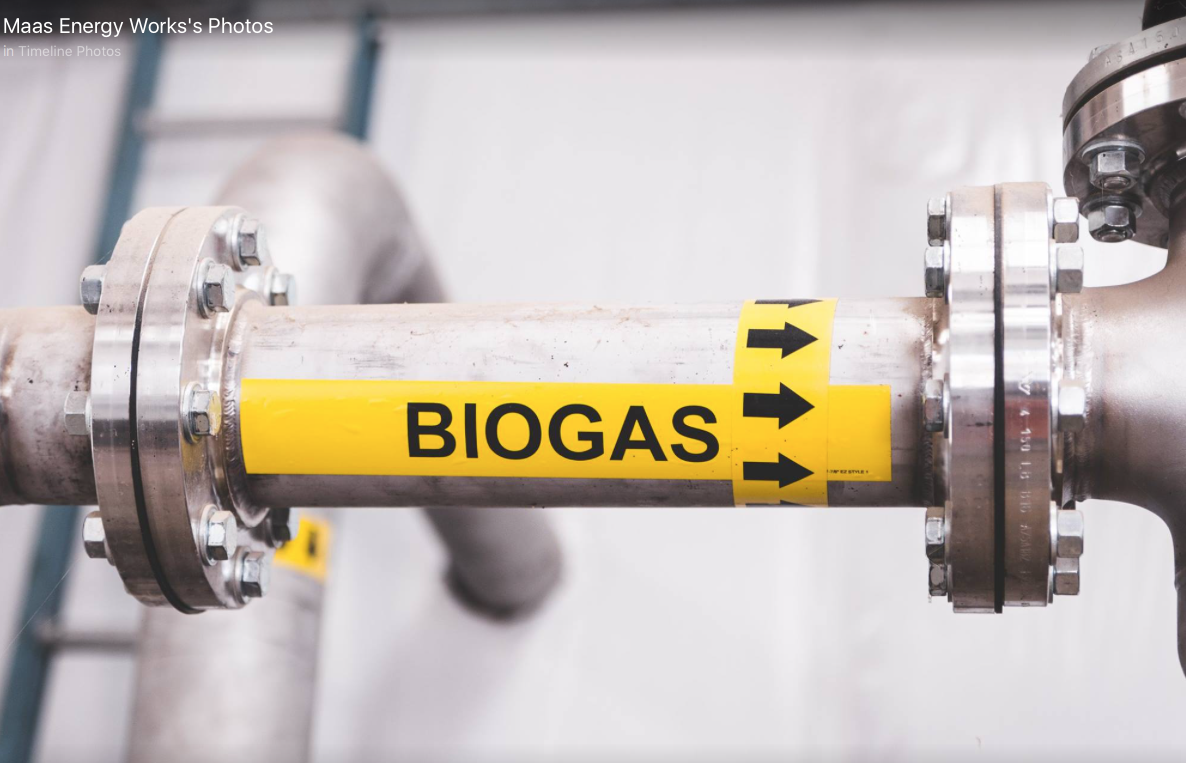
PUC approves $319 mil for dairy gas infrastructure
December 18,2018-
The California Public Utilities Commission has approved a plan to help the state’s dairies to achieve a 40 percent reduction of methane from 2013 levels, by 2030. Dairy manure accounts for approximately 25 percent of the state’s overall methane emissions.
The PUC has recently budgeted some $319 million to fund pipeline infrastructure connecting clusters of dairies, most of them from the Central Valley, with plans to inject biomethane into the state’s natural gas pipelines. Six pilot projects will be established in the San Joaquin and Sacramento Valleys with the help of three developers.
The project should help turn local dairies from any argument that they are polluters to being gas suppliers.
Local dairies who already cover their lagoons to capture the manure gas are connecting to digesters.The costs of digesters and biogas conditioning facilities are not funded by this program.
But the PUC will fund the gathering pipelines that will connect dairies to a central injection point. Here the gas will be cleaned and injected into the utility-owned gas pipelines to be used as transportation fuel.
The selected project locations (clusters of dairies) and the developers are:
1. South Tulare: California Bioenergy
2. North Visalia: California Bioenergy
3. Buttonwillow: California Bioenergy
4. Merced (CEE): Maas Energy Works
5. Lakeside: Maas Energy Works
6. Weststeyn: DVO, Inc.
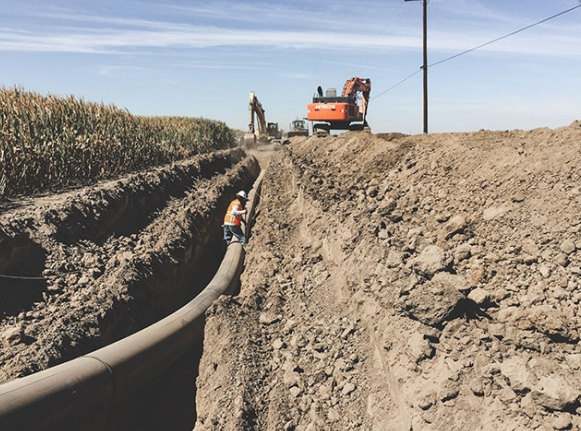 Some 45 dairies are expected to participate. The program enables dairies of all sizes to each connect to a single point of injection to the pipeline. The funding helps the state’s utilities to to recover their costs from ratepayers. Biomethane producers shall own and operate the biogas collection lines.
The award does not include the pioneer Tulare County dairy cluster – Calgren, based in Pixley, because that project is already underway with the plan to connect 12 dairies by pipeline to the Calgren ethanol plant site. Biogas from some of the dairies has been coming to the collection site since August and all 12 should be connected by late summer of 2019 says Calgren president Lyle Schyler.
Adding the Calgren cluster to those proposed in the 6 cluster projects, some 60 dairies are making a multi-million dollar investment in going green.
The CPUC created the dairy biomethane pilot program as part of the state’s s strategy to reduce emissions of short-lived climate pollutants, including methane, which is 28 times more potent than carbon dioxide.
One of the developers, Visalia-based CalBio, says the project is a win win. “CalBio is honored to have been selected to develop these pilot projects which will produce clean, renewable CNG which will significantly lower the carbon intensity of California’s transportation and agriculture sectors” said N. Ross Buckenham, CalBio’s CEO. He added “These projects represent a true public-private partnership. They help to create local jobs and generate a new revenue stream for the dairies, all while helping the state achieve its climate goals.”
Commenting on the project were several participants. “We are appreciative of SB 1383 and to the CPUC and others who have helped provide the opportunity for the California dairy industry to be leaders in environmental stewardship.” said Cornell Kasbergen, a dairy farmer in South Tulare. “This program solves for the interconnection constraints in our area and enables our dairy and many neighboring dairy families the opportunity to participate.”
Jay te Velde, a dairy farmer in North Visalia, expressed, “We are looking forward to participating in the program. As a dairy in an ever-changing regulatory environment, it’s terrific that the state is putting forth these incentives to capture methane with the farmer in mind.”
Plans for Highway 99 Renewable CNG station
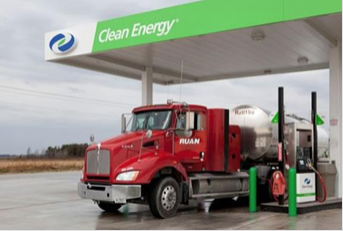
Pixley-based Calgren Renewable Fuels may offer biomethane, from cow manure, at a future green truck stop on Highway 99 near their plant says company president Lyle Schlyer.
Biomethane is also known as renewable natural gas (RNG). Biomethane is biogas that‘s been upgraded to meet pipeline quality natural gas used as vehicle fuel.
Calgren has an agreement with 12 local dairies representing more than 75,000 cows to supply the biogas by pipeline to the Calgren site and the refueling station is the next step to take the fuel direct to market. “We want to offer RNG for less than they can buy diesel” suggests Schlyer as they try to convince Valley freight haulers to convert their fleet to cleaner burning fuels. Already the piping of biogas from covered dairy lagoons is helping to remove a major pollutant from Valley skies. Now that gas could help clean up truck emissions.
“We are talking to industry players including fuel hauler Tesei from Madera who has signed a contract to buy the non-petroleum based fuel.”Truck owners can take advantage of incentives to convert their fleet and cut the capital expenses and we want to encourage that.” The project is just one step the state hopes will help clear the Valley air and cut greenhouse gases.
So far there is no date for building the Hwy 99 and Rd 120 fueling station that could cost about $2.5 million.”We are looking for more commitment first” says Schlyer. Milk haulers would a logical player.