
Air District Sees Crisis For Growers As Dead Trees Pile Up
“This Is A Big Deal”–Dave Warner -SJVAPCD
November 18,2015-
Since 2003, the Valley Air District has worked with farmers throughout the Valley and has instituted a number of measures that have resulted in an 80% reduction in the open burning of agricultural waste.But now the severe drought conditions that the San Joaquin Valley has experienced and the recent demise of the biomass power industry that provided an alternative to open burning for a significant amount of the agricultural waste generated in the Valley – has “created a severe problem that requires urgent attention by the Air District” says a strongly worded staff report as the board of the district meets this week.
Since 2003, the Valley Air District has worked with farmers throughout the Valley and has instituted a number of measures that have resulted in an 80% reduction in the open burning of agricultural waste.But now the severe drought conditions that the San Joaquin Valley has experienced and the recent demise of the biomass power industry that provided an alternative to open burning for a significant amount of the agricultural waste generated in the Valley – has “created a severe problem that requires urgent attention by the Air District” says a strongly worded staff report as the board of the district meets this week.
“This is a big deal” says Dave Warner, one of the Air Districts’ top staffers.
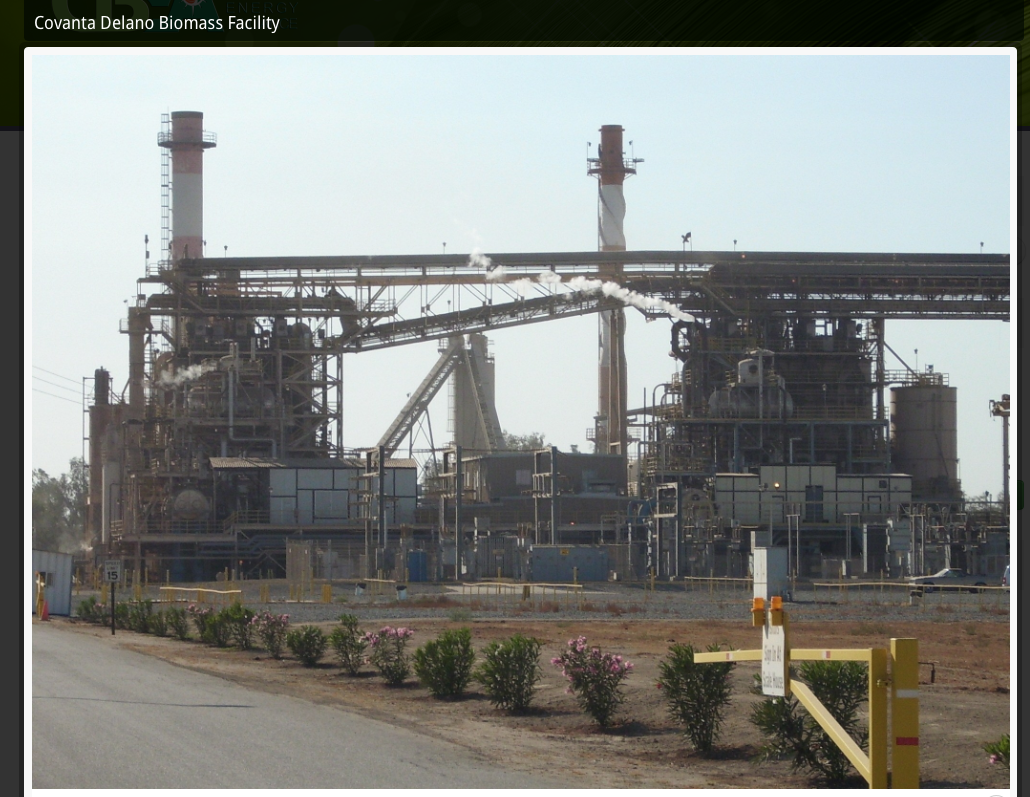 The latest sign of trouble brewing comes as news that the Valley‘s largest biomass plant in Delano will shut down next month.
Since 2012, five Valley biomass facilities have shut down operations says the District including a plant in Dinuba in September. The Valley’s largest biomass plant – Covanta Delano has stopped receiving new material as of November 1, 2015, and has informed the District that they “plan to shut down operations at the end of the year because they have been unable to secure a viable Purchase Power Agreement.”
Going To Get Worse
The staff report says“ the District is facing numerous requests from growers to burn agricultural materials due to the lack of sufficient biomass power capacity. If the biomass power capacity does not return to previous levels, this situation will only get worse, especially given the hundreds of thousands of acres of orchards, vineyards and other agricultural crops that have been fallowed in response to the drought.”
If an adequate number of feasible alternatives to open burning are not made available, the Valley may either have to roll back the successful measures that have reduced emissions from open burning of agricultural waste “ or endure the economic devastation of Valley agriculture.”
To assure that open burning of agricultural materials does not cause any violations of health-based ambient air quality standards, open burning has only been permitted under the District’s comprehensive Smoke Management System (SMS), which uses real-time meteorological information to analyze the impact of burning on air quality and appropriately limit burn allocations by area. Under the District’s SMS program, the Valley is divided into 103 zones. The amount of burning allowed in a given zone on a specific day is based on factors such as the local meteorology, the air quality conditions, the atmospheric holding capacity, the amount of burning already approved or happening in a given area, and the potential impacts on downwind populations.
The District’s stringent residential wood burning regulation has also had a significant impact on reducing agricultural burning during the peak PM2.5 season (November through February). In addition to the phase-out implemented through the agricultural open burning program, agricultural open burning is also prohibited on fireplace curtailment days, even when air quality conditions in rural areas would support some level of agricultural burning.
Effects of the Drought on Agricultural Burning
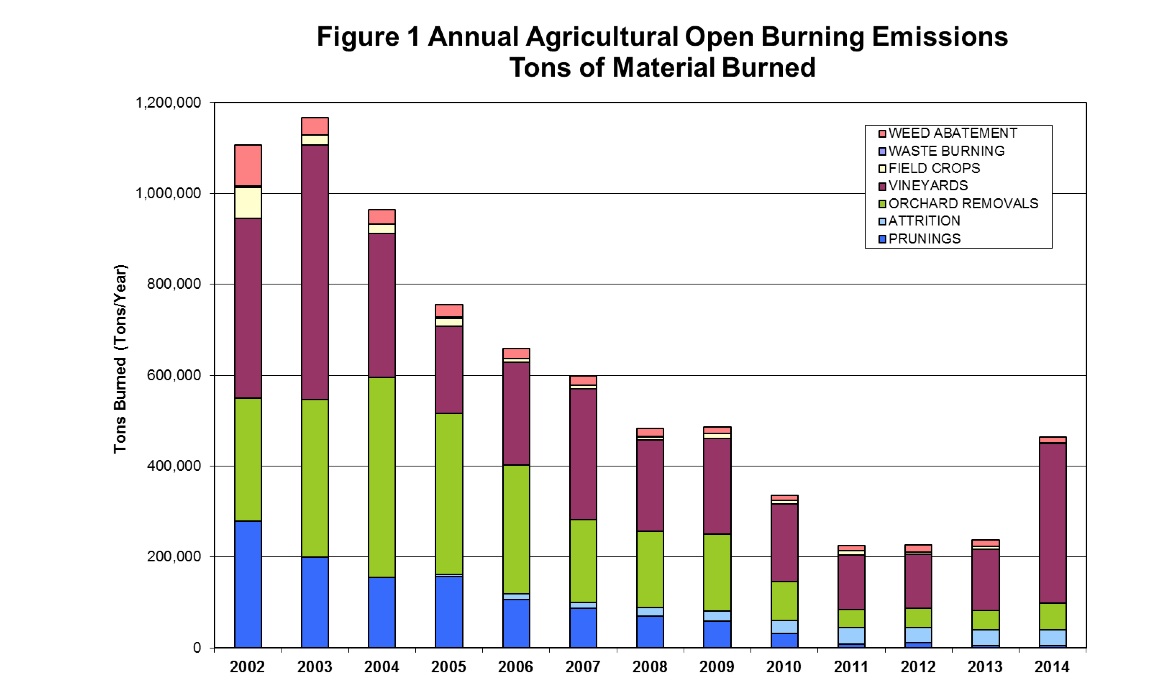
Exacerbating the reduction in biomass capacity in the Valley is the increase in agricultural waste over the past few years as a result of the extreme drought emergency currently facing California and the Western United States. There has been a major increase in agricultural burning as a result of the extreme drought conditions and the inability of agricultural operations to water their crops( see chart). To date hundreds of thousands of acres of orchards, vineyards and other agricultural crops have been fallowed in the San Joaquin Valley in response to the drought warns the report.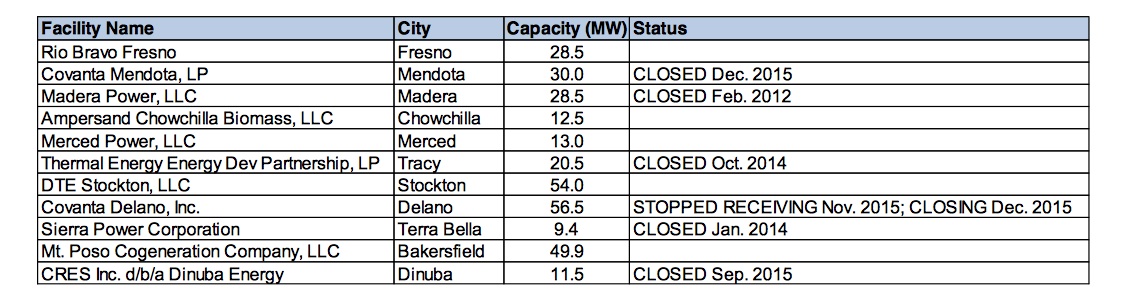
What To Do?
The staff report will ask the board to consider these measures.
1.Allow agricultural open burning for certain crop categories through a class action stipulated order of abatement as an intermediate response to the current lack of feasible alternatives to dispose of agricultural wood waste.
The loss of these facilities has considerably reduced the available options to dispose of agricultural wood waste, especially material from large orchard removals. As a result, many agricultural growers have lost the primary economically feasible disposal options for their orchard removal material. This could not come at a worse time as there has been an increase in the number of large orchard removals over the past year due in large part to the effects of the extreme drought emergency currently facing the state.
“There are currently 11 growers who have approached the District over the past month with orchard removal material sitting in the fields and the lack of sufficient biomass capacity has left no cost-effective options to clear their parcels. Timelines associated with removing and replacing a crop are tight and extremely rigid, with crop services lined up and paid for months or even years in advance.
With the insufficient biomass capacity and inability to burn the material, these growers face losing tens or hundreds of thousands of dollars if they are not able to remove the existing materials and get their new crops planted.”
Under the abatement order rule chg\ange, the class could contain only those situations where there is not a feasible alternative to open burning and where burning the material would not cause a nuisance to neighbors. If abatement orders are pursued as a remedy, the recipient will be required to pay a penalty of at least that which they would have paid to have the material chipped, hauled and disposed at a biomass plant.
2. Send a written request to the California Public Utilities Commission to extend Power Purchase Agreements with existing biomass facilities at current pricing levels similar to what is called for by the Governor’s State of Emergency proclamation on the State’s tree mortality epidemic for existing forest bioenergy facilities receiving feedstock from high hazard zones
Some History
The biomass power industry is primarily the product of the Public Utility Regulatory Policy Act (PURPA), which was enacted in 1978 at the height of the energy crisis to promote the use of alternative nonutility power generation. Today, these facilities are fully depreciated and have lost, or are nearing the ends of, their long-term contracts to sell their power to the utilities.
Much has changed in the energy markets since PURPA was implemented. Natural gas has replaced oil for electricity generation, and supplies of natural gas have increased, driving down the wholesale cost of electricity. California has adopted a Renewable Portfolio Standard (RPS) that requires 33% of the power that is purchased by utilities be renewable. This has driven competition to fill the renewable energy needs of the state. Under the RPS, Investor Owned Utilities (IOUs) have tended to favor lower cost intermittent sources of renewable power, such as solar and wind. This has left the biomass industry in a position where the power that they produce is not desirable, since most biomass plants provide baseload power instead of intermittent power, and the current rate being paid for power does not allow them to remain viable says the report.
Given the current energy policy, the biomass industry does not compete well under the current procurement policies of the state’s IOUs. Historically, the biomass facilities have demanded 12-13 cents per kilowatt-hour, which has been necessary to retain economic viability. Pricewise, this places biomass facilities at a competitive disadvantage with other renewable fuels that can be procured at a much lower cost. Under the state’s RPS, program pricing information is confidential, however, anecdotal evidence is that currently the IOUs are purchasing power from solar and wind facilities at approximately 8 cents per kilowatt-hour.”
Another factor that negatively impacts the competitive position of biomass generated power is due to the fact that such plants provide “baseload” power. As baseload generators, biomass facilities cannot produce power that can be turned on quickly, and therefore, cannot meet the power system’s demand for “ramping services”. The demand for ramping services is compounded by continued increase in the use of wind and solar renewable sources, which is partially triggered by the state’s RPS goals.
“ If current trends persist, this issue will worsen in the future. It is estimated that by 2020, solar and wind will account for three-quarters of the state’s renewable power and 20% of the state’s total electricity supply. The net effect of this is a further transition away from baseload generators to more flexible generators that can be turned-on and turned- off when needed. Under this scenario, not only do biomass facilities have difficulty competing directly on price, but they also do not provide the type of power that is desired. While under this scenario the state can meet its renewable power goals, the potential loss of biomass plants can impact the state’s broader greenhouse gas reduction goals under AB 32 by increasing GHG emissions in sectors that currently rely on biomass plants for disposal of materials including the agricultural industry, landfills, and forests.”
The District argues that “ biomass plants provide other societal benefits that may warrant additional support. Without biomass plants, much of the progress in reducing open burning is likely to be undone.”
Reducing Wildfires
Additionally, reducing fuel loads in the forest is a primary method of controlling wild fires. The biomass industry provides an outlet for forest debris and materials from forest thinning projects.
This reduces the occurrence of catastrophic wildfires and the attendant damage to public resources, property, and air quality impacts. Finally, biomass plants burn materials that would likely be placed in landfills if the plants were no longer viable, so biomass plants play a role in meeting the state’s landfill diversion requirements.
The report concludes “As we pursue potential power pricing remedies, fairness dictates that we explore potential means of compensation for the societal benefits provided by biomass plants.”_____
The staff report will ask the board to consider these measures.
1.Allow agricultural open burning for certain crop categories through a class action stipulated order of abatement as an intermediate response to the current lack of feasible alternatives to dispose of agricultural wood waste.
The loss of these facilities has considerably reduced the available options to dispose of agricultural wood waste, especially material from large orchard removals. As a result, many agricultural growers have lost the primary economically feasible disposal options for their orchard removal material. This could not come at a worse time as there has been an increase in the number of large orchard removals over the past year due in large part to the effects of the extreme drought emergency currently facing the state.
“There are currently 11 growers who have approached the District over the past month with orchard removal material sitting in the fields and the lack of sufficient biomass capacity has left no cost-effective options to clear their parcels. Timelines associated with removing and replacing a crop are tight and extremely rigid, with crop services lined up and paid for months or even years in advance.
With the insufficient biomass capacity and inability to burn the material, these growers face losing tens or hundreds of thousands of dollars if they are not able to remove the existing materials and get their new crops planted.”
Under the abatement order rule chg\ange, the class could contain only those situations where there is not a feasible alternative to open burning and where burning the material would not cause a nuisance to neighbors. If abatement orders are pursued as a remedy, the recipient will be required to pay a penalty of at least that which they would have paid to have the material chipped, hauled and disposed at a biomass plant.
2. Send a written request to the California Public Utilities Commission to extend Power Purchase Agreements with existing biomass facilities at current pricing levels similar to what is called for by the Governor’s State of Emergency proclamation on the State’s tree mortality epidemic for existing forest bioenergy facilities receiving feedstock from high hazard zones
Some History
The biomass power industry is primarily the product of the Public Utility Regulatory Policy Act (PURPA), which was enacted in 1978 at the height of the energy crisis to promote the use of alternative nonutility power generation. Today, these facilities are fully depreciated and have lost, or are nearing the ends of, their long-term contracts to sell their power to the utilities.
Much has changed in the energy markets since PURPA was implemented. Natural gas has replaced oil for electricity generation, and supplies of natural gas have increased, driving down the wholesale cost of electricity. California has adopted a Renewable Portfolio Standard (RPS) that requires 33% of the power that is purchased by utilities be renewable. This has driven competition to fill the renewable energy needs of the state. Under the RPS, Investor Owned Utilities (IOUs) have tended to favor lower cost intermittent sources of renewable power, such as solar and wind. This has left the biomass industry in a position where the power that they produce is not desirable, since most biomass plants provide baseload power instead of intermittent power, and the current rate being paid for power does not allow them to remain viable says the report.
Given the current energy policy, the biomass industry does not compete well under the current procurement policies of the state’s IOUs. Historically, the biomass facilities have demanded 12-13 cents per kilowatt-hour, which has been necessary to retain economic viability. Pricewise, this places biomass facilities at a competitive disadvantage with other renewable fuels that can be procured at a much lower cost. Under the state’s RPS, program pricing information is confidential, however, anecdotal evidence is that currently the IOUs are purchasing power from solar and wind facilities at approximately 8 cents per kilowatt-hour.”
Another factor that negatively impacts the competitive position of biomass generated power is due to the fact that such plants provide “baseload” power. As baseload generators, biomass facilities cannot produce power that can be turned on quickly, and therefore, cannot meet the power system’s demand for “ramping services”. The demand for ramping services is compounded by continued increase in the use of wind and solar renewable sources, which is partially triggered by the state’s RPS goals.
“ If current trends persist, this issue will worsen in the future. It is estimated that by 2020, solar and wind will account for three-quarters of the state’s renewable power and 20% of the state’s total electricity supply. The net effect of this is a further transition away from baseload generators to more flexible generators that can be turned-on and turned- off when needed. Under this scenario, not only do biomass facilities have difficulty competing directly on price, but they also do not provide the type of power that is desired. While under this scenario the state can meet its renewable power goals, the potential loss of biomass plants can impact the state’s broader greenhouse gas reduction goals under AB 32 by increasing GHG emissions in sectors that currently rely on biomass plants for disposal of materials including the agricultural industry, landfills, and forests.”
The District argues that “ biomass plants provide other societal benefits that may warrant additional support. Without biomass plants, much of the progress in reducing open burning is likely to be undone.”
Reducing Wildfires
Additionally, reducing fuel loads in the forest is a primary method of controlling wild fires. The biomass industry provides an outlet for forest debris and materials from forest thinning projects.
This reduces the occurrence of catastrophic wildfires and the attendant damage to public resources, property, and air quality impacts. Finally, biomass plants burn materials that would likely be placed in landfills if the plants were no longer viable, so biomass plants play a role in meeting the state’s landfill diversion requirements.
The report concludes “As we pursue potential power pricing remedies, fairness dictates that we explore potential means of compensation for the societal benefits provided by biomass plants.”_____
3 Attachments