
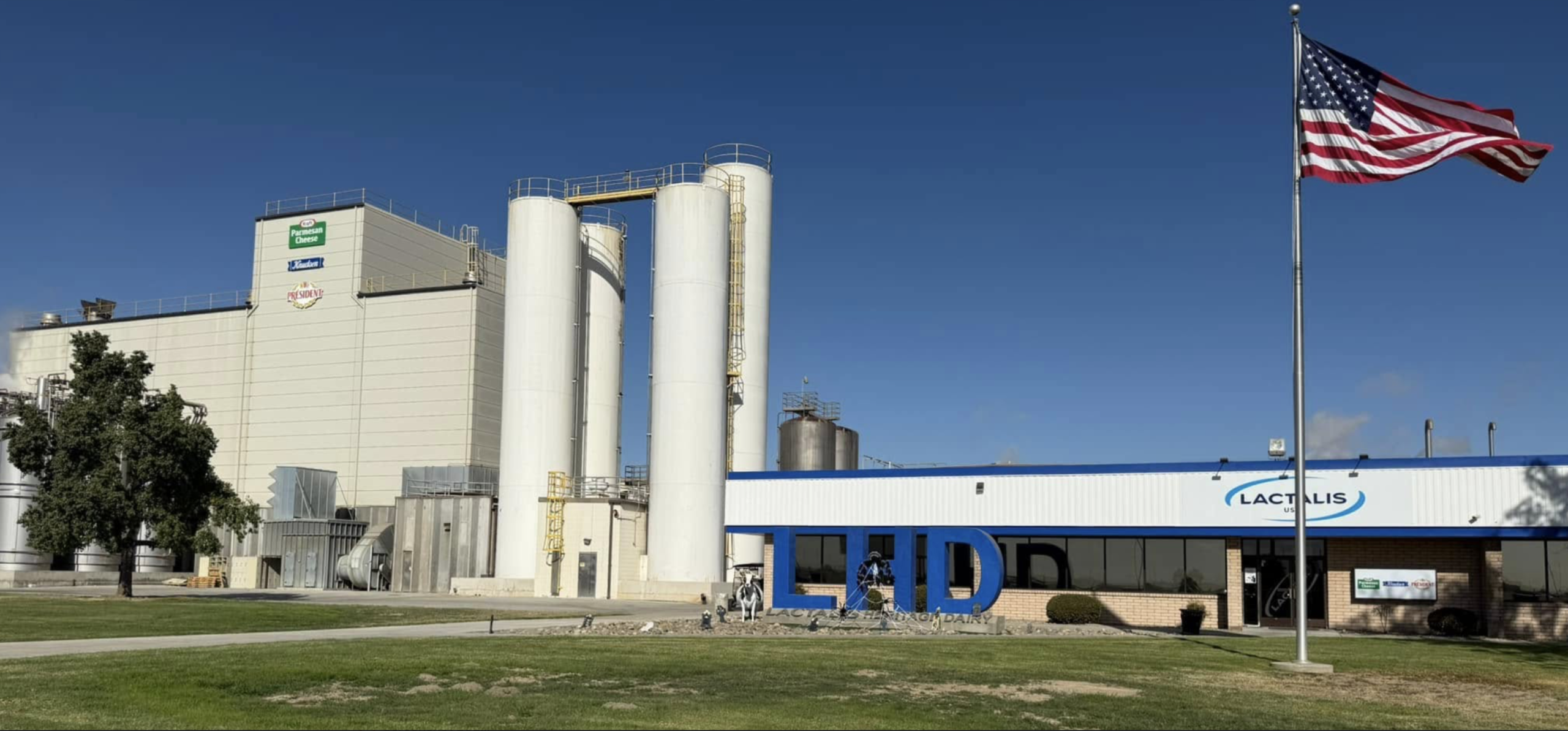
Cheese plant wants to be in hot water
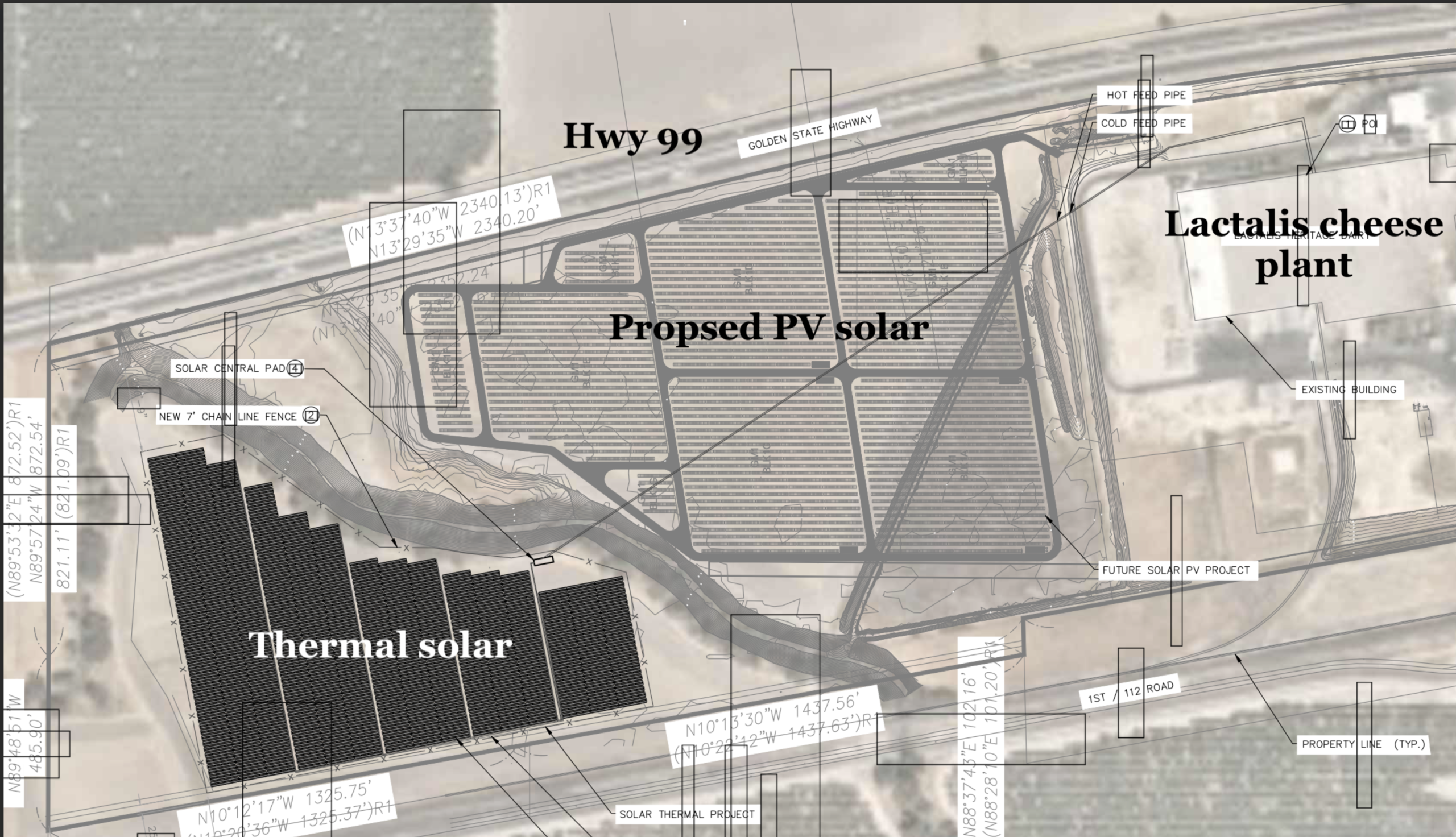
Tulare: French-owned Lactalis cheese already has approval to build a 22MW PV power producing solar array on land next to Highway 99. Now the company has filed preliminary plans to build a second solar farm next to the other – this one a thermal solar facility that generates hot water for processing work at the big cheese plant on the south end of Tulare. The project would install about 4300 collectors connected by pipeline to the plant. Thermal Solar technology is being used in food processing and provides sustainable, low-to-medium temperature heat for critical operations like pasteurization, drying, cleaning, evaporation, and cooking. It utilizes solar collectors to generate hot water, steam, or hot air, reducing reliance on fossil fuels, cutting operational costs, and increasing energy efficiency in dairies, wineries, and processing plants. Lactalis has the largest solar thermal power plant in France that replaced natural gas.
Permit issued for for new $10m Mooney hotel
Visalia: Motorists traveling to Visalia from the south will soon encounter a new 4-story, 51,000sf hotel at 4626 S Mooney Boulevard. Permits have been issued by the City of Visalia to build the $10 million hotel called Woodspring Suites in the Aldi shopping center. The 200 unit nationwide chain has one of its extended stay hotels in Bakersfield.
Visalia new home permits continue strong in February
Visalia: New home builders were issued permits for 64 units in February compared to 53 in Feb 2025. Continuing an accelerated pace seen most of last year, January and February combined saw builders permit 114 units compared to 74 for the same time in 2025.
Regarding existing home sales, the picture is not as bright. The Tulare County Association of Realtors reports in the first week of March that the number of homes for sale in Tulare County is up 10% but home
Tribe plans biochar plant in former cotton gin
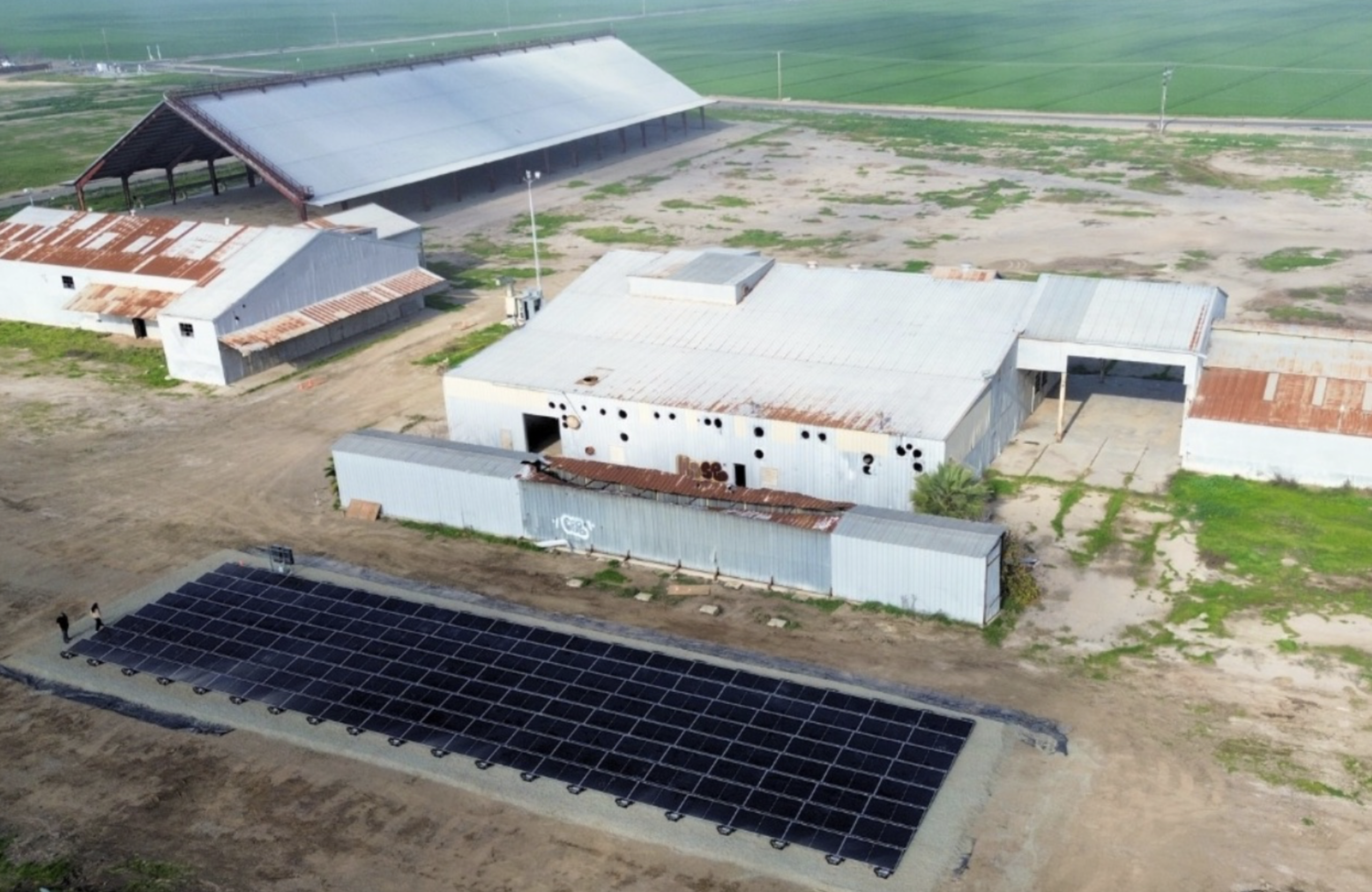
Tipton:The Tule River Economic Development Corp. is deploying a $14.7 million Environmental Protection Agency grant to build a biochar facility in Tipton allowing the tribe to generate renewable electricity and tap into carbon credit markets.
The plant- a former cotton gin site near Tipton, is expected to process up to 31,500 tons of woody biomass annually, producing about 4,500 tons of biochar and roughly 4,000 megawatt-hours of renewable power each year, according to TREDC estimates.
At current voluntary carbon market prices of about $150 per ton, each ton of biochar — representing roughly one ton of carbon dioxide removed from the atmosphere, depending on carbon content and application — could create an additional revenue stream alongside electricity sales and agricultural distribution.
Thomas E. Wilbur, chief executive officer of TREDC, said the project grew out of a federal Climate Pollution Reduction Grant the tribe pursued as environmental pressures intensified across the Central Valley.
The facility will use pyrolysis technology developed by ARTi, a five-unit system that heats biomass in low-oxygen chambers to convert it into biochar, a stable, carbon-rich material used to improve soil health and water retention. After an initial injection of natural gas, the system recycles its own heat, converting hydrogen and carbon monoxide into electricity.
Raw material is not expected to be a problem. TREDC plans to source material from both the Sierra Nevada and the surrounding agricultural corridor. Orchard trees reach the end of their productive life every 20 to 30 years, leaving behind large volumes of woody waste, Wilbur said.
“We’ve got piles and piles and piles of wood that can be used for biochar, and we’ve figured out a good way to make use of it,” Wilbur said.
Info from Tribal Business News