
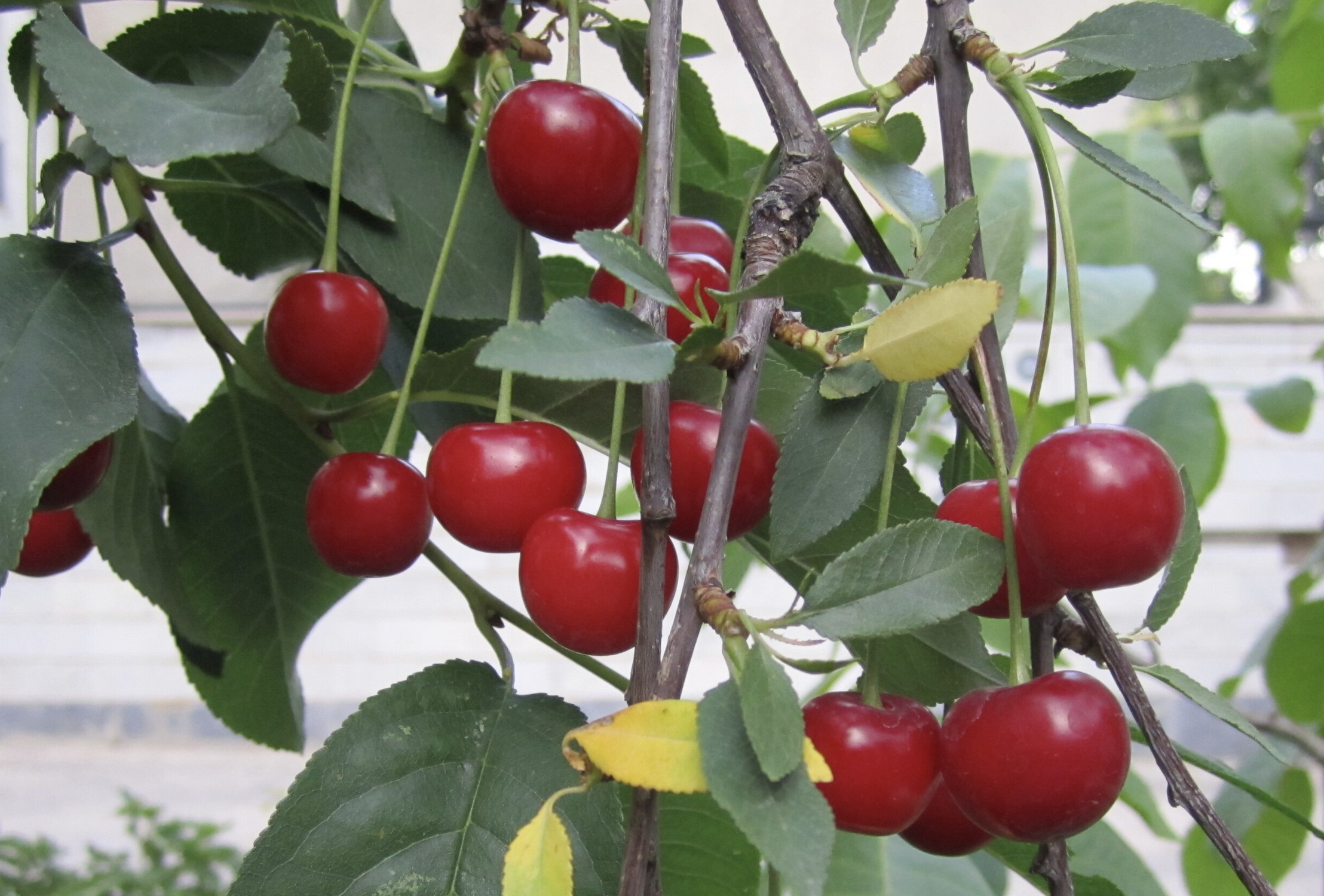
Farmers in the Northwest report that this year’s cherry season went poorly, despite a large crop with high quality. Capital Press reports that a labor shortage early in the season was followed by high retail prices derailing demand for the fruit. Cherry growers said they had a large crop of beautiful fruit but the season was a “bloodbath” or “trainwreck” due to labor and market challenges. At the start of the season, immigrant workers’ fears of federal raids resulted in a labor shortage for some farms, said Ian Chandler, chairman of the Oregon Sweet Cherry Commission. That was followed by high retail prices derailing demand.
“When the cherry returns are less than what it takes to pick, pack and grow the crop, you are losing money big-time,” grower Mike Omeg said. Dane Klindt,who grows 600 acres of cherries, said immigrant workers were hesitant to come up from California at the start of the season due to worries about Immigration and Customs Enforcement sweeps. Nearly 20 of his H-2A program workers also were held up at the border for three weeks. “I’ve been using the H-2A program for three years now and I’ve never had this happen,” Klindt said. “We were able to harvest most of our cherries. There were a few that I left on trees, but that was due to the market, not labor,” he added. Omeg said this season raised questions about the future of the cherry industry, including whether growers were producing too much fruit. Lesley Tamura, Columbia Gorge Fruit Growers board chairwoman, said farmers would need to take a hard look at their bottom lines and figure out how to make cuts. Some growers have both cherries and pears, and there’s general anxiety about pears this season due to the closure of canneries and a bigger crop. Pear orchards in the mid-Columbia region aren’t as reliant on migrant labor as cherries, however, growers said. “We are very reliant on our domestic labor force and our H-2A labor force rather than migrant workers coming out of California,” said Tamura, a pear grower. Chandler anticipated growers will walk away from cherry orchard leases in the future, especially if the acreage is marginally productive due to age, water restrictions, weather or other factors. He said it was three bad years in a row for cherries. “My wife and I are both looking for off-farm jobs,” he added. Chandler’s family farm also will take on more debt and he wondered if “little guys” can afford to keep growing cherries. Klindt expects to see more consolidation as smaller farms exit agriculture.