A bill that would impose California’s first regulations on fracking has been sent to Gov. Jerry Brown after clearing the Assembly on Wednesday, Sept. 11.
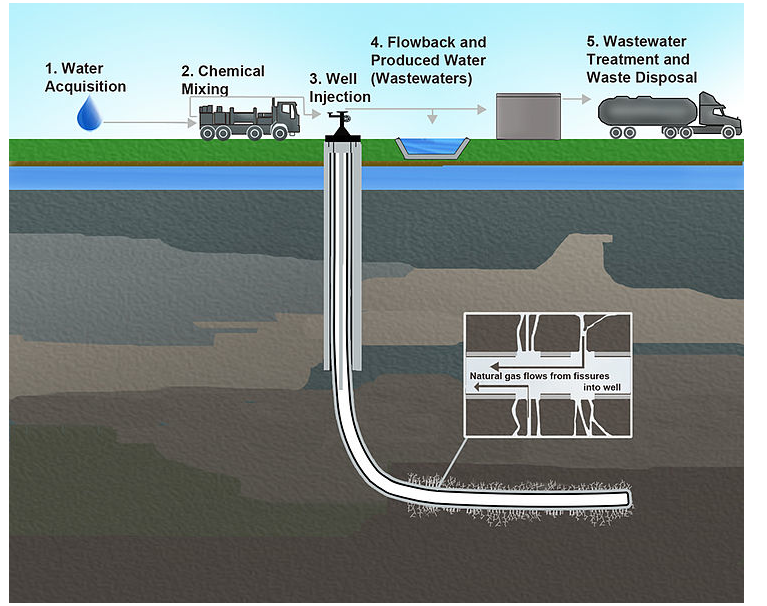
Hydraulic fracturing, or “fracking,” involves injecting a mix of water, sand and chemicals underground through a well at high pressure so that rocks split, allowing extraction of oil or natural gas. A similar method called “acidizing” dissolves rock to reach pockets of petroleum.
SB 4, sponsored by State Sen. Fran Pavley (D-Agoura Hills), would set rules and regulations for both fracking and acidizing. Brown publicly endorsed SB 4 this week and is expected to sign the legislation.
The bill would enact, by 2015, a regulatory framework made up of several components, including:
- Requiring well operators to obtain permits from the California Department of Conservation’s Division of Oil, Gas, and Geothermal Resources (DOGGR) in advance of any “well stimulation” treatment such as fracking or acidizing.
- Enabling owners of property near fracked wells to receive notice of fracking activities and the ability to request water quality sampling.
- Tasking DOGGR and other appropriate state agencies with amending rules and regulations concerning the construction of wells and well casings.
- Requiring DOGGR to develop and maintain a publicly available database where fracking activity in California can be tracked transparently.
- Allowing well operators to keep confidential their “trade secret” chemical mixtures used for fracking, but requiring their disclosure to DOGGR and as necessary to health professionals.
- Requiring the Natural Resources Agency to complete a study of the possible hazards and risks of fracking.
- Authorizing civil penalties of between $10,000 to $25,000 per day against violaters of the well stimulation requirements.
Environmentalists and the oil industry engaged in heated debate about the safety of fracking during this year’s legislative session. State lawmakers held hearings on possible impacts to water quality as the California Department of Conservation’s (DOC) Division of Oil, Gas, and Geothermal Resources (DOGGR) began late last year to consider how fracking would be regulated.
Critics contend that fracking chemicals can leach into groundwater and pollute drinking water sources, and some believe that the injection of high-pressure fluids can even cause flurries of earthquakes. Supporters, meanwhile, say that fracking could be an economic boon for the state if the drilling process can tap into the Monterey Shale, an expansive rock formation in the San Joaquin Valley believed to contain a lucrative oil reserve.
“There are still many unanswered questions about the use and impacts of fracking and acidizing, and it is in the interest of all Californians to monitor and regulate these practices,” Pavley said in a statement released Sept. 11 after the Assembly voted 48-17 in favor of SB 4. The state Senate later concurred.
Reaction to the bill has been mixed this week. Some environmental groups claimed that late amendments to SB 4 had watered down the bill and urged Pavley to withdraw the bill.
Earlier this year ACWA took a “support” position on SB 4, citing the need to disclose the amount and type of chemicals and fluids used in fracking in order to protect California’s water quality.