
-August 11,2023-
from ISO
 California has ambitious climate targets in an effort to decarbonize its electric grid and combat climate change. To help reach these goals, which include generating energy in a greenhouse gas-neutral manner by 2045, the California Public Utilities Commission (CPUC), the California Energy Commission (CEC), and the California ISO have worked collaboratively to construct plans to transition from the current fleet, which is predominantly natural gas generation, to a fleet where most of the energy consumed in the state comes from renewable sources.
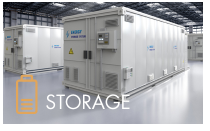
Representing the largest concentration of lithium-ion battery storage on any grid in the world, the growing storage capacity – we reached 5,600 MW as of July 1 – is critical in decarbonizing the bulk power system and to our ability to keep the power flowing as California transitions to a carbon-free system. This is a testament to the state policy makers, regulators, utilities, and storage developers who have worked so hard to get us to this point.
The 5,000 MW milestone represents a 10-fold increase from 2020 when we had just 500 MW. Nearly all of these resources are lithium-ion 4-hour duration batteries and by 2024 the CPUC plans call for build outs that exceed 10,000 MW of aggregate storage on the system. This pace of adoption enhances reliability during the most challenging times of the day like relate even when solar resources head down and helps ensure that new and existing solar resources are more effective on the grid.