
-March 31,2020-
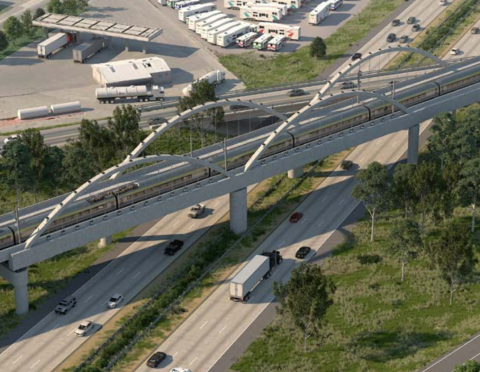
In a March 25 letter to the Board of the California High Speed Rail Authority the Kings County Association of Governments (KCAG) said they would support that agency’s recent 2020 Draft Business Plan that would include a rail stop at Hanford’s Kings/Tulare station.
Executive Director Terri King says the Kings government group supported writing the letter of support by a 3 to 2 vote, the first time any government agency in this county has voted support of any kind for the controversial project.
KCAG now joins the Tulare EDC and the City of Visalia in support of the plan that would insure funds are spent to electrify the 171-mile line Interim Operating Segment extending north to Merced and south to Bakersfield. That would be coordinated with improvements aligned with the State Rail Plan north of Merced to Sacramento and to the Bay Area and bus connections south of Bakersfield to Southern California. Benefits of the plan include
– Merced to Bakersfield interim service will generate significant economic benefits, with the $20.4 billion capital program projected to generate about $38 billion in total economic activity and over 200,000 job-years of employment.
-Reduces travel times for rail passengers between Sacramento and the Bay Area to Bakersfield by up to 90 to 100 minutes.
-Provides much faster, more frequent and more reliable passenger rail service than is currently available in this corridor; more than doubling service frequency – more than doubling passenger rail ridership in the corridor.
-Improve access and connectivity to other California destinations through better connections with expanded Altamont Corridor Express (ACE) and San Joaquins rail services to the north at a multimodal hub in Merced and Thruway Bus Service at Bakersfield for travel to Southern California.
-Corridor-wide ridership increasing from 2.6 million passengers in 2017 to 8.8 million passengers in 2029 that results in reduced state subsidies for passenger rail services.
-Improves air quality in the Central Valley and reduces GHG emissions by shifting from diesel to clean, electrically powered trains.