
Tulare’s Cartmill interchange is still $7 million short of breaking ground at the key north Hwy 99 access area. But a contingent of local officials huddled with both elected and Cal Trans reps in Sacramento in the past few weeks and were encouraged by the assurances that the California Transportation Commission (CTC) would hear a staff supported agenda item requesting the funding at their December or January meeting.That would allow the $37 million project to go to bid in early 2014 says Tulare city engineer Mike Whitlock.
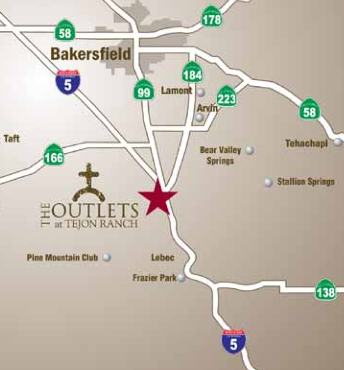 Tulare’s factory outlet mall will no longer be the only outlet mall in the South Valley with construction of the Tejon Outlets at the Grapevine now underway.A total of 325,000 square feet of leasing space, much of which has already been committed says the developer, with more than a half-mile of frontage along Interstate 5. The promoters say 3.2 million people with high disposable incomes live within an hour’s drive. Tulare’s draw might suffer as travelers from LA come upon the new property an hour and a half before they pass by Tulare. Also,Tulare gets visitors from Kern County residents who now will have another choice nearby. The new Grapevine mall should open next summer. Tejon Ranch also competes with Tulare County for warehouse distribution tenants.
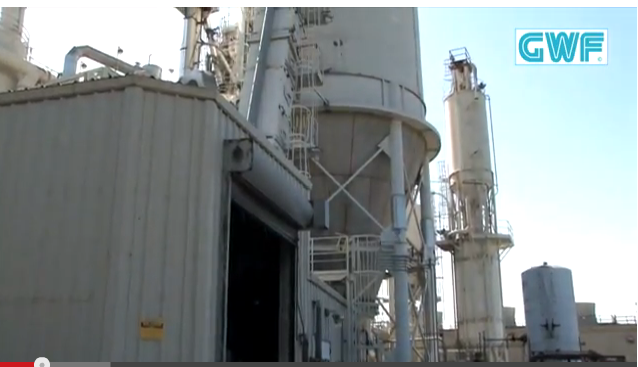
A dismantling company will take 3 months to scrap the former GWF power plant in Hanford with the failure of an auction of the 25 megawatt facility that burned petroleum coke for its power source. The scrapping of the facility ends a 20-plus year chapter of debate over the fuel source. The petroleum-fueled power plant in the Hanford industrial Park shut down in 2011. GWF first wanted to burn coal to open the plant but settled on petroleum coke, an oil refining by-product after area residents filed suit. Still, the fuel source is considered dirty by today’s tougher standards. Utilities who buy the power, now favor cleaner burning natural gas and renewable energy. GWF has several “peaker plants” in the area including one next door that still runs during summer months. Hopes that someone would convert the Idaho Ave facility to a cleaner fuel source never happened and now the plant will be sold off for parts. The 5.5 acres of land will then be for sale say sources.
Fewer beef eaters: USDA projects that per capita consumption of beef in 2014 to be 54 lbs – down 4.8% from 2013 and down 1.2% from 2012. That about matches production expectations.Beef prices remain high due the drought that affected corn prices and resulted in smaller herds.
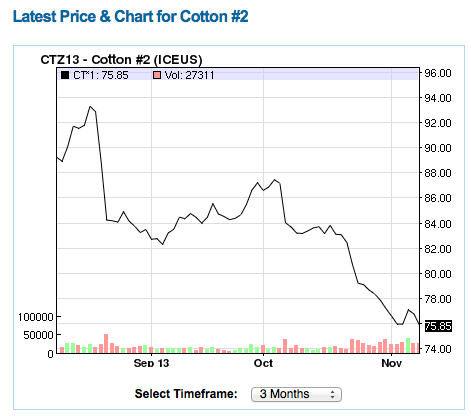
Valley cotton growers are watching the futures market for their product spinning lower after China said they would release stockpiles they have to feed their garment industry. That would of course reduce demand for US cotton for a while. World cotton prices are down to the 75 cent level from the mid 90s in September.
If the don’t pick our cotton, the Chinese are sure lapping up our milk. Chinese demand for imported UHT milk is soaring. Consumption jumped from nearly 18 million lbs. in 2010 to a forecast 331 million lbs. this year, according to a new research study from the U.S. Dairy Export Council (USDEC). Demand scenarios suggest China’s appetite for imported UHT milk could grow fourfold to more than 1.3 billion lbs. by 2020. USDEC is funded primarily by U.S. dairy farmers through the producer checkoff.
“The rapid growth of China’s UHT milk market is creating opportunities for the United States to further extend its reputation as a global supplier,” says Ross Christieson, USDEC senior vice president, market research and analysis. “The U.S. industry produces large volumes of UHT milk annually, yet we have played only a minor role in serving booming Chinese consumption to date. Our research suggests that can and should change, particularly given that Chinese buyers have expressed growing interest in U.S. supply to meet spiraling demand.”
UHT or ultra high temperature milk refers to milk heat-treated and packaged to provide a 9-12-month shelf life without refrigeration. The Chinese UHT import market was worth $76 million in 2012. In just the first six months of 2013, value topped $85 million. China is the largest packaged fluid milk importer in the world, and it is growing larger.