
August 13,2014
New Almond Trees Up 25 Percent
There were at least 8.33 million almond trees sold by California nurseries since July 1, 2013. This represents a 25 percent increase from those sold a year earlier. Of
those sold since July 1, 2013, 72 percent were used for new plantings, 24 percent were used to replant an already existing almond orchard and 4 percent were used to replace trees within existing orchards. Based on a new planting average of 125 trees per acre per the Almond Acreage Survey, almost 67,000 acres of almonds have been planted since the middle of 2013.
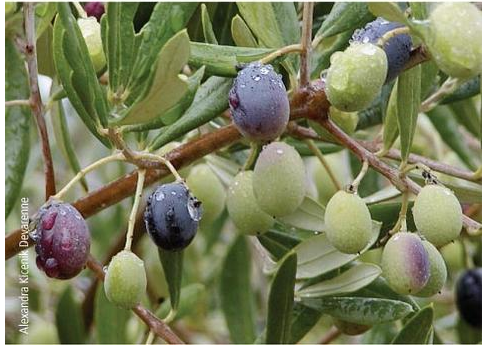 2014 Olive Down 45 Percent
The 2014 California table olive forecast is 50,000 tons, down 45 percent from last year’s crop of 91,000 tons, according to a survey conducted by the USDA, National Agricultural Statistics Service. Bearing acreage is estimated at 23,000 for a yield of 2.17 tons per acre. The Manzanillo production forecast is 41,000 tons and the Sevillano production forecast is 7,500 tons. Other varieties are expected to total 1,500 tons.
The California table olive crop is down due to a variety of setbacks after last year’s harvest, including a hard freeze in December, another freeze and wind during
bloom, and the lack of water to allow the crop to fully produce. Some growers were not even sure they would harvest what they had due to lack of sufficient production or the lack of labor. The southern growing areas in particular have been impacted by the drought.
RAISIN-TYPE GRAPE PRODUCTION DOWN 13 PERCENT FROM THE 2013 FINAL PRODUCTION
The California raisin-type variety grape forecast is 1.95 million tons, down 13 percent from the 2013 final production. Based on the objective measurement survey conducted by the National Agricultural Statistics Service (NASS) in cooperation with the California Department of Food and Agriculture (CDFA), bunches per vine totaled 36.5, compared to last year’s record bunch count of 47.7. Acreage of bearing age is 200,000.
The 2014 California raisin-type grape crop has struggled with lack of water. Hail in the spring hit some vineyards during bloom. Crop development is ahead of last year, which was already an early year.