
FDA: Phase Out Growth Related Antibiotics in Farm Animals
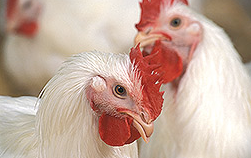 The Food and Drug Administration (FDA) is implementing a voluntary plan with industry to phase out the use of certain antibiotics for enhanced food production.
Antibiotics are added to the animal feed or drinking water of cattle, hogs, poultry and other food-producing animals to help them gain weight faster or use less food to gain weight.
Because all uses of antimicrobial drugs, in both humans and animals, contribute to the development of antimicrobial resistance, it is important to use these drugs only when medically necessary. Governments around the world consider antimicrobial-resistant bacteria a major threat to public health. Illnesses caused by drug-resistant strains of bacteria are more likely to be potentially fatal when the medicines used to treat them are rendered less effective.
FDA is working to address the use of “medically important” antibiotics in food-producing animals for production uses, such as to enhance growth or improve feed efficiency. These drugs are deemed important because they are also used to treat human disease and might not work if the bacteria they target become resistant to the drugs’ effects.
“We need to be selective about the drugs we use in animals and when we use them,” says William Flynn, DVM, MS, deputy director for science policy at FDA’s Center for Veterinary Medicine (CVM). “Antimicrobial resistance may not be completely preventable, but we need to do what we can to slow it down.”
FDA is issuing a final guidance document that explains how animal pharmaceutical companies can work with the agency to voluntarily remove growth enhancement and feed efficiency indications from the approved uses of their medically important antimicrobial drug products, and move the therapeutic uses of these products from over-the-counter (OTC) availability to marketing status requiring veterinary oversight.
Once manufacturers voluntarily make these changes, the affected products can then only be used in food-producing animals to treat, prevent or control disease under the order of or by prescription from a licensed veterinarian.
“This action promotes the judicious use of important antimicrobials, which protects public health and, at the same time, ensures that sick and at-risk animals receive the therapy they need,” says CVM Director Bernadette Dunham, DVM, Ph.D. “We realize that these steps represent changes for veterinarians and animal producers, and we have been working to make this transition as seamless as possible.”
Drugs Primarily in Feed
Flynn explains that all the drugs affected by this plan are antibacterial products. They have long been FDA-approved for production (e.g. growth enhancement) purposes as well as for the treatment, control or prevention of animal diseases. Even today, he says, it is not entirely understood how these drugs make animals grow faster. The drugs are primarily added to feed, although they are sometimes added to the animals’ drinking water.
Bacteria evolve to survive threats to their existence. In both humans and animals, even appropriate therapeutic uses of antibiotics can promote the development of drug resistant bacteria. When such bacteria enter the food supply, they can be transferred to the people who eat food from the treated animal.
In 2010, FDA called for a strategy to phase out production use of medically important antimicrobial products and to bring the remaining therapeutic uses under the oversight of a veterinarian. The guidance document that FDA is issuing on Dec. 11, 2013, which was previously issued in draft form in 2012, lays out such a strategy and marks the beginning of the formal implementation period.
The agency is asking animal pharmaceutical companies to notify FDA within the next three months of their intent to voluntarily make the changes recommended in the guidance. Based on time frames set out in the guidance, these companies would then have three years to fully implement these changes.
Why Voluntary?
Flynn explains that the final guidance document made participation voluntary because it is the fastest, most efficient way to make these changes. FDA has been working with associations that include those representing drug companies, the feed industry, producers of beef, pork and turkey, as well as veterinarians and consumer groups.
“Based on our outreach, we have every reason to believe that animal pharmaceutical companies will support us in this effort,” says Michael R. Taylor, FDA’s deputy commissioner for foods and veterinary medicine.
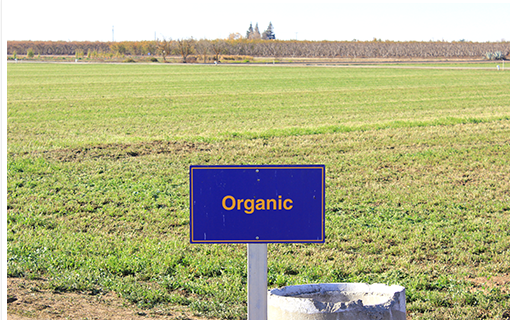
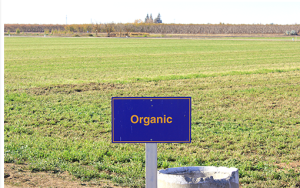 Organic Research Capability at Kearney Field Station
Author: Alison L Kent
December 11, 2013
Organic certification is almost complete for over 8 acres within the Kearney Agricultural Research and Extension Center. The acreage also has an apiary extension/teaching field laboratory with flowering pasture. The U.S. organic market is relatively new, with the USDA only adopting national standards for organics in October 2002. Trends in organic farming show that the vegetable and fruit market has grown about 50% since 2011. Farmers are often willing to make the transition to organic farming because they can command much higher prices for their produce, though the organic certification process can be lengthy and rigorous. In response to the increasing demand for organic farming, KARE’s 8 acres were identified in 2006 to develop a field for meeting organic protocols.
An organic alfalfa research project evaluating seeding dates, weed pressures, companion planting and cultural practices for weed control and yield data was recently successfully completed. This year, an organic alternative to conventional soil fumigation for crown gall control in walnut nursery settings has been initiated. Anaerobic soil disinfestation is being evaluated as a novel approach for control of soil borne pathogens.
Kearney’s Research Advisory Committee welcomes research proposals from those interested in working on alternatives to conventional growing methods. See Research Proposal Forms for more information on applying for research funds.