
 Gateway Communities Lose Millions Of Dollars
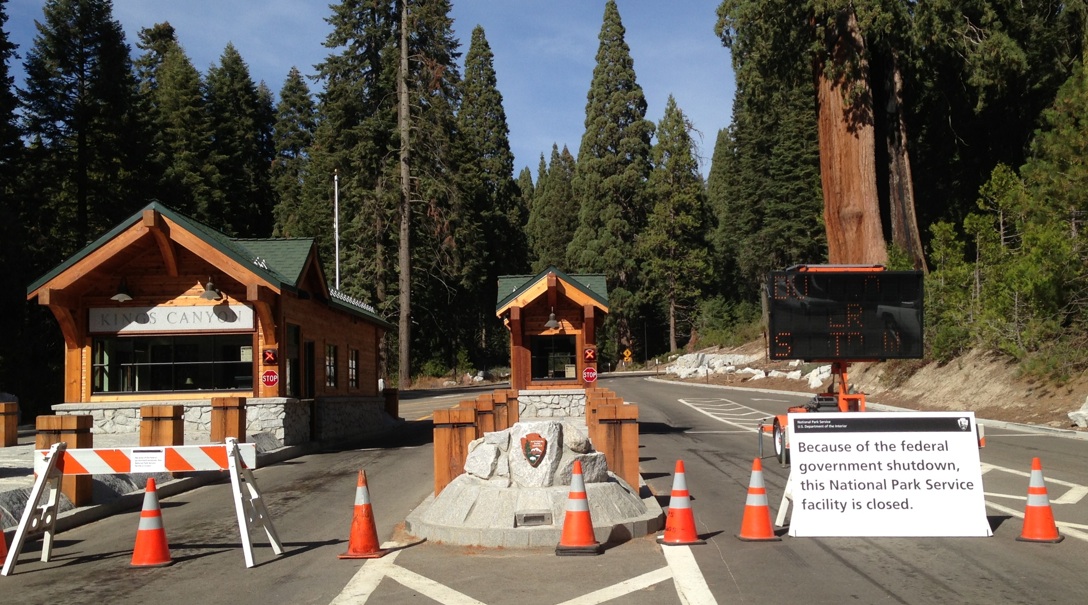
After 16 days of being shut down by the drama in Washington – the Central Valley’s largest tourist draws have re-opened for business.The news is welcome by the Valley’s gateway communities, at the base of these world famous national parks – Yosemite,Kings Canyon, Sequoia Park and Sequoia National Monument – who have been hard hit by visitor cancellations, job layoffs and big financial losses said to be in the millions.Yosemite receives an average of nearly 4 million visitors a year meaning as many as 150,000 tourists were turned away during this 16 day period. Sequoia and Kings Canyon get around 1.7 million tourists a year combined. Parks’ spokesperson Dana Dierkes says that Sequoia gets about 4000 visitors a day who want to visit the Big Trees during October meaning that perhaps 64,000 tourists were turned away in the past several weeks.The news that the parks were shuttered has reverberated in Europe where some long-made plans to visit the Western US this Fall are now long-gone despite the end to the shutdown. A state tourist industry exec says the shutdown has had a “negative impact on current international and domestic travel, as well as future bookings.”
“Early October is a huge time for visitors – particularly Europeans” says Sequoia Natural History Association director Mark Tilchen. The nonprofit group has felt the pain itself laying off 13 staffers during the government shutdown. Tilchen estimates the organization that offers educational, interpretation, research and the natural and historic preservation in these parks lost about $80,000 in revenues from visitors not spending money entering Sequoia’s Crystal Cave, run by the group, or at parks gift stores where the SNHA gets a cut.
Echoing what Three Rivers merchants said about their summer business Tilchen says Crystal Cave visitation was up 5% this summer but that the “closure in last few weeks in October have erased that.”
Yesterday SNHA hosted a dinner for laid off employees of the Park as a morale booster says Tilchen that turned into a celebration once news came out – folks were going back to work.
That’s good news for the Parks private concessionaires particularly Delaware North with National Park facilities in both Sequoia and Yosemite that were closed along with lodges in Grand Canyon and Niagara Falls.
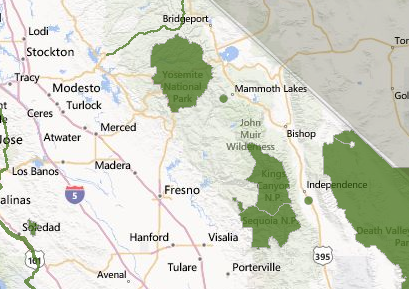 Inside Yosemite,Kings Canyon and Sequoia boundaries 7 hotels where shut down for some period but finally open late this week.
In the community of Three Rivers the owner of one the popular motels, Glenn McIntyre of the Gateway Lodge, led a letter writing campaign to lobby our congressmen to end the budget standoff.
At a community meeting on the shutdown National Parks spokesperson Dana Dierkes stated that in October about 4000 visitors enter the park on a daily basis. The shutdown furloughed 284 NPS employees while 63 continued to work.
How They Voted
The congress members representing the parks include the GOP’s Devin Nunes who voted in favor of re-opening the government this week while another Republican – Tom McClintock who represents the Yosemite area – voted no. The votes reflect the split in the Republican party. Also voting yes to re-open were he GOP’s Kevin McCarthy of Bakersfield and the 21th District’s David Valadao while Jeff Denham of Oakdale voted no.All Democrats voted yes.
Another Three Rivers hotel owner Buckeye Lodge’s Dennis Villavicencio added that the foothill community’s businesses were ”bleeding money right now” that will never be recovered, he told the Three Rivers newspaper.
Taxes Lost
The sudden cut in revenues has hurt private business as well as the cities that depend on that spending.Tulare County’s travel impacts were nearly $400 million in visitor spending 2011 according to a Dean Runyon Associates study – with tax receipts of nearly $25 million.
Kern and Tulare County gateway towns near the Sequoia National Monument were also affected by the closure. Ironically, many foreign visitors turned away at Sequoia Park headed out to see the Giant Sequoias in lesser known reserves like Tulare County’s Balch Park and the state park Mountain Home – both near Springville.
The impact on the communities surrounding Yosemite was compounded by September’s RIM Fire that scared visitors away during the height to the travel season.
During the shutdown Yosemite Park was called a “ghost park” by one employee,Dan Williams quoted in the Bee as motorists who did use the highway to Tioga Pass were warned not to stop – even for a photo.
“I remember there was a Japanese family that arrived and there was a grandmother in the back of the sedan and she wanted to see a giant sequoia,” Williams said. “I remember having to say, ‘No, you can’t do that,’ and turn them around, and they got so close.”
If the unexpected shutdown ruined visitor plans it was tough for businesses who service the Yosemite visitor economy.
The Mariposa Chamber of Commerce released this statement on the financial impacts on October 8.
“With Yosemite Gateways still reeling from the Rim Fire, a government shutdown that forces Yosemite National Park to close will hit this region with a one two punch that will have crippling effects to our communities. It will take years to recover. Some businesses may not even survive.
The trickle down impact from over 1600 employees being laid off or furloughed from both the National Park Service and the Concessionaires inside that park will add to the disastrous effect this government shutdown yields on our local businesses. For our small rural community this equates to approximately 25% of our workforce. These unintended victims will have to hold off on purchases, cut back on simple things like dining out, and perhaps even feel it necessary to delay medical treatments. Thus deepening the effect of the government closure has on all of us.
When this happened seventeen years ago, it was winter time. We are still on the high end of our shoulder season, plus we need to account for seventeen years of inflation. Therefore, we can only anticipate the damage to be the same if not worse than it was in 1995. Then lodging occupancy dropped by 80% in Mariposa County. The concessionaire inside Yosemite National Park lost between $200,000 and $300,000 a day with hundreds of thousands more being lost daily from the gateway’s outside of Yosemite.”
That includes Fresno that advertises itself as the gateway to Yosemite and includes the Yosemite name in their airport. The Dean Runyan study says Fresno had 2011 travel spending of $1.23 billion and tax receipts of some $81 million. Travel related employment tops 12,250.
Mariposa Chamber executive director Kathy McCorry says earlier this week some lodges near the park had just a 5% occupancy as visitors trying to enter the park were turned away unless they simply drove through on the way to Hwy 395 on the state’s east side.
The same Dean Runyan study says visitor spending in Mariposa County in 2011 was about $356 million with tax receipts of $22 million.
Now that the gates are open McCorry says starting today the chamber will launch a massive media campaign with the help of a newspaper and TV station offering free exposure to get the visitors coming back.People who complain about the crowds in Yosemite might want to take this unique opportunity.
“All Trails Lead To Mariposa” is the kickoff campaign.
Mariposa County needs the money.The Dean Runyan study says 92% of Mariposa’s tax revenues comes from visitor spending.