
Visalia saw 95 degree weather in mid-March
NOAA has published a listing of Western US counties that experienced the warmest winter since 1895 when records were first kept. Tulare County is on the list. So were a number of other California counties from Riverside in the south to Santa Barbara on the coast. Here is the US map shown in red for the counties who recorded all-time high average temperatures for December through February this winter. The map shows the geography of the scorching temps that extended to 10 states.The map shows the heat wave reaching Oklahoma in the east, Idaho to the north and across southern California. The salmon color on the map indicates counties that were “much above” the average- so the entire western US was extremely hot.
NOAA map of counties that experienced warmest winter(25/26) in 131 years
Here are the average temperature graphs for Tulare, Santa Barbara and Riverside counties.
Tulare County’s average three month winter temps according to the graph is about 5°F warmer this year than the turn of the century. Scientist, Daniel Swain says Central Valley temps this winter would’ve been warmer if it wasn’t for a heavy blanket of truly fog this winter.
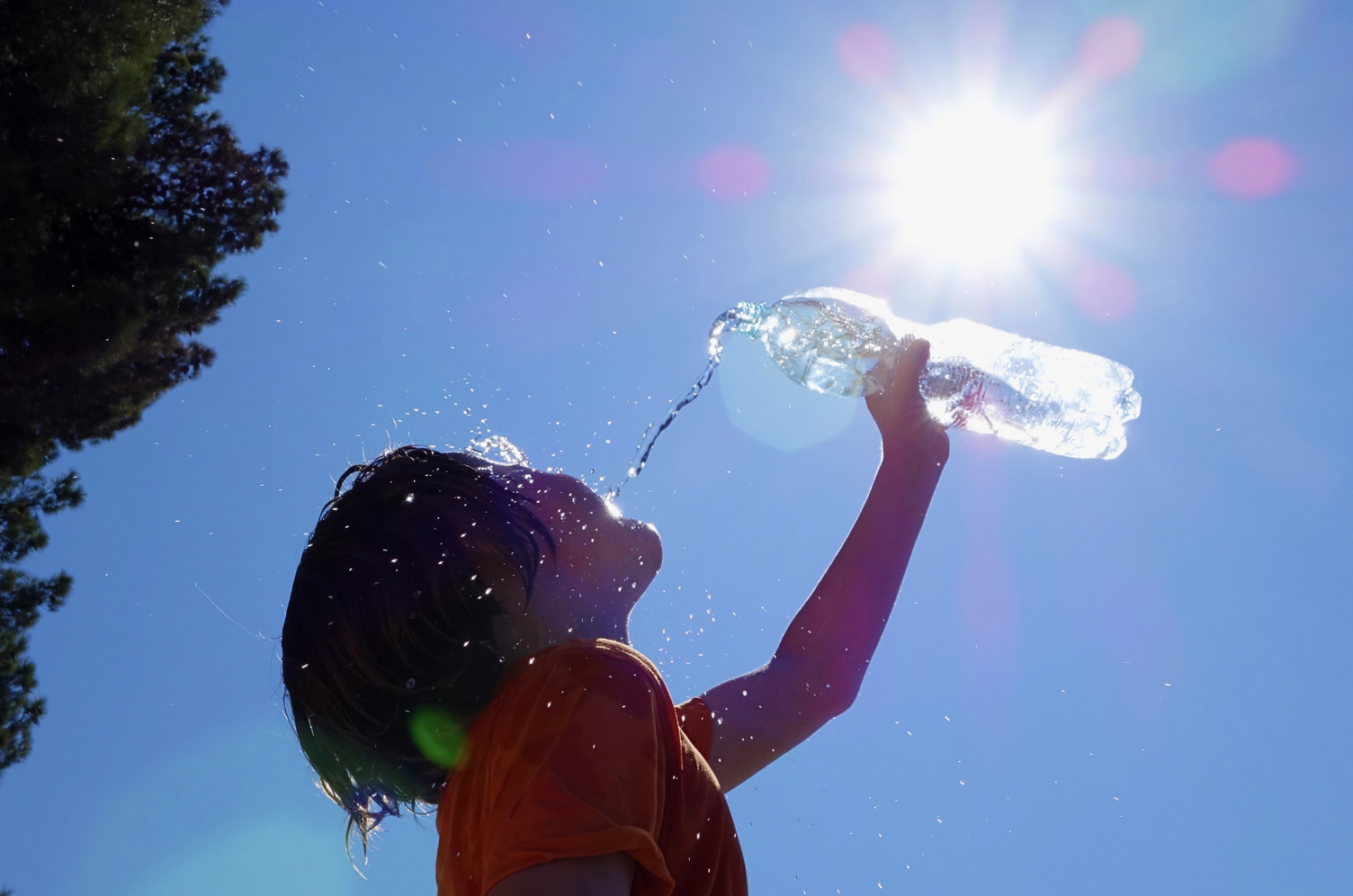
Visialia to see 95F in a few days
This winter’s warm temps are now extending into March with the region about to be hit with summer-like temps- 95 degrees in Visalia and in the Sierra typically snowy Grant Grove at 6500ft, is expected to reach 76 degrees in the next few days.
The warmer winters have of course negative and positive implications. Google offers the following:
Agriculture & Ecosystems: Warmer temperatures can cause “false springs,” where plants bloom early only to be killed by later frosts. Many fruit trees, like apples and peaches, also struggle because they require specific “chilling hours” to produce fruit.
Water Supply: Less snowfall and earlier snowmelts reduce the natural water storage provided by mountain snowpacks, leading to increased drought risks in the summer.
Public Health: Warmer winters allow disease-carrying insects like ticks and mosquitoes to survive longer and expand into new territories, increasing the risk of Lyme disease and West Nile virus.
Extreme Weather: Counterintuitively, a warmer atmosphere can hold more moisture, leading to more intense winter storms. Additionally, a warming Arctic can destabilize the jet stream, occasionally pushing the polar vortex south and causing brief but extreme cold waves.
In Tulare County, a big negative of warmer winters for both Ag and Sierra environments is where pests are able to over winter and won’t be killed off further weakening crops and forest making them more prone to damage or wildfires.
On the plus side consider these points
Lifestyle and Economic Benefits
- More Opportunities for Physical Activity People are generally more motivated and likely to exercise outdoors when the weather is pleasant. Warmer winters make year-round activities like walking, jogging, or gardening more accessible.
- Lower Heating Costs Milder winters require less energy for heating homes, which can lead to significant savings on utility bills.
- Reduced Wear and Tear There is less need for expensive winter gear and less damage to vehicles and infrastructure from frost, snow, and ice.
- Longer Growing Seasons For some agricultural areas, warmer winters can extend the growing season, potentially benefiting plant growth, though this can be a “two-edged sword” due to increased pests and water management issues.
- Easier Transportation Less snow and ice can reduce transportation delays and accidents, benefiting both individuals and shipping commerce.
KQED reports on climate scientist Daniel Swain’s view.
Daniel Swain, a climate scientist with UC Agriculture and Natural Resources, said it’s clear from the warm forecast that “there will be no Miracle March,” or when a dry winter turns into a snowy one with late-season cold storms.
“We’re going to get to April 1, and we’re going to have some scary snowpack numbers, essentially everywhere,” Swain said in his latest YouTube office hours.
Swain said the above-average heat is “not going to be a short-duration heat wave” and could last two weeks, even though it “won’t be equally hot the whole time everywhere.”
A record warm winter and a record snowless winter are the “single most obvious” signals of the effects of human-caused climate change, he added.