
-September 24,2019-
from New York Times
 It was a long, hot summer, like most in the San Joaquin Valley. The pistachio trees planted in orderly rows — and the growers who nurture them — are accustomed to harsh conditions. With their deep roots and tough, gnarly branches, pistachio trees are hardy, tolerant of salty soils and brutal heat waves. Some can live for centuries.
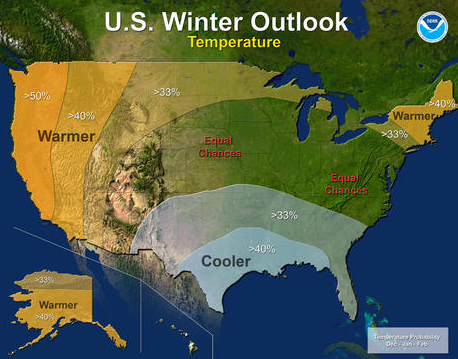
But while sweltering summers are the norm in this part of central California, there’s a new, existential threat to these trees, one that scientists warn could spell the end of the pistachio harvest: warmer winters. Many crops are facing similar threats as agricultural regions across the world experience previously unseen extremes in heat, rain and drought.
Chilly winters are critical to nut and fruit trees, particularly pistachios. To break their slumber and spread their pollen, pistachios need to spend about 850 hours, or five weeks, at temperatures below 45 degrees.
So as the San Joaquin Valley warms and its cooling fogs retreat, growers have found their orchards out of sync: Many male trees are no longer producing pollen when the females need it.
After suffering a billion-dollar loss from a recent warm winter, California pistachio growers don’t need much convincing that their livelihoods are endangered by climate change. Heeding warnings that the industry may not survive past the middle of the century, they are among the world’s earliest adapters. Scientists are wrangling and crossing genes to breed trees that can survive a warmer world, and growers are hedging their bets by planting experimental trees that need fewer chilly days.