
Tariff battle doesn’t help
August 22,2018-
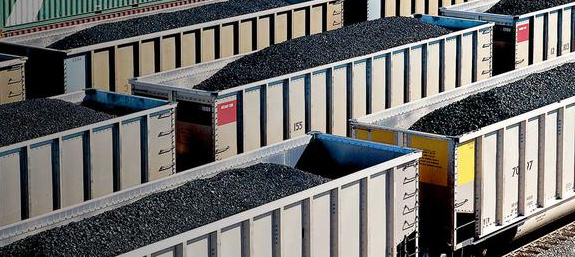 Union Pacific reports rail shipments of coal year to date by the company is down 7 percent compared to the year before. This is despite President Trump’s effort to boost the industry.
More coal has been going overseas in the past few years even as US utilities are using less to generate power. But Trumps tariff battle may now hurt exports further.
This month Turkey hiked its import tax on US thermal coal to 13.7 percent, from an initial 5 percent, thwarting Washington’s plans to boost its coal exports to the country in the near term.
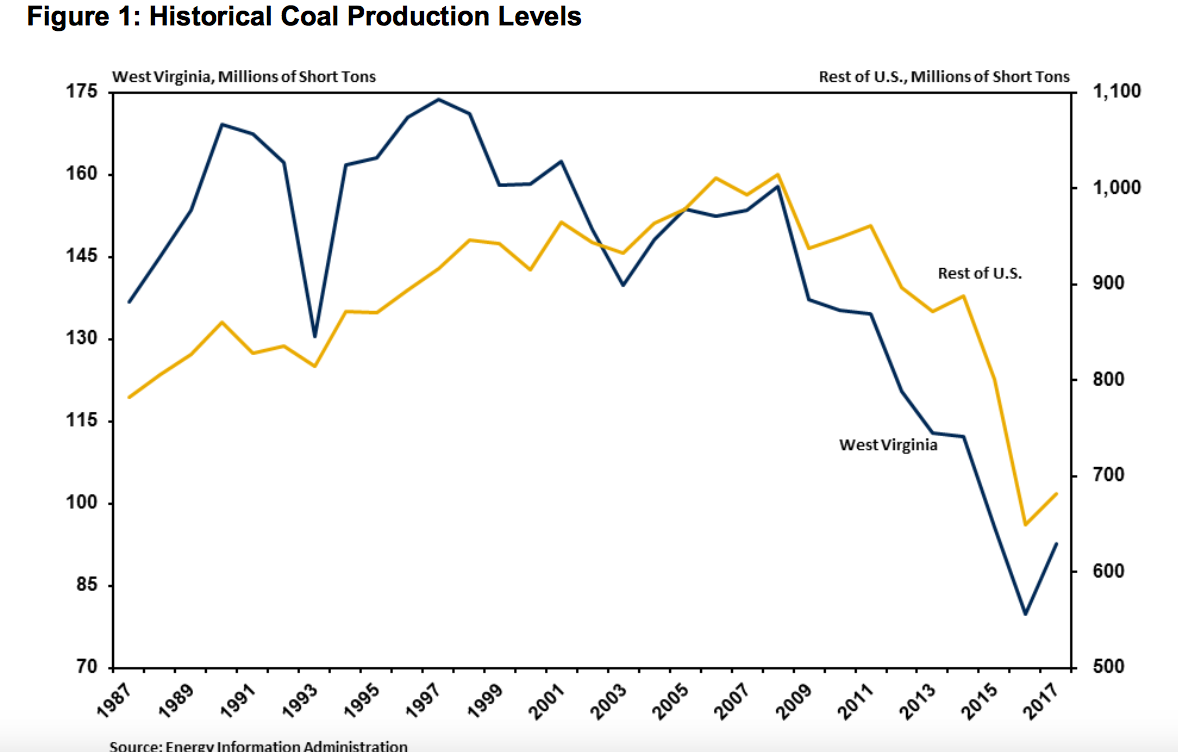
A West Virginia University study suggests that U.S. tariffs on imports and retaliatory measures by other countries are likely to slow down the growth of coal exports, especially for coal producers in the Appalachian region.
“Export demand has accounted for nearly all of the improvement in production over the past two years or so due to significant increases in coal shipments to India, Brazil, Ukraine and a few other countries. This has enabled Southern West Virginia to account for a majority of growth in statewide coal output in recent quarters. By contrast, domestic demand has remained negative, but more so for mines in Northern West Virginia, as the US electric power sector transitions away from coal-fired generation over to natural gas.”
Short-Term Forecast: The baseline forecast calls for coal production to total approximately 91 million short tons in 2018, which represents a slight drop versus 2017 levels. Overall state output is expected to decline 3 percent annually over the next two years, leaving mined coal tonnage at just over 85 million by the end of the decade. Weakening export activity will likely drive most of the anticipated drop in production through 2020, but the retirement and/or conversion of several gigawatts worth of coal-fired generating capacity that sources coal from West Virginia mines will also account for some of this decline.