
August 22,2018-
California almond exports down 13 percent in July
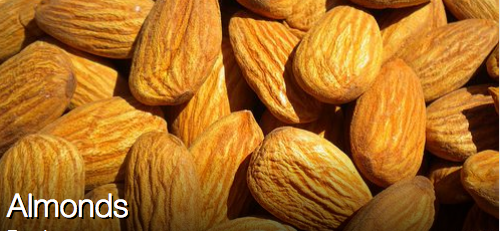 Commitments to export almonds for the 2017/18 crop are down 21% says the Almond Board.For the month of July exports of almonds totaled 83.8 mil pounds compared to 96.4 mil pounds in July 2017, a 13% decline.
European shipments were down from 52 million pounds in July 2017 to 40 mil pounds in July 2018.China/HongKong shipments fell from 7.3 million pounds last year to $4.7 mil pounds this July, affected by the escalating trade war.
President Trump has said he will impose an additional 25 percent tariffs on $16 billion worth of Chinese imports starting Aug. 23 with China again expected to retaliate.
California is expecting a big crop of almonds this fall but growers are worried about demand based on trade tensions and tariffs.
Reports from elsewhere…..
Roundup & Cancer Ruling Stands
— California decision to list glyphosate stands: The California Supreme Court on Friday declined to hear Monsanto’s appeal to remove glyphosate from the state’s list of chemicals that cause cancer or birth defects. That refusal keeps in place a lower appellate decision that the listing under Proposition 65 is proper, which was made after the World Health Organization’s International Agency for Research on Cancer determined that glyphosate — which is found in Monsanto’s Roundup weedkiller — is probably carcinogenic to humans.
— Strong demand for equipment despite tariffs: Farmers are continuing to buy equipment despite worries about tariffs on U.S. farm products, Deere & Co. said Friday. Steel and aluminum prices have been pushed up by U.S. tariffs on imported metals, leaving Deere to raise prices to offset higher material costs, the Wall Street Journal reports.
Farm Bill Egg Amendment rejected
Senator Dianne Feinstein (D-Calif.) joined with 31 other senators to call on Senate Agriculture Committee leaders to reject the King amendment in the farm bill. The amendment, offered by Congressman Steve King (R-
Iowa), would force states to accept agriculture products that violate state and locals laws.
“If enacted, this amendment would undermine numerous state laws and infringe on the fundamental rights of states to establish regulations within their own borders,” the senators wrote. “We want to thank you for not including this provision in the Senate bill, and strongly encourage you to reject this provision in any form in the final conference report.”
Ag Bank Mergers Exacerbate the New Farm Crisis
Posted by Claire Kelloway in Commodities, Grains, Mergers & Acquisitions, Newsletter
“So many banks have consolidated that the local bank is not locally owned, it’s just a branch of another bank,” says Vern Jantzen, Vice President of the Nebraska Farmers Union. “In the old days there was a relationship there, the banker knew how this family was operating and he could figure out if this is a good risk or not, but all of that is gone.”
The ag credit landscape is made up of commercial banks, government-sponsored enterprises called the Farm Credit Service and Farmer Mac, and “loans of last resort” from the USDA Farm Service Agency. In 2016 the FCS held nearly 41 percent of all farm sector debt while commercial banks held 42 percent.
Both the FCS network and the commercial ag banking sector have become increasingly consolidated since the 1980s farm crisis. In 1983 the FCS included nearly 900 lending associations organized into 12 regional districts. Today there are only 80 associations housed within just 4 large FCS regional banks.
On the commercial side, the number of agricultural banks has shrunk nearly in half since 1979, from 4,365 to just 2,316. Rural community banks with less than $10 billion in assets still finance roughly three-fourths of all commercial farm loans, but they too are disappearing. The number of community banks has declined from roughly 16,000 in 1984 to just around 6,000 in 2014.