
August 3,2108-
Morro Bay/SLO cities see slowdown in tourist traffic in May
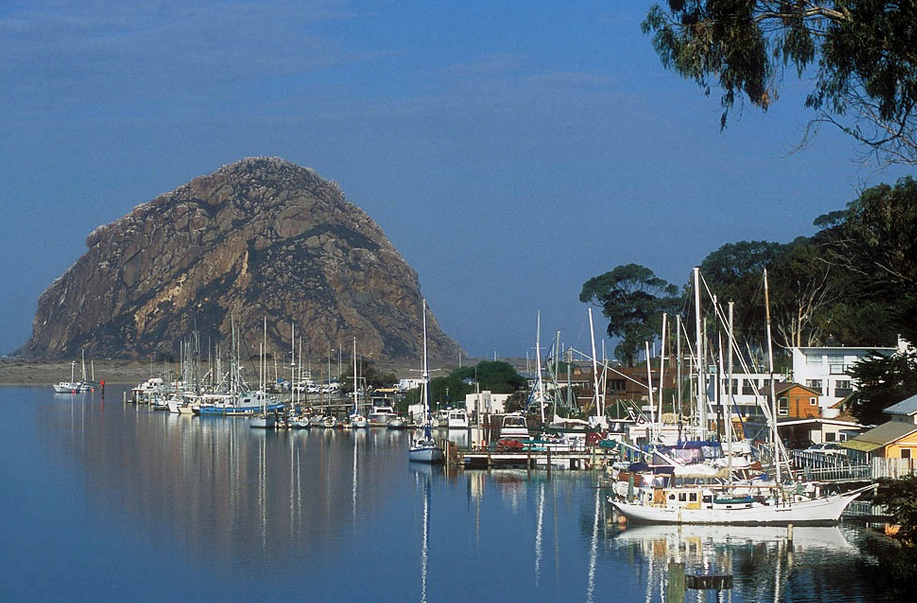 Hotel occupancy along the Central Coast dropped in May. Morro Bay hotel occupancy fell to 61% in May 2018 vs May 2017 when it was 64%. The ADR, average daily rate, declined from $128 to $125. Morro Bays’s total room sales in May 2017 were $2.31 million vs $2.18 million this May. A similar trend was seen in most local communities with San Luis Obispo city declining to 69.7% occupancy in May 2018 vs 71.9% in May 2017.SLO reports their TOT dropped 9% in June 2018 although it is up slightly for the year.
Cambria’s ADR and Pismo Beach are most expensive places to bed down averaging around $177 a night. Pismo Beach ADR bucked the trend by climbing $10 even though hotel occupancy fell a little.
Seafood companies protest tariffs
“This is not a situation where the raw imported product is taking jobs away from American workers but just the opposite.”
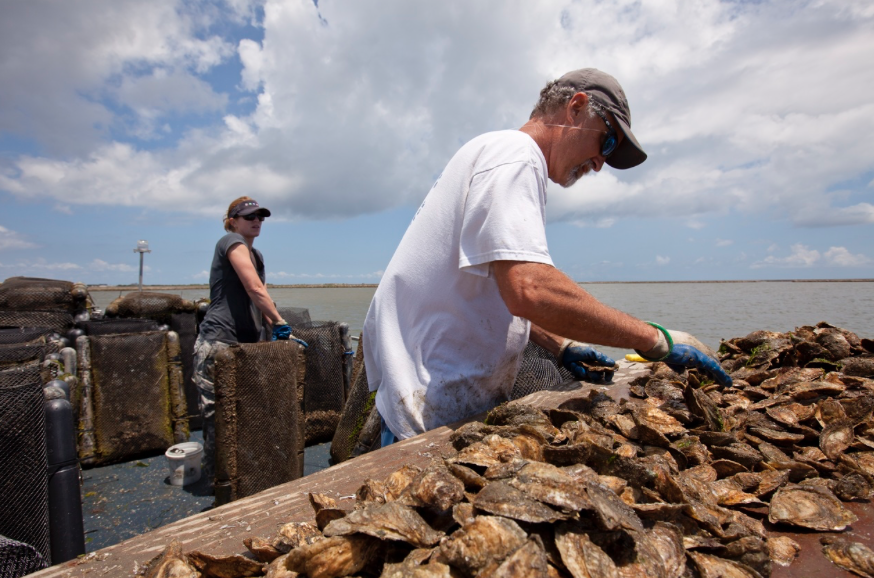 In recognition of the threat to the seafood community posed by new trade tariffs, the National Fisheries Institute (NFI) has rebranded its AboutSeafood.com website to support the stories of American seafood workers.
The website now features video testimony from every aspect of the seafood workforce. From fishmongers and truck drivers, to lobstermen, manufacturing workers and chefs, the reality of tariffs on real American jobs is explored. Find out why both importers and exporters fear the effect of these trade policies.
“To understand the negative impact these tariffs will have on American workers you have to go see them, you have to talk to them, you have to hear their concerns,” said NFI President John Connelly. “We’re bringing those stories to policy makers so they understand; this is not a theoretical, economic chess game. These tariffs have the potential to do a lot of harm to the seafood community and that community’s jobs are right here in the U.S.”
The U.S. cannot simply make more seafood here and process it at home. U.S. waters are some of the best managed in the world and are fished to their sustainable yield. To feed Americans the seafood community must source seafood from countries around the globe, even as U.S harvesters tap global markets to sell their catch. What’s more, the raw product, that comes from valued global trading partners, is the fuel that drives jobs in the U.S. This is not a situation where the raw imported product is taking jobs away from American workers but just the opposite. It is the material that keeps them viable. Jobs in processing, portioning, value adding, storing, delivering and serving all depend on seafood imports.
The symbiotic nature of trade and the seafood community is sometimes misunderstood by those who do not know the industry. Seafood trade is not a matter of import vs. domestic. Vital U.S seafood exports are caught up in the trade war already and its impacts could be devastating to men and women who work the water in Maine, Massachusetts, Maryland, Virginia, Florida, Oregon, Washington and Alaska.
Politico reports “Their complaints were echoed by Sen. Lisa Murkowski (R-Alaska), who told Lighthizer China’s actions have “clearly rattled my state.” The increased duty affects about 40 percent of the state’s salmon exports and 54 percent of its cod exports that went there last year, she said.”
from Wall Street Journal
America’s long love affair with beer is on the rocks
 Last year, for the first time, Americans reaching for a drink more often chose a glass of wine or a cocktail.
U.S. drinkers, particularly young ones, are having relationship problems with the national beverage, The Wall Street Journal reports.
According to the Beer Institute, a trade group, drinkers chose beer just 49.7% of the time last year, down from 60.8% in the mid-’90s.
Among 21- to 27-year-olds, the decline has been sharper. Anheuser-Busch InBev SA, Budweiser’s owner, found that in 2016, just 43% of alcohol consumed by young drinkers was beer. In 2006, it was 65%.
Per capita beer consumption in the U.S. fell to 73.4 liters last year, from 80.2 in 2010 and 83.2 liters in 2000, according to IWSR, a drinks market research firm. Germany, by comparison, consumed 103 liters a person last year.