
ARB Plan To Reduce Methane Emissions On Dairies Worries Kings Dairyman
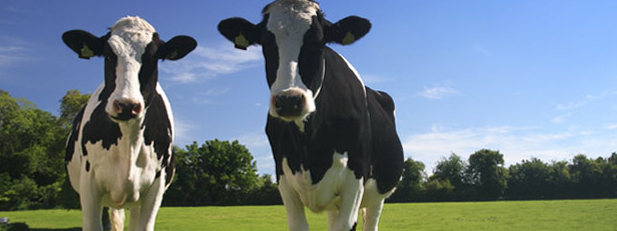 At least one Kings County dairy is installing equipment to capture methane emissions.With substantial help from the State of California they are spending $4.5 million on the technology. Now the state wants more dairies to do the same to fight climate change.
A new California Air Resource Board report vows to cut methane emissions by 40 percent below current levels in 2030 by avoiding or capturing methane from manure at large dairies, meeting industry targets for reducing methane emissions from enteric fermentation (belching), effectively eliminating disposal of organics in landfills,and reducing fugitive methane emissions by 40-45 percent from all sources.
By next year in coordination with CDFA and local air quality and water quality agencies, ARB says they “will initiate a rule making process to reduce manure methane emissions from the dairy industry in-line with the objectives in this proposed strategy.” ARB says dairy methane emissions can be significantly reduced by switching from flush water lagoons to solid-scrape or dry manure management systems. They propose more capture of methane gas, a potent greenhouse gas, to make useful biogas fuel.
Kings County diary operator Frank Cardoza of Philip Verwey Farms is cutting methane emissions by installing a dairy digester. ”It should be in operation by mid-August” says Cardoza. The farm got a $3 million grant from the CDFA to help fund the operation that includes a cover over the lagoon at their Hanford ranch. They milk 8700 cows. Cardoza extolls the benefit of “turning waste into useful energy to run our farm while trapping those gases.”
But asked if it might be a good idea for the state to mandate local dairies to also reign in methane, Cardoza warns that for a number of older,smaller dairies who may not have either capital or room – mandating they cut emissions ”will be very tough on them”particularly now with red ink all around.
“If you take a look at how bad milk prices are this could easily push more dairies out of business.”
The state report issued last month seems to acknowledge that they would not need to mandate methane capture for smaller diaries to meet state goals targeting ”a small fraction of the State’s dairies.”
The state could target 60% of milk cows on on 30-35% of California’s dairies (about 550) to reduce 75% of the methane problem, they figure.
Cardoza points out that milk volume as well as prices are down now 14 months in a row putting some processing plants short on milk as the entire industry is feeling the pain. Just this week cheese prices on the CME dropped to $1.34 lb for blocks vs of the $2 plus level we saw in 2014.Today’s prices are closer to 2010 levels when the industry was just coming out of the 2009 milk price collapse. Hopes that prices would trend higher in late 2016 are fading even as other key Kings ag commodity prices are way down.
Kings Almond Acreage Climbs
California almond plantings were up in 2015 to 1.1 million acres, a six percent increase over 2014 says USDA. Kings County has 8,923 acres of the high valued nuts in the ground including 1,116 acres recently planted and non-bearing. Farmers here planted nearly 700 acres of new almond trees last year. The value of California’s almond crop has skyrocketed until recently from around $2.3 billion in the 2005-2009 time frame to $4.8 billion in 2012 to $6.4 billion in 2013 and 2014.
Almonds are the state’s most valuable agricultural commodity, representing about a quarter of California’s farm exports but were widely scolded for using so much water during the drought.
Now nut prices have collapsed in the past 6 months.
Farmers at the peak were getting nearly $5 per pound last year one report shows. Nonpareil inshell almonds that sold last September for $4.80 a pound are selling for $2.34 today according to Merlo Farming Group. Walnuts too have taken a tumble by about half.
Meanwhile almond exports are down this crop year about 11 percent as of March and down 20 percent to Asia.