
Kern Oil Poised To Drop Below $40
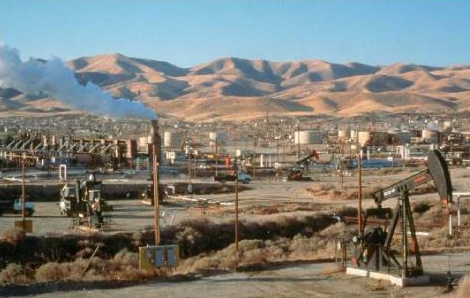 Midway Sunset crude oil is expected to drop into the high $30s range August 20 following the big drop in WTI crude in the $40 range today.
Crude oil for delivery in September settled at $40.80 a barrel, down $1.82, or 4.3% on the New York Mercantile Exchange today, with prices marking their lowest settlement since March 2, 2009. The price sank after the U.S. Energy Information Administration reported an increase of 2.6 million barrels in crude supplies for the week ended August 14. Analysts polled by Platts forecast a crude-stock fall of 1.2 million barrels.
The last time Kern crude fell this low was in January of 2015. Midway Sunset oilfield holds approximately 18% of California’s estimated reserves, 532 million barrels – the state’s largest oilfield.The oil is sent by pipeline to Chevron’s refineries in Richmond and El Segundo, California. Midway Sunset oil price as posted by Chevron has ranged from $10 in the 1990s to the $30s as recently as 2004 and well over $100 a barrel in 2013 before dropping this year. The low price for oil is hurting the Kern County economy.
Colorado River Storms Boost LA’s Water Supply
Savings On Dust Control
if there is a bright spot in the California drought it is a few states away in the Rocky Mountains where May and June storms have boosted the water supply of 40 million residents of 7 southwest states including the big population of Los Angeles. The US Bureau of Reclamation recently announced that an increase in high country rain this summer has prompted them to project normal water deliveries through 2016 and even likely 2017.
“We may have dodged a bullet for the next few years,” said William Hasencamp, Colorado River resources chief for the Metropolitan Water District of Southern California.
Meanwhile, LA has been doing some serious saving on water including making a deal with Owens Valley to implement waterless dust control measures in the old lake bed .
As a result, LADWP expects to save nearly 8,600 acre feet, or nearly 3 billion gallons, of water this year. That is enough water to serve 43,000 people. And the path is set to significantly expand those savings in the future.
The Agreement stems from the recognition that the enormous Owens Lake dust control project that LADWP has implemented on more than 45 square miles of the lakebed over the past 15 years at a cost of over $1.3 billion has eliminated more than 90% of the excess blowing dust.