
July 2,2015
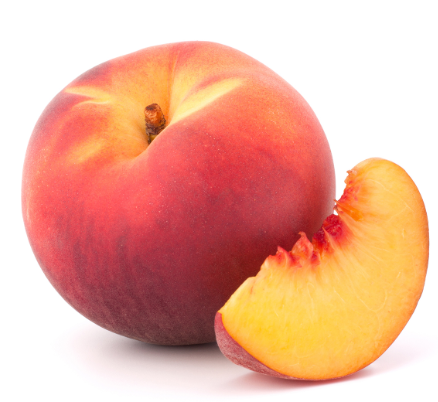 As summer has arrived, the 2015 California peach harvest is underway. The initial USDA, National Agricultural Statistics Service (NASS) forecast for California’s 2015 peach crop was set at 566,000 tons, down 8 percent from last year and the smallest crop in over a decade. The freestone peach crop, destined mainly for the fresh market, is forecast at 260,000 tons, while clingstone peach production, used entirely for processing, is forecast at 306,000 tons. Both are down 8 percent from a year ago, at the lowest level in at least the past decade. Light supplies have put little upward pressure on fresh peach prices early this summer. In addition to increased supplies from South Carolina and Georgia, increased imports from Chile this winter have resulted in lower prices for off-season imported fruit, mitigating early-season price gains in California.
USDA’s NASS Pacific Regional Office forecast California’s 2015 dried plum (prune) crop at 100,000 tons, dried basis, down 4 percent from the previous year. Though higher than 2013’s 85,000-ton harvest, this year’s crop is 14 percent below the previous 5-year average—the fifth smallest crop since 2000. Statewide bearing acreage has steadily declined since 2000 and this year’s warm winter and early spring likely limited fruit size, causing average yields to decline. Because production is forecast to be slightly down in 2015, only a little increase in carry-in volume will keep this upcoming season’s overall domestic supplies relatively unchanged from 2014/15, likely preventing any major swing in the 2015/16 season-average price.
On June 24, NASS released its first forecast for the 2015 U.S. sweet cherry crop. The current forecast puts domestic production at 338,485 tons, down 11 percent from 2014 and 5 percent below the previous 5-year average, if realized. Smaller crops in the Pacific Northwest and in Michigan, the main producer in the eastern half of the country, are pulling down overall production. Despite the anticipated smaller crop this year, domestic shipments for the season through mid-June were running significantly above volume levels reported the same time last year, easing early prices for U.S. sweet cherries.
Warm weather this winter and spring accelerated the progress of melon crops in Arizona, California, and parts of the U.S. south. Domestic shipments for the season through mid-June were running ahead of last year’s.