
Yellow Fever Mosquito found in Tulare County
August 18,2014
Residents and medical providers asked to report bites or illnesses
VISALIA, CA – The Aedes aegypti mosquito has been detected within the
city of Exeter in Tulare County by the Delta Vector Control District.
Aedes aegypti is an efficient carrier of diseases such as dengue, yellow
fever, and chikungunya virus and is not native to California. No
illnesses associated with this mosquito have been reported at this time.
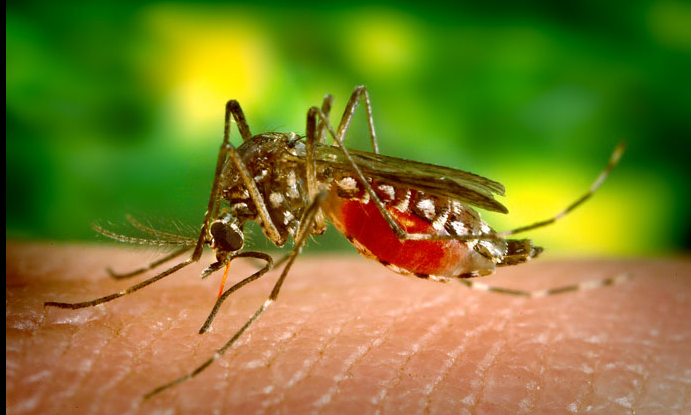 The same type of mosquito was also recently found in Madera, Fresno and
Kern Counties. Aedes aegypti is a small, dark mosquito with white
markings and banded legs. It may be active around dusk and dawn but
bites most often during the day and often bites indoors.
“The public’s help is needed to eradicate this mosquito population
before it can become established in our community,” says Michael
Alburn, Manager of the Delta Vector Control District. “Residents who
experience mosquito bites during the day are asked to contact the
District.”
To assist in the effort to eradicate this mosquito population and to
reduce the risk of being bitten by mosquitoes, Tulare County residents
are strongly urged to:
● Report mosquito bites that occur during the day (anonymously if
you like) by calling the Delta Vector Control District toll-free at
1-877-732-8606 or online at www.DeltaVCD.com. If you are in another area
of residency and would report to Tulare or Delano Mosquito Abatement
Districts, Delta Vector will re-direct you to the appropriate district
● When spending time outside, apply insect repellents that contain
DEET, picaridin, oil of lemon eucalyptus or IR 3535 according to label
instructions
● Wear long sleeved shirts and pants when outside in the early
morning and evening
● Make sure that doors and windows have tight-fitting screens to
keep out mosquitoes. Repair or replace screens that have holes
● Eliminate standing water and containers that can hold water from
around the home. This mosquito lays its eggs in water holding containers
even if the containers are very small