
Local dairymen are excited about more export of product,particularly powder – to China and for good reason. A USDA report this week says China’s dairy product consumption is expected to increase 38 percent by 2022, with fresh dairy products accounting for most of this growth. Dairy imports are also set to rise 20 percent with milk powder accounting for 82 percent of total dairy requirements. USDA just raised estimates of forecasts for US dairy exports to all countries in 2013 to $5.3 billion from $5.17 billion last year. In April shipments of nonfat dry milk/skim milk powder (NDM/SMP) were 55,187 tons, 40% more than last year and the highest month ever by a significant margin says a report this week.
If the market improves for dairy operators it will have to be without the support of AB31 that died in the Ag Committee in recent days. The bill’s author vows to revive it in the full Assembly where it needs a two thirds vote.Meanwhile Kings County reported a 13% decline in milk receipts in 2012 and 22 dairies closed says the ag commissioner.
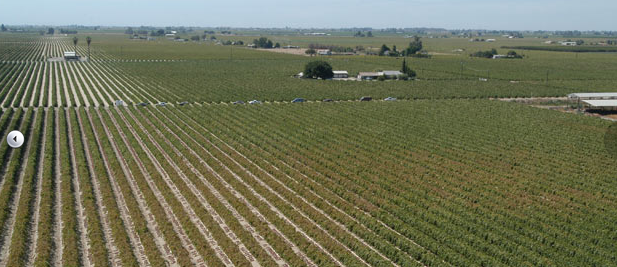 Raisin industry has bounced back from a decade ago with a smaller crop fetching $1900 a ton in 2012 – double what growers got in 2000 and up from $1125 per ton as recently as 2009. Some 80% of growers operate within a 30 mile radius of Fresno that includes Tulare County with about 18,000 acres.
California Raisin Administrative Committee (RAC) president Gary Shultz says a surplus of raisins has been brought into supply/demand balance after growers yanked lots of vines over a decade ago and acreage has been culled since. There were 255 thousand acres of raisins in 2003, 221 thousand acres in 2008 and down to 205 thousand acres as of 2012. California produces about half the world’s supply now with half the growers that were here.
A decade ago the RAC oversaw a “set aside” of a portion of the crop to keep prices up but in recent year that has not been necessary says Shultz. A battle over the issue still rages however with a case pending in the Supreme Court over unpaid fees.
The biggest change in the fields has been the rapid rise of mechanically harvested Dried On The Vine (DOV) grapes now estimated to be more than a quarter and up to half the raisin crop with conversion to DOV rising each year. Investment can cost $3000 an acre to change over but there is a giant labor cost saving and the yield can double over traditionally harvested raisins. On a macro-scale the innovation is curtailing the need for workers for the most labor intensive crop in the Central Valley traditionally demanding an estimated 50,000 farmworkers over a 6 week period in September.