-October 17,2023-
California gasoline sales drop from 2018 high
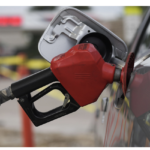 California gasoline sales were 3.4 billion in the second quarter of 2023 according to state of California figures. That’s down from a high of 3.9 billion gallons during the same quarter in 2018, The drop amounts to a decline of around 15% in the five year period reflecting reduced demand for gasoline nationwide.The Energy Information Agency(EIA) U.S. gasoline demand proxy figures show that demand is 10.4% below 2019 levels, 5% below year-ago levels for the seasonal period, and even 3% below 2020 levels, according to a Gas Buddy spokesperson. “Gasoline prices have peaked for the year” and gasoline crack spreads — the difference between the price of oil and the selling price of product — have plummeted to late 2020 levels. Americans are using less gasoline in part due to the purchase of electric vehicles, better mileage on the existing fleet of gas powered cars and fewer workers heading to the office daily to go to work.
by Aaron David Smith October 02, 2023
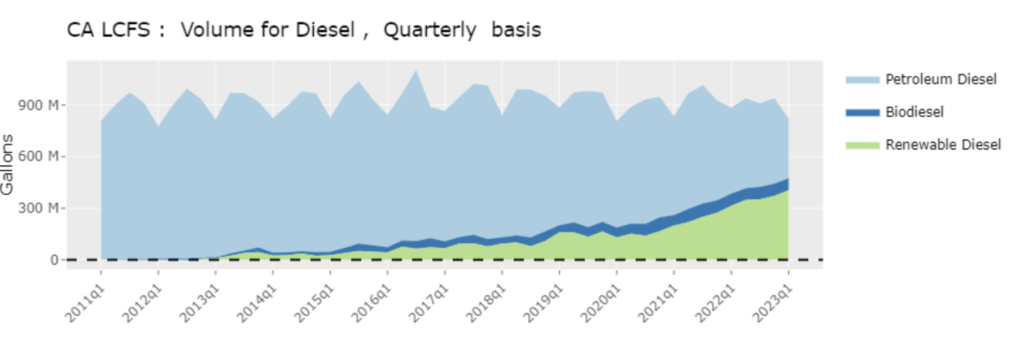 California trucks and trains burn about 3.5 billion gallons of diesel per year. Five years ago, petroleum supplied 85% of diesel. In the first quarter of 2023, less than half the state’s diesel came from petroleum. Most California diesel is now made from animal fat, corn oil, soybean oil, or used cooking oil.This trend is likely to continue. Under current policy, there is a high chance there will be no petroleum diesel used in the state in 2030. That’s one conclusion of a recently released working paper by Jim Bushnell, Gabriel Lade, Julie Witcover, Wuzheqian Xiao, and meWhat are the Alternatives to Petroleum Diesel?Rudolf Diesel experimented with multiple fuel sources when developing his engine in the late 1800s, including kerosene, coal dust, and vegetable oils. At the 1900 World’s Fair in Paris, he displayed a prototype that ran on peanut oil. Modern diesel engines require a fuel that is less viscous than vegetable oil, so pouring peanut oil into your diesel engine is a bad idea. However, two products of vegetable oils and fats work well in modern diesel engines: biodiesel and renewable diesel.
Biodiesel is produced through a chemical process that reacts organic oils and fats with alcohols and catalysts. Biodiesel has some limitations that curb its use, including a lower energy density than petroleum diesel, potential corrosion of storage tanks, potential clogging of fuel lines, and sensitivity to the cold.
Renewable diesel doesn’t have the drawbacks of biodiesel, but it is more expensive to produce. It is created by reacting hydrogen and catalysts with oils or fats under high temperature and pressure. This process removes oxygen, leaving a fuel that contains only hydrogen and carbon; it is a hydrocarbon just like petroleum diesel and can be used in diesel engines without restriction. Renewable diesel production capacity in the United States has boomed in the past couple of years as oil refineries have repurposed to produce the fuel. Almost all United States renewable diesel is consumed in California.
EV Sales Boost
DETROIT (AP) — Starting next year, people who want to buy a new or used electric or plug-in hybrid vehicle will be able to get U.S. government income tax credits at the time of purchase.
Eligible buyers, including those that bought an EV or hybrid this year, have had to wait until they filed their federal income tax returns to actually get the benefits.
The Treasury Department says the near-instant credits of $7,500 for an eligible new vehicle and $4,000 for a qualifying used vehicle should lower purchasing costs for consumers and help car dealers by boosting EV sales.
More Good News for EV Buyers
The broadening EV market means that government subsidies will flow to buyers – not sellers.The electric vehicle market continues to grow. There are now more than 100 different EV models for sale in the United States, up from only 2 in 2011. Current offerings come from Audi, BMW, Cadillac, Chevrolet, Ford, Genesis, Hyundai, Jaguar, Jeep, Kia, Lexus, Lucid, Mercedes, Mini Cooper, Nissan, Polestar, Porsche, Rivian, Subaru, Tesla, Toyota, Volkswagen, and Volvo. This broadening of the market is great news for EV buyers. There are more options than ever before, and the market is becoming more competitive, with lower prices for EVs and shrinking profit margins for EV manufacturers. A recent piece by Liam Denning, for example, points to shrinking markups at Tesla. For today’s post, I want to talk about an additional related benefit for buyers. Throughout the last decade, supply constraints led EV sellers to capture a large part of government EV subsidies. But the broadening of the market is relieving these constraints and – in the language of economics – making the supply of EVs more elastic. This means that moving forward government subsidies will tend to flow to buyers – not sellers.
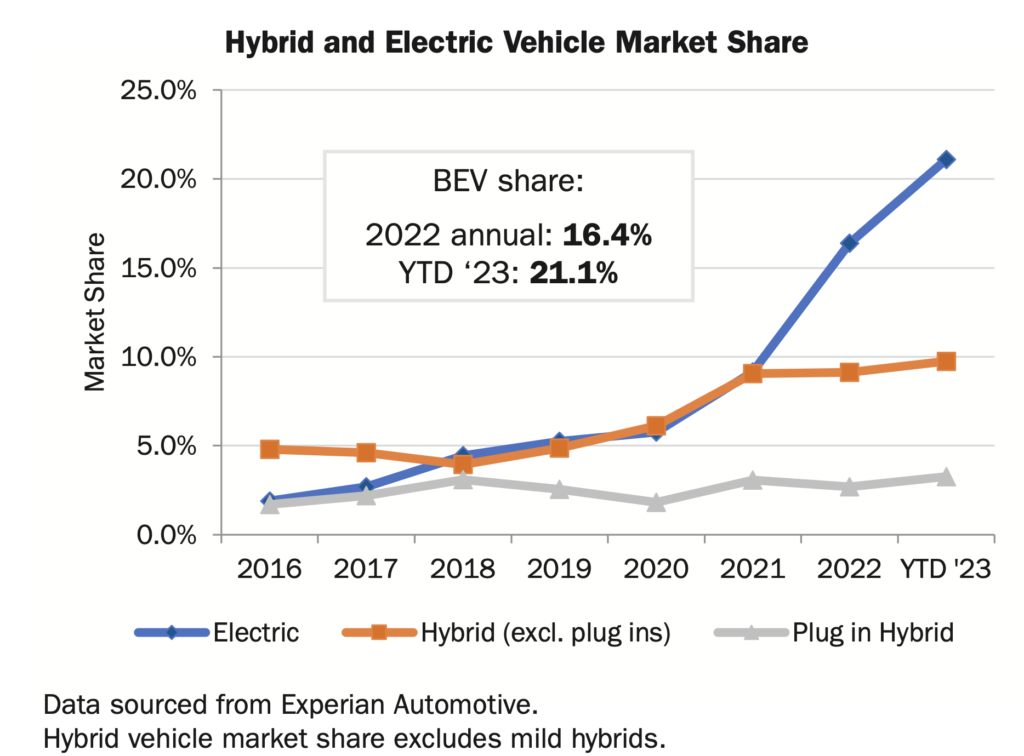
California electric vehicle share reaches 21%