
Kings/Tulare COGs get update
-December 31,2022-
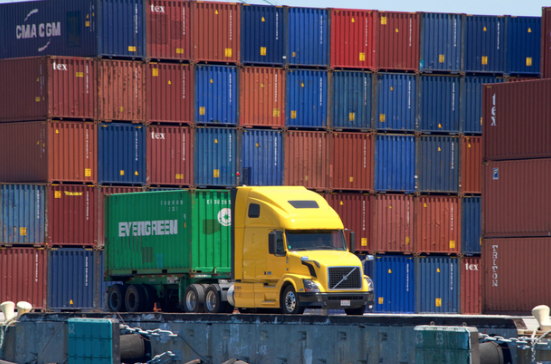 The southern San Joaquin Valley from Fresno to Bakersfield is likely to see several 50 to 300-acre or larger clean transportation hubs proposed in coming months funded with a mix of millions of dollars of public and private funding – part of a Valley-wide $30 billion investment that could add 100,000 new jobs here. The federal Department of Transportation (DOT) is leading the charge to launch this new freight movement model in support of California’s seaports that could be replicated across the country.
“What has brought everyone to the table is the fact that the DOT has designated our project as a “Regional Infrastructure Accelerator” with the financial backing of the government that brings in private investment” says consultant Lois Yates of Arizona-based Global Logistics Development Partners.
One practical upshot- in a few years you will see fewer diesel-fired big rigs clogging our highways as more cargo moves up and down the Valley by rail and new zero-carbon trucks.
In discussions launched in 2019, the so-called Inland Port project has a new name, says Yates. Now called the TradePort project, the plan is to build the largest and most sophisticated logistics and investment corridor in the world here – including fully integrated ocean, rail, truck and air goods movement and economic development centers to be surrounded by manufacturing, e-commerce and distribution operations. Yates and partner Adam Wasserman are working with the Fresno Council of Governments who represent all the COGs in the Central Valley to benefit the economies in all counties from Sacramento to Kern.
This month an update of the ambitious project was given at meetings of both the Kings and Tulare COGs.The presentation heard the plan to build two main 300-acre rail-served hubs in the Central Valley and 7 satellite centers perhaps 50 acres each clustered where industrial development is happening.
Yates lays out the concept as a system approach to move cargo containers from the LA and Bay Area ports inland as it ships ag products grown in the Valley back to the ports. The project would offer shippers here more options to get their products to market, avoiding the kind of supply chain crisis we have seen in the past few years while it cleans the air and fights global warming.
Along with significant volumes of domestic cargo, approximately 1.1 million ocean containers move through the San Joaquin Valley, about half that representing imports (mostly consumer products from Asia),the other half exports (mostly agricultural products destined for Asia). Currently, virtually all these goods are moved via highways by internal combustion engine-powered trucks.There are some 20,000 truck trips every week, research shows.
Yates says in January the group will start to reach out to Valley EDCs, counties, cities and private developers and shippers with criteria they are looking for to build planned TradePort hubs.That will include a new website.
The group has applied for $45 million available from the State of California budget surplus to launch the start-up effort.They expect to hear in March if the funding will happen. In the meantime the COGS and consultants have hired an LA-based law firm Nossaman, to help form an entity who will be the legal authority who builds and manages the TradePort project.
The big news is that the TradePort is about ready to make a”call for sites” that could be the first step in what could transform both local economy, the air quality and climate here with improvement in shipping helping to make locations more competitive with more high paying jobs found in manufacturing notes Yates.
Tulare County economic development manager Mike Washam says he and Visalia development manager Devon Jones are working together to find prospective sites that could land one of the hubs perhaps in the greater Goshen area along the Union Pacific line where it meets the Cross Valley rail line that connects Kings and Western Fresno Counties. One site that might work is the Visalia WWT plant land along the UP line and 99 where a potential solar powered hydrogen facility could offer clean fuel to zero emission trucks.
Fresno may be pushing a site near Fowler where both the UP and BNSF lines are near each other along Highway 99.
Yates says the process to vet and ultimately select the TradePort sites is starting in the first quarter of 2023, with intentions to have sites selected by Q3, 2023 and have sites under control later in the year. It could be operational in 2025.
Other areas in California are ahead of us. In Kern County the Board of Supervisors have given the go-ahead for development of a Mojave Inland Port on 400 acres.It is estimated that the Mojave Inland Port will have the capacity to handle approximately 3 million containers per year. Containers will be offloaded from ships onto shuttle trains for direct transport through the underutilised Alameda Corridor directly to Mojave, where they will be distributed.The site will be rail served by Union Pacific.
Also going forward is a 4500 acre inland port hub in Barstow being built by UP rival BNSF railroad. Said to be a $1.5 billion investment, it will connect to both LA port shipping goods east. The facility will use automated cargo equipment to move goods on and off rail to warehouses.