
California production shrivels
Olives are the pits too
-November 3,2022-
The 2021 raisin crop reached 93,120 tons at an average price of $1,696 per ton, says USDA. Harvey Singh, Chairman of the Raisin Bargaining Association (RBA) says he hopes growers can get $2000 a ton this year but prices won’t be finalized for a few weeks. The 500-farmer strong RBA represents about 25% of the raisin industry. Most of the nation’s raisins are grown famously within a 60-mile radius of Fresno.
Singh says this years’ crop was reduced by “terrible heat” that affected quality, in turn limiting their uses.Some rain also impacted the crop, he adds.Of course, the drought has continued to affect plantings as well, along with the high price of water
Acreage drops by half, tonnage down two-thirds
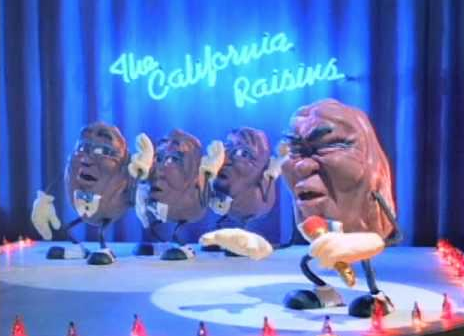 California raisins are not dancing any more as the size of the crop has shriveled to a third of what it was two decades ago.
The California raisin crop peaked in 2000 at 280,000 acres but now is less than half that. As of 2021 it was down to 138,000 acres and perhaps even less this year. Fresno County lost nearly 5000 acres from 2020 to 2021 with growers replanting with an alternate crop
The decline in acreage may be beneficial to the per-ton price growers who still have product as food processors use US-grown California raisins instead of product from Turkey or elsewhere. California tonnage was 3X today’s number just 2 decades ago.
Singh points out that people are not eating the amount of raisins that they used to.The primary user still is the bakery industry. Raisins in your morning cereal are made up of a mix of California and foreign raisins that are cheaper, he says.
Raisins may be less popular in part due to the explosion of more varieties of fruit available for Americans year-round including the rising tide of produce imports. Consumers have only so much room in their refrigerators or their stomachs and grocers have only so much room in their produce aisles.
Raisin production was once one of the most labor-intensive crop activities in North America, needing 40,000 to 50,000 workers for a typical six-week harvest, cutting bunches of green grapes, and laying them down to dry in the sun on paper trays. Newer varieties dry on-the-vine reducing labor requirements.
Olives are the pits too
 The decrease in acreage and production in California reflects a similar but even more dramatic drop in another iconic California crop – olives. Olives are an alternative year production crop. This year USDA predicts we will produce just 20,000 tons -46,000 tons the year before. But twenty years ago in 2003 we harvested about 115,000 tons – that’s better than an 80% decline. This year bearing acres of table olives are just 12,000, says USDA compared to 36,000 acres twenty years ago -a drop of two thirds. Canneries that used to populate small towns in California like Lindsay are no more and one of the remaining family-owned canneries- Bell Carter near Walnut Creek recently sold out to a Spanish processor.
The state center of olive production used to be small farms in Tulare County with about 16,000 acres in 2003 – now half that in the latest 2021 county Crop Report.