
Facing a dry future,Westlands and westside towns like Avenal need each other
-October 20,2022-
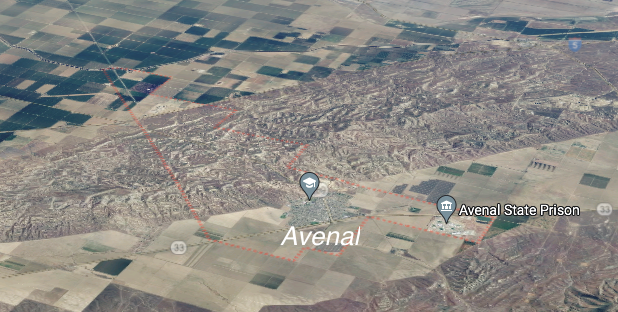 Small western Fresno and Kings County towns like Coalinga, Huron and Avenal are in the same boat as Westlands Water District. They have no potable local water supply but depend on imports from Northern California. All are short on supplies this drought year and likely in the future but have a joint strategy that may yet come to the rescue. It is a strategy that this year – the state appears ready to help make happen.
While the region does not have a good water supply, it does have plenty of brackish salt-laden groundwater that with desalination technology can become usable water. To paint a picture – the farm giant and its neighboring farmworker communities plan to turn a lemon into thirst-quenching lemonade.
Here’s what is happening.
This month the City of Avenal agreed to send a letter of support to a planned westside desalination project proposed by Westlands Water District.The big water district may be viewed by regulators in a better light if it helps neighboring disadvantaged communities – towns where its employees live.Those same towns also depend on farming too.
Avenal is in a pickle right now and needs an additional source of water to sustain itself. The city manager says they may not make it through this calendar year.
Should state prison get its own water?
The community of Avenal is home to Avenal State Prison and its 5000 inmates. The prison uses up to half the city water supply, says City Manager Antony Lopez. The town’s supply comes from the Central Valley Project run by the US Bureau of Reclamation
According to a city staff report, this year USBR has conditionally allocated 2,000 acre feet of water to the City of Avenal as a Public Health & Safety use. On average in the last few years, the city has utilized roughly 2,300 acre feet of water under Tier III drought emergency conditions.
The town needs new housing, commercial and industrial growth to accommodate its 13,000 people, mostly low income. But with the state prison using up to half the water supply – Avenal can’t grow.
A staff memo says, “over the past few months, staff has networked with regional partners on the issue of water scarcity in the Central Valley. Knowing the allocation issues the city faces, and pursuing different avenues to secure either another source of water, or having Avenal State Prison secure its own allocation.”
Most recently Avenal city staff has been meeting with representatives of Westlands Water District that could help extend water availability to the community.
Westside desal project: We hope to have this up and running by next year, which would be beneficial because we are expecting another poor water supply from the CVP
One such project Westlands is working on is a reservoir to store water in wet years, and release it during dry years that could benefit CVP customers in the Central Valley like Coalinga, Huron, and Avenal.
In fact this week the Feds announced a grant of $25 million to the San Luis and Delta-Mendota Authority to pursue the San Luis Reservoir expansion that will add 130,000 acre-feet of additional storage.
Most recently, Westlands is requesting the city to write a letter of support for a desalination program grant to treat groundwater that would be delivered back to the canal and could be used by Central Valley Project (CVP) customers like Avenal.
“Our concept is to treat the upper aquifer brackish groundwater and deliver this treated groundwater to the San Luis Canal, which could then be conveyed to the City of Avenal. We hope to have this up and running by next year, which would be beneficial because we are expecting another poor water supply from the CVP” says City Manager Lopez.
“This letter is being provided in support of Westlands Water District’s application for the California Department of Water Resources’ (DWR) Water Desalination Grant Program Round 4 providing funding to local agencies for the planning, design, and construction of projects to desalinate naturally occurring brackish water for potable water supply.”The Desalination and On-Farm Recycling Project being proposed by Westlands has the potential to provide price stability and a more reliable water supply for Disadvantaged Communities, especially during times of drought.”
This is happening just as the state has suddenly recognized the need for desal projects not just along the ocean but inland.
This summer Governor Newsom weighed-in backing more desal projects in the state. After rejecting a desal project along the south Coast earlier this year the state Coastal Commission this month approved a project for the first time.
Newsom this summer declared that “California should invest tens of billions of dollars in water recycling, storage and desalination over the next two decades to shore up its supply as the state gets drier and hotter.”
It comes as drought continues to grip the U.S. West and the state prepares to lose 10% of its water supply by 2040, according to projections by the Department of Water Resources.
His proposed water recycling targets, which would make treated waste water safe for drinking, would cost $27 billion by 2040, the proposal said. That was the biggest price tag associated with the plan, which also relies on billions in money already approved in past state budgets. The plan envisions that money coming from both state and federal sources.
Desalination is the process by which the dissolved mineral salts in water are removed. Currently, this process, applied to seawater, is one of the most used to obtain fresh water for human consumption or agricultural purposes.Now it will be used to treat brackish water in the Valley.
DWR support
In September the Department of Water Resources (DWR) announced it is offering $6 million in financial assistance to support desalination projects that will help develop new sources of local water supplies in California.
Funded by Proposition 1, the Water Desalination Grant Program is offering $6 million to support construction and design pilot projects that desalinate naturally occurring brackish and ocean water for potable water supply. DWR expects to announce the final awards in February 2023.
Attachments area