
Fewer Walnuts
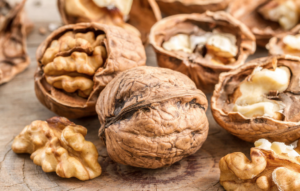 USDA says the 2022 California walnut production is forecast at 720,000 tons, down 1% from 2021’s production of 725,000 tons. The forecast is based on 400,000 bearing acres, up 3% from 2021’s estimated bearing acreage of 390,000.
The 2022 Walnut O.M. Survey utilized a total of 711 blocks with two sample trees per block. Survey data indicated an average nut set per tree of 981, down 1% from 2021’s average of 992. Percent of sound kernels in-shell was 98.0% statewide. In-shell weight per nut was 20.2 grams, while the average in-shell suture measurement was 32.4 millimeters. The in-shell cross-width measurement was 33.2 and the average length in-shell was 37.9 millimeters.
California benefitted from heavy rain and significant snowpack in late 2021, however the state has since experienced hot and dry conditions. As a result, water allocations were significantly reduced in many areas. During the last two weeks of February, the Sacramento Valley experienced several nights of freezing temperatures. Frost damage was observed.
Estimated nut sets, sizing measurements, average number of trees per acre, and estimated bearing acreage were used in the statistical models.
Ethanol is loser in California new car ruling
The California Air Resources Board approved California’s Advanced Clean Cars 2 regulation, which establishes an escalating ban on the sale of gasoline and diesel-fueled cars and trucks, culminating with a 100% ban by 2035. Ethanol supporters say the action misses out on other solutions, including ethanol, for reducing carbon emissions beyond just the use of electric vehicles.
The regulations will take effect starting in 2026, when 35% of all car sales in the state must be for zero-emission vehicles, more than doubling the current share of ZEVs. In 2019, the last full year before COVID, California used 1.59 billion gallons of ethanol representing just over 10% of national consumption, according to the Renewable Fuels Association. Sales of E85 flex fuel in California surged to a new record in 2021, jumping 55% over 2020 levels and nearly doubling since 2018.
Valley tomato production down 5 percent
USDA says contracted production for California processing tomatoes this year is forecast at 10.5 million tons, averaging 46.9 tons per acre. The current production forecast is 2% below last year’s contracted production, and 10% below the May forecast.
The projected harvested acreage of tomatoes grown under contract is 224,000 acres, which is 1% lower than in 2021.
Expected production continued to decrease as the season progressed. Acres that were planted early were hit by frost damage that affected yields and crop quality.
Concern over low supply was prevalent as the lack of water availability and high summer temperatures have made it difficult for growers to meet market demand.
Harvest began during the second week of July. At this point, the flow of tomatoes has been consistently below last year. The Processing Tomato Advisory Board published shipments through August 27, 2022, showing a 5% decrease compared to the end of August in 2021.
Near record butter prices
Local dairyman maybe should not complain about high grocery prices considering the hefty price they are getting for a key commodity in preparing meals every day – butter. With the fall baking season coming up, the wholesale price for butter on the commodity market now exceeds three dollars a pound.That is near an all time high and almost double what butter costs a year ago. Blame low supply in storage and reduced supply in the hot summer months. Processors have been turning more milk into cheese say sources. Dairy operators defend themselves facing sky high production costs from feed to labor and fuel.They say processors are pocketing the extra receipts.