
-June4,2021-
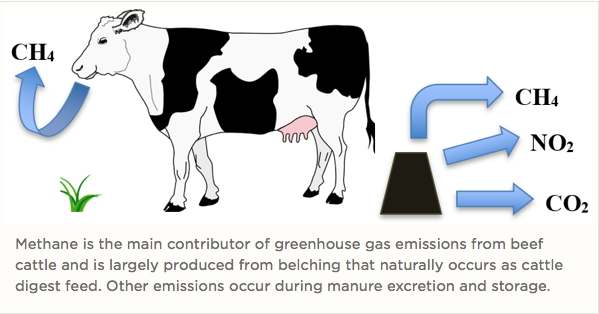 This past month Tulare County Board of Supervisors heard a report on progress in cutting dairy cow and cattle emissions that cause particulate pollution and generate greenhouse gases.
Kings County’s neighbor- Tulare County is monitoring their dairies in an annual report being done under a settlement with environmental groups in 2019.
Through 2019, the report says emissions are down 16% from 2013 as a result of a smaller animal herd, management efforts and installation of technology that is capturing manure-based gases. Co2-based emissions were 6.3 metric tons which was 16% less than tonnage measured in 2013. It is also 16% of the tonnage reduction target for 2023 under the state Climate Action Plan.
Not yet measured are the expected benefits to CDFA’s investment that matches dairies funding to install digesters at an impressive number of Tulare County dairies that by the latest count number 55 digesters at 52 dairies as of April 13, 2021 .CDFA has contributed more than $80 million out of a total cost of $236 million for these projects. As of now just 15 digesters are operational and 36 are under construction in the county.
The report notes that once the fifty-five Digesters are all operating for ten years, the Greenhouse Gas (GHG)reductions will total 9.5 million metric tons- about 700,000 metric tons reduction per year or 82% of the 2023 goal.
Besides this investment in dairy digesters dairies are cutting greenhouse gases building 58 solar projects at local facilities and other measures including thermal hot water systems and alternative manure management programs.By 2020 solar projects are said to increase to 64 helping to reduce greenhouse gases.
The county’s dairies are produding more milk with fewer animals. In 2013 the number of animal units was 741 thousand compared to 707 thousand in 2019.
Capturing methane at digesters also allows it to be piped to a central station and cleaned up to become renewable natural gas for transportation.
California is the nation’s biggest dairy-producing state with Tulare and Kings counties among the top producing counties.The industry is trying to reduce its overall greenhouse gases by 40 percent by 2030 and 80 percent by 2050. A 2016 law set in motion the current progress with the state offering help to make it happen.
Critics of the programs say the state is propping up large dairies instead of promoting smaller, more sustainable operations.
Others suggest giving up milk and meat.”Cutting out meat and dairy greatly helps the planet, says new research. Avoiding meat and dairy is one of the best ways to reduce your environmental impact, according to a new analysis. Avoiding meat and dairy is one of the best ways to reduce your environmental impact,” according to one analysis.
Local feed company delivers with renewable fuel
It is full circle .Biogas from local dairy farms is being pumped into the fuel tanks of feed trucks from Western Milling based in Goshen that return to the dairy to bring feed back to the farm. Late last year,Western Milling opened their Clean Natural Gas station serving customers as well as fueling 33 company-owned trucks.The station is located right off Highway 99at the Betty Drive interchange. The company says “Our new trucks are fueled with renewable natural gas that can virtually eliminate smog-forming pollutants and reduce greenhouse gas emissions linked to climate change.” Western Mining offers its employees a employee stock ownership plan.The company plans to have a CNG truck fleet of over 40 trucks by mid-2021-75% of the total fleet.As more dairies digesters open Western Milling says they will “continue to source renewable natural gas from their local dairy partners” says founder Kevin Kruse.