
-April 17,2020-
Tulare cannabis retailers could open this summer
Tulare Mayor Jose Sigala says he expects up to three cannabis retailers could open for recreational use sales after July pending each of their state approvals. There are 2 medical-use pot stores in town who have indicated interest in offering recreational use.The city will allow up to five as a cap, he says, but three for now.
Reedley cold storage expanding
F&H Cold Storage is a refrigerated warehouse facility for storing produce. Just under 1 million cubic feet, F&H offers both refrigerated storage space as well as designated areas for pre-cooling.
Now the company has filed a application with the city of Reedley to do a major expansion of their facility adding a three new cold storage buildings, a juicing building and others adding up to 64,000sf – about double their current size.
They will add about 70 employees within a year of its launch says a company filing.
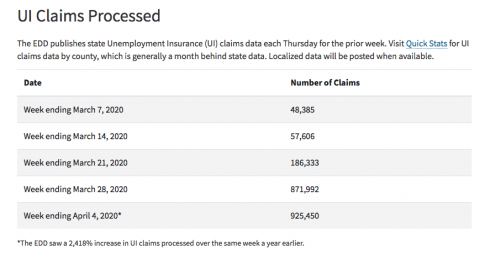 Jobless claims soar in California
Weekly jobless claims in California jumped near 20 fold from the beginning of last month to April 4 according to the EDD.
California sees $1.50 gasoline
 Kern County crude oil sits at $17 a barrel today, a price not seen since 2001. Meanwhile retail gasoline is selling for $1.57 a gallon today in Farmersville – the cheapest place in the state.
Tulare County home builder permits down by 50%
Tulare County’s home builders have taken out permits for 106 new homes from March 1 to April 15. That is the time frame where COVID 19 impacts were starting to be felt. By contrast during the same period in 2019 builders took out permits for 212 single family homes, exactly double the number.
Home sales fall in March
California home sales fell from both the previous month and year in March as the coronavirus pandemic began taking a toll on the housing market, especially in the last two weeks of the month as the state’s stay-at-home order was put in place, the CALIFORNIA ASSOCIATION OF REALTORS® (C.A.R.) said today. .
Across California ,March’s sales total was down 11.5 percent from the 421,670 level in February and was down 6.1 percent from a year ago. Tulare County sales dropped 14% year over year.On the Coast ,San Luis Obispo was up 8%.
“The relatively moderate sales decrease that occurred in March is only a prelude to what we’ll see in April and May because sales were still modestly strong during the first two weeks of March before stay-in-place orders were implemented throughout the state,” said 2020 C.A.R. President Jeanne Radsick, a second-generation REALTOR® from Bakersfield, Calif. “However, pending sales, which is a better reflection of the current market conditions and consumer concerns about the coronavirus, dropped nearly 25 percent and suggest the decline could extend beyond the next couple of months, depending on the duration of the pandemic and the lockdown.”
JC Penny eyes bankruptcy
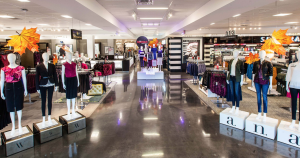 Visalia Mall anchor JC Penny may be exploring bankruptcy say multiple reports. On Tuesday, April 14, Reuters reported that J.C. Penney (JCP) was exploring its bankruptcy options “The Plano, Texas,-based company has access to enough cash to survive in the months ahead, even as revenue dries up because of the store closures, the source said. Still, the company is contemplating a bankruptcy filing as one way to rework its unsustainable finances and save money on looming debt payments, which include significant annual interest expenses…”
The retailer’s stock has fallen from $1.5 a share at the beginning of the year to 25 cents today. Visalia Mall reports the Visalia Penny’s is one their strongest.
Tax on sugary drinks cuts consumption
Seattle Times
Lower-income children in Seattle are drinking less pop than before a soda tax was established, but so are their peers outside the city, according to a new report based on surveys with kids.
Seattle’s tax of 1.75 cents-per-fluid ounce on sugar-sweetened beverages took effect in January 2018. The tax is charged to beverage distributors. But the distributors can pass the tax on to stores and the stores can pass the tax on to consumers.
Proponents said they hoped the tax would reduce consumption of unhealthful drinks, particularly among lower-income children, and raise money for healthful food and education programs.
In the year after the tax took effect, lower-income Seattle kids surveyed by the University of Washington and the Seattle Children’s Research Institute reduced their consumption of taxed beverages by 3.3 ounces a day, according to the report released Wednesday.
Meanwhile, lower-income children surveyed in “comparison-area” cities without soda taxes, including Renton, Federal Way, Kent, Auburn and other South King County cities, reduced their consumption by 3.9 ounces a day.