
 Corona craziness: Now the bad news…….
Tulare County – farm & city take a hit
Look at the last big recession in 2008/09 for a gauge of what the 2020 coronavirus downturn might bring. The 2009 Crop Report is instructive.
On the farm
Total receipts that year dropped near 20% by almost $1 billion less than the year before while milk – the top crop – plunged by 32%. Livestock and poultry returns dropped 19% but fruit and nuts fell only a 3% . Nursery products suffered a 15% drop while vegetables were the only crop that did better by 79%. Total crop values dropped from $5 billion to $4 billion that year.
City
What other impacts did we see that year locally? Non-farm job losses jumped while home prices dumped as did sales tax revenue for the city. Visalia’s budget suffered three years of red ink. The jobless rate in Tulare County climbed to17% in 2010 after being half that in the boom times of 2006.
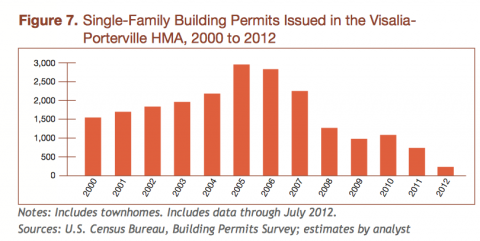
Those were the years that the housing bubble came to Visalia.Nationwide, housing prices peaked in early 2006, started to decline in 2006 and 2007, and reached new lows in 2012. By December 30, 2008, the Case–Shiller home price index reported its largest price drop in its history. The credit crisis resulting from the bursting of the housing bubble is an important cause of the 2007–2009 recession in the United States.
News from Washington
With the economy on the ropes the $2 trillion dollar relief plan from Washington is said to include a nearly $24 billion boost for US farmers and ranchers. Politico reports “the Depression-era financial institution known as the Commodity Credit Corporation would see its spending authority replenished to the tune of $14 billion. The package also sets up a $9.5 billion emergency fund for producers, including fresh fruit and vegetable growers, dairy farmers and cattle ranchers, along with local food systems like farmers markets.”
Strong dollar creams our exports to Mexico
Mexico’s peso currency tumbled from 18.5 to a dollar to near 23.5 this week making it more expensive for Mexico to buy US products.Mexico is one of California’s largest trading partners. The US dollar index has climbed higher over the past few weeks compared to a basket of world currencies. It has corrected a little in the past day.
Who are California farmers going to export their products to this year if they suddenly cost 25 percent more than a few weeks ago?
That is what is happing to Mexican consumers. Clobbered not just by virus fears but also by a Saudi Arabia-led oil trade war devaluing their oil industry and the US industry as well, putting Mexico’s economy is at risk.
Mexico is the U.S. dairy industry’s No. 1 export market accounting for one-quarter of all our dairy exports and valued at $1.4 billion in 2018. With milk consumption going down in the US- dairy farmers here have to export to survive.
That includes the Tulare County dairy industry, the county’s top ag commodity valued at $1.68 billion in 2018.
Visalia-based California Dairies alone produces 40% of all dry milk made the US, 700 million pounds per year – 60% exported.They are the largest producer of skim milk powder in the world and typically send plenty to Mexico.
Besides milk powder California sends lots of cheese to Mexico.The industry faced a crisis in the US-Mexico trade war a year ago resulting in a a 40% decline in dairy exports to that country before the revised NAFTA agreement came back.
California accounted for 35 percent of U.S. cheese exports to Mexico alone last year, estimated at 74 million-plus pounds, said economist Annie AcMoody of the trade group Western United Dairymen.
And it not just dairy. High-value, consumer-oriented products such as dairy and livestock products, fruits, nuts, and processed foods account for the largest share of U.S. agricultural exports to Mexico and were valued at $8.6 billion in 2018.
Mexico also has a strong livestock sector too and buys U.S. feed grains and oilseeds imports. U.S. bulk commodity exports to Mexico added up to $6.6 billion in 2018 – led by corn. Mexico’s livestock sector buys our soybean meal and distillers’ dried grains and their food processors use U.S. sweeteners, fats and oils, and other food processing inputs.
Impact of the COVID-19 on US dairy industry
Over the last five weeks the U.S. Department of Agriculture’s estimate of 2020 milk prices reflect a drop of about $2.85 billion at the farm level says a top ag official.One Rabobank analyst says “It’s kind of surreal. It’s weird watching these markets implode on such limited data,” says Tom Bailey a senior dairy economist with RaboAgriFinance. “We are shifting our projections to what can effectively be described as a recession.”
Look for 2008 era prices expect some.Even before the coronavirus fears grew , USDA latest projections for 2020 milk prices a were below 2019 averages on oversupply.
U.S. dairy-farm numbers dropped by 3,200 in a new report from USDA.The number of U.S. licensed dairy operations has seen the largest annual decline since 2004.
Worries over worker shortage at milk plants but so far-so good.
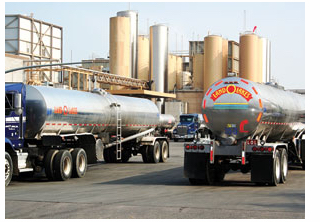 Tulare County dairyman Tom Barcellos – a local leader in the industry- says his co-op, Land O Lakes(LOL) in Tulare, recently informed local producers that they are placing limits on milk production to insure their processing plants can operate despite a potential labor issue due to the virus. Consider milk truck drivers for example – who could stay home due to illness or because they are caring for family members or school-age children. National Milk Producers Federation says “dairy processing operations face unprecedented logistical challenges.”In a letter to Ag Secretary Perdue, NMPF acknowledged that some dairy farmers or processing plants “may be forced to dispose of milk due to transportation or logistical disruptions or if demand from domestic or international markets diminishes. Given the potential for supply chain interruptions as seasonal milk production peaks this spring and many schools remain closed, elements of existing USDA programs could provide the basis for a means to compensate farmers or processors, potentially with an incentive to donate milk when possible.”
In the Midwest this week a report says” the farmers note that if one worker gets sick in a dairy processing plant it’s likely that plant would have to shut down for some period of time, meaning milk would have to be diverted elsewhere or dumped. Some processors are taking employees’ temperatures at the door to assure no one has a fever — one of the hallmarks of this illness.”
Hanford LOL shipper Joaquin Contente says no problems have been seen so far.”We have 11,500 tanker loads daily that “go to processing plants across the country. He says in California the spring flush is underway with about a 5% increase in milk production.
Why plant cotton at this price?
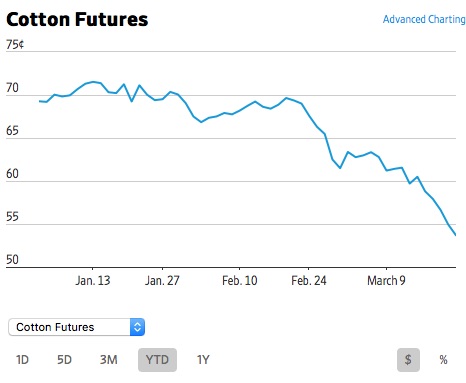 With the spring season just starting, cotton growers are wondering whether to plant this year considering cotton prices. One cotton farmer called it a “dirt road to the poor house” given prices in the 50s this week, lowest since 2010. One analysis” Cotton growers were just clawing back from a tough year in which the U.S.-China trade war sent prices plummeting. Now the coronavirus pandemic has set them back again.” Acreage will be down more than 10% some figure.