
-December 23,2019-
From multiple reports
Mexican avocado exports to US surge
Mexican exports of avocados to the United States during 2018/19 were 15.97 percent higher than the previous year and are expected to increase 12.5 percent this season into 2020.
US avocado growers harvest small crop but with higher prices
The California Avocado Commission says the average price for avocados sold in 2019 was $1.71 per pound up from $1.13 the season before. In the 17/18 season the harvest added up to 338 million pounds compared to to just 217 million pounds this year.
One of the major avocado companies Calavo made the best of it reporting fourth quarter sales in the fresh segment category of $144.2 million, up from $141.1 million in the fiscal 2018 final period. The company reported fiscal 2019 revenues rose 10% to reach a record $1.2 billion, compared with $1.1 billion the previous year. 2019 was the tenth year in a row when the company’s revenues have set new record highs, according to the release.
Larger apple crop should lower prices
With the onset of cold weather the U.S. apple harvest for the 2019/20 marketing year (August-July) is wrapping up. The 2019/20 U.S. apple crop is forecast at 10.6 billion pounds, up 4 percent from a year ago as output gains in Western States (largely Washington and California) outweigh declines in Eastern States. The top apple State, Washington, expects a 7.2-billion pound crop of excellent quality, up 7 percent from last year. Overall, larger production indicates a possible downward pressure on apple-grower prices during the 2019/20 season-relative to 2018/19, likely boosting overall demand, especially in the fresh market. Pricing early in 2019/20, however, was supported by relatively strong late-2018/19 fresh apple grower prices due to tighter supplies.
Florida/ California orange growers worried about prices
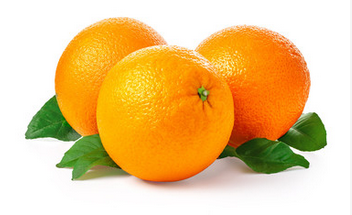 California and Florida orange growers continue to be worried about the price they are getting for their crop even with different factors at work.
Florida growers face shrinking demand for juice, where most of their crop goes, with per capita consumption having dropped by two-thirds in recent years. To match this problem they also face a cut in production between hurricanes and citrus greening disease killing their trees as well as a flood of imports.
Florida Citrus Mutual says “compounding the issue is Florida is expected to produce an even larger crop this year and there is nowhere to put the fruit. The increase, coupled with declining consumer consumption and the increase in foreign imports, has resulted in a perfect storm.
Many grower contracts with processors are not being extended. This has created a wave of uncertainty throughout the industry. It is expected that 12 million boxes may not be harvested this season. This is a dreadful situation for Florida’s signature crop. Grower returns could be way below what it costs to grow a crop. I’ve heard contracts are being offered at a nickel below the futures price – that is less than a dollar!”
California Citrus Mutual’s Casey Creamer says Golden State orange growers situation is less dire but below harvest cost prices nevertheless are hurting. Most of California oranges go to the fresh market where demand is good but China’s tariffs have hurt California orange exports hard for several years running now.That has opened the door for our foreign competitors . Even though President Trump has announced a a deal with China to buy US ag goods in coming months there is yet no firm indication this includes our citrus or the timing of purchases. Citrus sales have to happen right now to make any difference for this season.Navel season in California ends in a few months.
Meanwhile like Florida,California is seeing increased competition from imports into the US. Creamer says “two years ago we had the best season ever and last year we had the worst season ever.” with below picking cost prices. So far this season that began in November there has been no price improvement ,adds Creamer.
Uncertainty is the byword this Christmas.
“At this time, it does not appear that the removal of retaliatory tariffs is a part of the Phase One agreement. However, there are reports by the Chinese media that importers may be granted waivers. There is guarded optimism that the Phase One deal will allow the California citrus industry to resume traditional exports to China.”
Where Pineapples come from
While many consumers might associate Hawaii with pineapples, virtually all of U.S. pineapple volume is supplied by imports.
As recently as 1991, Hawaii provided half of total U.S. fresh pineapple supply. That year, total supply of fresh pineapple totaled 503 million pounds, of which Hawaii accounted for 250 million pounds and imports provided 254 million pounds.
Fast-forward to 2006 and Hawaii supplied only 192 million pounds of fresh pineapples and import volume ballooned to 1.4 billion pounds.By 2015, Hawaii’s contribution to the fresh pineapple supply disappeared altogether, while imports supplied all the fresh pineapple supply of 2.3 billion pounds.
Today Costa Rica is by far the leading supplier of fresh pineapples to the U.S., providing about 82% of total fresh/frozen pineapple imports worth $668 million in 2016.Since 1990, U.S. imports of Costa Rica pineapple have grown from $29.6 million to $522 million in 2016. Mexico’s pineapple production has jumped from $554,000 in 1990 to $47.7 million in 2016. Honduras has seen growth from $5.4 million in 1990 to $24.8 million in 2016.
Fewer XMAS trees
There were 10,000 farms cutting Christmas trees in 2017, down from about 12,000 in 2012, according to USDA data published in April. The number of harvested trees fell from 17.3 million to 15.1 million over that period. Story from Politico.