
Where’s my stone fruit?
-April 22,2019-
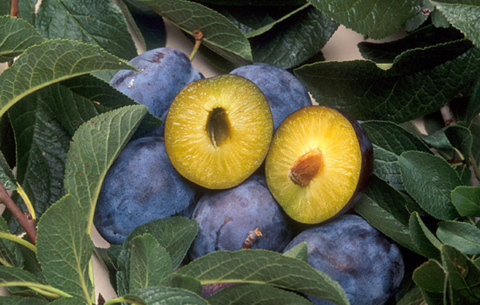 It’s getting harder to enjoy that big juicy plum from the San Joaquin Valley these days. Acreage of stone fruit in 2017 is down from 2002,2007, and 2012 for most tree fruit varieties. This is according to the latest US Census of Agriculture published every five years.
Case in point are nectarines that in 2002 blanketed over 42,000 acres of farmland but as of 2017 is down to just 17,600 acres, virtually all grown in the San Joaquin Valley. Or those peaches? Today we sport just 24,000 acres, down from 35,000 acres in 2012 and 43,200 in 2002.
Statewide plum acreage is down by more than half in the past 15 years. In 2017 plum acres were 64,702 – down from 82,910 in 2012 ,102,860 acres in 2007, and 141,494 acres in 2002.
California apple orchards have also slid in the past 15 years to 13,637 acres in 2017 – down from 38,268 in 2002. Avocados are down as well although grape acreage has climbed since 2002.
Tulare County plum acres have dropped from over 18,000 acres in 1990 to 8500 acres in 2017. But both peaches and nectarines haven’t declined in the county. Fresno County plum acreage has been hit hard as well ,down by about half.
Import of plums have been trending higher in the past decade with imported dried plums valued at $2.1 million in 2009 but hitting $40 million by 2016. Imports of fresh plums have gone from $36 million in 2009 to $43 million in 2017.
Over all, the number of California farms growing all crops has declined from 84,000in 1987 to about 70,000 in 2017 although the market value of crops sold has climbed from $14 billion in 1987 to over $45 billion in 2017.